Pruning Instructions for Cineraria After Blooming: This pruning method can encourage cineraria to bloom a second time.
Cineraria is a perennial herbaceous plant, meaning it can bloom year-round if properly cared for. However, most cinerarias grown by flower enthusiasts only bloom once, and then wither after flowering. This is due to a lack of proper pruning and cooling during the summer. By learning how to prune cineraria after flowering, you can understand how to propagate cineraria and how to make it bloom a second time.
I. Methods for pruning chrysanthemums after flowering
1. Prune withered flowers
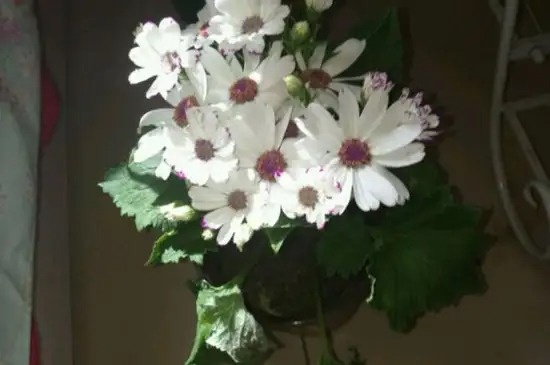
Cineraria consumes a lot of nutrients to bloom, so once the flowers have faded and lost their ornamental value, they should be promptly pruned to conserve nutrients. This is because the main stem of the cineraria will gradually wither after flowering; pruning it encourages the growth of new lateral branches. This prevents the plant from dying and allows it to bloom again the following year.
2. Collect seeds
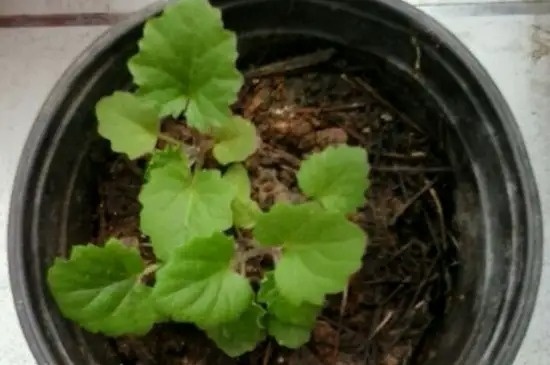
Cineraria produces seeds after pollination. If you want to collect the seeds, wait until the cineraria flowers have faded and the seeds have matured before pruning the branches. This will save nutrients and allow you to obtain seeds for propagation.
3. Lateral bud cuttings
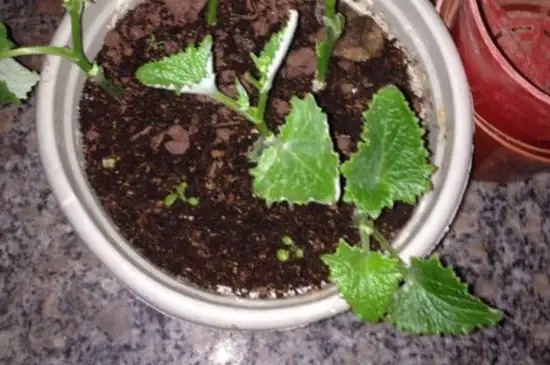
After the flowers of the cineraria fade and are pruned, new side shoots will usually grow. Once these small branches have grown two true leaves, they can be propagated by cuttings. Simply cut them off, insert them into the soil, and they will easily take root and survive. The cineraria cuttings will bloom the following year.
II. Post-flowering care techniques for chrysanthemums
1. Repot as needed
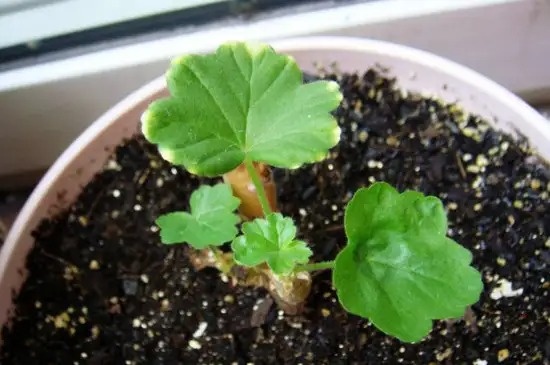
After the cineraria blooms and fades, it can be repotted. When repotting, add some organic fertilizer or decomposed leaves to the bottom of the pot as base fertilizer. This will provide sufficient nutrients for its growth. If it grows well, it can bloom again the following year.
2. Apply fertilizer appropriately
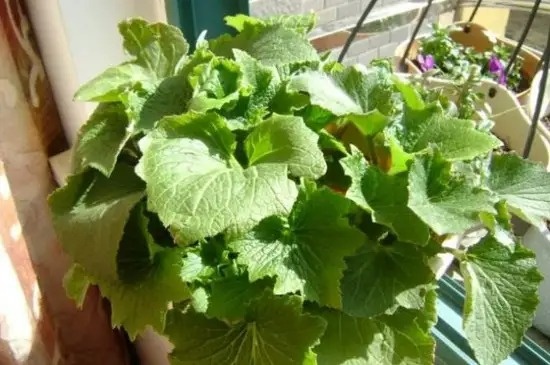
During the growth period of Cineraria, it is best to apply a diluted fertilizer solution every half month, mainly nitrogen fertilizer to promote camphor production in the branches and leaves. Before the flowering period, increase the application of phosphorus and potassium fertilizer to promote flower bud differentiation. As long as there are enough nutrients, flowering will naturally not be a problem.
3. Control the water volume
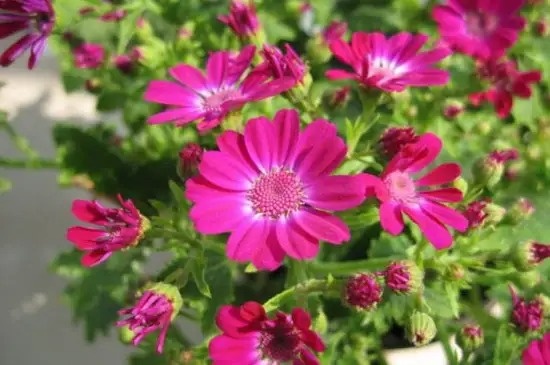
After flowering, watering should be reduced appropriately, generally only watering when the potting soil is dry. In summer, watering is usually done in the early morning or evening, and in winter, watering should be reduced even further, generally watering once every 1 to 2 weeks is sufficient.
4. Pest and disease control
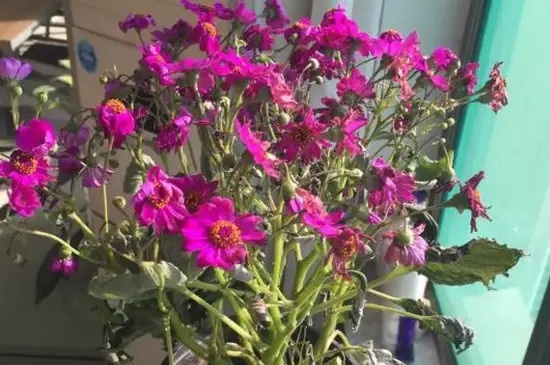
Common pests and diseases affecting cineraria include powdery mildew and aphids. When the plant is infected with powdery mildew, grayish-white mold appears on the stems and leaves. Upon discovery, the affected plants should be removed promptly, and then a fungicide solution should be sprayed for control. If aphids are found on the cineraria plants, they should be manually removed immediately. If the number is too large, an imidacloprid solution should be sprayed for control.
III. Precautions for growing Cineraria
1. Lowering the temperature in summer
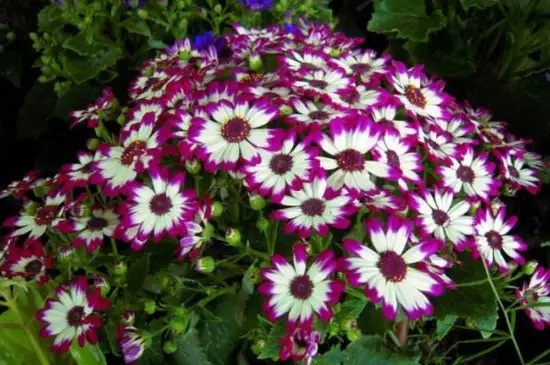
To ensure your cineraria blooms again the following year, besides mastering the pruning instructions after flowering, you also need to help it survive the hot summer. Cineraria is very intolerant of heat, and many people cultivate it as an annual or biennial because it struggles to survive the summer. After flowering, if the temperature exceeds 30℃, the entire plant will wither. However, if it can be properly shaded and cooled during the summer, it can survive and even bloom again the following year.
2. Supplemental lighting during flowering period
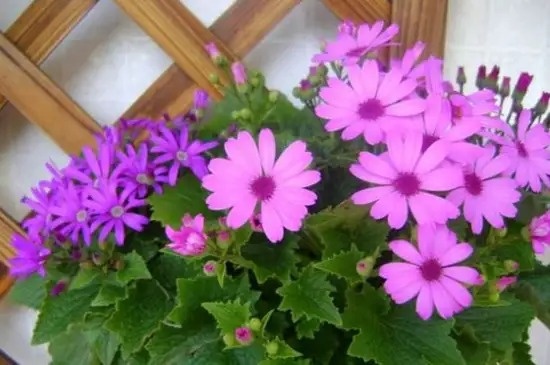
During the growth period of cineraria, it needs to be given plenty of light. After it blooms, it is usually moved indoors for enjoyment. However, when indoors, the plant needs to be given plenty of light. It is best to place it in a sunny spot indoors and let it receive more than 4 hours of light every day to keep the plant's flower color vibrant.
In conclusion, after reading the above, you should now know how to prune and care for cineraria after flowering. Proper pruning and appropriate care during the summer will help it survive and bloom even more beautifully the following year.