Pruning forsythia is very important; learn this technique and creating diverse shapes is within reach!
Forsythia sounds like a very brightly colored plant. Indeed, its flowers are yellow, giving it an elegant and beautiful appearance. It's also quite adaptable to cold weather, making it a popular choice for many people and a suitable potted plant for the home. Its leaves grow in pairs; the leaves are small and attractive.
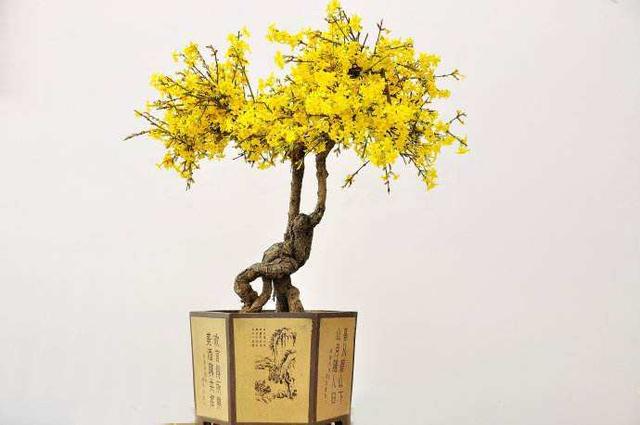
Its flowering season is spring, hence its name, Forsythia. The branches of Forsythia are very thin and long, making it quite ornamental. Generally, Forsythia bonsai are made from plants that have already grown naturally for a long time, as this is more conducive to their growth in the pot. When planting, the roots should be pruned according to the size of the pot, and it should be placed in a suitable location. Forsythia is also a folk herbal medicine; in fact, many flowers and plants can be used as medicinal herbs.
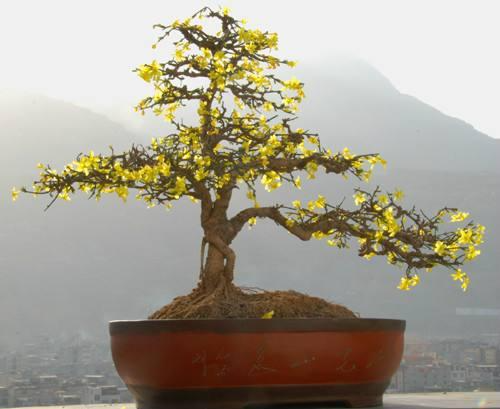
Traditional Chinese medicine uses various flowers and herbs, so many common plants have therapeutic effects. The best time to create a winter jasmine bonsai is in spring and autumn. Cut the branches into many sections, ideally about 20 centimeters each, and insert them into the soil to root. Ordinary soil is fine; if you choose branches that have grown naturally in the soil, you can simply dig up some soil from the ground where they were growing.
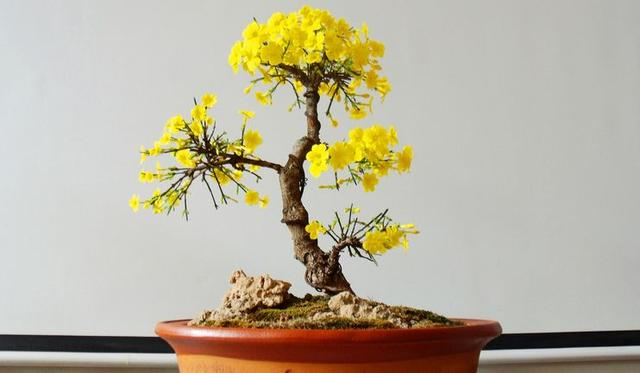
Forsythia grows towards the sun, so when planting it, it's best to place it in a sunny spot like a balcony. Keeping it indoors without sunlight is detrimental to its growth. Because the branches of forsythia grow very vigorously in spring and early summer, we can pinch off the long branches. We also need to control watering, reducing the amount of water at this time.
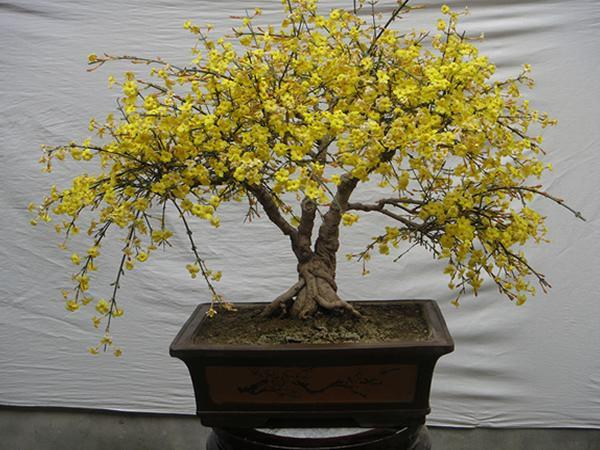
Of course, pruning is also very important. To grow a good bonsai, you must prune it into a beautiful shape. When you first plant forsythia, you should prune it appropriately to achieve the desired shape. Then, prune away any unnecessary or overly long branches. These pruned branches can be planted in other pots for further cultivation.
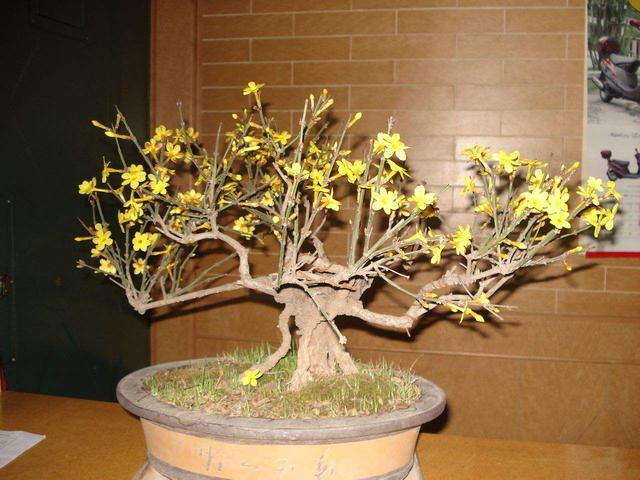
Forsythia bonsai grow very quickly, but because its branches are slender, they don't thicken easily. Therefore, when shaping it, you can use the root-based method, lifting the roots of the forsythia above the ground to create a more aesthetically pleasing shape.