Pruning and Shaping of Plum Blossom Bonsai: Illustrated Guide to Pruning Techniques (Five Methods)
I. Pruning and Shaping of Plum Blossom Bonsai
The shaping of plum blossom bonsai primarily relies on pruning. However, before mastering the pruning and shaping of plum blossom bonsai, we need to understand the appropriate time and methods for pruning. Generally, spring is the best time to prune and shape plum blossoms. After understanding the illustrated plum blossom pruning techniques, we can then prune a beautiful plum blossom bonsai!
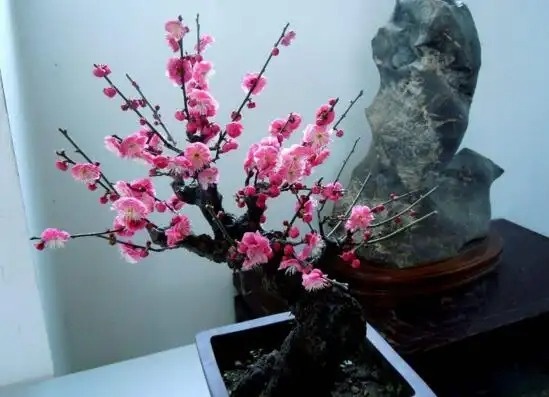 Plum blossoms are not only drought-tolerant but also relatively tolerant of pruning. Therefore, proper pruning is essential to ensure the plum tree grows into a beautiful shape. Pruning is mainly done after flowering, primarily by shortening and thinning branches to maintain a natural tree shape. Crossing branches, upright branches, and lateral branches should all be shortened to promote the growth of new shoots.
1. Short cut
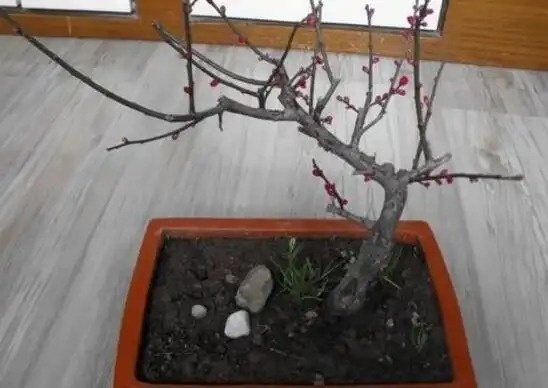 Heading back is a common pruning method for plum blossom bonsai, which involves cutting off a portion of the one-year-old branches of the potted plum tree. This method is particularly suitable for shaping plum blossom bonsai. Generally, light heading back is beneficial for young plum trees, encouraging earlier flowering. For mature plum trees, heavy heading back stimulates the growth of lateral buds, resulting in a fuller, more rounded shape.
2. Thinning branches
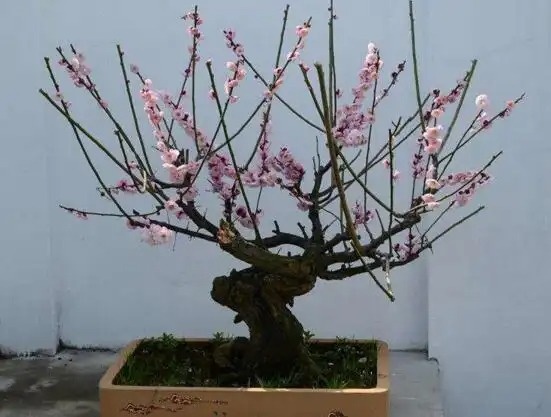 Thinning mainly involves pruning overly dense branches of the plum blossom bonsai. The length of the remaining branches and the direction of the bud at the cut should be flexibly determined according to the desired shape. First, dead, diseased, insect-infested, crossing, and overlapping branches should be removed. This is primarily to improve ventilation and light penetration between plants, which is beneficial for plant growth and development and helps regulate the vigor of the bonsai.
3. Shrinking
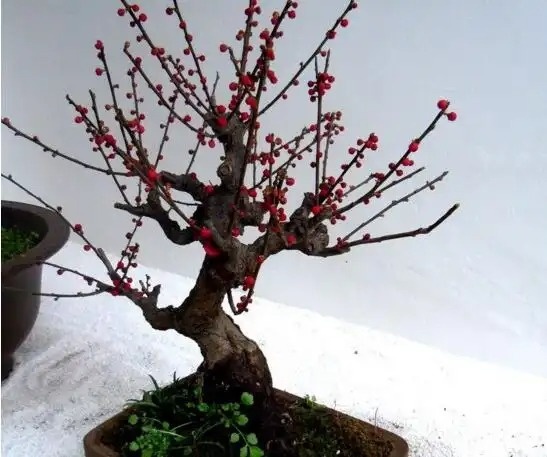 Shortening pruning generally involves shortening branches that are two years or older to rejuvenate them. This pruning method is frequently used in plum blossom pruning techniques and is an important measure for shaping and maintaining the tree's form. Long branches are usually shortened in late spring or early summer. After pruning, frequent light fertilization and increased sunlight exposure are necessary to encourage the growth of shorter branches in summer and autumn.
4. Remove buds
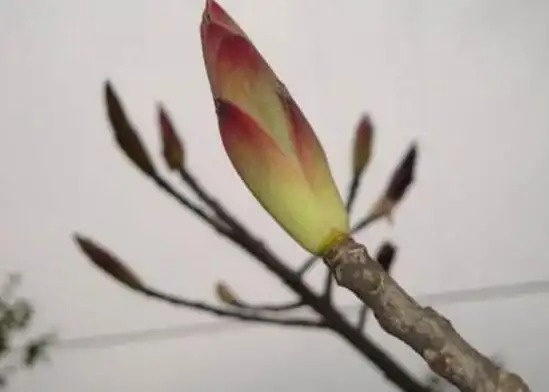 Plum bonsai is a tree species with a very strong sprouting ability, especially during the plum growing season, when it sprouts not only many buds but also quickly. Therefore, when pruning plum bonsai, it is necessary to promptly remove newly emerging root buds, dry buds, and axillary buds, while paying attention to the direction of the remaining buds to avoid the sprouting of crossing branches, opposite branches, and overlapping branches, which would affect the aesthetics of the plum bonsai's pruning and shaping.
5. Pinching
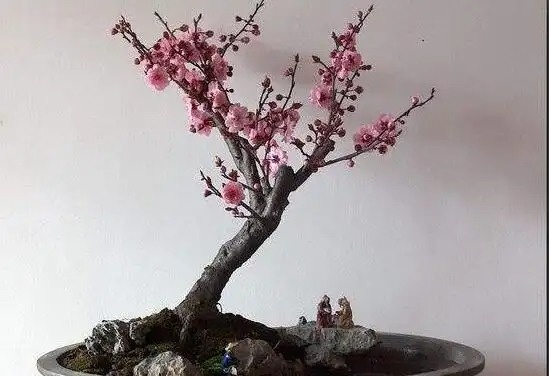 Pinching back the tips of plum blossom bonsai is a method primarily used to control excessively long new shoots. Pinching promotes the growth of lateral branches, shortens the branches, and helps the plum blossom bonsai maintain a beautiful, natural shape. Pinching should be done when the plum blossom bonsai has 2-4 new leaves. Pinching back plum blossoms can stimulate the growth of lateral branches and increase the number of flowers.
II. Seven common styles of plum blossom bonsai
1. Direct-drying type
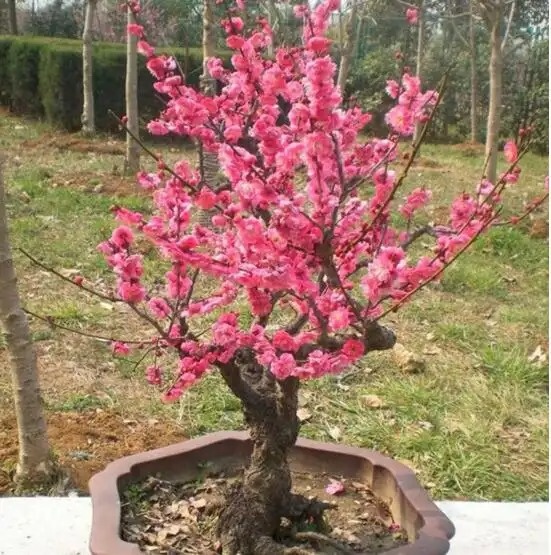 To ensure the plum blossom bonsai's main trunk remains upright, with all branches extending upwards, is to embody the plum blossom's indomitable spirit and noble character of defying snow and frost. Generally, a straight, thick trunk that is not easily bent is selected. During the shaping process, the main trunk should be sculpted, and attention should be paid to cultivating the bare roots, ensuring the root system is distributed outwards, giving it a stable and robust appearance.
2. Inclined Trunk
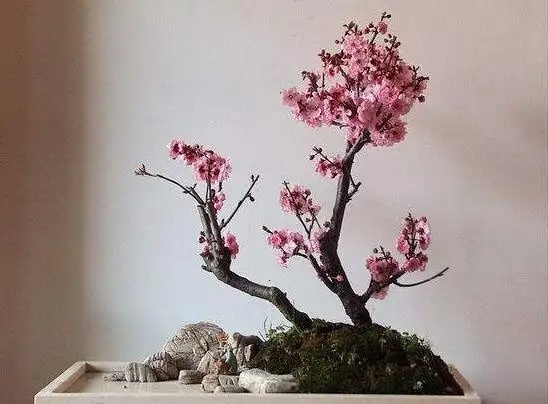 Slanting-trunk plum bonsai give people a sense of vitality, yet possess a unique charm, making this style of plum bonsai very popular. Creating a slanting-trunk plum bonsai is very simple; just tilt the main trunk to one side when potting.
3. Curved stem style
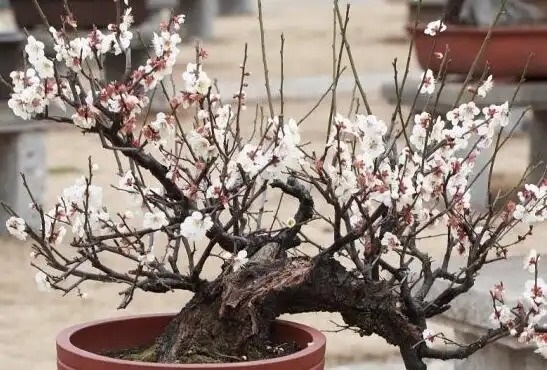 Curved-trunk style plum bonsai are best suited for small plants, as they are easier to shape. This style can be created when the plum tree is still a seedling planted in the ground. It mainly involves techniques such as hanging, tying, and carving to create irregular curves, ensuring that the curves look very natural.
5. Horizontal Dry Position
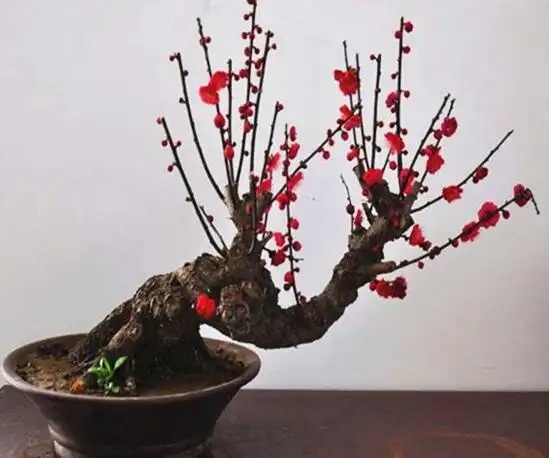 The recumbent-trunk plum bonsai is elegant and graceful, with a very gentle shape. Simply let the main trunk of the plum tree lie horizontally on the surface of the pot, keeping the upper branches also in a horizontal position. The shaping of the upper branches should be combined with the lower recumbent trunk.
6. Cliff-shaped
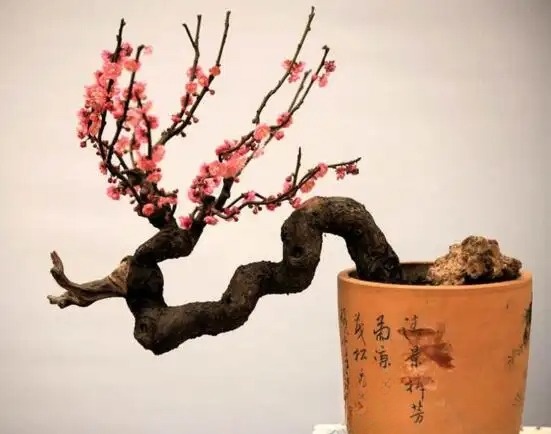 Cliffside bonsai is a popular style that has been loved by people throughout history. The cliffside plum blossom style is full of ancient charm and beauty. When potting, the weaker roots of the plum blossom should be cut off first, leaving the thick roots. Then, straighten them and bury them in the pot, allowing the main stem to lean or hang upside down outside the pot.
7. Weeping style
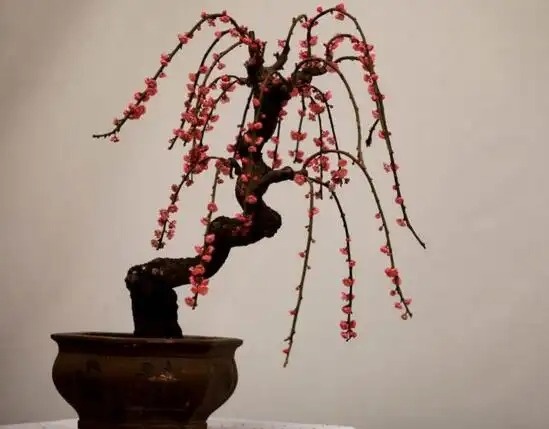 The weeping plum bonsai style mainly involves using techniques such as pruning, pulling, hanging, and tying the plum branches to shape them, keeping the plum branches drooping downwards, resulting in a very graceful appearance when in bloom.
In conclusion, through the above introduction, we believe everyone now understands the pruning and shaping of plum blossom bonsai, as well as the illustrated techniques for plum blossom pruning. We hope everyone can prune beautiful plum blossom bonsai!