Pruning: A mustlearn skill for healthy and beautiful bonsai and plants!
Pruning is crucial in the entire horticultural cultivation process. Whether it's bonsai or flowering plants, regular pruning is like "slimming down" and "shaping" them, giving the plants a good foundation for shape. It also effectively regulates the balanced distribution of nutrients within the plant, preventing unhealthy conditions such as "top-heavy" plants.
If a plant is subjected to excessive vegetative growth for an extended period, it will inevitably be in a sub-healthy state. Such potted plants often experience difficulties in developing new buds. In this case, regular pruning is necessary to ensure each leaf receives ample sunlight and to create good ventilation for the plant's roots and trunk. Proper ventilation and adequate sunlight for young leaves can significantly enhance the plant's "immunity," enabling it to more effectively resist various pests and diseases.
Pruning is definitely not just about picking up scissors and cutting off excess leaves. In gardening, there are many types of pruning, and different methods are used for different plants. Furthermore, the location of the pruning must be flexibly controlled according to the plant's current health condition. In this issue, Jijiangfang will guide you through several common pruning methods that you must master in gardening, giving you a deeper understanding of pruning.
Heading off and thinning
Heading back and thinning are the most common methods in flower pruning. The purpose of heading back is to control plant growth while allowing new buds to sprout quickly below the cut, thus promoting branching and making the potted plant more "pleasing and attractive".
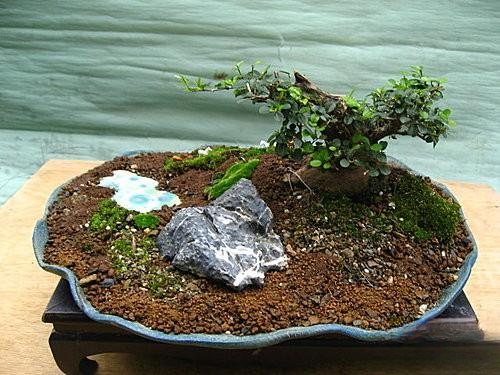
When performing pruning, the degree of pruning should be determined based on the type of bonsai and the plant's growth vigor. Is a light, medium, or heavy pruning appropriate? (For example, some species like *Sageretia theezans*, which have strong sprouting ability, are relatively tolerant of heavy pruning. However, during the cultivation process, if the terminal branches are too thin and weak, they may lose branches. During the growth phase, pruning should be minimized to allow the branches to strengthen before further pruning. [The article then discusses the techniques of "trunk cutting and branch cultivation" in Lingnan bonsai.]) When pruning, about 1/2 to 3/4 of the length can be removed. If a plant is growing too vigorously, it should not be pruned too much at once, otherwise the plant may die due to severe damage.
Thinning is an essential step for most plants. This pruning method involves cutting off diseased, dead, crossing, and inward-growing branches from the base, creating an orderly tree shape and improving ventilation and light penetration. In particular, insects often inhabit the area where diseased and dead branches meet healthy branches; removing these branches can reduce pest infestations.
Pinching and bud removal
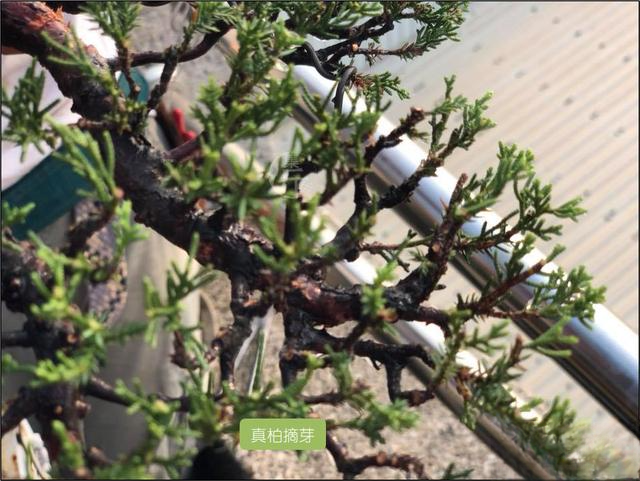
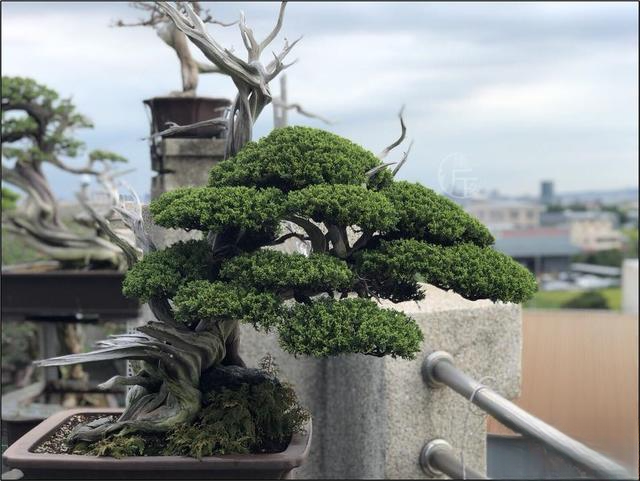
This is the shape of a juniper after bud selection and pinching. Pinching refers to cutting off or removing the new buds at the top of the plant; this pruning method is figuratively called "pinching." The purpose of pinching is to control the dominance of the apical bud, thereby inhibiting the plant's height and encouraging the growth of more lateral branches. When pinching some flowers, it can also promote flowering. For example, pinching is used for chrysanthemums, salvia splendens, and asters, and some even require a second pinching.
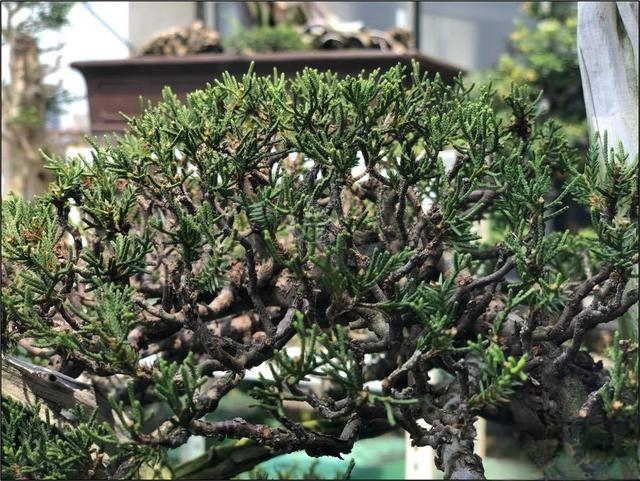
Because bonsai have limited space, when lateral buds have no room to grow, the terminal bud will grow upwards in an inconsistent manner, inevitably affecting the uneven growth of the tree and inhibiting the normal growth of lower lateral buds. Pinching and bud removal can alleviate this imbalance. By pinching and bud removal, the plant can be dwarfed. This method is commonly used to reasonably limit the height of plants that tend to grow taller, allowing them to grow into a more beautiful shape within a limited space.
- bud removal and bud peeling
Removing axillary buds and other adventitious buds from plant branches is called bud removal. Plant sprouting represents the birth of new "little lives," and many people don't understand the significance of bud removal, wondering why these "little lives" are being nipped in the bud. For bonsai, many adventitious buds are not needed for the desired shape; if allowed to grow freely, they will inevitably compete for nutrients with other branches. For potted flowers, the purpose of bud removal is to reduce the consumption of nutrients by lateral buds. Common single-stem chrysanthemums and dahlias often undergo bud removal to prevent new shoots from "competing" for nutrients, ensuring larger and more vibrant blooms. Bud removal acts like "sacrificing a rook to save the king" in chess.
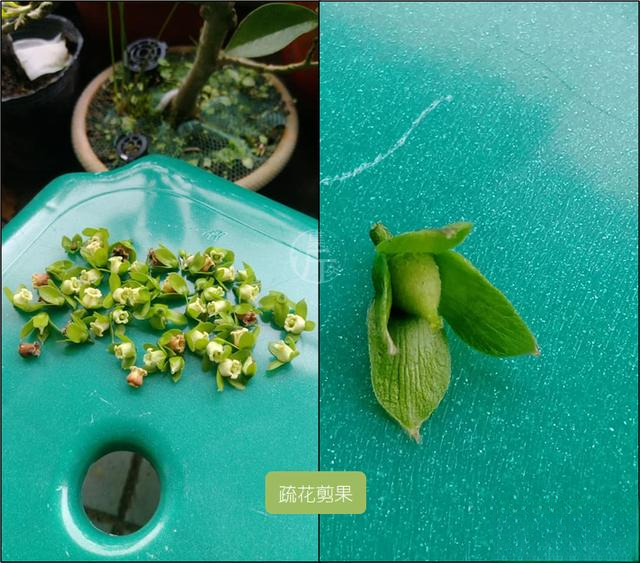
The purpose of bud thinning is similar to that of bud removal, but the method is slightly different. Bud thinning is mainly used in potted plants such as peonies, camellias, and others. When several flowers appear on a branch, if they are allowed to open completely, the flowers will inevitably become small and weak due to nutrient dispersion. At this time, we need to control the growth by selecting some "elite" flowers and removing some of them, leaving only a few key ones, so that the flowers can bloom strong and large. Many people hope that their plants will be covered with flowers, but they are unwilling or do not understand the significance of bud thinning for flowers, allowing them to open completely. Often, the flowers that bloom are as delicate as "Lin Daiyu" (a character from a Chinese novel known for her fragility), and they soon wither and die.
Thinning fruit and removing residue
Fruit thinning and removing residual fruit, as the name suggests, involves removing any remaining fruit. For flowering plants that do not need to produce seeds, such as azaleas, primroses, and roses, promptly removing withered flowers and fruits along with their stems after flowering can prevent the waste of nutrients and promote the germination of new flower buds.
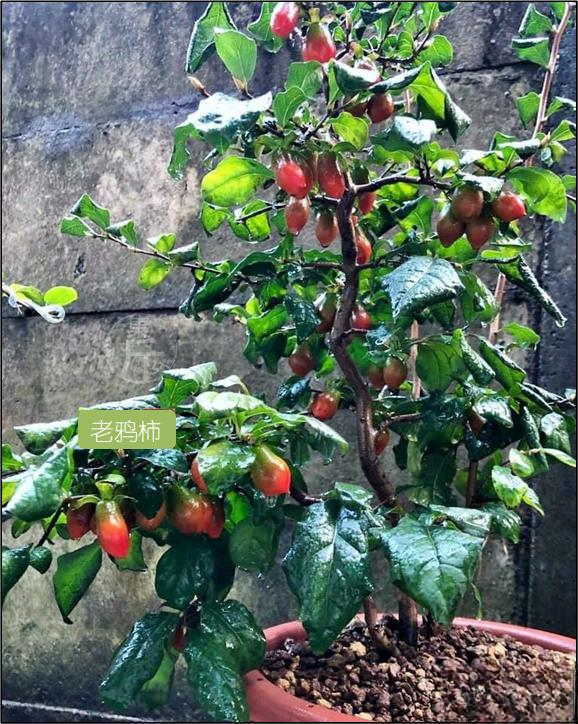
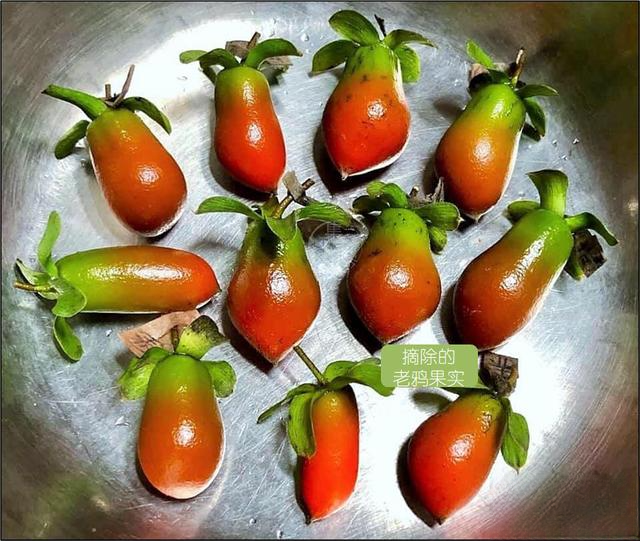
For flowering plants that need to be propagated for seed, such as clivia, it's not necessary to keep all of them. Just keep some healthy ones, and removing weak fruits will allow the remaining fruits to grow better. For some fruit-bearing bonsai, such as pomegranate, firethorn, persimmon, and golden bullet, some of the overly dense flowers should be thinned out during the flowering period. After the small fruits have set, remove the excess small fruits. When removing damaged fruits, we don't need to remove all of them. For example, there are too many persimmon fruits on the top, and overcrowding can lead to poor ventilation. So, thin out the fruits, cut off the unevenly pollinated fruits, and then leave only 1-2 fruits on each branch. This way, there are fruits to admire, and it also promotes the rational distribution of nutrients in the plant.
How to control pruning time
The timing of flower pruning can be done in any season, but summer and winter are the most common. Winter pruning is preferable, and should be done after the plant has shed its leaves and before it sprouts again in early spring of the following year. The specific timing varies depending on the region and tree species. Pruning too early, when the temperature is still high, will stimulate the sprouting of axillary buds and reduce their cold resistance; pruning too late, when new buds have already sprouted, will waste nutrients. In summer, because plants are growing vigorously, heavy pruning should be avoided. The growth of the plant can be regulated by methods such as pinching, bud removal, and fruit thinning.
Before pruning flowers and trees, it's essential to understand their habits. For example, roses bloom at the tips of newly grown branches, so they shouldn't be pruned or have their tips removed before flowering. However, after flowering, they should be pruned or have their spent blooms removed immediately. Lilacs and crabapples, which bloom in spring, mostly have flower buds growing on the previous year's branches, so they shouldn't be pruned in autumn or winter; pruning should only be done after flowering.
Camellias also bloom at the tips of their branches. Their terminal buds typically begin to differentiate in June and don't flower until around the Spring Festival or early spring of the following year. Therefore, they should not be pruned or topped during this six-month period. For plants like hibiscus, jasmine, night-blooming jasmine, and poinsettia, which bloom on current-year shoots, it's advisable to pinch off the tips multiple times during the growing season to encourage new shoots and multiple blooms. When pruning, the uppermost bud should be left on the outer side, and the cut should be about half a centimeter away from the bud. Too close, and the stem and leaf primordia within the bud will be damaged; too far, and it will leave a damaged branch, which is unsightly. Finding the right balance in pruning is a challenge in bonsai horticulture, requiring a thorough understanding of the plant's growth habits and a certain aesthetic sense, combined with extensive practice.
With proper pruning, flowers can spread greenery even in the limited space of a balcony, creating a relaxed and pleasant mood. Mastering advanced pruning techniques can also protect some flowers from pests and diseases, allowing them to bloom more beautifully and fragrantly.