Protecting Peanut Crops: Common Diseases and Pests and Their Control Methods Revealed!
Peanut diseases and pests are problems that cannot be ignored in peanut cultivation. They can be caused by pathogens or insects, damaging peanut plants and leading to reduced yields or even death. Today, we will introduce some common peanut diseases and pests and their control methods, hoping to help you better protect your peanut crops.
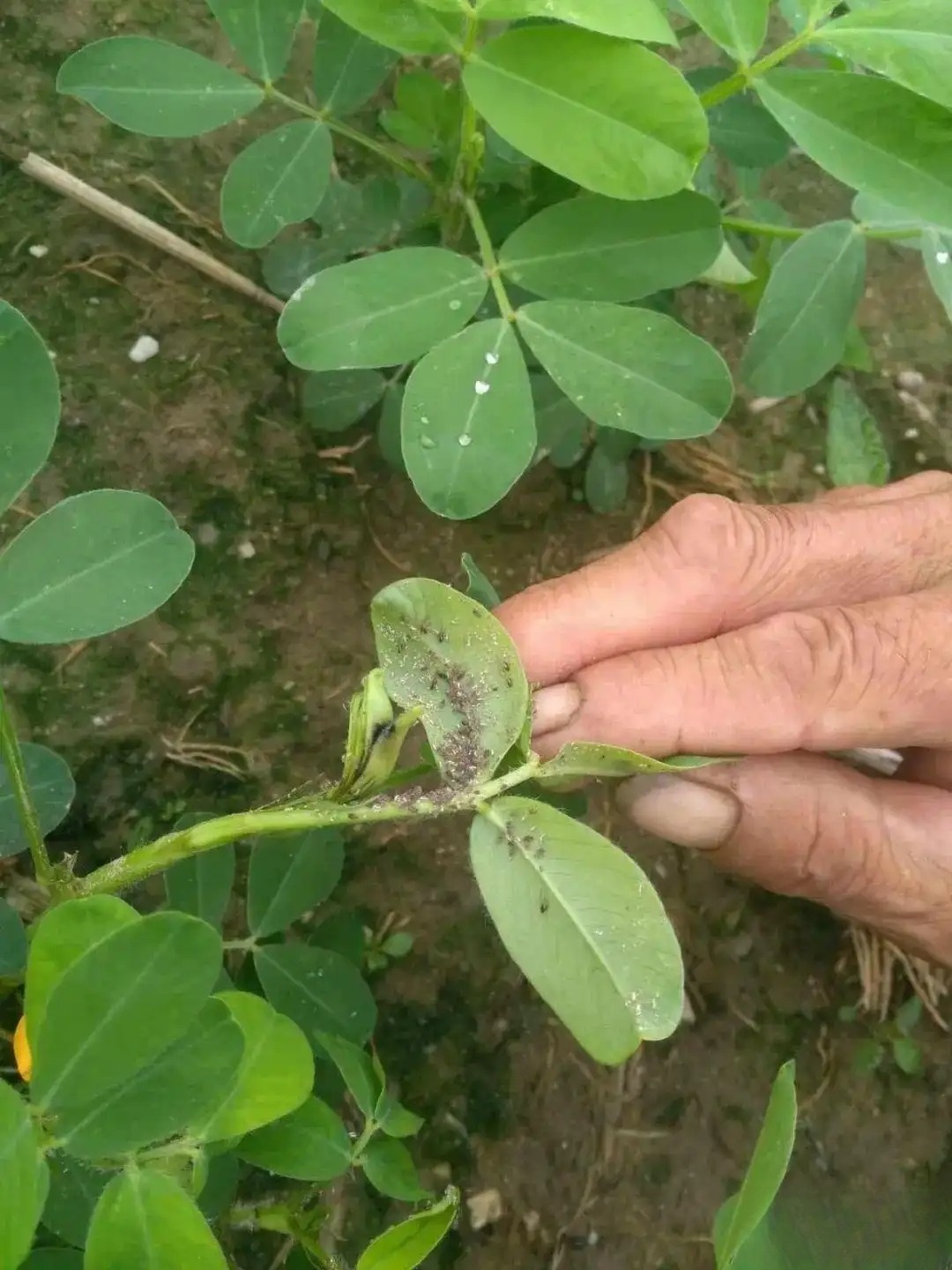
This is a bacterial disease that causes yellowish-brown spots on peanut leaves. To prevent and control this disease, firstly, regularly remove diseased leaves to prevent the spread of pathogens. Secondly, spraying the leaves with an antibacterial agent can effectively inhibit the growth and reproduction of pathogens . Additionally, maintaining good ventilation is also an important measure for controlling this disease.
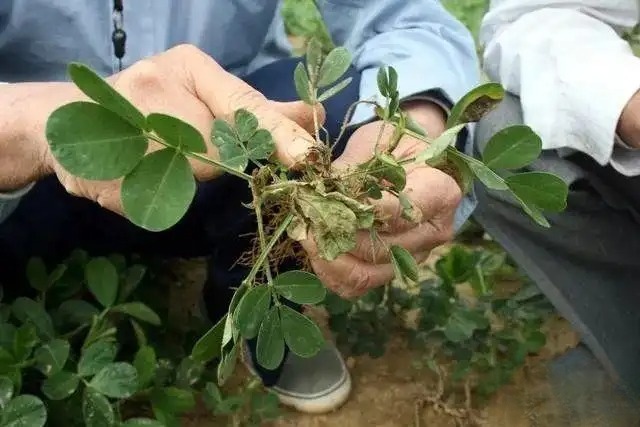
Let's take a look at peanut wilt disease. This is a fungal disease that causes peanut plants to gradually wither and the root system to be damaged. To prevent peanut wilt disease, we can choose to plant resistant varieties, which can reduce the likelihood of the plants being infected by the pathogen. In addition, keeping the plant's growing environment dry and well-ventilated is also very important, as this can reduce the growth of pathogens. If necessary, an appropriate amount of fungicide can be sprayed to control the development of the disease.
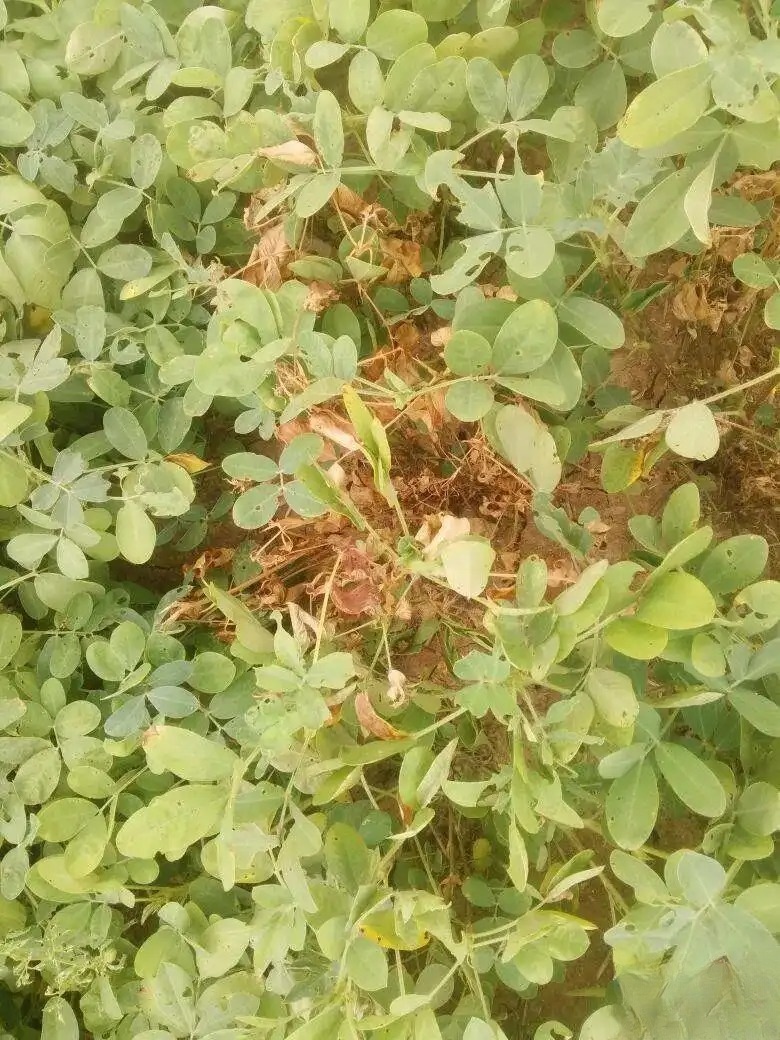
Besides diseases, peanuts are also susceptible to insect infestations, such as peanut aphids. These insects suck the sap from peanut plants, causing yellowing, deformities, and wilting. To control peanut aphids, we can regularly inspect the field to promptly identify the pests and take appropriate control measures. When applying pesticides, it is best to choose insecticides specifically formulated for insects to minimize environmental damage.
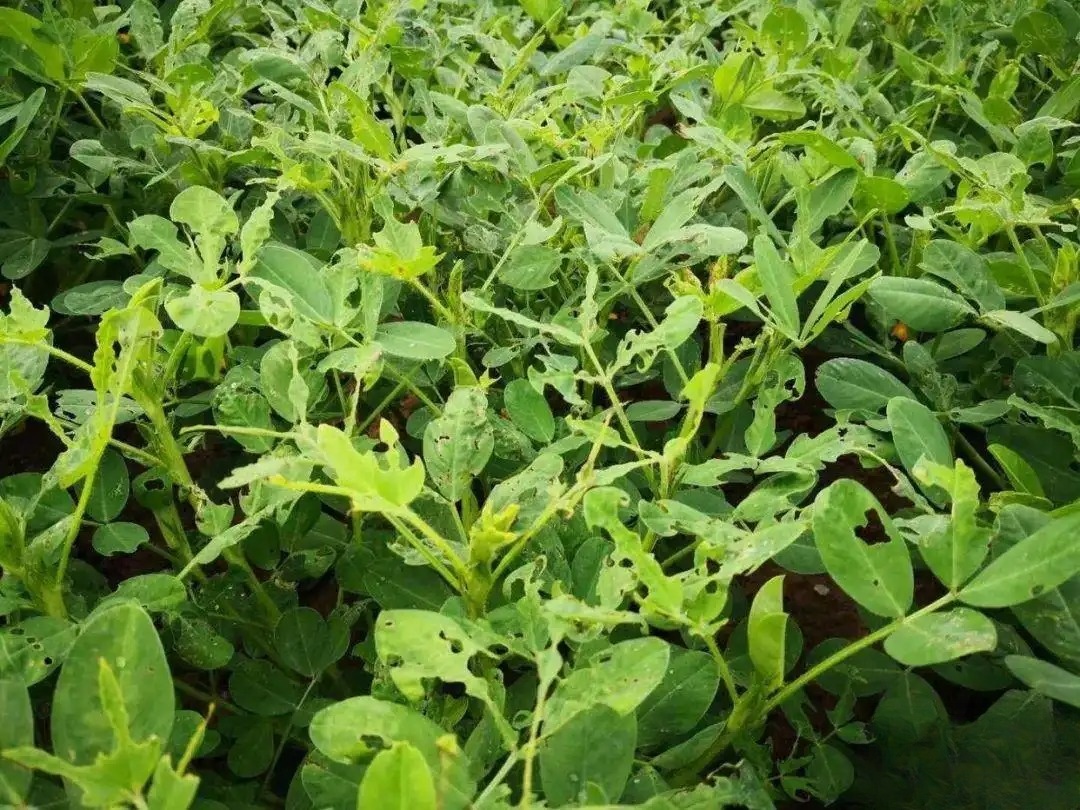
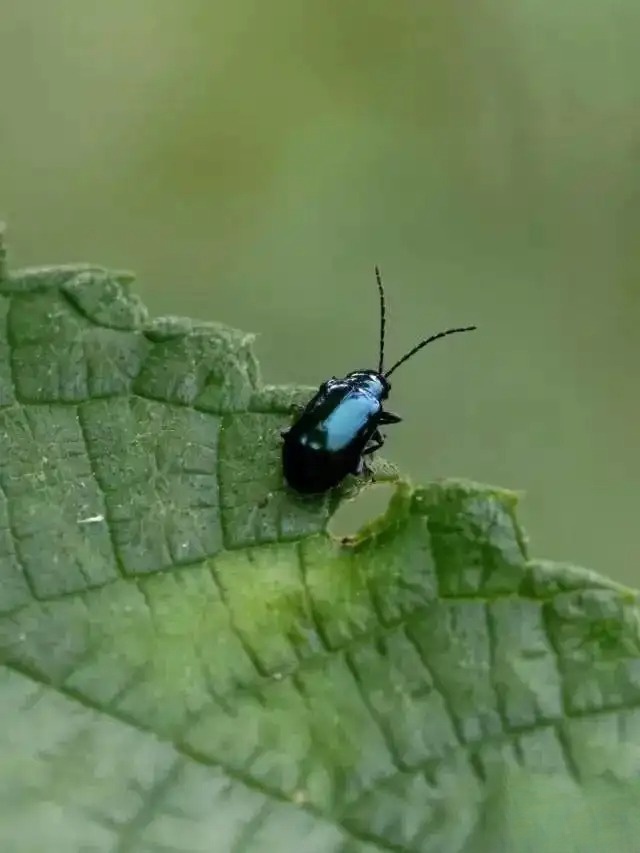
In addition, another common peanut pest is the peanut beetle. The larvae of this insect feed on the roots of peanut plants, causing stunted growth and even death. To control peanut beetles, infected plants should be removed promptly to prevent further spread of the pest. Alternatively, soil-based insecticides can be used, which can effectively control the number of peanut beetles.
Through this description, I believe you have learned about some common peanut diseases and pests and their control methods. Peanut growers should pay close attention to their plants during daily management, regularly checking their health and taking timely preventative measures. Only in this way can we better protect our peanut crop and increase yield. We hope everyone will actively address peanut diseases and pests to create a healthy growing environment for our peanut crops.