Prevention and control of major diseases and pests of Sichuan pepper trees
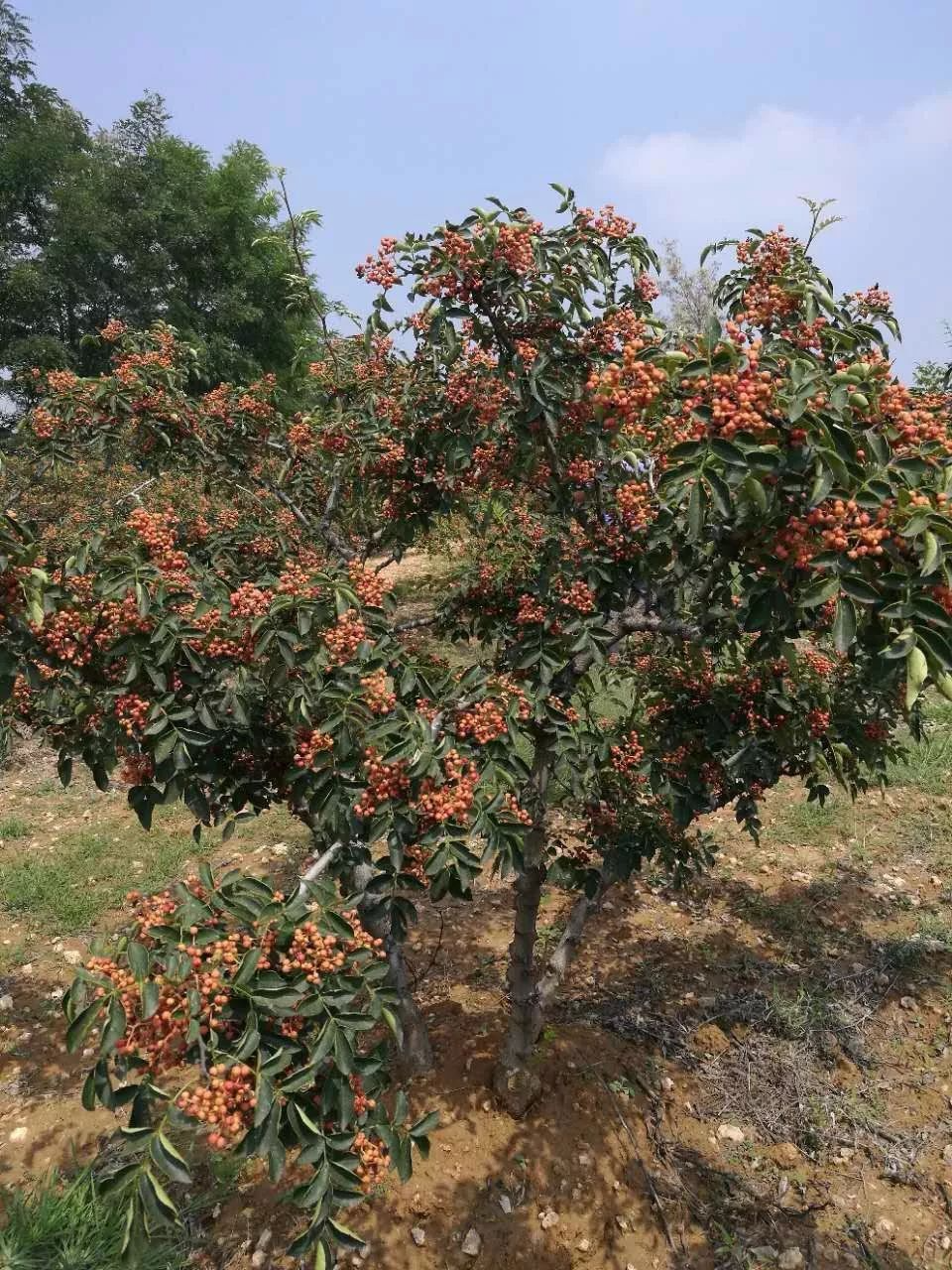
The main diseases and pests of Sichuan pepper trees include: leaf rust, root rot, black shank (gummosis), and pests such as longhorn beetle, leaf miner flea beetle, green beetle, mulberry scale insect, and gall midge.
1. Longhorn beetle. Appears after the start of autumn; larvae bore into branches and trunks, causing the entire plant to die in severe cases. Control methods: During the autumn harvest of Sichuan pepper, thoroughly prune and burn the infested branches or kill them with wire. Then, plug the borer holes with cotton soaked in a mixture of kerosene or bacalan powder.
2. Swallowtail butterfly. Adults lay eggs on the undersides of tender buds or leaves, damaging the leaves and creating serrated edges. Control methods: Kill pupae during winter pruning, kill adults in summer, and spray the plants with aluminum thiocyanate to kill larvae.
3. Aphids. They primarily damage tree leaves. Control methods include: removing weeds from the ground, tree pits, and rock crevices in mid-to-late October to eliminate overwintering sites; spraying plants with a 1500-fold dilution of dimethoate emulsion in mid-April each year, or spraying with a 1:1000-2000 dilution of zinc phosphide emulsion, or a 1:4:400-500 solution of laundry detergent or urea . All these methods can achieve a control efficacy of 95%.
4. Leaf rust. This disease primarily affects the leaves, and is more prevalent in the humid summer and autumn. Initially, circular, pale yellow spots appear on the surface of the leaves, gradually darkening to yellowish-brown and producing powdery orange-red spores. Control methods: Spray with 0.3-0.5 Baume's lime sulfur solution or 1000 times diluted methyl thiophanate 1-2 times from June to August . In winter , combine pruning with removing and burning fallen leaves and weeds under the canopy, while simultaneously spraying with 2-3 Baume's lime sulfur solution.
5. Root rot. Infected seedlings and mature pepper trees show edema in the underground roots, with the root bark easily peeling off and emitting an unpleasant odor. Control methods: (1) The nursery should be located in well-drained sandy soil, and the seedbed should be raised with good drainage. Do not cultivate seedlings in soil with root rot. (2) Apply more phosphorus and potassium fertilizer during the seedling stage to enhance the seedlings' disease resistance. (3) If mature pepper trees are found to have root rot, promptly prune the diseased roots, disinfect the cut surfaces with lime sulfur mixture, and apply wood ash.
6. Sichuan pepper longhorn beetle. Adults typically emerge in June and July. During this period, adults should be manually captured on sunny, windless afternoons. Inspections should be conducted from May to August; any eggs or larvae found should be scraped off and killed promptly. Chemical control can be implemented from March to November each year using the following methods: (1) Apply a 1:20 dichlorvos or kerosene solution to the affected bark and surrounding area; this can achieve 100% effectiveness against third-instar larvae . (2) Apply a 0.3:1 dimethoate solution to the base of the trunk to kill young larvae under the bark. (3) Spray the pepper trees with a 1:2500 dichlorvos solution to kill adults through contact. (4) If adults bore into the trunk, cotton balls soaked in dimethoate solution can be inserted into the holes and then sealed with thin mud to suffocate them. When applying dichlorvos, kerosene, or dimethoate solutions to the trunk, ensure the trunk is not completely dry before application, as this can cause severe phytotoxicity.
7. Scale insects on Sichuan pepper trees. In late March, apply a 1:5 dilution of dimethoate solution to the tree trunk, 10 ml per tree, or inject 5-10 ml of undiluted dimethoate solution into each tree; in late May and late August, during the nymph and pupal stage, spray the Sichuan pepper tree trunk with a 1:1000 dilution of dimethoate and dichlorvos solution 2-3 times.
8. Sichuan pepper leaf miner. Known as " fire wind " by pepper farmers , it can be controlled in late April when the pepper buds are just beginning to emerge. (1) Spray with a 1:1:3:1000 dilution of dichlorvos, dimethoate, and methamidophos; this can reduce the disease rate of young Sichuan pepper shoots to below 1%. (2) Spray once with a 1:1600-1800 dilution of dichlorvos before the Sichuan pepper flowers bloom. ( 3) Immediately after the Sichuan pepper flowers have faded, spray once with an 800-1000 dilution of 40 % dimethoate emulsion. Spray again 10 days later to prevent the larvae from migrating and causing damage.
9. Sichuan Pepper Leaf Beetle. Around the time Sichuan pepper matures, the larvae feed on the leaf tissue, causing many leaves to turn partially or completely yellow and shrivel. Numerous filamentous structures and holes appear on the underside of the leaves. Severe infestation can lead to premature leaf drop, affecting the following year's yield and even causing plant death. Control methods: Spray with a 1:800-1000 solution of phosmet. When using fenitrothion or phoxim, spraying is less stable under sunlight; it is best to spray in the evening.
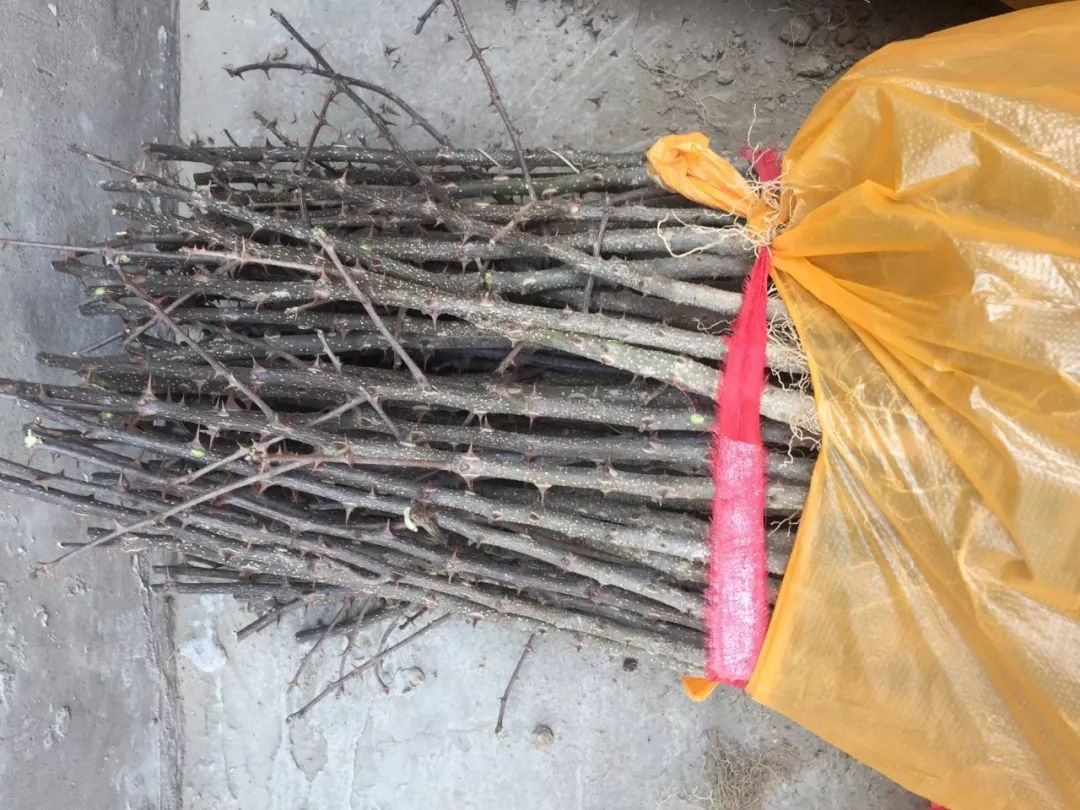
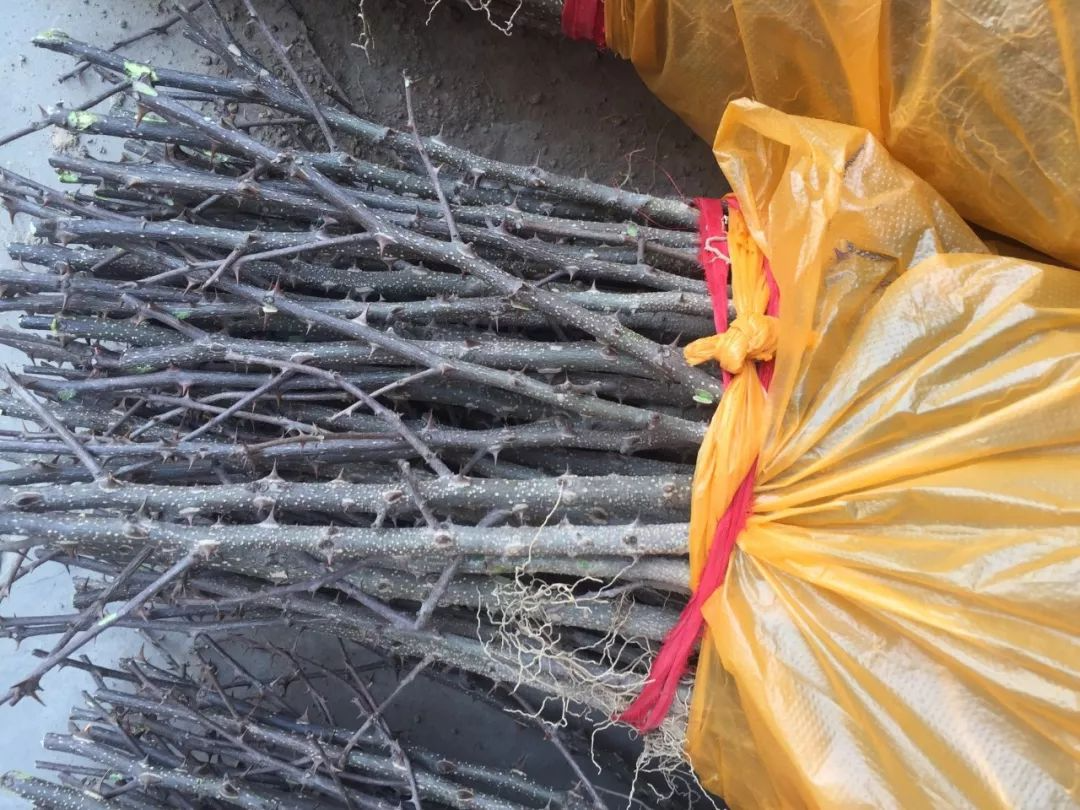
High-quality Sichuan pepper seedlings: