Prevention and control of major diseases and pests
Main types of diseases and pests
The main diseases and pests of camellia include anthracnose, sooty mold, soft rot, leaf swelling, half-leaf rot, camellia tussock moth, camellia inchworm, camellia caterpillar, weevil, and tea shoot moth.
Prevention and control principles
Prevention and control should adhere to the principle of "prevention first, comprehensive control", based on silvicultural techniques, combining biological control with chemical control, and adhering to the principle of "early treatment, small-scale treatment, and effective treatment".
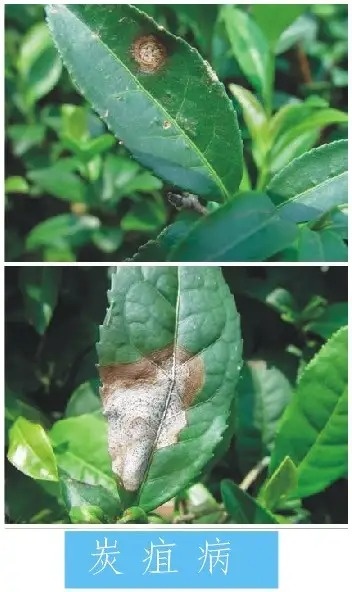
1. Camellia anthrax
Harmful characteristics: It damages fruits, flower buds, flower buds, leaves, shoots, branches, etc. It causes damage from April to October every year , and spreads the fastest from July to September . It is a serious and widespread disease of camellia oleifera.
Control methods : In winter and spring, remove diseased branches, plants, leaves, withered shoots, buds, and fruits, and burn them. Spray with 1% Bordeaux mixture during spring shoot growth. In severe cases, spray with a mixture of 1% Bordeaux mixture and 0.2% tea seed cake solution every two weeks for 3-4 consecutive times . Additionally , in the early or initial stages of the disease, spray with a 50% carbendazim wettable powder solution diluted 500-800 times to prevent the spread of the disease. In areas with limited water , spray with a mixture of slaked lime powder and quicklime powder ( 1:10 ) .
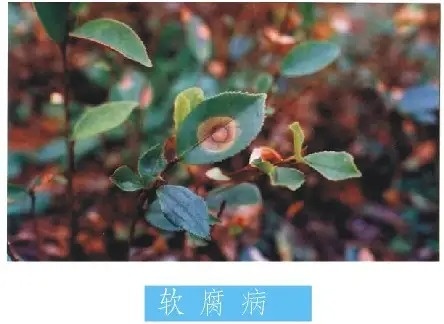
2. Camellia oleifera sooty mold
Harmful characteristics: Primarily damages the branches and leaves of camellia oleifera, forming black circular sooty spots on the leaves and branches, hindering photosynthesis and causing the camellia oleifera tree to wither.
Control methods: Use natural enemies such as ladybugs, parasitic wasps, hoverflies, and scale insect fungi for biological control. Spreading pests can be killed with a 1000-2000 times dilution of 40% dimethoate emulsion or a 500-1000 times dilution of 50% dichlorvos emulsion . After disease onset, use a 1500-2000 times dilution of 50% trichlorfon for control.
3. Soft rot disease of Camellia oleifera
Harmful characteristics: It mainly damages leaves and fruits, causing a large number of leaves and fruits to fall off, and branches to die.
Control methods: Remove diseased fruit and leaves promptly during winter and spring, and during the disease outbreak period to reduce sources of infection. Prune appropriately to maintain good ventilation and light penetration within the forest. At the initial stage of disease, spray with a mixture of 0.8% Bordeaux mixture and 0.5% cypermethrin, or spray with a 400-600 times dilution of thiophanate-methyl wettable powder .
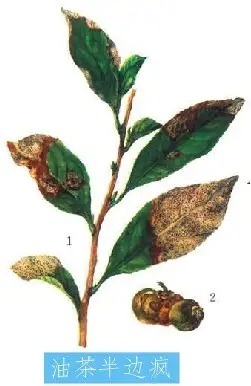
4. Half of the oil tea is crazy
Harmful characteristics: Half or all of the trunk of the camellia tree dies, the bark rots, and the wood discolors and dries out.
Prevention and treatment: Strengthen care and management, and avoid mechanical damage. Scrape away the diseased parts promptly, then apply Bordeaux mixture.
5. Tea leaf swelling
Harmful characteristics: It mainly damages young leaves, young shoots, flowers and ovaries .
Control methods: Remove diseased fruits and leaves as early as possible to reduce the source of infection. In severely affected areas, spray with 0.5% Bordeaux mixture or 0.2 % to 0.5% copper sulfate solution once a year when new leaves appear .
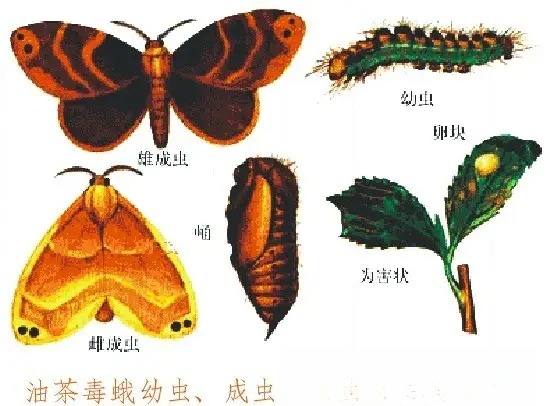
6. Camellia oleifera moth
Harmful characteristics: It mainly feeds on young leaves, tender shoots, tender bark, and young fruits. When the damage is severe, all the leaves are eaten.
Control methods: Combine silvicultural management with timely pupal eradication. During the peak pupal stage, combine cultivation and hilling to directly kill pupae or prevent adults from emerging from the soil. From November to March of the following year, manually remove overwintering egg masses and promptly prune branches and leaves where larvae congregate to kill the larvae on-site. During the peak adult emergence period, use black light traps to kill the larvae. Chemical control: Before the 3rd instar larvae, spray with 90% trichlorfon crystals or 80% dichlorvos at a dilution of 1000-2000 times , or 50% fenitrothion at a dilution of 1500-2000 times .
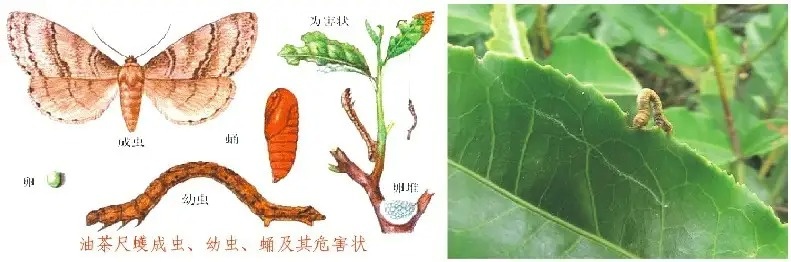
7. Camellia looper
Harmful characteristics: It mainly damages the leaves, causing fruit drop. In severe cases, it can completely devour the leaves and tender stems, leading to the death of the plant.
Control methods: Before the egg masses hatch into 4th instar larvae by early April each year , spray with 3% trichlorfon powder. During the young larval stage, spray with 1000-1500 times dilution of abamectin, trichlorfon, fenitrothion, dibromophos, etc. , 1500-2000 times dilution of dichlorvos , or 300-400 times dilution of rotenone .
8. Camellia oleifera, hairy wax scale
Harmful characteristics: It damages branches and leaves, causing leaves to yellow and wither, and in severe cases, branches to die.
Control methods: Select insect-free seedlings when planting trees. Strengthen management, remove weeds, dead branches and fallen leaves, prune overly dense branches and diseased branches to promote ventilation and light penetration within the forest. Protect natural enemies of scale insects such as ladybugs, lacewings, and parasitic wasps. Spray with 50% malathion or 40% dimethoate at a dilution of 1: 1000 during the peak nymphal period in May and June .
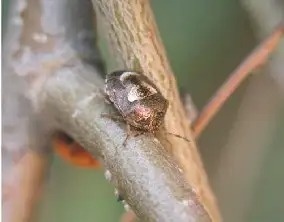
9. Camellia oleifera blue-winged longhorn beetle
Damage characteristics: Commonly known as the stem borer or tea node worm. This insect damages the core of the branches and trunk, boring into the stems and twigs of the tea oleifera . The damage rate in mature tea oleifera trees aged 7-8 years can reach up to 90 % , seriously affecting the growth of the tea oleifera and reducing yield.
Control methods: From late June to early July , before the larvae have penetrated deep into the xylem to feed, scrape and kill the larvae with a knife on the egg-laying marks and ring marks, or apply dimethoate solution with a brush to kill them. Cut off and burn the ring marks on the affected branches. If the affected branches are large, you can drill holes and use a wire hook to kill the larvae. During the adult emergence period, manual killing can be carried out every morning.