Practical tips! How petite women should dress
Dressing for petite figures is a visual art that requires highlighting strengths and minimizing weaknesses. With clever styling techniques, women under 160cm can still achieve a taller, more slender silhouette and project a confident presence. The following comprehensive guide, covering color, style, material, and accessories, will help petite figures overcome height limitations.
**I. Color Magic: A Visual Game of Vertical Extension**
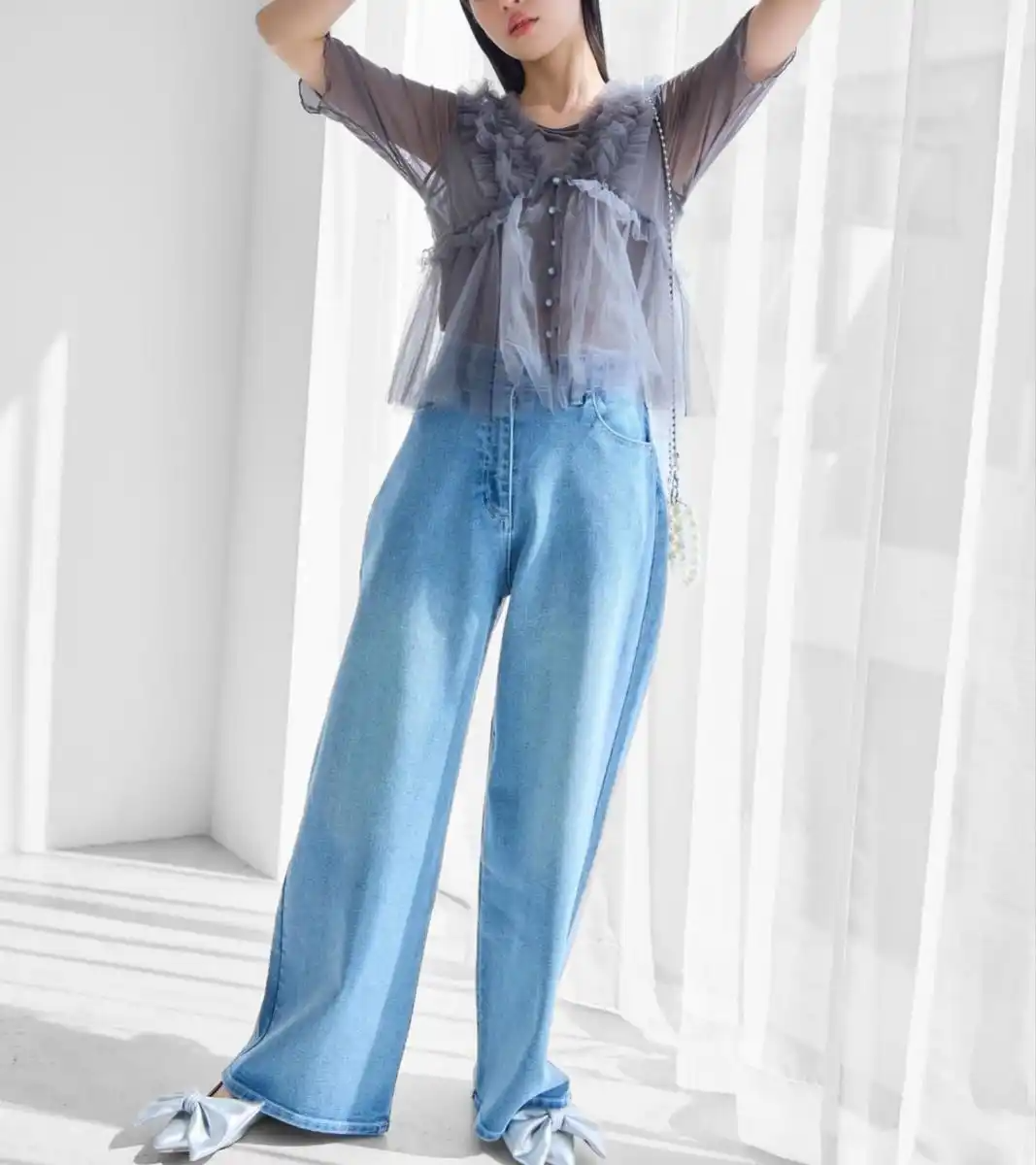
1. Monochromatic outfits are the golden rule for elongating the figure. An all-black look paired with contrasting materials (such as a matte leather jacket + a shiny leather skirt) is both slimming and adds depth. Gradient combinations in Morandi colors (gray-blue knitwear + dusty blue wide-leg pants) create a gentle and sophisticated feel.
2. The high waistline should strictly adhere to the 3:7 golden ratio. Choosing a belt in the same color as your bottoms and tying it at the ribcage instantly visually lengthens the legs. Apple-shaped figures can try a V-neck crop top paired with high-waisted paper bag pants, revealing the collarbone to draw attention away from the body.
3. The art of adding pops of color in specific areas is worth mastering. Wearing a pale yellow scarf around the neck or choosing metallic Mary Jane shoes can draw attention to the upper body. Avoid having more than three main colors in your outfit; for patterned items, choose vertical stripes or small floral prints.
**II. A Revolution in Fit: The Wisdom of Reconstructing Body Contours**
1. There's a precise formula for calculating coat length: short (10cm above the waistline), mid-length (mid-thigh), and long (below the calf). A Chanel-style tweed short jacket paired with cropped flared trousers creates an elegant X-shaped silhouette.
2. Skirt length holds secrets. Mini skirts should end at the narrowest part of the thigh, knee-length skirts should be paired with nude heels, and midi skirts should be 15cm above the ankle. The most slimming angle for A-line skirts is between 45-60 degrees.
3. Trouser modification solutions: For high-waisted straight-leg jeans, choose a length 2cm shorter than your actual leg length; pairing them with pointed-toe shoes will elongate your figure. Wide-leg trousers should not have a leg circumference exceeding 1.2 times the shoulder width; flowing fabrics create a more streamlined look.
**III. Material Evolution: The Secret Weapon to Reshape Volume**
1. For spring and summer, opt for 20-30 momme silk crepe de chine. This fabric with a natural drape creates smooth lines. For winter, 280-300g Australian Merino wool is recommended, offering warmth without bulk.
2. Avoid bulky materials with specific parameters: chunky knit sweaters with fewer than 8 stitches/inch and down jackets with more than 200g/m² fill power will increase horizontal volume. Consider newer, technologically advanced materials such as air-layer fabrics.
3. Layering should follow the "thin-thick-thin" sandwich rule. For example, wear a 20D silk camisole underneath, a 40-count cotton shirt in the middle, and a 120g wool coat on top, keeping the overall thickness no more than 5cm.
**IV. Details: The Decisive Factor in Centimeters**
1. Precise Guide to Accessory Sizes: Necklaces 38-42cm in length best accentuate the neckline; watch dial diameter should not exceed 3cm; bag height is recommended to be between 18-22cm. Berets should be tilted back at a 15-degree angle for maximum height enhancement.
2. Ergonomic Footwear Choices: 3-5cm block-heeled loafers add height and conform to the arch of the foot; over-the-knee boots should have a shaft circumference 1.5cm larger than the widest part of the calf; lace-up shoes with 2cm equidistant straps elongate the legs.
3. The Golden Ratio of Hairstyle to Height: Short hair should fall between the chin and collarbone; long hair should ideally end above the bust line. A high crown can make the head-to-body ratio approach the ideal 1:7.
**V. Seasonal Specials: Climate-Adaptive Outfit Solutions**
1. In winter, when layering, use a three-layer structure: thermal underwear + cashmere sweater + quilted down jacket, keeping the overall thickness within 3cm. Choose a parka with a fitted waist, ensuring the belt is positioned precisely 5cm above the navel.
2. For summer dresses, opt for A-line styles with a structured cut. Moving the shoulder line inward by 1cm can make the head appear smaller. Choose a sun-protective shirt made of 20D nylon with UPF50+, which is both lightweight and provides UV protection.
3. During transitional seasons, try "faux two-piece" designs, such as a patchwork shirt dress that creates an illusion through color blocking. When belting a trench coat, add a thin belt on the inside to prevent the fabric from puffing up.
**VI. Breakthrough Strategies for Special Occasions**
1. For work commutes: For custom-made suits, choose a 3/4 sleeve design (sleeve length 3cm above the wrist bone), and keep the front crotch length of suit trousers between 25-28cm. Choose a vertical tote bag to enhance vertical lines.
2. Date Outfit: A 180-degree flare in a A-line skirt is most flattering for a slimmer waist, paired with a square neckline that reveals more skin. The clutch should be level with your hips to naturally draw the eye upward.
3. Sporty/Casual: Leggings are recommended in 7/8 length, with reflective stripes on the sides to elongate the legs. For sneakers, choose styles where the tongue and upper are the same color to visually lengthen the instep.
Mastering these precise centimeter-level dressing rules allows petite women to completely reconstruct their body proportions through clothing. Remember, true fashion has nothing to do with height, but rather with a precise understanding and creative expression of your own characteristics. It's recommended to conduct a monthly wardrobe audit, measuring and recording the precise dimensions of various items with a soft measuring tape to gradually build your own golden ratio database.