Practical Techniques | Shaping and Pruning Common Garden Plants in Southern China (with Case Studies)
In landscaping management, pruning is a long-term task. Landscape workers act as "beauticians" and "hairdressers" for cities and parks, ensuring that trees have lush green branches, abundant flowers and leaves, and beautiful tree shapes, while maintaining neat lawns and attractive hedges. Landscape pruning not only provides an optimal pathway for plant growth and development but also offers the public a tidy, beautiful, and elegant space filled with greenery and flowers, relieving the pressure of work and study for urban residents and improving their material and spiritual quality of life.
What is shaping and pruning, and what is its purpose?
1
Shaping refers to using tools such as hand saws and pruning shears, as well as methods such as binding and coiling, to grow trees and shrubs into a specific shape desired by people; pruning refers to removing or shortening the branches, leaves, flowers, fruits, and other organs of trees and shrubs to regulate growth, flowering, aesthetics, and fruiting. The two together are called shaping and pruning.
In gardens, trees and shrubs sometimes play a supporting role. Trees don't need to be excessively tall; their presence is often used to highlight certain buildings or scenic spots, creating a strong contrast. Trees left to grow unchecked in gardens often develop enormous canopies, necessitating pruning and shaping to control their size and balance with the environment, ensuring they occupy their proper place in the landscape. Greenery placed in front of building windows is not only aesthetically pleasing but also facilitates natural lighting. Shrubs, carefully pruned, create distinct layers and conform to the growth regulation principles of trees and shrubs.
The natural shapes of trees and shrubs possess a natural beauty that should be fully appreciated. However, from the perspective of garden landscapes, the natural beauty of trees and shrubs alone is sometimes insufficient. Often, based on natural beauty, shaping and pruning are used to create new shapes that combine nature with artificial intervention, resulting in a blend of naturalness and refinement.
Plant pruning methods
1
(a): Thinning
1. Light thinning: Remove about 10% of the branches of the entire tree.
2. Medium thinning: Remove approximately 10%-20% of the branches of the entire tree.
3. Heavy thinning: Remove more than 20% of the branches of the entire tree.
(ii): Shortening
1. Light pruning: Cut off about 1/5 to 1/4 of the total length of the branch.
2. Medium to short pruning: Cut off approximately 1/3 to 1/2 of the total length of the branch.
3. Heavy pruning: Cut off approximately 2/3 to 3/4 of the total length of the branch.
4. Extremely short pruning: Leave only 2-4 withered buds at the base of the spring shoots, and cut off the rest.
5. Reduction pruning: also known as heading back pruning, is the process of cutting off a portion of a perennial branch group.
(III): Trauma
1. Scratching: Often done in spring before budding, a horizontal cut is made above the bud, reaching deep into the wood. This is called scratching.
2. Ring bark removal: The width of the bark removal should be such that the wound can heal within a month. Generally, it should be about 1/10 of the branch's diameter.
3. Twisting and bending shoots: Twisting shoots means breaking new shoots without cutting them off during the growing season. Bending shoots means twisting overly vigorous branches so that they droop downwards in the middle or upper part of the branch.
Operating method
(a) Pruning and thinning of branches
1. Cuttings and cut buds
(1) Requirements for the cut: The cut should be smooth and the cut should be at a 45-degree angle to the bud. The top of the angle should be 0.5-1 cm away from the bud.
(2) Requirements for cut buds: The quality and direction of cut buds determine the direction and growth status of new shoots after sprouting.
2. Shaping and pruning methods
(1) Natural shaping pruning: only auxiliary adjustments are made to the shape of the tree crown.
(2) Artificial shaping and pruning: This type of pruning completely changes the natural shape of the tree.
(3) Natural and artificial hybrid: The natural tree shape is slightly artificially shaped.
Practical Analysis
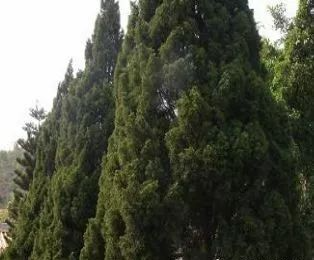
1. Pine tree, natural tree shape
The natural tree shape only makes minor adjustments to the shape of the crown.
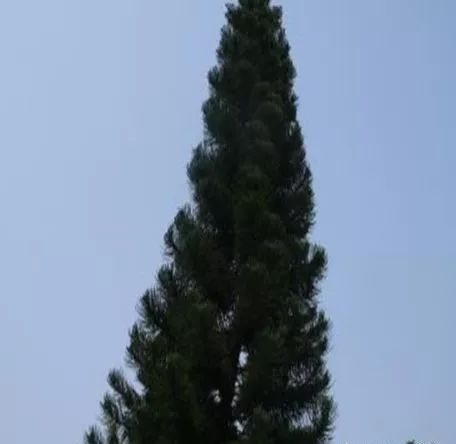
2. Norfolk Island pine
The natural tree shape only makes auxiliary adjustments to the shape of the crown, and restricts any branches that are not conducive to its natural shape.
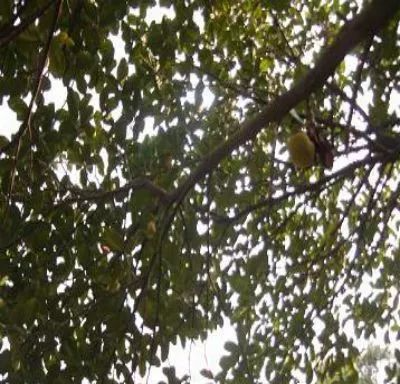
3. Jackfruit
Light pruning: Cut off about 1/5 to 1/4 of the total length of the branch, that is, lightly prune the top part of the branch.
4. Hibiscus mutabilis
Thinning: Remove about 10% of the branches of the entire tree. Strictly control the upper buds of upright and oblique branches. When pruning, the upper buds should be removed to prevent the growth of upright branches.
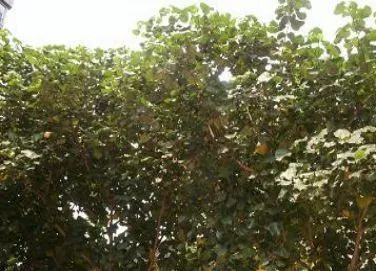
5. Mango, lychee, longan
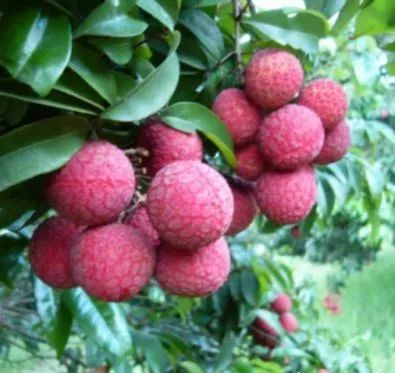
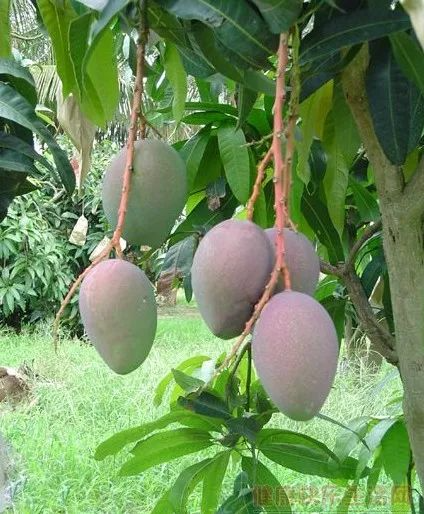
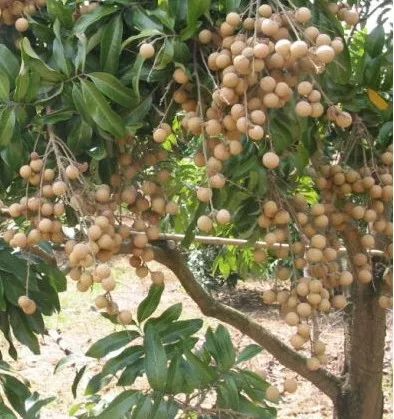
Ten to fifteen days after harvesting the fruit, lightly prune the branches that have already flowered by 1/5 to 1/4, that is, lightly cut the top part of the branch, which can stimulate the sprouting of most of the semi-full buds at the bottom.
6. White Magnolia
Retreat pruning: retain a height of 4m-5m above ground to maintain the tree's position within the scenic area.
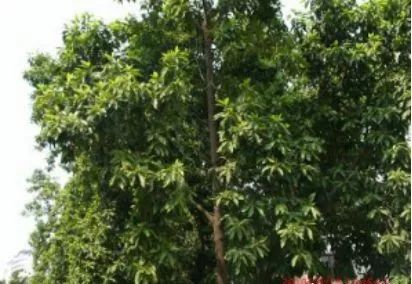
7. Ficus macrocarpa
Thinning: Cut off about 10% of the branches from the base.
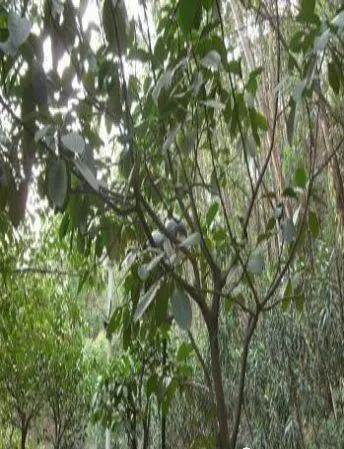
8. Cockscomb Erythrina
Light thinning: Remove about 10% of the branches, first removing weak branches, diseased branches, dead branches, crossing branches, and overly dense branches.
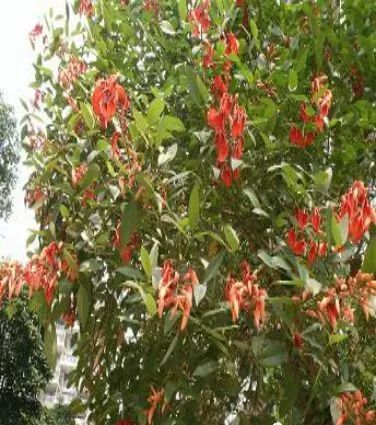
9. Bauhinia
Heavy pruning, cutting off 2/3 to 3/4 of the branches, is a safe way to prune this type of flowering shrub. It is relatively easy to prune, and the flowers will not be damaged no matter where you cut it.
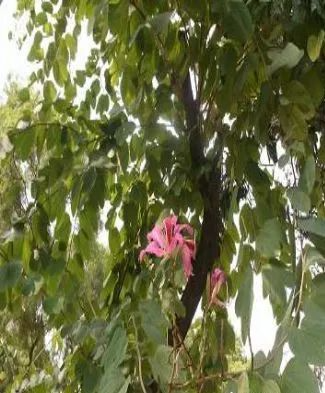
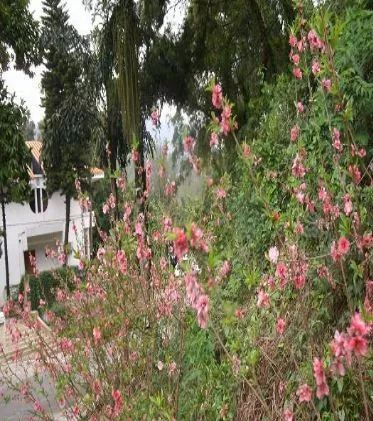
10. Peach blossoms
Ten to fifteen days after the flowering season each year, prune the branches that have already bloomed back to their original length, cutting off two-thirds to three-quarters of the total length of the branches.
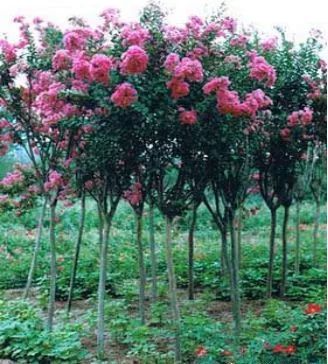
11. Lagerstroemia speciosa
Ten to fifteen days after the flowering season each year, severely prune the branches that have already flowered, leaving only 2 to 4 dormant buds at the base of the spring shoots, and cutting off the rest.
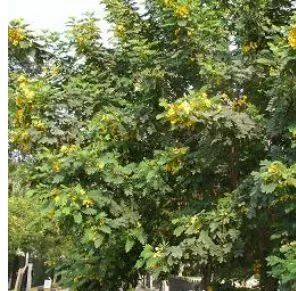
12. Yellow Locust
Every year in late May, the tree is pruned back, with the cut end 2 centimeters high, to maintain its beautiful shape and protect it from typhoons.
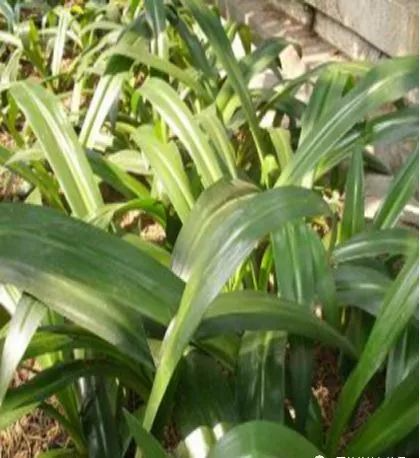
13. Spider Orchid
Cut the dormant part above the soil layer to promote vigorous germination and reduce pests and diseases.
14. Himalaya
Prune back the branches, cutting off 3/4 of the flower stalks to control the height. After 3-4 years, prune them back again to regulate growth and prolong their lifespan.
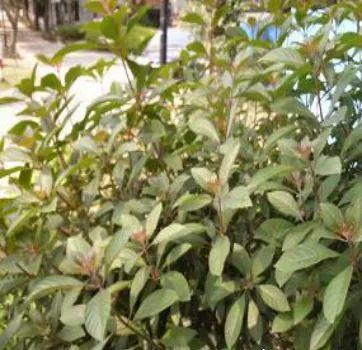
15. Needle palm
When the needle palm reaches 1.5-2 meters, cut off the fibrous roots around the base and apply fertilizer to stimulate the growth of the main root.
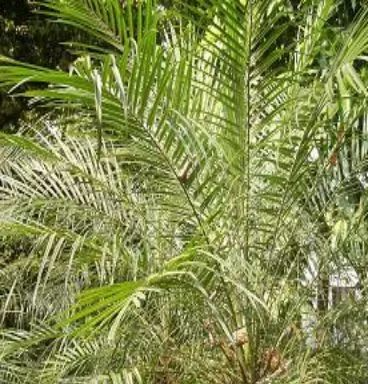
16. Red Bougainvillea
Prune in spring and summer to cultivate the main branches and select lateral branches. Retain branches that are showing signs of flower bud differentiation and thin them out.
Excessive vegetative growth; avoid overly heavy pruning of pink bougainvillea during spring and summer, as this will significantly reduce the number of flowers.
17. Pittosporum tobira
A typical natural shape fully embodies natural beauty. It should be pruned back within a few years.
18. Osmanthus
Pruning season: Generally after flowering or in early spring when buds sprout, cut off the entire tip of the branch at 2/3 to 3/4 of its length.
19. A String of Red Flowers
Remove the flower buds once a month and apply foliar fertilizer once a month to encourage re-blooming.
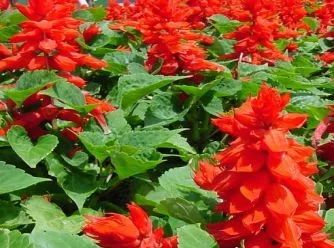
20. Peony
From mid-March to early May, remove flower buds and some withered flowers from flowering peonies to reduce nutrient consumption.
21. Red pom-pom
The flowers of the Red Velvet Ball grow singly at the tips of lateral branches. If it is not pruned heavily every 2-3 years, it will be difficult for it to bloom profusely.
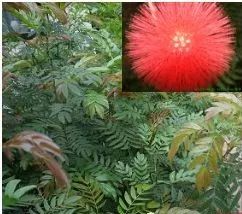
22. Fishtail Palm
Fishtail palms are generally best grown to a height of 5 meters. If they exceed 5 meters, old main branches should be pruned, while new buds should be retained at the base.
23. French Holly
Plant hedges; they grow upright and rapidly. Prune weak branches and control the height by cutting them flat as needed.
24. Wild Peony
In spring and summer, pinch off the tips and prune away any overly long branches.
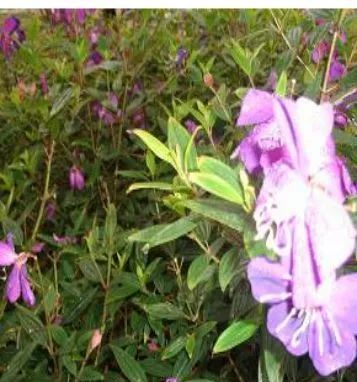
25. Pentasting Flower
During spring and summer, prune or re-prune monthly.
26. Areca palm
It is often used for solitary planting or clump planting, reserving main branches, and pruning small shoots growing from the roots.
27. Michelia champaca
For plants that have entered flowering age, pruning should be minimal, focusing on nurturing and protecting older branches. Pinching can be done when flower buds differentiate.
28. Iris
Cut off the spent flower stalks 10 days after the flowering period.
29. Hard-stemmed Yellow Jasmine
10-15 days after flowering, prune back the branches, cutting off 3/4 of their total length.
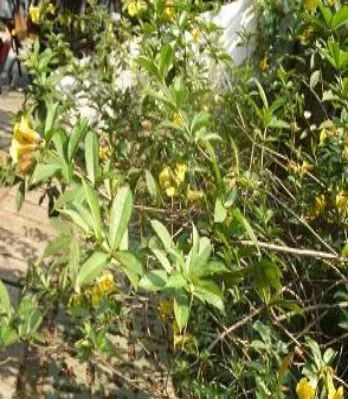
30. Rhododendron
It blooms in February and March, and leaves mostly turn yellow after 2-3 years. After flowering, the branches should be pruned to medium to heavy. Strong branches will sprout from the base.
31. Gardenia
In the early stages of flowering, to reduce nutrient consumption and promote vegetative growth, some flower buds should be removed to make the flowers more vibrant and larger.
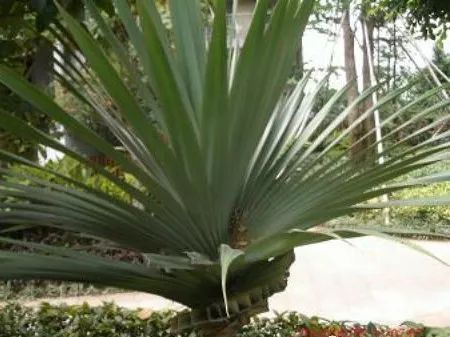
32. Red Thorn Pineapple
Use natural pruning to remove the old leaves at the bottom and clean the base of the old leaves.
33. Peace Lily
It blooms every March, and the flower branches are cut off from the base after the flowering period.
34. Leek Orchid
Flowering season is from April to June. After the flowering season, cut off the flower stalks as soon as possible to promote root growth.
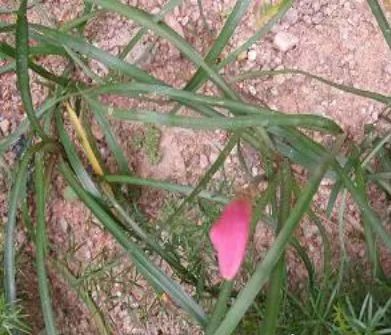
35. Big Hibiscus
In spring and summer, prune branches that retain flower bud differentiation, cultivate main branches, and select and retain lateral branches.
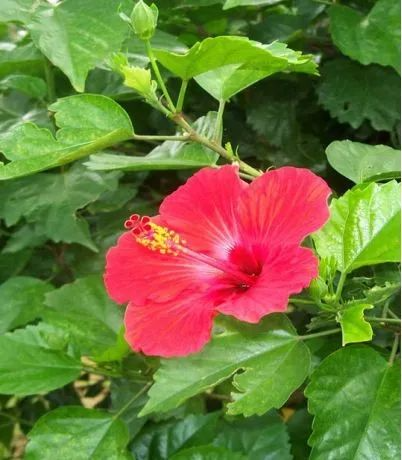
36. Camellia :
It is necessary to remove the buds appropriately, leaving only 1 to 2 flowers on each small branch. If all the flowers open, it will seriously affect its future growth.
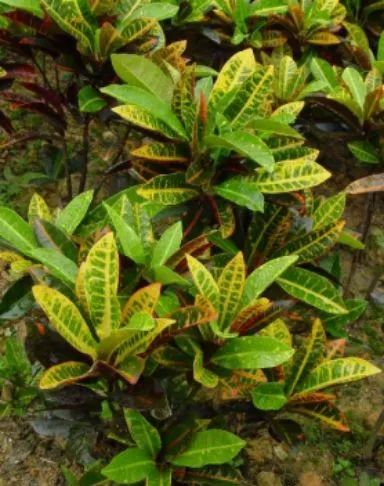
37. Croton
In spring, it is best to prune to 1/4 of the height, and after one year, prune back to 10 cm.
38. Large-flowered pomegranate
Ten to fifteen days after the flowers fall, the leaf buds begin to swell. Before they sprout, the flowering branches should be pruned back to medium or heavy pruning.
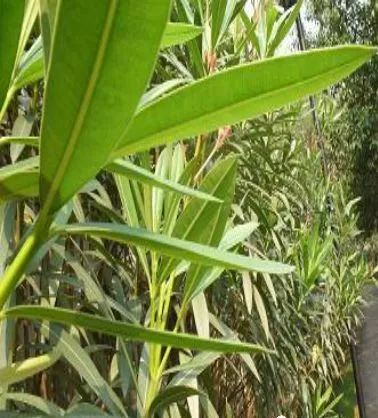
39. Red Oleander
Heavy pruning usually results in the plant rarely flowering in the same year. Moderate to light pruning should be done in early spring, and the plant may flower in autumn.
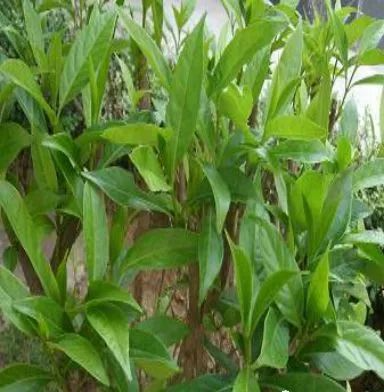
40. Dogtooth Flower
During dormancy, prune back the branches by 1/3 of their total length to stimulate new growth.
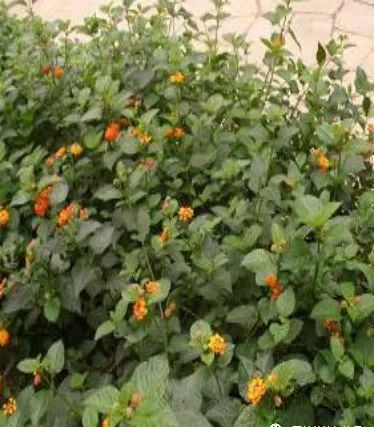
41. Yellow Lantana
The branches are slightly upright. Because the branches are relatively weak, they are usually pruned and the tips are trimmed. When planting hedges, heavy pruning is used to make them flat and beautiful.
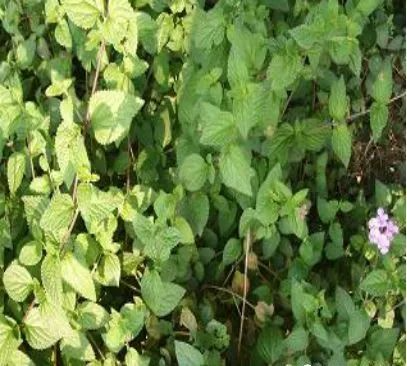
42. Purple Lantana
Every 2-3 years, prune back the soil, leaving 5 cm above the soil layer to rejuvenate it.
43. Forsythia
Prune during the hibernation period, leaving 3 cm above the soil layer for concentrated nutrient-producing shoots to grow into strong flowering branches the following year.
44. Firecracker Red
Cut off the flowering branches from the base 10-15 days after the flowering period each year.
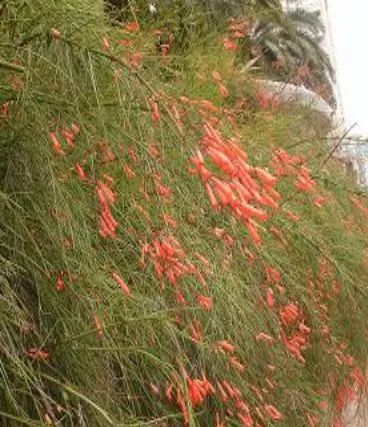
45. Firecracker Flower
Prune away dead and dry branches. Perform a pruning every three years, cutting off branches more than 10 centimeters from the base.
46. Ivy
Adsorption plants prune the branches around the gaps to encourage the growth of lateral shoots to fill the gaps.
47. Quisqualis indica
Prune irregularly. After the flowering season each year, remove dead, old, and diseased branches, and select healthy branches for pruning to encourage early flowering.
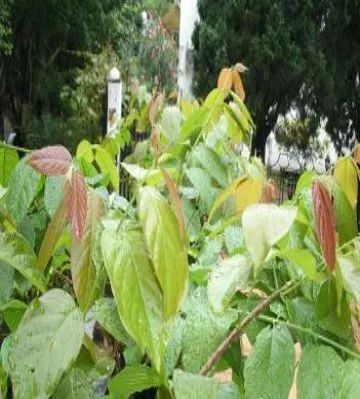
48. Gold and Silver
After flowering, select healthy branches and prune them to encourage the growth of lateral branches. Every 2-3 years, cut them off 10 cm from the base.
49. Golden Peanut
In spring and summer, prune overgrown branches, and pinch off the tips of diseased and insect-infested branches, and trim the edges.
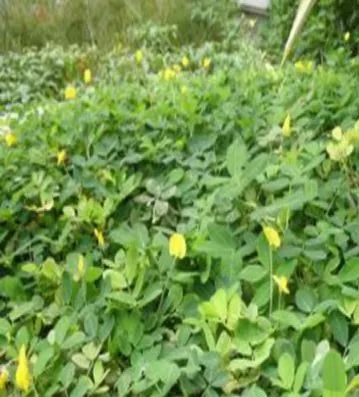
50. White Butterfly
For large-scale planting, prune long branches along the edges and promptly remove withered and yellow leaves.
51. Taiwan Grass
The lawn should be mowed to one-third of its height. (Ecological mowing method: After repeatedly shredding the grass with the rotary blades of a modified lawnmower, the grass clippings are scattered on the lawn to increase its fertility.)
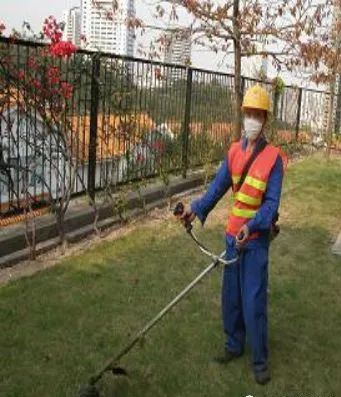
52. Murraya paniculata
Each pruning should be 1 cm higher than the previous one. Every spring, prune back 10 cm. After many years of planting, the root system ages, and the main branches weaken, requiring pruning back. Half the length of the hedge.
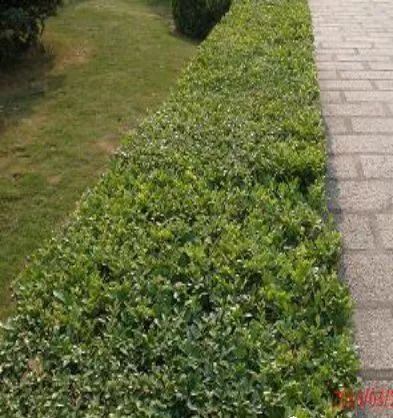
53. Purple Bougainvillea Ball
Typical manual pruning involves pruning each time the plant is 1 cm taller than the previous pruning. The plant should be shortened by 5 cm per year. (For purple bougainvillea, non-ball-shaped: shorten the main branches around the gap to encourage the growth of lateral shoots to fill the gap.)
54. Huang Rong
Each trimming should be 2 cm higher than the previous one. The length will shrink by 10 cm per year.
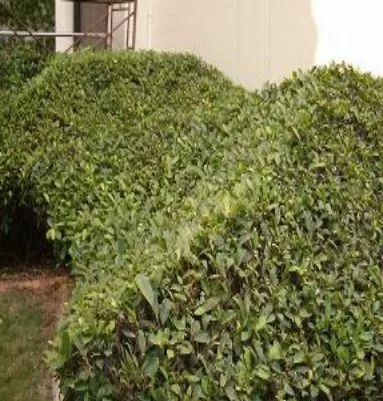
55. Fujian Tea
Each trimming should be 1 cm higher than the previous one, and a 5 cm reduction trimming should be done annually.
56. Golden Leaf
Each pruning should be 1 cm higher than the previous one, resulting in a shrinkage of 8 cm over a year.
57. Red-flowered Loropetalum
Each time you prune, the height should be 2 cm higher than the previous pruning, resulting in a 10 cm shrinkage per year.
58. Golden Partridge Bamboo
In spring and summer, each time you prune the bamboo, the top should be 3 cm shorter than the previous time, and the sides 2 cm shorter.
59. African Jasmine
Each trimming should be 1 cm higher than the previous one, and the length should be reduced back to the size required for the site each year.
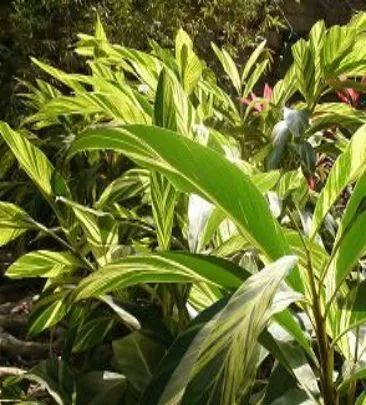
60. Variegated Alpinia
After flowering, cut the branches off at the base, and new buds will grow from the base.
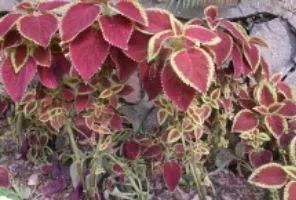
61. Coleus
For foliage plants, select healthy branches and use pinching and topping methods.
62. Duckleg
Each time, prune one-third of the branch from the tender bud to stimulate the growth of dormant buds and ensure dense foliage. Prune any overly long branches. Regularly prune the tender buds of the schefflera branches or remove the tips to encourage new growth on the main branches.
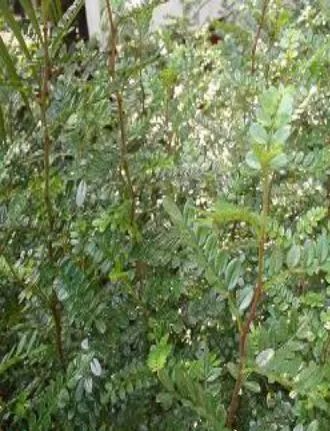
63. Pepperwood
Pruning can be done by removing 1/4 of the height using the branch-cutting method. For hedges, prune back the branches annually in the spring.
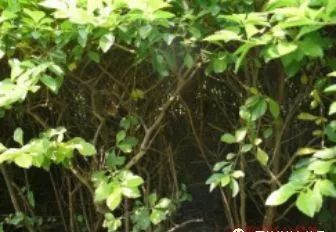
64. Variegated False Forsythia
Prune every two weeks during spring and summer, each time increasing the height by 2 cm, and shortening by 10 cm annually.
65. Baby's Breath
Prune once a year, cutting off the top 2 cm of soil.
66. Red Mulberry
Prune heavily during hibernation, cutting off all roots up to 10 cm above the root.
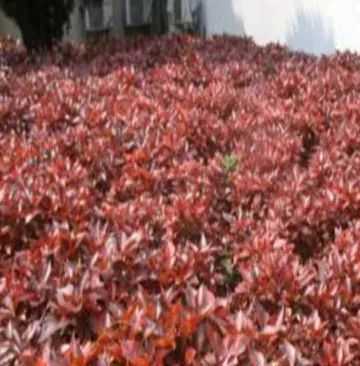
67. Red-backed laurel
It tolerates pruning and is suitable for potted plants. When planting in large areas, prune any overgrown branches.
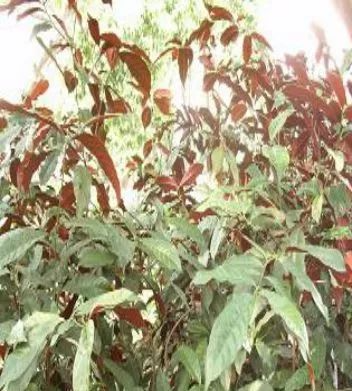
68. Seven-Colored Hibiscus
Suitable for shaping, trim 3 cm each time, and trim back once a year.
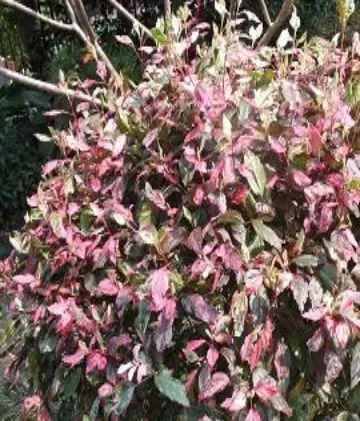
69. Red Iron
For foliage plants, prune moderately once a year, cutting back to ¼ of the height of the branches.
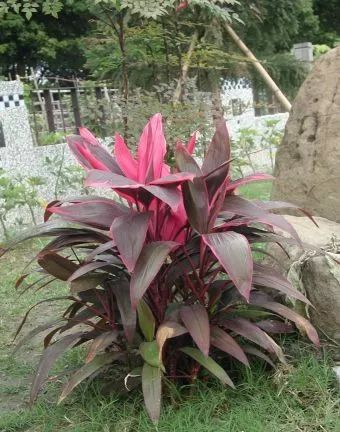
70. Milan
Suitable for hedges and bonsai, each cut is 2 cm high, and the plant should be pruned back every three years.
71. Yellow Oleander
The hedges were planted using a heavy pruning method, cutting off more than 20% of their height.
72. Large-leaved red grass
Red grass is mainly planted as a hedge, and it should be pruned in a regular manner, with neat lines and uniform height.
73. Golden Vein Acanthus Bed
Pruning should be moderate, removing about 1/3 of the branches. In summer, excessively long branches should be pruned periodically using the method of selective cutting.
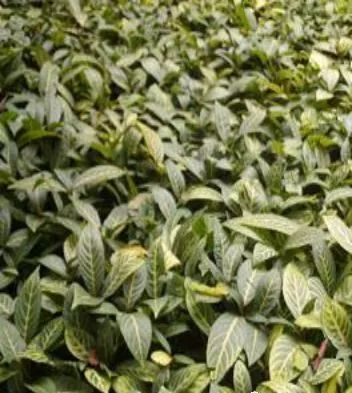
74. Nanyang Forest
Prune in spring and summer. Each pruning should retain new leaves, resulting in a 15 cm reduction in length per year.
75. Hawthorn
When planting hedges, the pruning should ensure neat lines and uniform height. During dormancy, dead and dry branches should be removed.
76. Octagonal Gold Plate
It is evergreen all year round, suitable for single planting, and does not require frequent pruning. Just trim the dead and diseased leaves.
77. Cold Water Flower
For bonsai cultivation, especially on a large scale, use pruning techniques, cutting off 3/4 of the bonsai each year.
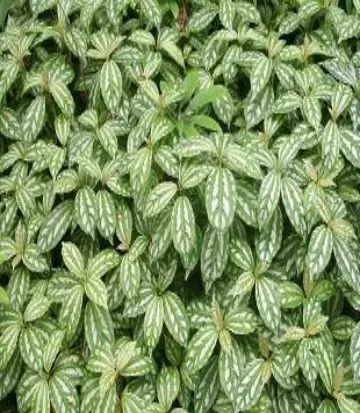
78. Duck Tongue Grass
During hibernation, prune back the vines as needed, depending on the available space.
79. June Snow
When pruning Serissa japonica, firstly, old branches should be cut flat from the budding point, without leaving any stubs.
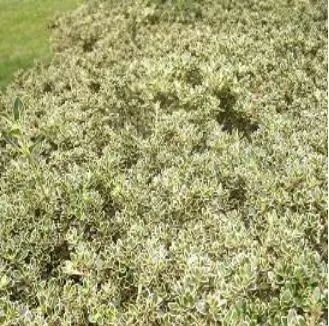
80. Lingxiao
When using trumpet vine as a hedge, each trimming should be 1 cm higher than the previous one, and it should be trimmed back once a year.
81. Wisteria
Remove fallen leaves and dead branches to ensure even distribution of branches on the trellis. Prune old vines to encourage new vines to grow stronger.
82. Water iris
Aquatic plants bloom in February each year, but the flowering period is short. After the flowering period, the flower branches should be cut off from the base in time.