Plant Protection Early Warning | Key Techniques for the Prevention and Control of Diseases and Pests in Garden Plants in April
This is a crucial month for the prevention and control of diseases and pests in garden plants. Close observation is essential, and timely prevention and control should be carried out at the appropriate time. Today, Tree Doctor has compiled a list of common garden diseases and pests for your reference.
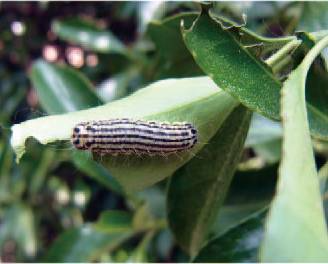
▲Large-haired moth larvae of the large-leaved boxwood
The boxwood leafminer moth is a lepidopteran pest that occurs in April. It overwinters as eggs, which hatch from late March to early April. The larvae congregate and damage the tender buds and leaves of the host plant. After the fourth instar, they disperse and can devour all the new shoots and leaves within a few days. The larvae have the habit of spinning silk and spreading with the wind; please take precautions depending on whether the new buds of the large-leaved boxwood have unfolded.
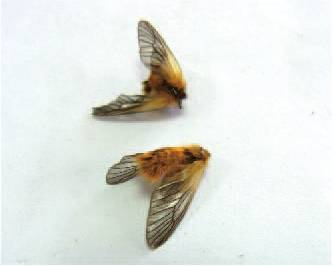
▲ Adult long-haired moth of Buxus macrocarpa
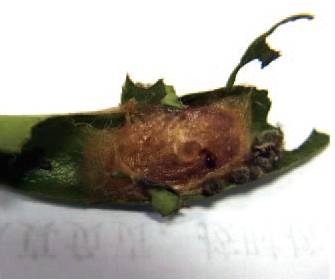
▲The cocoon of the long-haired moth in the large-leaved boxwood

Prevention and control measures
1. Manually remove egg masses or densely packed young larvae;
2. Spray with a 1.2% matrine emulsifiable concentrate at a dilution of 1500 times or a 20% diflubenzuron solution at a dilution of 5000 times.
2. Boxwood moth
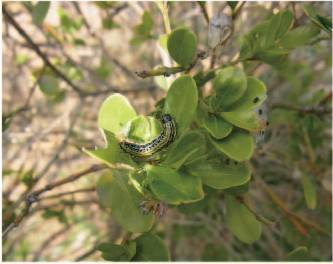
▲Old larvae of the boxwood borer
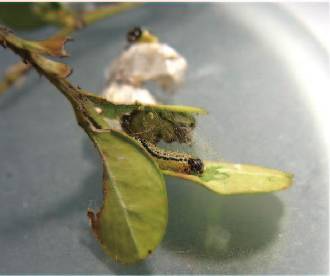
▲Feeding of overwintering larvae of the boxwood borer
This insect primarily infests shrubs such as Buxus microphylla and Buxus chinensis, causing severe bareness. It has two generations per year, overwintering as second-instar larvae that attach leaves to the ground. Damage begins now, with the larvae reaching peak infestation in mid-April and entering their voracious feeding phase in May. Controlling the overwintering generation is crucial throughout the year; thorough control is essential to manage the insect population.
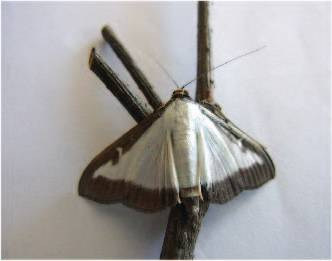
▲ Adult boxwood borer
Prevention and control measures
1. Manually removing dead branches and curled leaves and disposing of them in a centralized manner can effectively reduce the source of insects;
2. You can use a 1.2% nicotine emulsifiable concentrate diluted 1000 times or a 3% high-penetration phenoxycarb solution diluted 3000~4000 times as a spray.
In April, trunk-boring pests begin their damaging activities, mainly including the rust-shouldered longhorn beetle, the sclerotium-shouldered longhorn beetle, the ailanthus weevil, and the two-striped longhorn beetle. Besides manual injection of pesticides, control measures should be implemented based on the specific habits of each pest. Spraying the tree trunk can also be used for control.
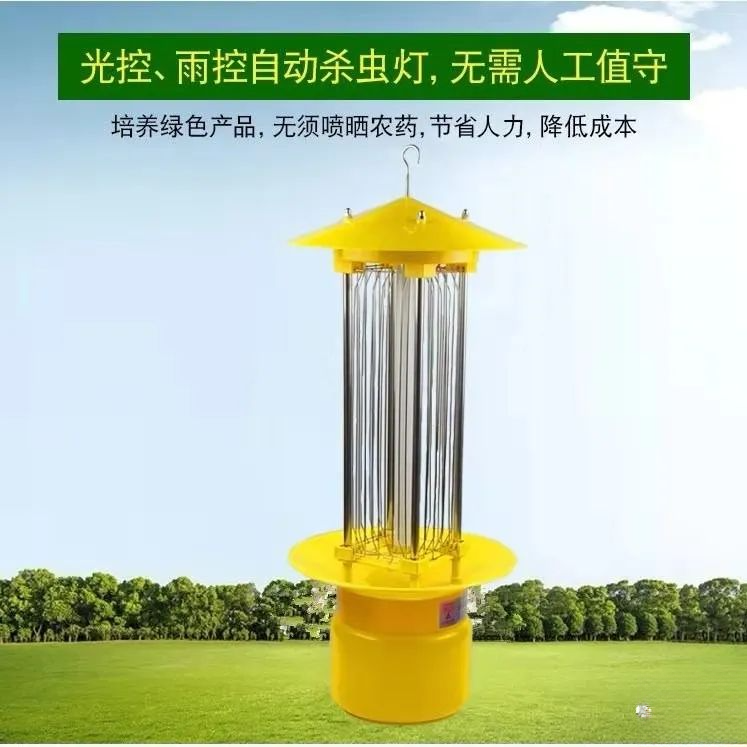
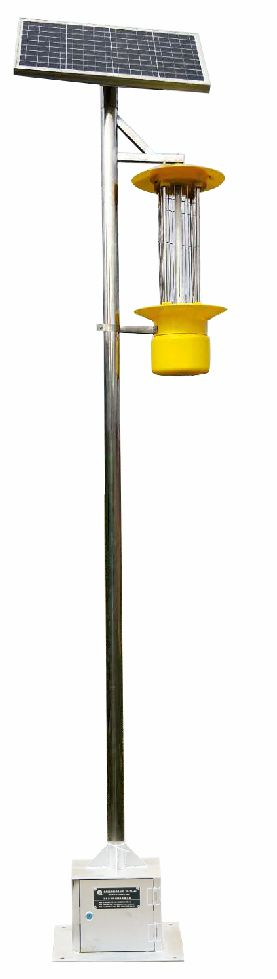
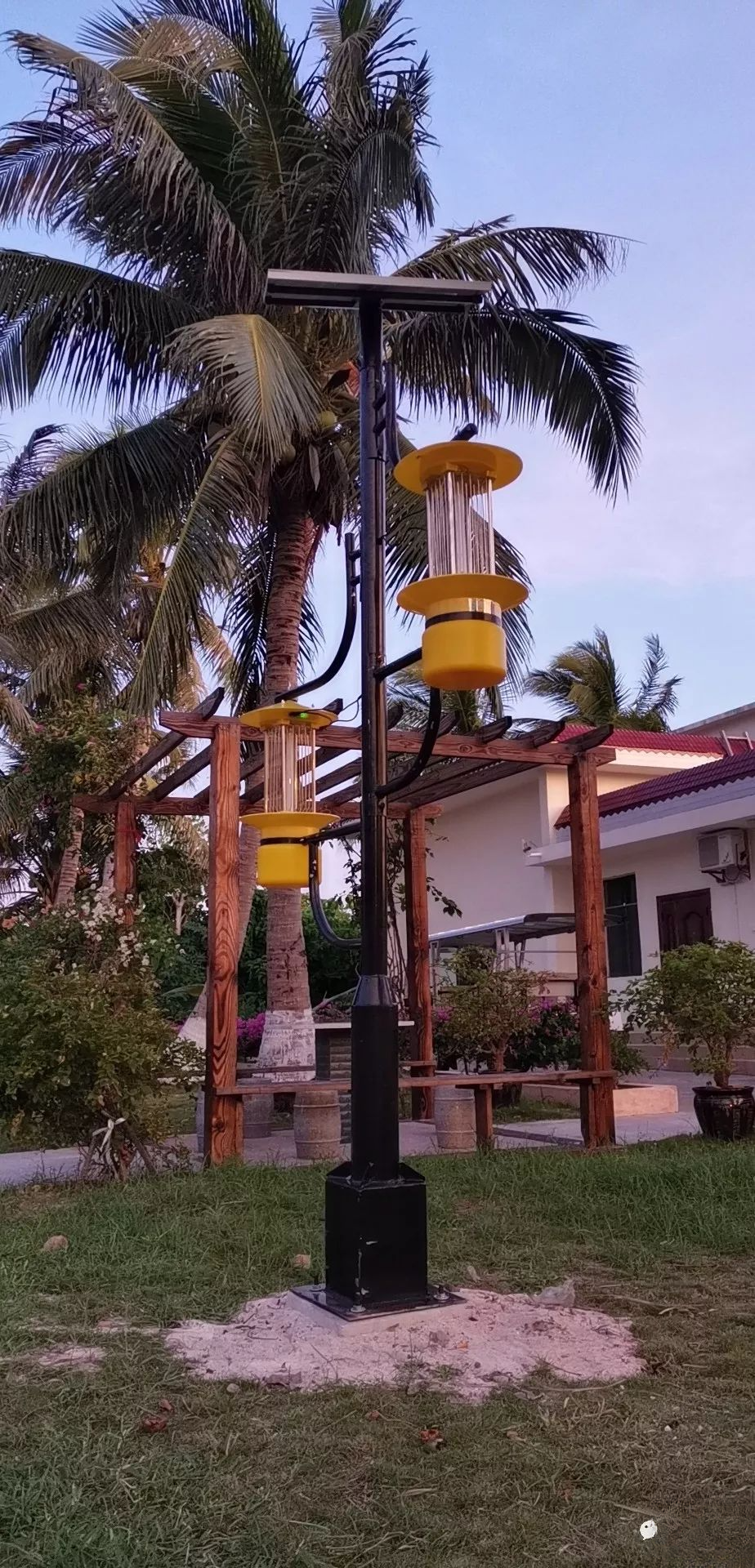
Insecticidal lamps can attract and kill a wide range of pests, including: adult beetles, mole crickets, cutworms, armyworms, wheat moths, rice stem borers, rice leaf rollers, rice planthoppers, leafhoppers, cotton bollworms, tobacco budworms, pink bollworms, mirid bugs, bridge-building insects, corn borers, striped stem borers, stem borers, soybean pod borers, hawk moths, diamondback moths, cabbage borers, beet armyworms, white planthoppers, beet armyworms, herb beetle beetles, large grain beetles, small grain beetles, bean weevils, black mealworms, wheat moths, fruit-piercing moths, red stink bugs, peach borers, pine caterpillars, lampreys, fall webworms, poplar white moths, willow tussock moths, longhorn beetles, stalked longhorn beetles, spring loopers, large green leafhoppers, poplar leafrollers, birch loopers, pine longhorn beetles, and 1287 other major pests. Each lamp can control pests on 30-50 acres, suitable for nurseries, parks, upscale communities, and other similar locations. For lamp purchase inquiries, please call 15188366520 (WeChat ID is the same).
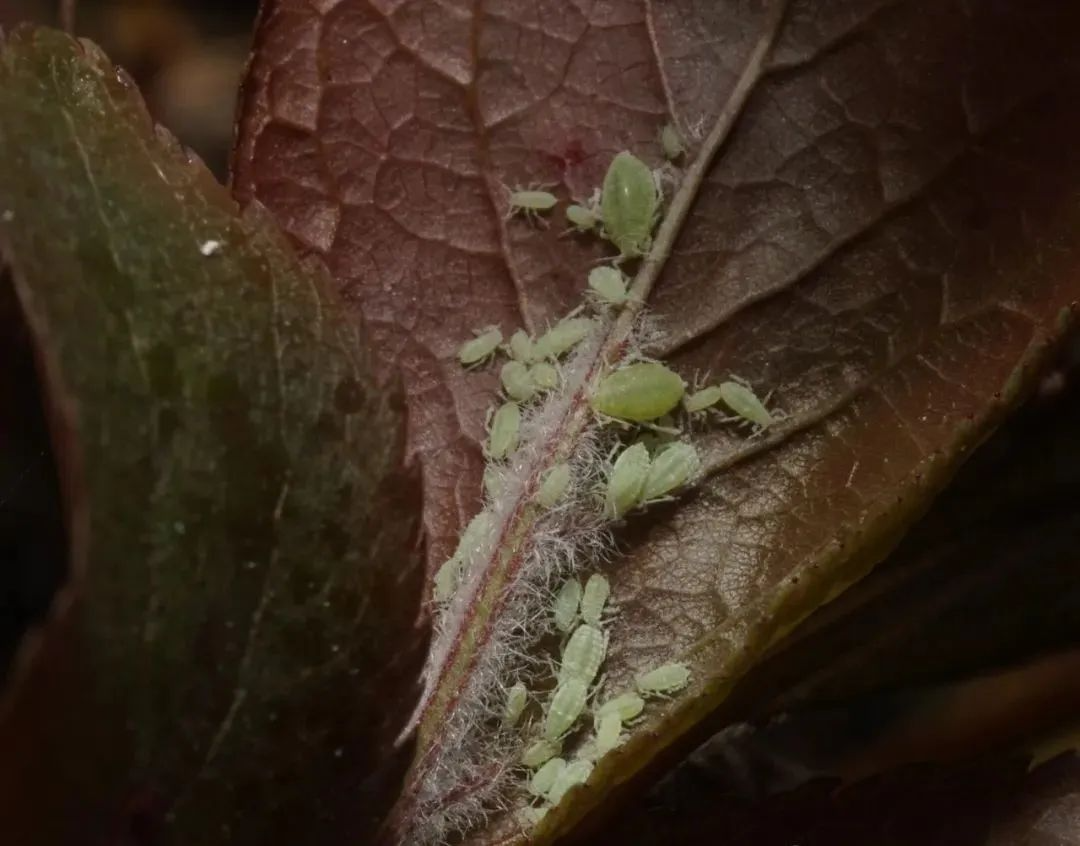
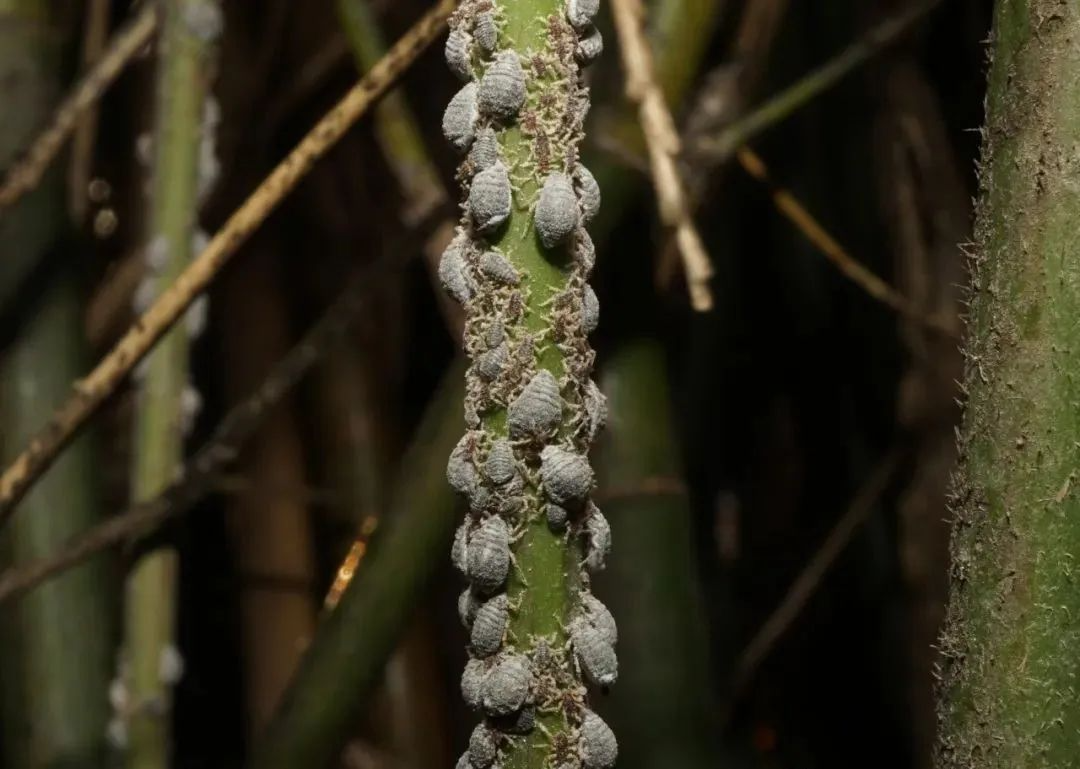
The aphids that should be prioritized for control include: peach aphid, rose aphid, willow black aphid, goldenrain aphid, and cotton aphid. Pesticides for aphid control include 10% imidacloprid wettable powder at a dilution of 2000 times, 1.2% nicotine emulsifiable concentrate at a dilution of 1000 times, or a 120-fold dilution of 45% crystalline lime sulfur mixture applied as a preventative spray in early spring .
Caution should be exercised when using organophosphate insecticides on Rosaceae plants such as peach trees to prevent phytotoxicity.
4. Scale insects
Various scale insects, including the grass scale and the white wax scale, have begun to become active and cause damage. Now is the best time for prevention and control.
Prevention and control measures
1. In early spring, spray the tree with an 80-fold dilution of 45% crystalline lime sulfur to kill overwintering larvae;
2. Manually remove the male white cotton fibers;
3. Spray with a 2000-fold dilution of 10% imidacloprid wettable powder during the nymph hatching period;
4. Protect natural enemies, such as flea wasps, aphid wasps, ladybugs, and lacewings.
5. Red spiders
From late April to early May, the first generation of nymphs infests the cypress trees, spinning webs and leaving a layer of dust on the leaves. The needles turn gray and yellow, severely affecting their ornamental value. To detect mites, shake a small branch in your palm several times; if you see small black dots crawling, it indicates an infestation, and you should spray pesticides promptly.
Prevention and control measures
Spray with 15% acaricide at 1500 times dilution, pyridaben at 2000 times dilution, or 20% trichlorfon at 1000 times dilution.
6. Toothless psyllid
The insects mainly overwinter as nymphs and a few scattered adults and eggs in the leaf axils and within the curled leaves of new shoots. The number of overwintering adults gradually increases from early February, with the peak adult emergence occurring from mid-February to late March, continuing into early April. The first generation of eggs is laid by overwintering adults in mid-February, and egg-laying can continue until late April. When nymphs congregate in tender shoots, the leaves generally curl inwards; in older shoots, they typically damage the undersides of leaves, causing the leaves to curl outwards, but the damage is less severe than in tender shoots. In areas of high insect density, twisted shoots are visible, and the leaves are covered with a large amount of sooty mold.
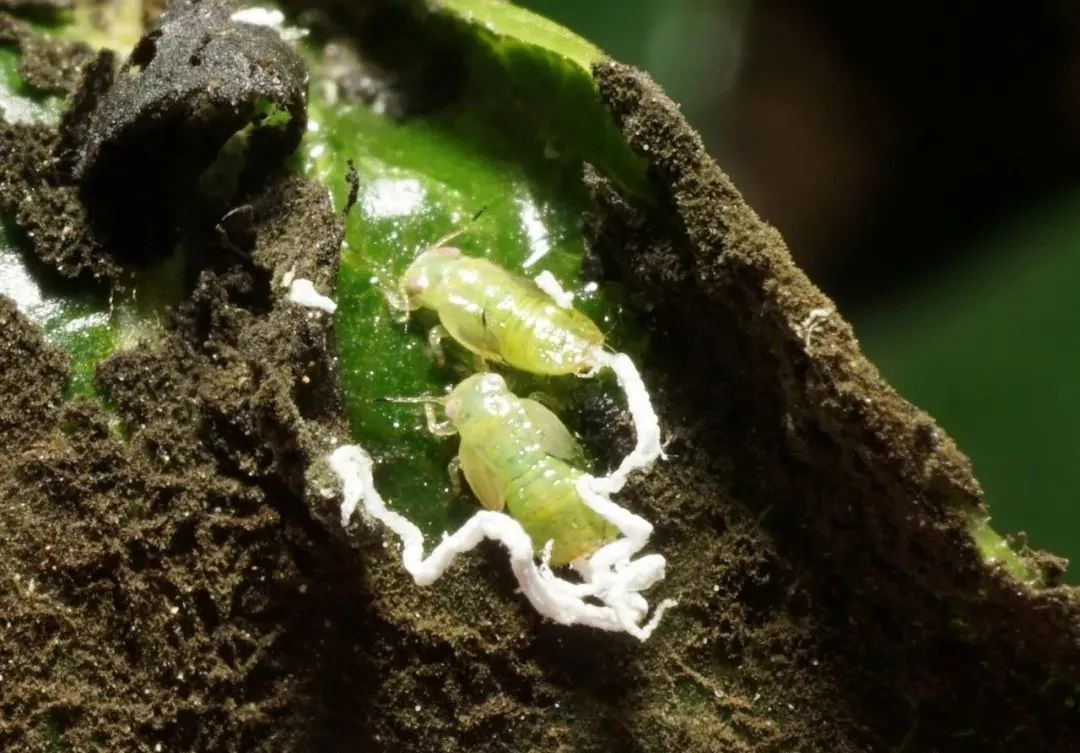
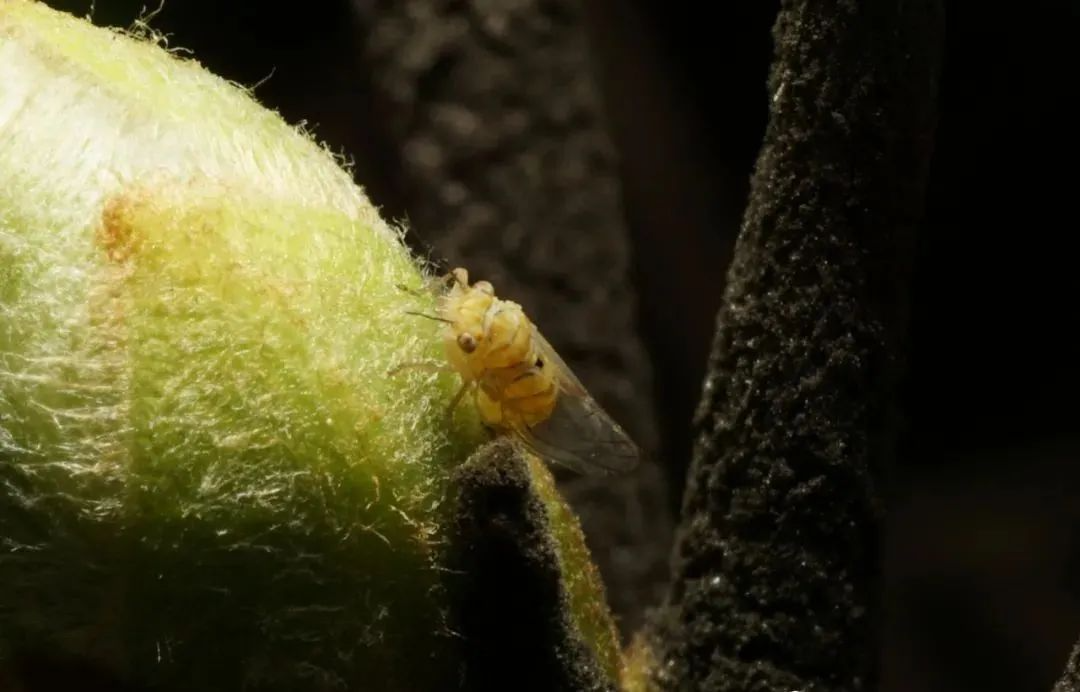
The damage caused by this insect to Pittosporum tobira is quite severe, resulting in obvious sooty mold and leaf curling. Close observation reveals that the insects are currently mainly adults and older nymphs, with a small number of eggs and newly hatched nymphs on some new buds. Areas where Pittosporum tobira are planted should monitor the occurrence of this insect and take timely control measures. Suitable pesticides include 5% acetamiprid at a dilution of 1000 times and 10% imidacloprid at a dilution of 800 times, used for spraying.
In April, some diseases are in their initial infection stage, such as powdery mildew of large-leaved boxwood and black spot of roses, so prevention is the main focus. The key target for control during this period is canker of various tree species, and the main control methods are to strengthen fertilizer and water management and apply chemical control agents.
7. Black pine branch rot
This disease is a common twig disease in Japanese black pine during spring. The ascospores of the fungus are spread by wind. Ascospore germination temperatures range from 15 to 28°C, with 25°C being optimal, and 100% humidity is required. The fungus invades the bark tissue through leaf scars, overwintering as mycelium within the bark, and symptoms appear the following spring. The cold winter and low spring temperatures last year, especially the rainy and cold weather before the new shoots sprout, were the main factors contributing to the outbreak of this disease.
8. Powdery mildew of Buxus macrocarpa
The pathogen causing powdery mildew in large-leaved boxwood is *Pyrrosia lingua*, which overwinters as mycelium and fruiting bodies on diseased branches or plant debris of the host plant. Conidia are produced in April and May and spread by wind and rain. Due to recent continuous rain and fog, resulting in high humidity, young shoots are susceptible to powdery mildew. Special attention should be paid to hedges that have been affected in previous years; preventative measures and control should be strengthened.
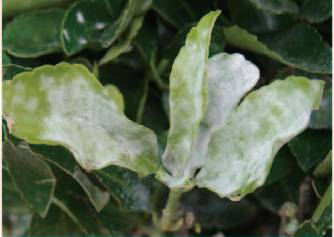
▲Powdery mildew of Buxus macrocarpa
Prevention and control measures
1. Strengthen management, pay attention to ventilation and light penetration to enhance tree vigor, and remove diseased shoots and leaves in a timely manner in conjunction with pruning and shaping to reduce the source of disease.
2. In the early stage of the disease, spray with 15% carbendazim at a dilution of 1500 times, or 12.5% cymoxanil at a dilution of 2000-3000 times, alternately, to prevent the bacteria from developing drug resistance.