Plant Doctor: Prevention and control of diseases and pests such as powdery mildew, black spot, and spider mites in roses!

Roses are notorious for being susceptible to pests and diseases, but many rose enthusiasts don't know how to identify them. This article summarizes some common rose pest and disease identification charts and provides corresponding prevention and control methods, which will be very helpful for rose lovers!
01
powdery mildew
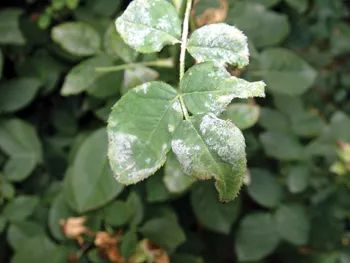
Powdery mildew is a fungal disease that affects roses and other plants in the Rosaceae family. It initially infects in mid-to-late May and spreads throughout June and July. After infection, a white powdery substance appears on the leaves and young shoots. In severe cases, leaves turn yellow and fall off, significantly impacting plant growth and flowering.
Prevention and control methods
Application of pesticides : During the spring growing season, alternate between using 500-800 times diluted mancozeb, chlorothalonil, carbendazim, and thiophanate-methyl. During the disease outbreak period, spraying with 70% thiophanate-methyl at a dilution of 1000-1500 times provides good control. After spraying, the powdery mildew layer on the affected areas turns dark gray, dries, and disappears. The plum rain season and autumn rainy season are peak periods for disease outbreaks. Summer's hot and humid weather also leads to severe outbreaks; during these periods, the interval between applications should be shortened.
Precautions for spraying : Generally, spraying is best done between 8:00 AM and 10:00 AM, and between 4:00 PM and 7:00 PM. Spraying is best done on sunny, windless days.
Note : Prevention is more effective than treatment for powdery mildew, so prevention is the best approach. Spray the above fungicide once every 7-15 days.
02
Black spot disease (black star disease)
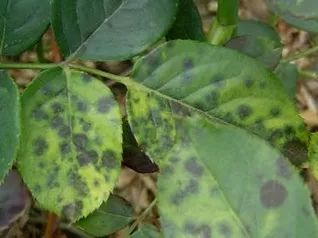
Rose black spot (black spot disease) is a fungal disease. Black spot overwinters on diseased plant debris and spreads via rainwater or sprinkler splashes; insects can also transmit it. The optimal temperature for disease development is around 26 degrees Celsius. During rainy seasons, host plants are more severely affected; newly transplanted plants, those with damaged root systems, and those with weakened growth are more susceptible. In the Beijing area, the disease appears in mid-May, with peak incidence from July to September. In the Yangtze River basin, two peak periods occur: May to June and August to September.
Prevention and control methods
Treatment : Use DuPont Fuxing 1000x concentration of mancozeb once every 7 days, alternating or mixed. Spray both sides of the leaves, cut off diseased leaves and burn them.
03
fleas
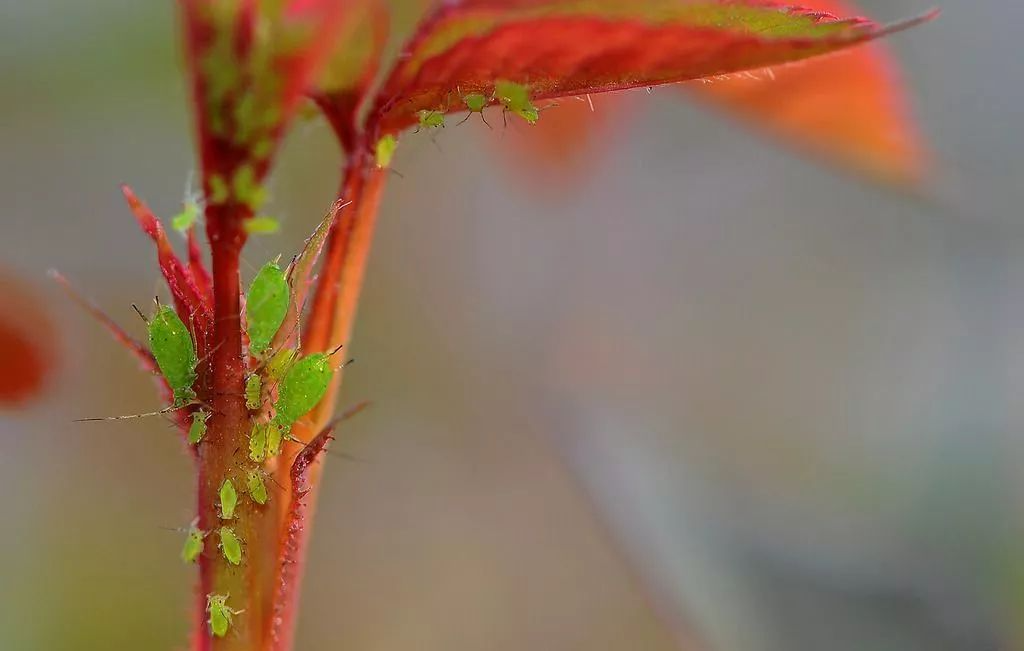
Aphids cause damage both directly and indirectly. Direct damage includes absorbing nutrients from the sap of young shoots, leading to deformed leaves and flower buds, malnutrition, and impaired photosynthesis. Indirect damage involves them piercing the surface of branches and leaves with their mouthparts, spreading bacteria and viruses, and increasing the likelihood of various diseases.
Prevention and control methods
Aphid control is very simple. Spray the plant surface with an 800-1000 times dilution of imidacloprid once every 7 days, 2-3 times in total.
04
Red spider mites
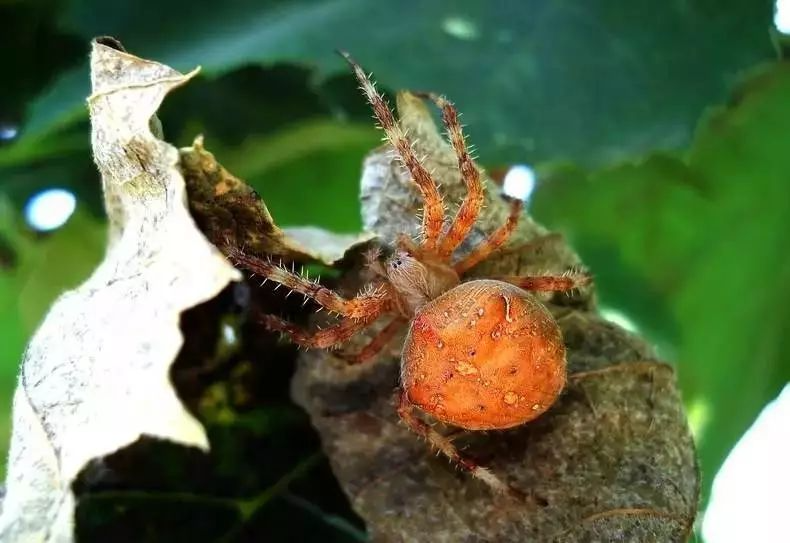
Spider mites are a common pest in flower cultivation. These insects are tiny, less than 1 mm in size, round or oval, and orange-yellow or reddish-brown. Because of their small size, they are difficult to spot, and by the time damage is detected, the flowers are often already severely affected. These insects feed by piercing the leaves with their mouthparts and sucking sap, destroying the chlorophyll and causing grayish-yellow spots or patches on the leaves, leading to yellowing, wilting, and even leaf drop. Spider mites reproduce rapidly, with a generation occurring in as little as 5 days. They thrive in hot, dry environments; therefore, under such conditions, their reproduction is rapid and the damage is severe.
Prevention and control methods
Apply a 1000-fold dilution of either Acaricide or Chlorpyrifos to both the upper and lower surfaces of the leaves and branches, alternating between the two applications. This should easily resolve the issue.
05
Downy mildew & blight
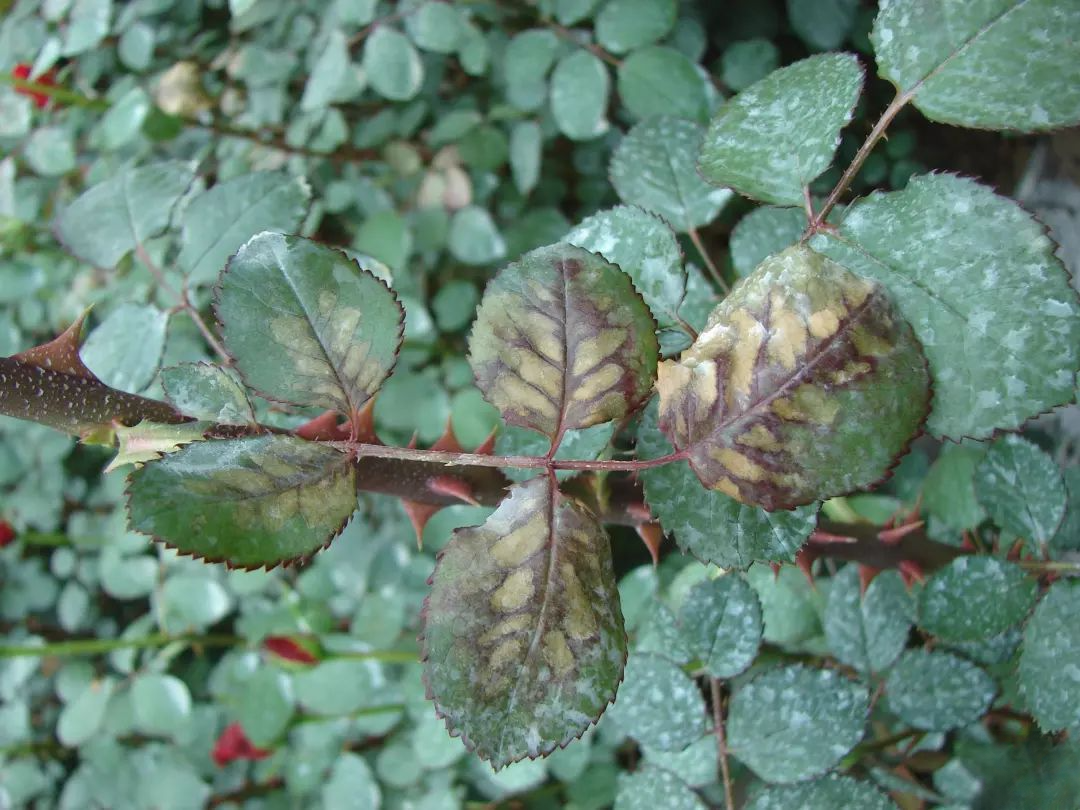
These two diseases usually occur together. This disease can occur at any stage from seedling to harvest, but is more severe in mature plants. It mainly affects the leaves, progressing from the base upwards. In the early stages, light yellow, nearly circular to polygonal lesions form on the leaf surface. It easily leads to angular leaf spot. In humid conditions, a frosty mold layer develops on the underside of the leaves, sometimes spreading to the upper surface. In later stages, the lesions wither and merge, turning yellowish-brown. In severe cases, all outer leaves turn yellow and die, resembling Verticillium wilt.
Prevention and control methods
1. Move the roses to a well-ventilated, dry place with plenty of sunlight.
2. Remove all diseased leaves and destroy them (important).
3. Alternately or in combination use 1000x dilution of Yikuaijing, 1000x dilution of Anthrax, and 1000x dilution of Silver Farad (Cymoxanil), once every 7 days for 3 consecutive times.
06
thrips
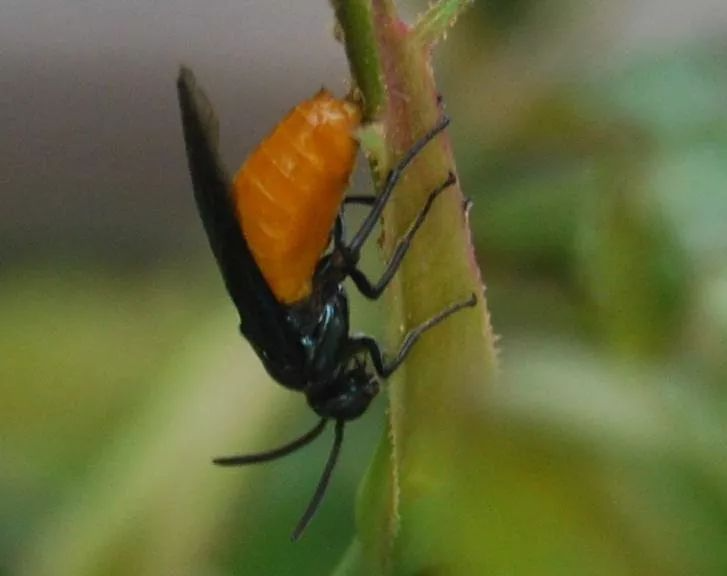
Thrips are insects that feed on plant sap, belonging to the order Thysanoptera in the class Insecta. The larvae are white, yellow, or orange, while the adults are brown or black. They damage leaves and flowers while feeding. Both adults and nymphs raspe and suck sap from tender plant tissues (twigs, leaves, flowers, fruits, etc.), causing damaged young leaves and shoots to harden, curl, and wither, resulting in slow plant growth.
Prevention and control methods
Spray the leaves with 800-1000 times diluted imidacloprid or acetamiprid (pay special attention to tender buds). 2-3 times and you're good to go. Also, because the tender leaves of roses are too smooth, the pesticide or fertilizer does not adhere well. You can add some organosilicon as an adhesion promoter when spraying pesticides or applying foliar fertilizer.