Plant Doctor: Prevention and control methods for diseases and pests such as brown spot, anthracnose, and whiteflies in osmanthus!
Osmanthus is an excellent garden tree species that combines greening, beautification, and fragrance, making it both ornamental and practical. Its fragrance is delicate yet far-reaching, truly exceptional. Especially in mid-autumn, when osmanthus trees are in full bloom, on a quiet, moonlit night, enjoying wine while appreciating their aroma is refreshing and invigorating. A considerable number of poems in ancient Chinese literature praise osmanthus. It has been deeply loved by the Chinese people since ancient times and is considered a traditional famous flower. However, osmanthus is susceptible to pests and diseases. Below, we will learn about common pests and diseases and their control methods.
Brown spot disease
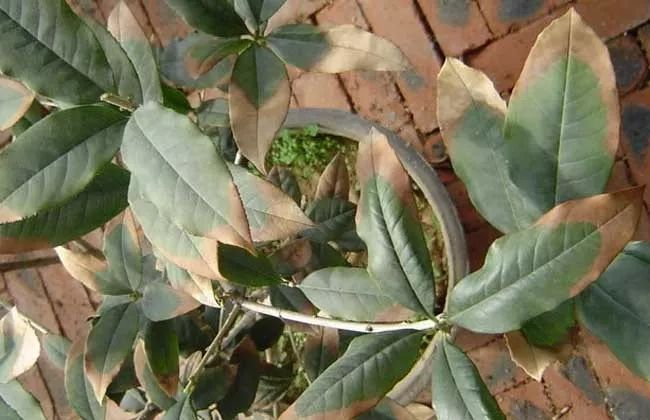
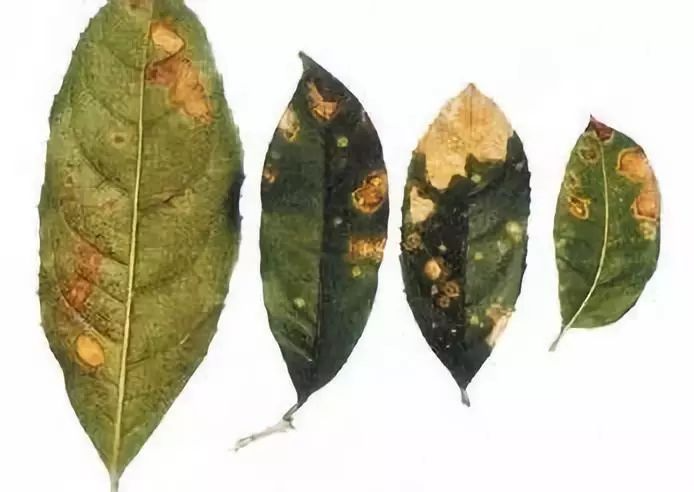
In the early stages of the disease, small, pale yellow spots appear on the leaves, gradually expanding into nearly circular lesions, 2-10 mm in diameter. The lesions are yellowish-brown to grayish-brown, with a yellow halo around the perimeter. Brown spot disease generally occurs from April to October, with older leaves being more susceptible than younger leaves.
Prevention and control methods
Combine pruning, remove diseased leaves, clear fallen leaves from the ground, and burn or bury them deeply to reduce the source of initial infection. This will be effective after two consecutive years.
During the disease outbreak, spray with 1:2:100 Bordeaux mixture (lime doubled), or 1000-2000 times dilution of 50% benomyl wettable powder, or 500-800 times dilution of 20% methamidophos, or 1000 times dilution of 50% mancozeb.
Leaf spot
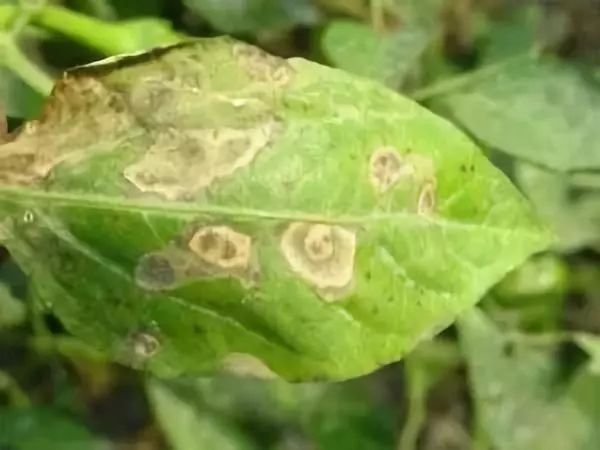
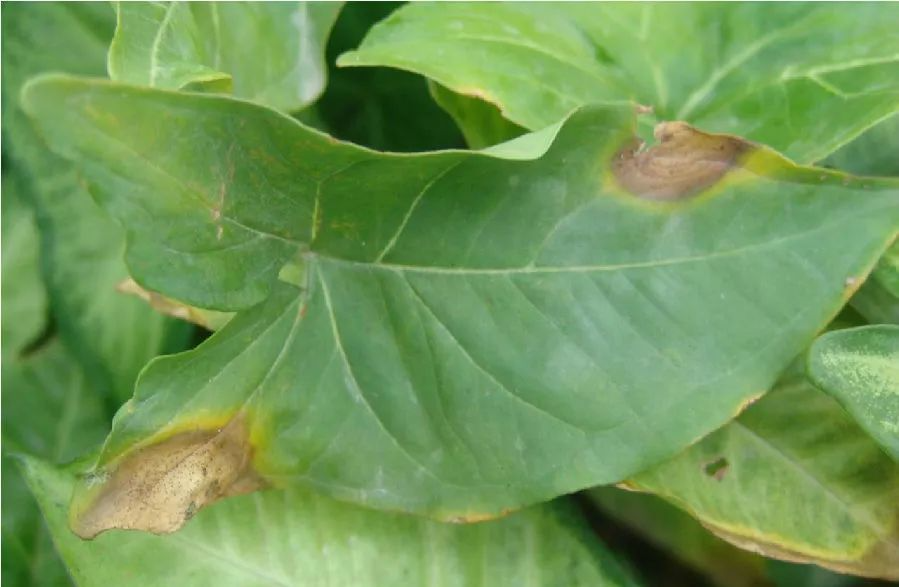
It occurs on the leaf margins and tips. In the early stages, small light brown spots appear on the leaves, gradually expanding into round or irregular lesions, later enlarging into large grayish-brown spots. Leaf spot occurs from July to November, but can occur year-round in greenhouses with poor environmental conditions. The pathogen spreads via wind and water through conidia.
Prevention and control methods
Remove diseased leaves in winter and burn or bury them to clean the field and reduce overwintering pathogens.
For chemical control, spray 50% thiophanate-methyl at 900 times dilution or potassium permanganate at 1000 times dilution when the seedlings are ready for transplanting. Generally, starting from late June, depending on the development of the disease, apply fungicides such as mancozeb at 600 times dilution, difenoconazole at 2500 times dilution, or other fungicides.
anthrax
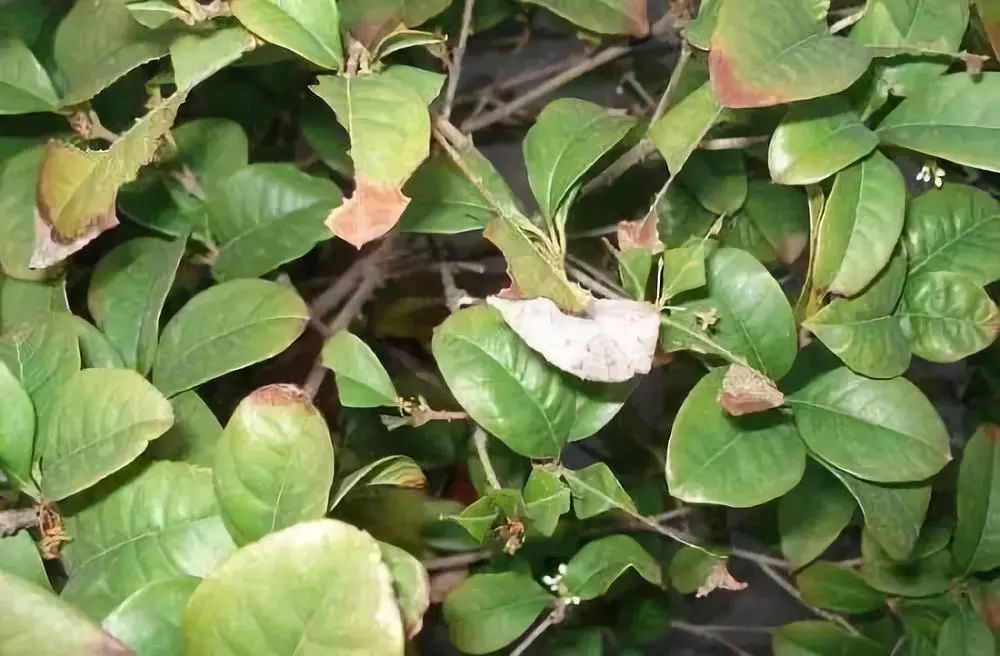
In the early stages of the disease, small chlorotic spots appear on the leaves, gradually enlarging to form round, semi-circular, or elliptical lesions. The lesions are light brown to grayish-white with a reddish-brown ring around the edge. Anthracnose occurs from April to June. The pathogen is spread by wind and rain.
Prevention and control methods
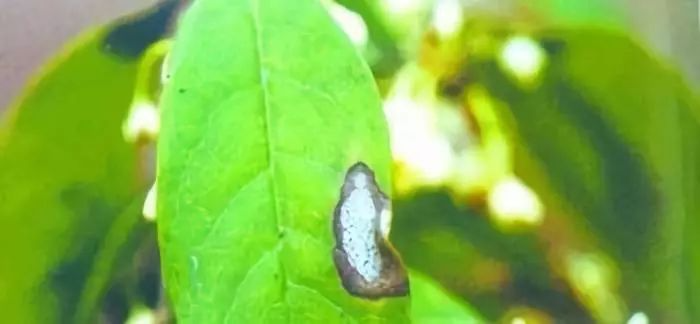
In winter, remove fallen leaves from the ground to prevent pathogens from accumulating overwintering. Disinfect the trees and ground with 1% Bordeaux mixture or lime sulfur solution with a density of 1.002-1.007.
Spray fungicides at the initial stage of disease. Suitable fungicides include 70% copper oxychloride at 300-500 times dilution, 25% carbendazim at 500 times dilution, mancozeb at 500 times dilution, cymoxanil at 500 times dilution, or other fungicides. Various fungicides should be used alternately or in combination.
Citrus psyllid
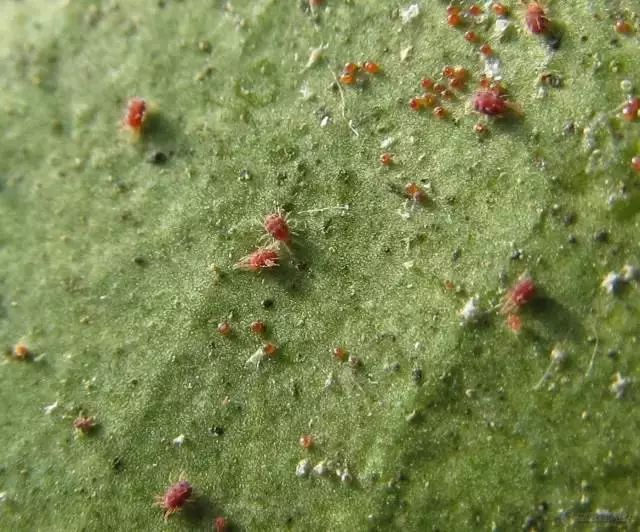
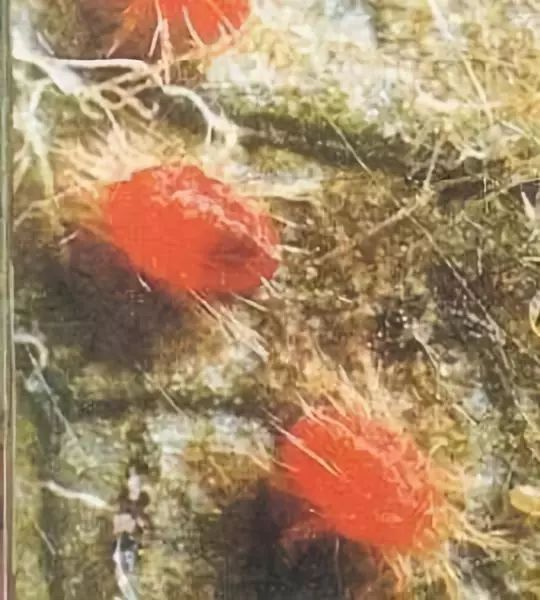
Morphology: Female adult mites are broadly oval, with a raised back, dark red or purplish-red in color, and tubercles on the back with white bristles. They have four pairs of claw-like legs with prominent ridges between the claws. Male adult mites are slightly smaller than female adult mites, with a slightly pointed abdomen that forms a rhomboid shape. They are bright red or brown in color and have four pairs of longer legs.
Prevention and control methods
The integrated prevention and control approach is adopted, which involves chemical control in the early stage, protection and utilization of natural enemies in the later stage, and strengthening maintenance and management throughout the year to enhance tree vigor.
In winter, spraying with a 600-800 times dilution of 20% dicofol wettable powder is effective. In early April, spraying with 20% dimethoate or 280% dichlorvos once a week for 2-3 consecutive weeks is effective against both adult mites and larvae. Applying dimethoate to the root zone of young plants is also effective, killing mites while protecting natural enemies.
Osmanthus butterflies
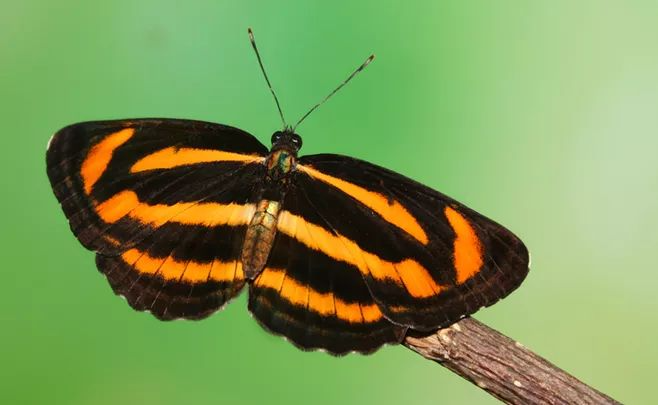
Morphology: The forewings and hindwings are mostly black. The forewings have a band of three rows of yellow spots along the outer margin, and the discal cell has three yellow markings. The hindwings have the same markings as the forewings. The head, thorax, and antennae are black, while the legs and abdomen are yellowish-gray with several black transverse stripes.
Prevention and control methods
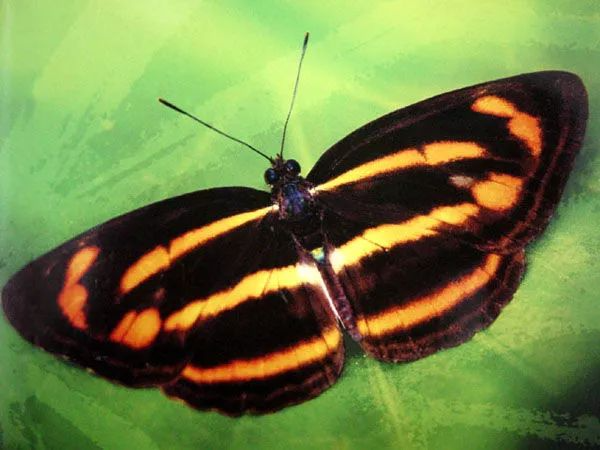
During the larval and pupal stages, regularly inspect the osmanthus plants and remove any larvae or kidneys found.
During the larval stage, spray with 1000 times dilution of 80% dichlorvos emulsifiable concentrate or 800-1000 times dilution of 90% trichlorfon technical grade to kill them.
Whiteflies
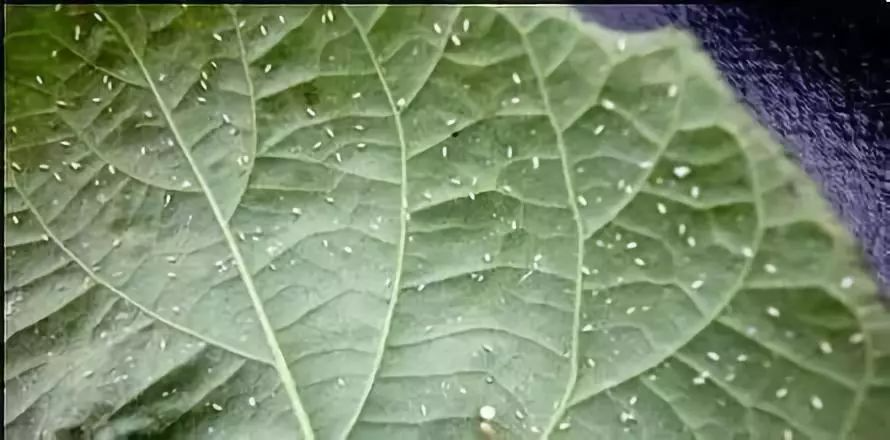
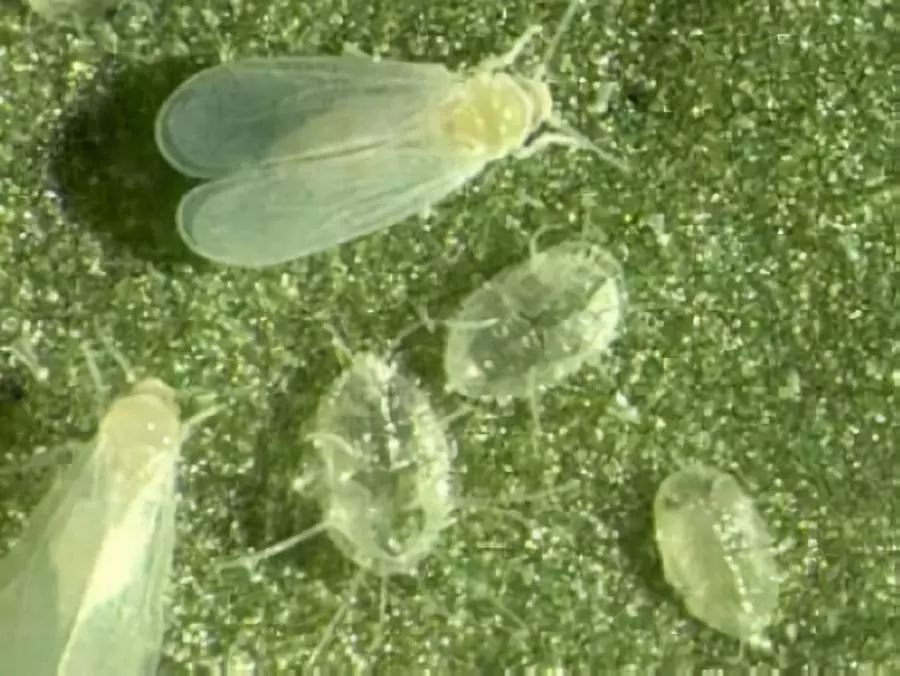
Appearance: Yellow, covered with white wax powder. Wings are translucent and also covered with white wax powder. Compound eyes are reddish-brown, divided into upper and lower parts, connected by a small eye in the middle.
Prevention and control methods
Proper pruning can improve ventilation and light penetration, thus reducing damage.
During the peak emergence of adults or when larvae are hatching in large numbers, 40% dimethoate EC, 50% malathion EC, 50% fenitrothion EC, or 90% trichlorfon at a dilution of 500-1000 times can be used. Recent reports indicate that spraying 2-3 times during the peak egg hatching period with 2.5% deltamethrin EC diluted 5000 times with water yields the best control effect.