Plant Doctor: Control methods for diseases and pests of Loropetalum chinense, including planthoppers, anthracnose, and dampingoff!
Loropetalum chinense, also known as red-flowered crape myrtle or red-flowered crape myrtle, is a plant mainly distributed in China and India. In my country, it is primarily found south of the Yangtze River. It has rich medicinal value, with its flowers, leaves, and roots all used in traditional medicine. However, Loropetalum chinense is also frequently threatened by diseases. Today, we'll discuss the common diseases of Loropetalum chinense and their prevention and treatment.
Lantern cicada
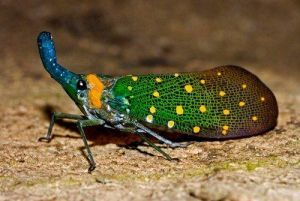
Planthoppers often use their ovipositors to cut off branches of the redbud tree and lay their eggs in the branch tissue, which is one of the main reasons why the branches wither and die. Planthoppers also use their piercing-sucking mouthparts to pierce the tissue of redbud branches and suck out the sap, causing the affected branches and leaves to wither and die.
Prevention and control methods
1. Spray with a 1000-fold dilution of 40% dimethoate EC or 80% dichlorvos EC during the infestation period.
2. After winter sets in, thoroughly remove the surrounding weeds and fallen leaves, and burn them to eliminate overwintering pests.
3. In conjunction with pruning, remove and burn the affected branches and leaves promptly to reduce the source of pests.
4. Protect the natural enemies of the planthopper, such as birds, ladybugs, and parasitic wasps. Longhorn beetles have a varied diet; adults gnaw on the tender bark of the branches and trunks of the redbud tree, while larvae bore into the trunk, usually from the base. The damaged branches and trunks develop holes filled with sawdust and insect frass. Control is generally achieved by manually capturing adults and hooking and killing larvae.
anthrax
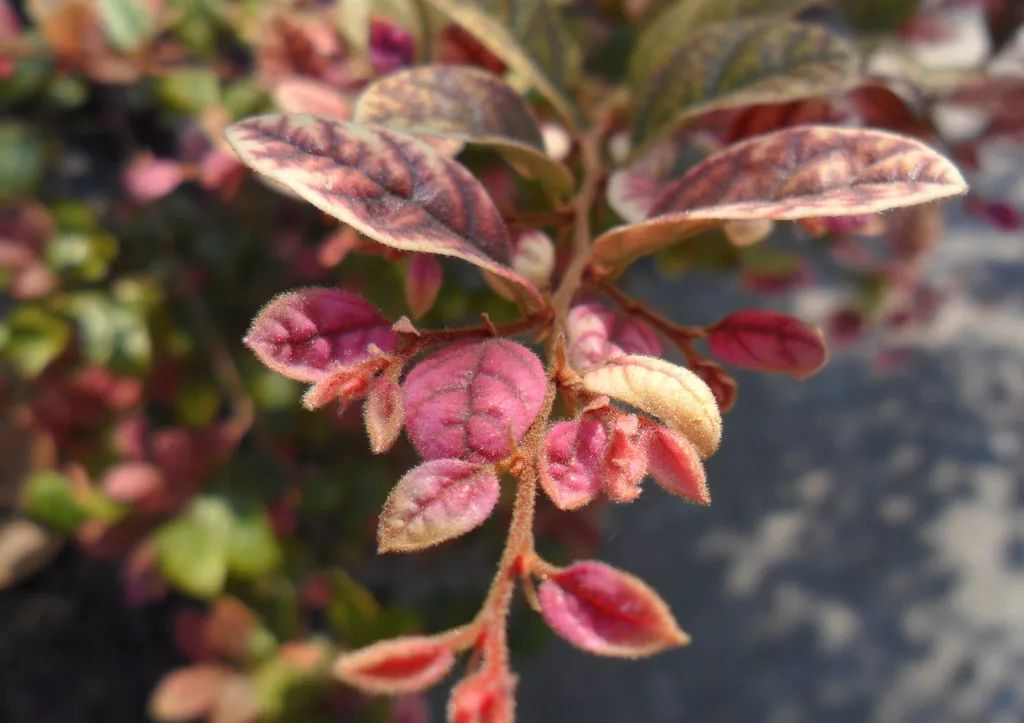
It primarily affects older leaves, basal leaves, and outer leaves. Because the leaves themselves are red, the lesions appear as black, round or nearly round spots, causing premature leaf drop. Damage is severe during the rainy season in July and August. The pathogen is *Actinomyces*. The fungus overwinters as mycelium on diseased leaves, serving as the primary source of infection for the following year.
Prevention and control methods
1. Remove diseased leaves and burn them to reduce the source of infection.
2. Improve management, strengthen field drainage, prune appropriately, and improve lighting and ventilation conditions.
3. Chemical treatment: Spraying with 70% thiophanate-methyl at 1000 times dilution or 75% chlorothalonil at 800-1000 times dilution; zineb at 800-1000 times dilution has a good control effect. If spraying multiple times, it is advisable to use different solutions to prevent resistance.
Damping-off
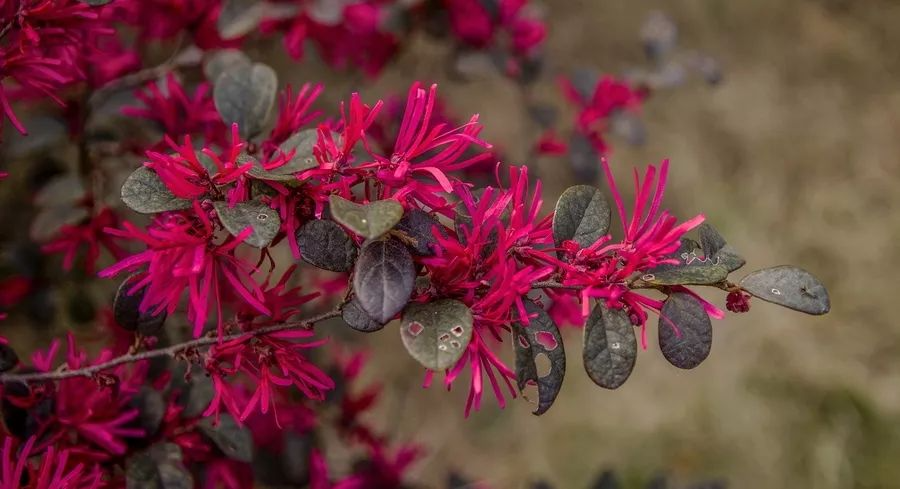
This is a serious disease affecting seedlings from early to mature plants. The pathogen attacks the seedling branches from the base and roots, causing dark brown, water-soaked lesions. The bark and xylem easily separate, and the plant then constricts, turning blackish-brown and dying. The pathogen is a fungus.
Prevention and control methods
1. Use disease-free new soil for transplanting, sowing, or cutting, and disinfect the soil.
2. Remove and destroy diseased plants. Fertilizers must be fully decomposed before use. Do not use fresh manure as base fertilizer.
3. Before transplanting or planting, sprinkle 20% pentachloronitrobenzene powder mixed with fine soil at a ratio of 1:30 on the seedbed soil, or use 4-6 grams of dichlorvos per square meter.