[Pests and Diseases] Prevention and Control of Common Pests and Diseases in Kalanchoe
Pests and Diseases: Control of Common Pests and Diseases of Clove
I. Fungal Diseases
The main fungal diseases affecting Kalanchoe include: leaf spot, black rot, mosaic virus (Green Island virus), and powdery mildew. Leaf spot and black rot are generally not a major problem if detected early and treated promptly, but powdery mildew is a more difficult fungal disease to treat.
1. Leaf spot disease
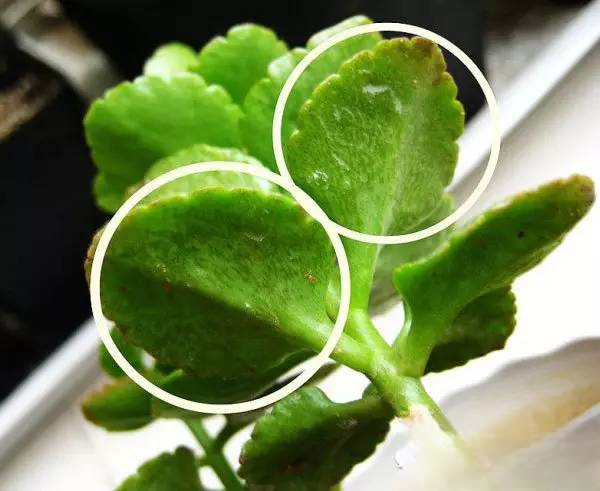
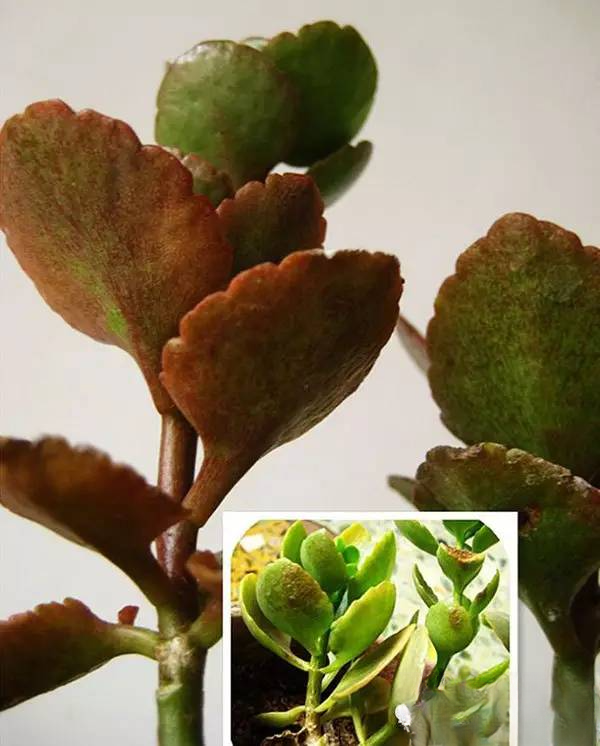
Leaf spot disease primarily affects the leaves of Kalanchoe blossfeldiana, causing brown spots that, if not detected promptly, can expand into dark brown patches. It can also infect neighboring Kalanchoe blossfeldiana plants; 'White Fox' and 'Friend' varieties are particularly susceptible. Treatment: A 1:200 solution of carbendazim, chlorothalonil, or thiophanate-methyl powder can be used to water the affected plants. Alternatively, spray the leaves on both sides with a spray bottle every three to five days. Generally, three treatments are sufficient for a cure. In severe cases, the plant can be dug up, gently rinsed with water to remove the soil from the roots, and then soaked in the prepared solution for 2-3 hours. Repot the plant with fresh soil and water thoroughly with the soaked solution. After repotting, continue to spray the leaves with the prepared solution regularly. The plant should recover in about two weeks. During spring and autumn, exposing affected plants to ample sunlight can increase their resistance, promote pesticide absorption, and accelerate recovery.
Leaf spot disease in its early stages
The leaves on the left branch after healing (they turn reddish under strong light, which is normal); the leaves on the right branch in the middle stage of "leaf spot disease"; small image of "leaf spot disease".2. Black rot disease
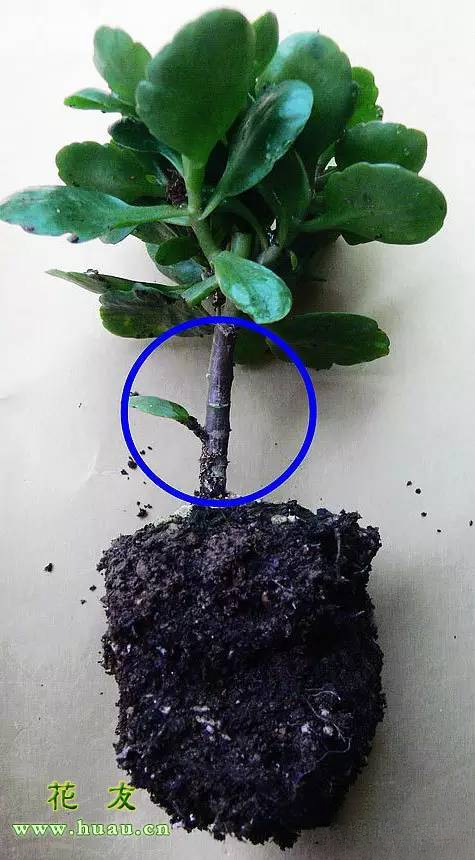
Causes of black rot: Compacted and poorly aerated potting soil, lack of ventilation during high temperatures, and overwatering. It manifests at the roots of the plant, causing it to suddenly turn black without apparent cause, even under normal growth conditions, and then rapidly spreads upwards. As the blackened stems soften, they lose the ability to support the upper branches, causing them to droop. The leaves also soften and wrinkle. "Deep infection and rapid disease progression" are key characteristics of black rot. If not detected promptly, the upper branches will also turn black and die within a few days. If this occurs, don't panic. Observe closely and identify the disease early. Cut the plant 1-2 cm above the blackened area at the base of the root. Soak the cutting in a 1:200 solution of carbendazim, chlorothalonil, or thiophanate-methyl powder for 2-3 hours. Then, replant it in coarse sand or vermiculite, and manage it as before.
Black rot3. Mosaic virus (Green Island virus)
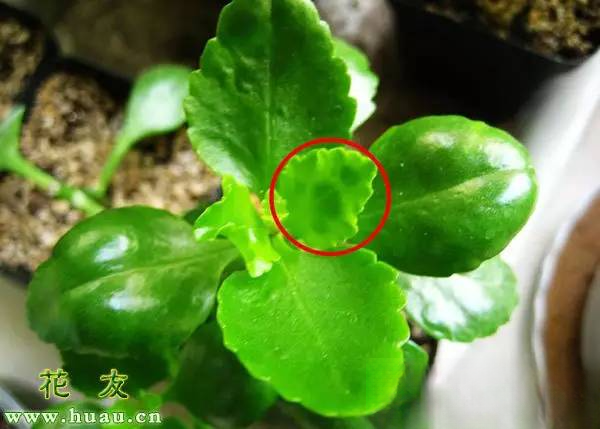
Kalanchoe mosaic virus is the most common virus found in Kalanchoe, and it is extremely prevalent in modern hybrid varieties. This virus only occurs in harsh growing environments and is transmitted from severely infected roots to the plant body. Symptoms include pale green to yellow mosaic spots or patches on the leaves, with an uneven surface. In severe cases, it inhibits plant growth. Kalanchoe blossfeldiana is most susceptible to this virus. Treatment involves first pruning some branches, then removing the diseased leaves, and then soaking the branches in a carbendazim solution for about 5-6 hours for sterilization. On the other hand, the original roots must be discarded and the original pot and substrate must be sterilized. Then, the sterilized cuttings are replanted in pure sand or vermiculite to encourage root growth. Roots should develop in about 10 days, and after about 20 days, when the roots are 1-2 cm long, they can be temporarily planted in nutrient-rich soil (a 1:1 mixture of peat moss and perlite, with a small amount of vermiculite added). Finally, the temporarily planted cuttings should be placed in a moderately warm, well-ventilated location to allow them to recover. Once the leaves appear healthy, they can be moved to indirect light. Full sun is only possible after new leaves emerge (avoid full sun in summer to prevent leaf scorching). This method has been shared with fellow flower enthusiasts and has yielded the desired results.
Young leaves infected with "mosaic virus" show pale green mosaic spots.4. Powdery mildew
Powdery mildew is a fungal disease that primarily affects leaves and stems. Affected areas show a white powdery substance that is difficult to remove by hand or brush. Affected plants become weak and stunted, ceasing growth and appearing sickly, which is very distressing to see. Paris and lilac varieties are most susceptible to this fungus. In the winter of 2012, the indoor temperature was around 18 degrees Celsius. Because of the cold weather and infrequent ventilation, coupled with my habit of frequently misting my kalanchoe plants, powdery mildew spread extensively, causing the death of over 50 of my seedlings. I tried using the three solutions mentioned above in combination with watering and misting, but all to no avail. A fellow plant enthusiast recommended using a potassium permanganate solution, which I tried a few times. Initially, it seemed to work, reducing the affected area. However, it subsequently returned with a vengeance, threatening to spread further. Just when I was almost in despair, I stumbled upon information online that sulfur powder could cure powdery mildew. Desperate, I bought sulfur powder online, mixed it with water to form a paste, and applied it to the affected leaves and stems with a soft brush. I also sprinkled some sulfur powder on the surface of the substrate and watered the plant to promote root absorption. A month later, a miracle occurred: the powdery mildew on the leaves and stems faded and the lesions shrank. With continued treatment, the leaves regained their luster, and new shoots began to emerge. The treatment was successful, and the powdery mildew that had plagued me for more than half a year was finally completely cured.
Note: Sulfur powder is a yellow powder that is not easily soluble in water and has insecticidal, acaricidal, and fungicidal effects. It exhibits selective toxicity against spores of powdery mildew fungi, and therefore has been used for many years as a protective fungicide against diseases of this family. It also helps regulate soil nitrification and pH, thus improving soil structure.
Pests and Diseases: Control of Common Pests and Diseases of Peace Lily
The commercial flower 'Paris' already suffering from powdery mildew.5. Gray mold
"Gray mold is a disease that thrives in low temperatures and high humidity. The pathogen grows at temperatures between 2°C and 30°C, with the peak incidence occurring when temperatures are between 20°C and 25°C and humidity remains above 90%. The pathogen is tolerant of low temperatures, producing a large number of spores at 7°C-20°C and at 15°C-23°C. It is susceptible to disease in low light, when relative humidity is above 90%, or when there is a water film on the surface of seedlings. The flowering period is the most susceptible time, and the pathogen enters through wounds and senescent organs via airflow, irrigation, and agricultural operations."
Understanding the mechanisms of powdery mildew and gray mold is key to proper care, and the following points should be noted:
1. Keep the leaves as dry as possible and ensure good ventilation between pots. In particular, avoid spraying water in the evening, which can leave water on the leaves overnight. If there are water droplets on the leaves, absorb them with a paper towel or blow them away with an air blower.
2. Prevention is key; regularly spray with fungicides.
3. If the plant accidentally develops wounds or ulcers, apply wood ash, sulfur powder, or thiophanate-methyl as soon as possible.
4. On days with large humidity and temperature differences, pay close attention to the condition of the plants, especially disease-prone varieties such as Paris and White Fox.
5. Once diseased leaves and branches are discovered, remove them as soon as possible to reduce the amount of pathogens. At the same time, spray pesticides promptly.
For beginners, it's crucial to note that if your kalanchoe plant appears weak, with shriveled, wrinkled, or dull leaves even when it's not lacking water, it generally indicates a root problem. In this case, immediately repot the plant, wash the roots, and replace the potting mix. In severe cases, you may need to prune the top and use healthy sections for propagation. Avoid simply assuming the plant is lacking water or fertilizer.
The most common causes of stem rot and root rot are excessively warm and humid environments and fungal infections of wounds. Fungus gnats, moths, snails drilling into the stems, and root mealybugs are also major culprits. Therefore, preventing stem rot and root rot requires both developing good watering habits and avoiding prolonged waterlogging, and addressing both pathogens and pests simultaneously.
II. Insect Diseases
Common pests and diseases encountered by houseplant kalanchoe include leafhoppers, spider mites, aphids, and scale insects. Control methods include manual control and chemical treatment. Manual control is more common for small infestations, while chemical control is preferred for larger infestations. Leafhoppers, spider mites, and scale insects are the easiest to control, as they are easy to spot and treat. Aphids have a high reproductive rate and are highly contagious, requiring slightly longer treatment times. However, with persistence, complete eradication is not difficult.
1. Leaf caterpillar
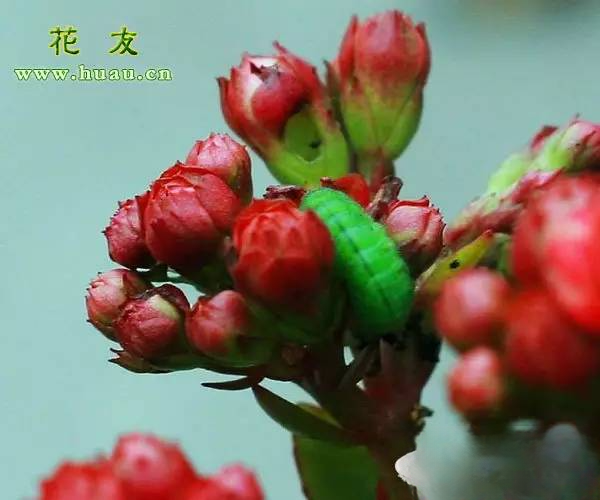
Leafhoppers are relatively large, about 1-2 cm long, and are greenish, fleshy worms. They mainly infest the leaves of long-lived plants. Be alert when you notice the leaves becoming translucent and seeing black, silkworm-like droppings between the leaves. Upon closer inspection, you'll likely find green, fleshy leafhoppers inside, greedily chewing on the leaves and enjoying their meal. At this point, you should immediately remove and destroy the leaf along with the leaf.
Leaf worm2. Red spiders
Spider mites primarily infest the leaves. They are small, about 1-2 mm in size, and reddish-brown. When you see countless white webs between the leaves, you should be alert to the presence of spider mites. With careful searching, they are not difficult to find, and once found, they can be treated promptly. Regularly misting the plant will reduce spider mite infestations. Like leafhoppers, spider mites are very easy to control if detected early, requiring almost no pesticides.
Pests and Diseases: Prevention and Control of Common Pests and Diseases of Magnolia
3. Scale insects
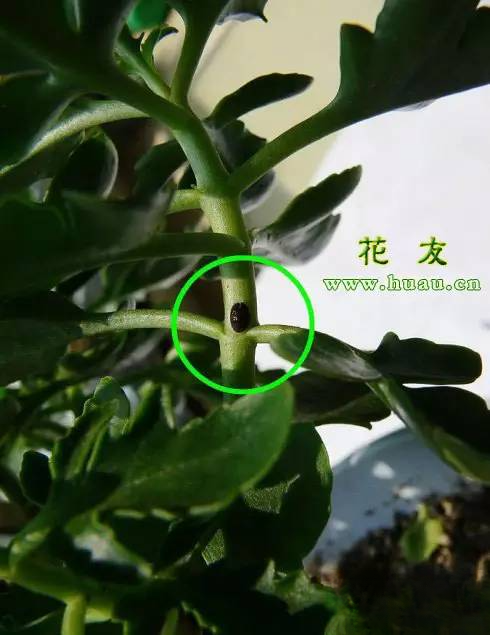
Scale insects primarily infest the stems and leaves. Affected plants have soft, dull leaves that feel sticky to the touch – this is the insect's secretion. The insects are small, about 1-2 mm in size. Larvae are light yellowish-brown, while adults are dark brown, making them difficult to spot. If not detected promptly, they can infect healthy plants. When the infestation is small, you can catch them by hand or gently remove them from the affected areas with a toothpick. If the infestation is large, you will need to repot the plant with fresh soil and spray with a broad-spectrum systemic insecticide (such as a pesticide like Mancozeb or a similar insecticide diluted 1:200 with water).
Scale insects4. Aphids
Aphids, commonly known as plant lice, are very small, about 1 mm in size, dark green, and winged. They reproduce rapidly and mainly infest leaves, stems, and tender buds at the top. Because the terminal buds of plants are the most tender, aphids love to feed there. These small, delicate buds are difficult to remove by hand, making it a troublesome and difficult problem. A 1:150 solution of dimethoate can be sprayed on them. Dimethoate is a systemic, broad-spectrum insecticide that can be absorbed by the plant's stems and leaves and transported to untreated areas, poisoning and killing the infesting pests. One to two applications are usually sufficient. A drawback is that the pesticide has a slight, temporary odor; it is best used in well-ventilated, unoccupied areas. If aphids are found only in the early stages at the terminal buds, the top of the plant can be pinched off to encourage branching. If aphids are numerous, it is recommended to slowly water the plant with the pesticide solution once to prevent further infestation.
III. Preventive Measures
Whether it's a fungal or insect-borne disease, we must address it at its source, prioritizing prevention for maximum effectiveness. During peak pest and disease seasons, spraying with fungicides like carbendazim or thiophanate-methyl beforehand, or watering once, can yield unexpected results. Regular observation is crucial; don't neglect your kalanchoe just because it seems easy to care for. Treat any abnormal diseases promptly; eliminating them in their early stages is much easier. Waiting until the disease has become rampant before attempting treatment is time-consuming, laborious, and often futile.
 ·END·
·END·