Pest and Disease Forecast | Common Seedling Diseases and Pests in April and Control Techniques
1. Barnacles
Barnacle scale insects primarily infest a variety of plants, including camphor trees, magnolias, coral trees, loquat trees, goldenrain trees, white magnolias, and Michelia figo. They pierce and suck sap, excreting honeydew , which causes mold and mildew. This is particularly severe on evergreen plants like camphor trees, magnolias, and coral trees, significantly impacting landscaping and making them one of the major pests and diseases affecting urban greenery. Barnacle scale insects have one generation , with adults overwintering. In spring, the female scale lays hundreds of eggs under her shell. The eggs hatch in late April. Newly hatched nymphs hide inside the mother's shell. When the temperature is suitable, they emerge and crawl towards the tender shoots and branches of the host plant, attaching themselves and sucking sap. After about a week, waxy threads appear on the back of the scale insect's body. In southeastern regions, the scale insects typically emerge from the mother's shell between late April and early May , with a difference of about one week depending on the temperature. Starting April 20th, to accurately determine the optimal time for prevention and control, observe hatching and emergence every two days. When more than 50% of the nymphs have emerged , implement prevention and control measures within one week. Systemic pesticides are preferred. Currently effective pesticides include Kuangshaji and Supusha. Kuangshaji is highly effective and is currently the best pesticide in China. One bottle can be diluted with 160 kg of water for spraying.
2. Cuckoo Lace Bug
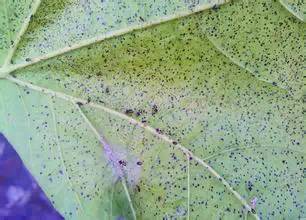
The azalea lace bug is a pest mainly distributed in areas south of the Yangtze River and Huai River. It damages azaleas by sucking their sap, causing the leaves to turn white and irreversibly, thus affecting the azalea's growth. From mid-April, clusters of newly hatched nymphs can be seen on older azalea leaves, gradually spreading to new leaves. In the middle and lower reaches of the Yangtze River, the azalea lace bug can have 5-6 generations per year, with significant overlap in later generations. Therefore, control measures in April are crucial; effective control can greatly reduce the burden of subsequent pest management. Pesticides such as 3000x dilution of aphid-killing agent and 1500x dilution of insecticide can be used for control.
3. Golden privet leaf spot disease
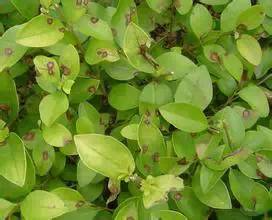
Leaf spot disease is a major disease of golden privet. Infected leaves develop nearly circular brown spots, often with concentric rings and yellow edges. It causes significant leaf drop, and in severely affected areas, the privet may lose all its leaves and become bare. In Shanghai, the disease typically begins in early April, peaks in July and August , and may experience a smaller peak in October .
Although leaf drop in golden privet occurs in late spring and early summer after infection with this disease, the pathogen actually infects the plant during the sprouting of new leaves. Spraying a protective fungicide after the new leaves have largely emerged can significantly reduce the incidence of leaf spot disease and protect the new leaves. According to relevant research and>
The boxwood leafminer overwinters as larvae. As the weather warms, this insect will damage *Buxus microphylla* and *Buxus chinensis* species, severely impacting the growth of new shoots and even causing death. Control measures should be implemented as soon as damage is observed, especially in areas heavily infested the previous year. Suitable pesticides include 800 times diluted leafminer and 1000 times diluted forest protectant .
5. Large-leaved boxwood leafminer moth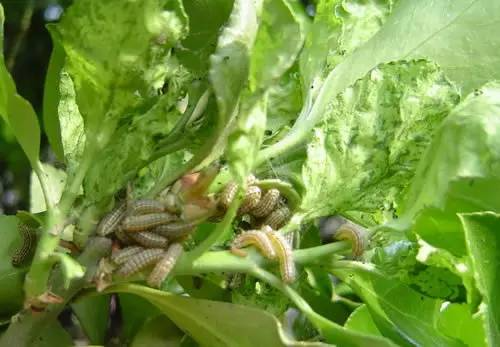
This insect mainly damages large-leaved boxwood. It has a large appetite and likes to congregate to cause damage. It can be controlled with insecticides such as leaf insecticide , forest protectant, or cypermethrin .
6. White grub ( Gnaphalium affine )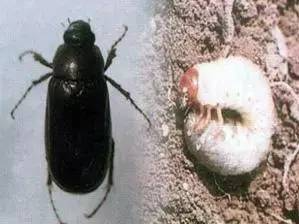
White grubs overwinter in the soil. As soil temperatures rise in March and April , they become active, feeding on and damaging seeds, seedlings, and tree roots, making them a major underground pest in nurseries. For control, apply 1-2 kg of Dishiping granules per acre , followed by watering.
7. Powdery mildew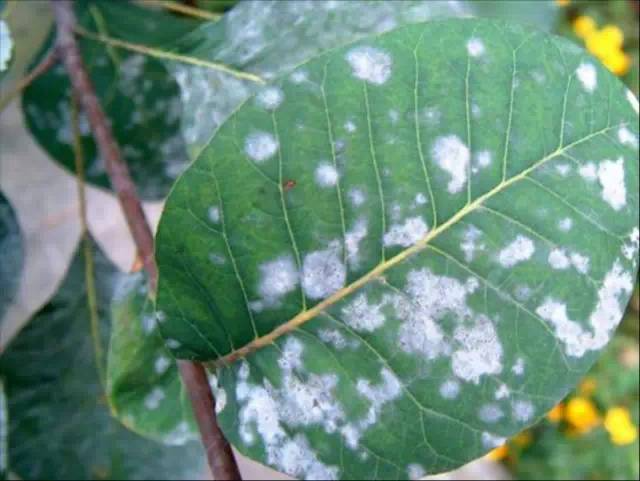
Powdery mildew is a major disease affecting seedlings, with many susceptible species. Among those most severely affected are crape myrtle, peach, rose, narrow-leaved mahonia, and large-leaved boxwood. With rising temperatures and increased rainfall, it will gradually occur. Controlling powdery mildew should adhere to the principle of "prevention first, comprehensive control." For seedlings previously severely affected, spray with a fungicide like thiophanate-methyl when new buds have grown to a certain extent . For seedlings already affected, treat with triadimefon at the initial stage of infection ; for severe cases, repeat the spraying after approximately 15 days.
8. Longhorn beetle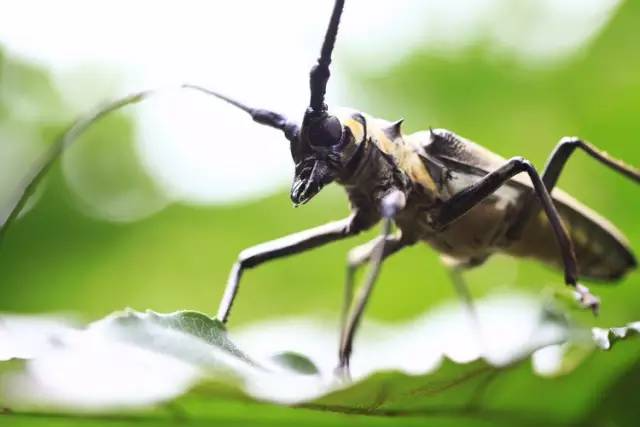
Longhorn beetles are elusive pests that cause serious damage and are difficult to control. Their incidence has been increasing year by year in recent years. In our region, the main species affecting seedlings, such as the Asian longhorn beetle and the peach red-necked longhorn beetle, overwinter as larvae in the trunks of host trees. After April, they begin to rise and feed, particularly on poplar, willow, elm, soapberry, goldenrain tree, peach, and plum trees. Once fresh insect frass appears on the ground around the trunk, it indicates that the overwintering larvae have begun feeding, and timely application of insecticides such as "Longhorn Beetle Insecticide" should be initiated.Infusion therapy for prevention and treatment .
9. Spider mites and lace bugs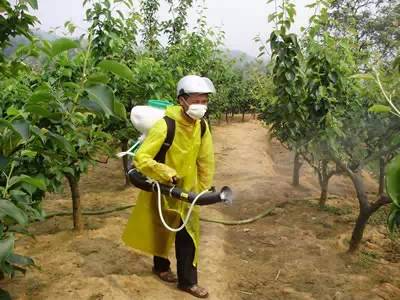
A survey conducted in late March revealed that spider mites had already begun to become active on some seedlings, and the damage is expected to intensify in April. Chemical control can be achieved by spraying with a 2500- fold dilution of 15% pyridaben emulsifiable concentrate . Lace bugs, which infest azaleas, firethorns, peaches, plums, flowering berries, and cherry blossoms, are expected to cause damage starting in late April. Chemical control can be achieved with acaricides such as miticides like fenvalerate or cypermethrin ; when spraying, focus on the undersides of the leaves.