Pest and disease control
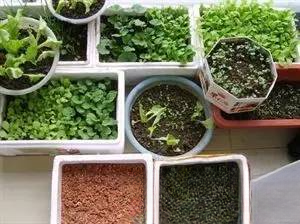
Vegetables grown in containers, like those grown in the ground, are susceptible to various diseases and pests. It's important to carefully observe the leaves, stems, and other organs to ensure they are growing well and to check for pests. If a problem is found, first determine if it's due to environmental conditions such as water, light, or temperature, or problems with the substrate fertility. After ruling out these factors, then determine whether it's a disease or a pest infestation.
Common Problems and Prevention Measures in Container Vegetable Growing
: 1. If the plants are leggy, thin, and fail to produce fruit, it may be due to insufficient light or excessive nitrogen. Move the container to a sunny location or reduce the nutrient content in the nutrient solution to see if this improves the situation.
2. If the plants turn yellow from the bottom, lack vitality, and have a dull color, it may be due to overwatering or insufficient fertilizer. Reduce watering frequency, check the drainage of the container, or increase the nutrient content in the nutrient solution to see if this improves the situation.
3. If the plants are wilted despite sufficient watering, it may be due to poor drainage and ventilation. Increase the drainage holes in the container and increase the organic matter content in the growing medium to see if this improves the situation.
4. If the leaf edges are scorched, it may be due to high salt content in the substrate. Clean the container regularly with tap water.
5. If the plants grow slowly, are weak, and have a slightly purple tinge, it may be due to low temperature or low phosphate levels. Place the container in a warmer location or increase the phosphate content in the nutrient solution.
6. If the leaves are twisted or have notches, it may be due to pests. Spray with an environmentally friendly insecticide.
7. If there are yellow spots, necrotic spots, powdery mildew, or rust spots on the leaves, it may be due to disease. Remove the affected parts and spray with an environmentally friendly fungicide.
After determining that the vegetables have pest or disease problems, you can diagnose the type of disease or pest according to the following instructions, and then purchase the appropriate insecticide or fungicide from a garden center for targeted treatment.
 |
Diagnostic Methods for Vegetable Pests:
Vegetable pests can be diagnosed by identifying their morphological characteristics at different stages or by examining pest residues. Pest residues include eggshells, pupal shells, molted skins, residual hairs, and dead insect bodies, as well as excrement such as feces, honeydew, webbing, and foamy substances.
I. Leaves are eaten, forming notches. This is mostly caused by chewing-mouthed lepidopteran larvae and coleopteran pests.
II. Linear stripes or grayish-white/grayish-yellow spots on leaves. This symptom is often caused by piercing-sucking pests such as leaf flies or stink bugs.
III. Seedlings are bitten or cut off. This is often caused by crickets or leaf moths.
IV. Honeydew secretion causes sooty mold. These pests produce honeydew-like excrement that covers the vegetable surface, causing black spots. This is often caused by sap-sucking pests such as various aphids.
V. The central leaves shrink and thicken. These symptoms are common on bell peppers and chili peppers, and are related to mite pests.
Sixth, damage inside the vegetables. These pests generally enter the vegetable's body and are difficult to see from the outside. If fresh insect droppings and fresh insect mouths are found on or around the plant, it indicates that the pests are damaging the vegetable from within. Sometimes, although there are droppings and insect mouths, they are dried, indicating that the pests have moved to other places. These pests are mostly moths and their larvae.
Seventh, withering and death of the upper part of the seedlings. This indicates that the vegetable roots have been damaged, mostly by underground pests such as mole crickets, root mites, and root-knot nematodes.
Eighth, tuberous fruits are eaten and rotten. For example, the underground tubers of potatoes, onions, and garlic rot or are eaten during growth and storage, mostly by root mites and other pests.
To identify pests and take appropriate control measures based on these characteristics, it's essential to first rule out other influencing factors, such as excessive fertilizer or water causing the upper parts of vegetable seedlings to wilt and die.
That concludes our guide to balcony gardening. Creating a vegetable and fruit garden at home, allowing children to participate in the work, experience the joy of cultivation, and reap the rewards, is also a great option. Have parents felt the children's enthusiasm for cultivation in the Little Sprouts Growth Plan? Then create a vegetable garden for them!
What fertilizer should be used for home gardening?
Fertilizing hydroponically grown vegetables is the simplest; just water with nutrient solution. Hydroponics nutrient solutions should contain macroelements such as nitrogen, phosphorus, potassium, calcium, magnesium, and sulfur, and microelements such as iron, manganese, boron, zinc, copper, and molybdenum. Nutrient solution formulas are available for different plants, as well as some general-purpose formulas. Follow the instructions on the label to prepare the solution properly before watering. Nutrient solution irrigation is crucial for hydroponics. The standard principle for nutrient solution irrigation is to water on sunny days and not on rainy days; water less during the early growth stage and more during the fruiting stage. Generally, the nutrient solution should be completely replaced every 20 days.
Fertilization Tips
: 1. If vegetables require transplanting, wait until after transplanting before applying vegetable fertilizer.
2. If vegetables are directly sown and do not require transplanting, first water with tap water to keep the soil moist. Fertilizer can only be applied after the seeds germinate and seedlings emerge.
3. Although different plants have different water requirements, generally watering with a small amount of vegetable fertilizer once a day is appropriate. For leafy vegetables, you can water twice a day with nutrient solution.
4. Water with nutrient solution less during the early growth stage and more during the fruiting stage.
5. It is recommended to thoroughly rinse the planting container with tap water at least once a week to remove accumulated unused fertilizer. Specifically, water the container thoroughly until it drains completely from the bottom. This prevents the accumulation of harmful substances in the growing medium.
6. Sometimes, nutrient solutions with added trace elements can be used to water vegetables. You can choose water-soluble fertilizers containing iron, zinc, boron, and manganese, and follow the instructions on the label.