Peruvian Cuisine from the Peruvian Food Museum [Original]
Peru borders the Pacific Ocean to the west, with the majestic Andes Mountains running through its center. To the east lies the Amazon rainforest, characterized by year-round high temperatures and abundant rainfall, and covered in forests. Nature has endowed the country with an exceptionally diverse landscape, climate, and ecosystem. It's safe to say that Peru possesses every natural environment on Earth. In fact, Peru, renowned for its abundant tourism resources, also boasts irresistible cuisine. Peruvian culinary techniques, spanning centuries, have blended the cooking styles of indigenous Indians and Spanish colonists, influenced by the culinary traditions of peoples around the world, including early slaves from Africa and immigrants from Asia, Europe, and the Arab world. However, the essence of Peruvian cuisine lies not in its culinary techniques alone. As the host of the Taiwanese food program "Food Three Links" explained, Peruvian cuisine is precisely due to its ecological and climatic diversity, which has fostered a rich food chain. For example, the abundant marine fish and shellfish resources, the countless varieties of potatoes and corn found in the Andes, and the countless game species from the Amazon rainforest—these fresh ingredients delight every chef and are a source of inspiration for talented chefs.
Cuisine opens the door to the wisdom of the Peruvian people and allows the world to gain a deeper understanding of Peru and its culture. Peruvians cherish their culinary culture with gratitude. Not only does they hold an annual food festival in Lima, but they've even built a dedicated food museum in the capital.
I've watched several episodes of the Taiwanese food program "Food Big Three Links" about Peruvian cuisine. The chef-turned-hosts use humorous language, exaggerated expressions, unique perspectives, and genuine personalities to describe Peruvian cuisine: the cheapest seafood is abalone, the most popular late-night snack is grilled beef heart, the most outrageous shops have entire streets, the most bizarre drinks are made to look like they're being prepared as medicine, and the best donuts have bubbles bubbling inside the flour. And then there's the Big Mac breakfast chicken burger that's enough to make you go mad, the Peruvian steamed buns are so big they're stuffed with Dongpo pork, the spiciest chili isn't spicy at all, and the scariest drink is made with live frogs...
So, how do Peruvians view their own cuisine? Actually, the food museum doesn't offer the exaggerated descriptions depicted in "Food Big Three Links," just as frog drinks aren't mentioned in the museum's introduction. It seems Peruvians don't consider drinking raw frog juice to be anything special. The museum's introduction to Peruvian cuisine is fairly standard, accurately and focused on the unique characteristics of Peruvian cuisine. My overall impression is that Peruvian culinary culture is influenced by its natural conditions, and is divided into three regions from east to west: the western coastal region (an arid desert with little rain), the central Andes plateau, and the eastern Amazon tropical jungle. Relatively speaking, the cuisine of the central and eastern regions is still primarily indigenous, while the western coastal regions, with their large population of immigrants, have a more diverse flavor profile.
, there's a cola called Inca Cola. This yellow soft drink, with a hint of pineapple and a sweet flavor, is so deeply ingrained in the lives of Peruvians that no other beverage can surpass its status. It's practically the country's "national drink." Known as the "Taste of Peru," Inca Cola's advertisements are ubiquitous throughout the country. Whether you go to restaurants in major cities, on the tables of ordinary families, or even in remote mountain towns, you'll find Inca Cola everywhere you go, and it's enjoyed by everyone, regardless of social status.
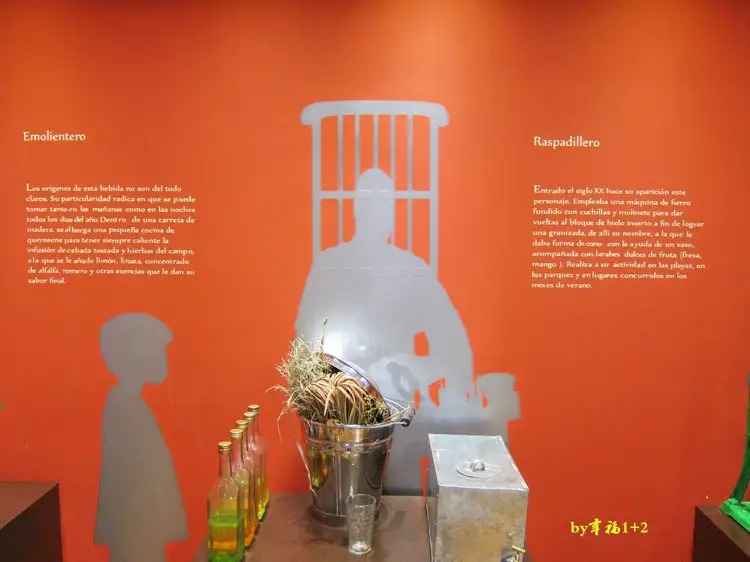
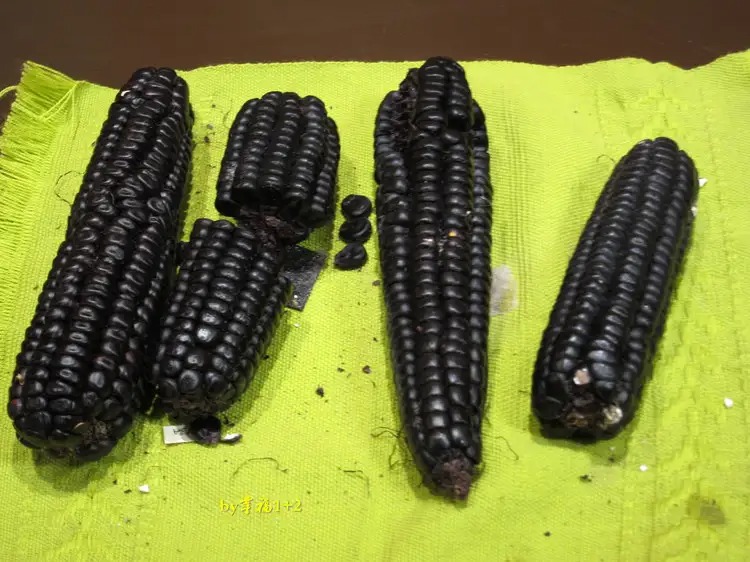 When talking about famous drinks in the Andes, corn juice and corn wine are absolutely indispensable. Corn juice is a local staple, a deep purple liquid with a unique aroma. Due to the starch content of corn, the drink is slightly thick, and a few drops of lemon juice enhance its flavor. Corn wine is a staple at every Andean celebration. Available in purple and creamy varieties, corn wine is smooth and sweet, its juicy sweetness disarming, but it actually has a strong aftertaste. Failure to resist the sweetness of corn wine could lead to its captivation. Besides festivals, to find corn wine on a regular basis, simply look out for long bamboo poles erected at the entrances of homes in the countryside. Topped with a red plastic bag and a large bouquet of flowers, these poles advertise the sale of corn wine. Without signage, newcomers to the Andes might be unaware of the hidden meaning behind these long bamboo poles adorned with red plastic bags and flowers.
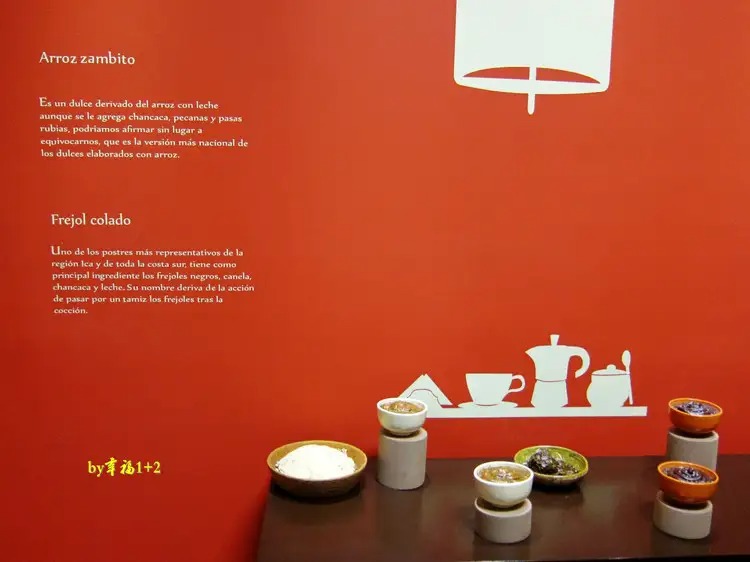 The museum is filled with Spanish-language introductions, so it's a bit difficult to understand what's going on here... This article took a long time to write, but fortunately, it's finished... Peruvian cuisine is more than just this, but space is limited, so I can only write about this. As the culinary kingdom of the Americas, Peru does have many amazing places, so the most important thing you can't miss when visiting Peru is the food...
Food & Cooking
Cuisine opens the door to the wisdom of the Peruvian people and allows the world to gain a deeper understanding of Peru and its culture. Peruvians cherish their culinary culture with gratitude. Not only does they hold an annual food festival in Lima, but they've even built a dedicated food museum in the capital.
I've watched several episodes of the Taiwanese food program "Food Big Three Links" about Peruvian cuisine. The chef-turned-hosts use humorous language, exaggerated expressions, unique perspectives, and genuine personalities to describe Peruvian cuisine: the cheapest seafood is abalone, the most popular late-night snack is grilled beef heart, the most outrageous shops have entire streets, the most bizarre drinks are made to look like they're being prepared as medicine, and the best donuts have bubbles bubbling inside the flour. And then there's the Big Mac breakfast chicken burger that's enough to make you go mad, the Peruvian steamed buns are so big they're stuffed with Dongpo pork, the spiciest chili isn't spicy at all, and the scariest drink is made with live frogs...
So, how do Peruvians view their own cuisine? Actually, the food museum doesn't offer the exaggerated descriptions depicted in "Food Big Three Links," just as frog drinks aren't mentioned in the museum's introduction. It seems Peruvians don't consider drinking raw frog juice to be anything special. The museum's introduction to Peruvian cuisine is fairly standard, accurately and focused on the unique characteristics of Peruvian cuisine. My overall impression is that Peruvian culinary culture is influenced by its natural conditions, and is divided into three regions from east to west: the western coastal region (an arid desert with little rain), the central Andes plateau, and the eastern Amazon tropical jungle. Relatively speaking, the cuisine of the central and eastern regions is still primarily indigenous, while the western coastal regions, with their large population of immigrants, have a more diverse flavor profile.
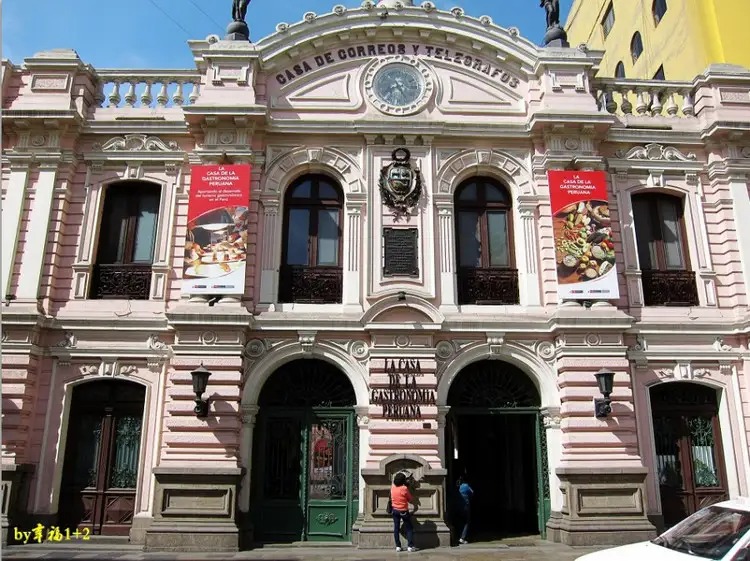
The Peruvian Gastronomy Museum, known as the "Home of Peruvian Cuisine," is located near the Plaza de Armas in downtown Lima.
The museum covers 2,000 square meters and is divided into four sections: a permanent exhibition hall, a temporary exhibition hall, an audiovisual hall, and a hall named after Peru's national drink, Pisco.
In the permanent exhibition hall, models of food preparation, replicas of local specialties, and cooking utensils illustrate the history of Peruvian cuisine.
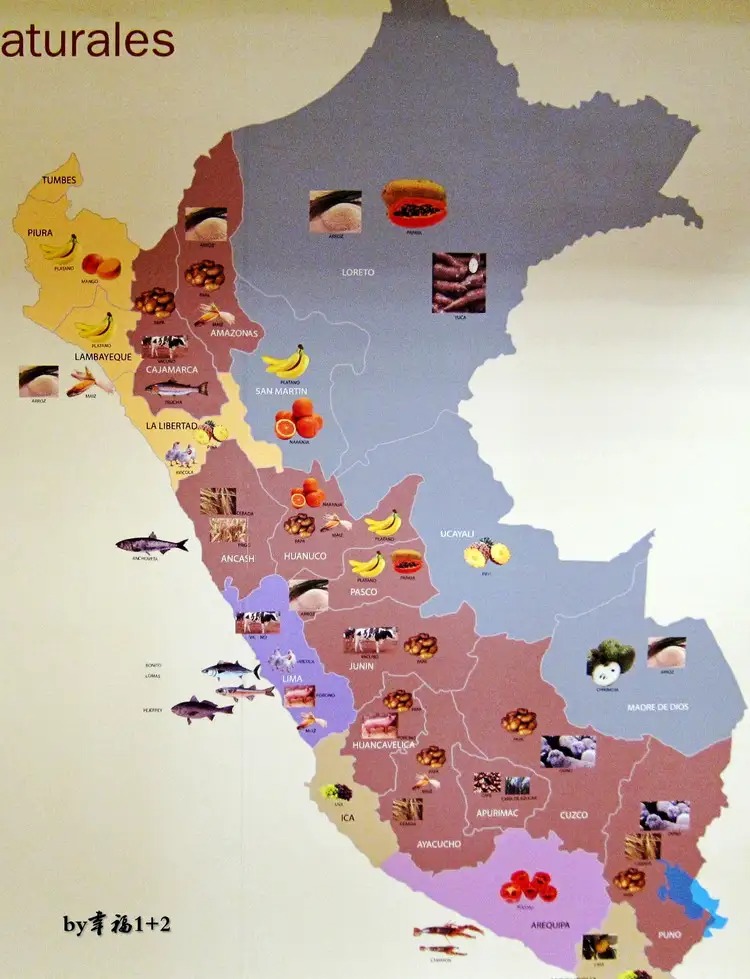 The Peruvian national cuisine map displayed in the hall shows the different culinary styles of the Peruvian coastal areas, plateaus and Amazon rainforest regions.
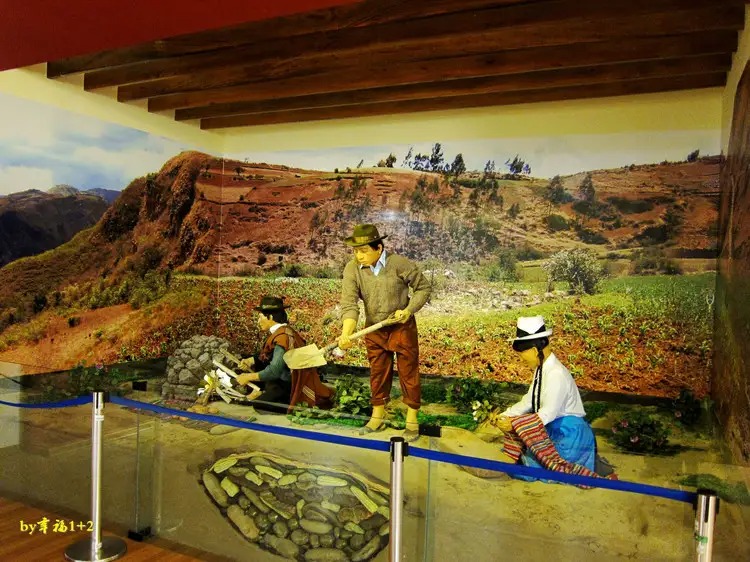
How people in the Peruvian Andes make "earth pots" 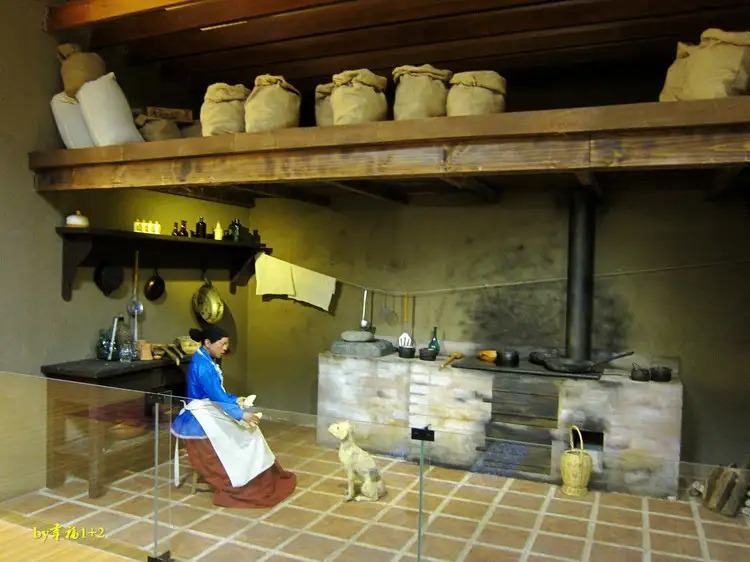 kitchen
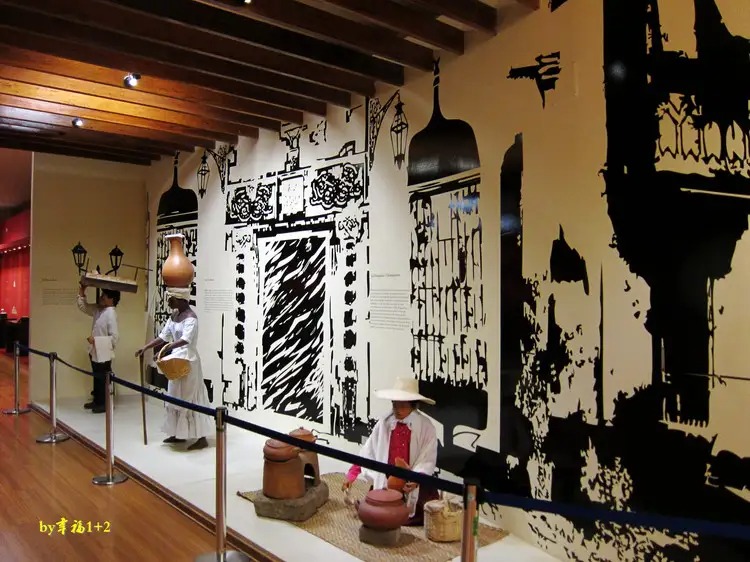 There are markets
like this in Lima every weekend. Many sellers come here from far away places with their homemade snacks to sell their goods. For example,
the vendors selling Amazon River dumplings even take a 12-hour drive to the holiday market in the capital Lima.
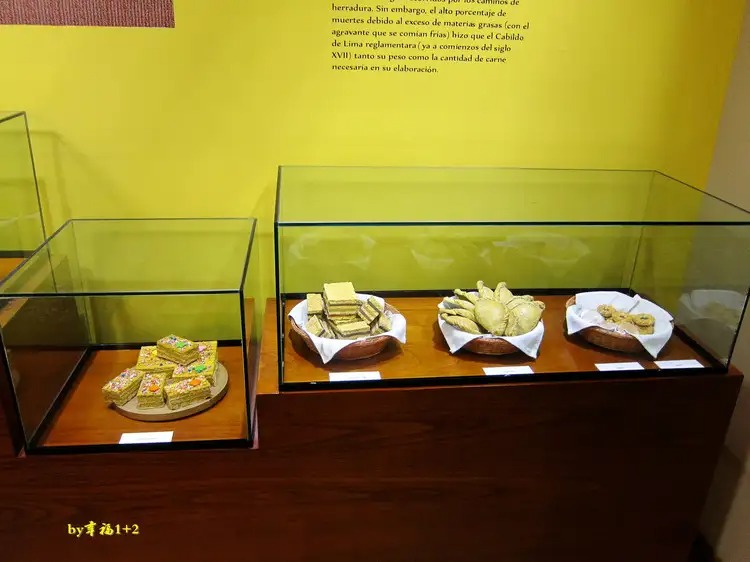 pasta
pasta
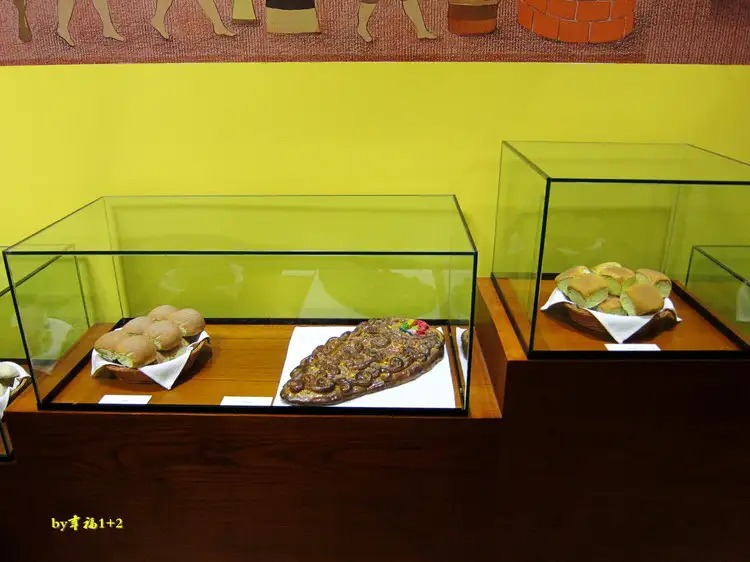
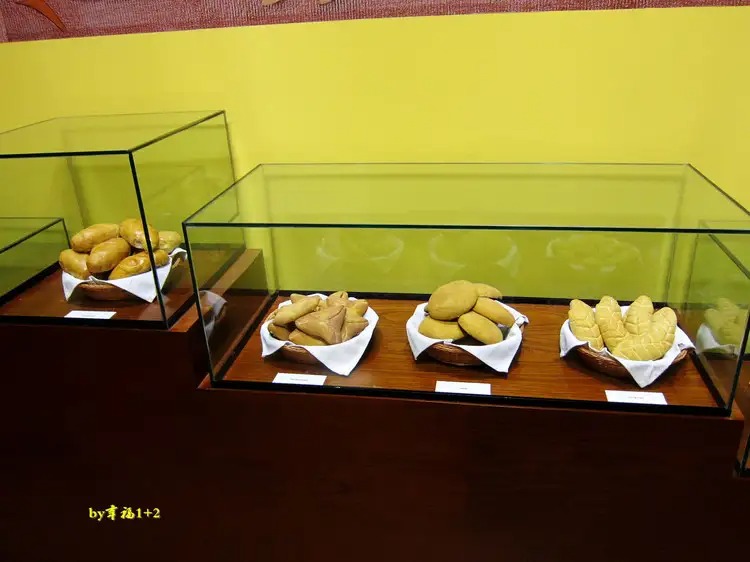
Course 11: Humita
12th course: Antichuchos grilled beef heart
 The beef heart is the one on top.
 Beef Heart
Thirteenth Course: Mondonguito la italiana (Italian Beef Tripe)
 This is a stew. As the name suggests, it was originally created by Italian chefs.
Fry onions and garlic in a pan, then add yellow peppers, tripe, and broth. Cover the pan and simmer for about 15 minutes. Add potatoes.
When it's almost done, add carrots, peas, mint, etc. with salt and pepper.
In Peru The museum covers 2,000 square meters and is divided into four sections: a permanent exhibition hall, a temporary exhibition hall, an audiovisual hall, and a hall named after Peru's national drink, Pisco.
In the permanent exhibition hall, models of food preparation, replicas of local specialties, and cooking utensils illustrate the history of Peruvian cuisine.
How people in the Peruvian Andes make "earth pots"
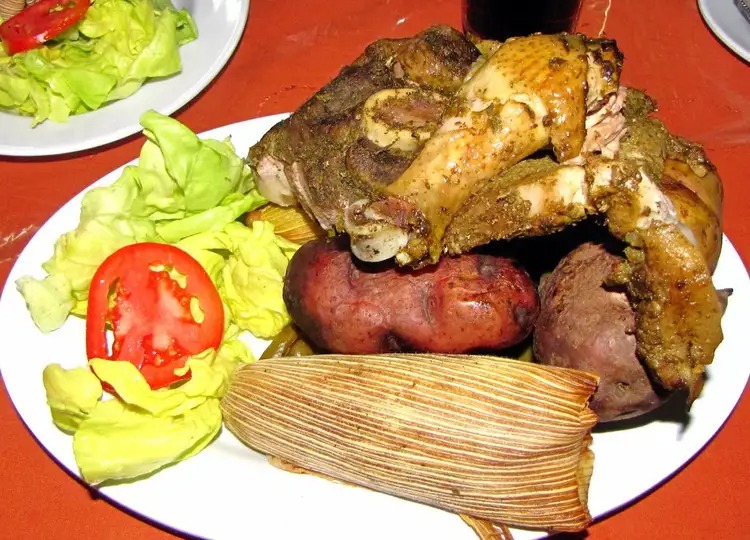
The "Earth Pot" is a time-honored traditional delicacy once beloved by the people of the Peruvian Andes. Its name is a combination of two Native American words: Pacha, meaning "earth," and Manca, meaning "pot." To prepare this dish, a large pit is dug in the ground, lined with carefully selected pebbles, and heated over a fire. A variety of meats, potatoes, cassava, corn, peas, and other foods are then placed on the stones. Banana leaves or other tree leaves are then added, and finally, the dish is covered with earth. After about two or three hours, this earth-infused, fragrant meal is ready.
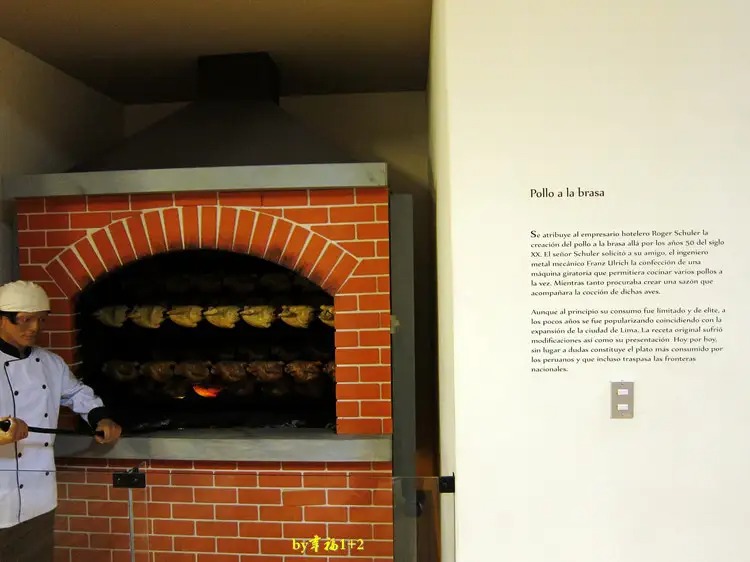
roast chicken
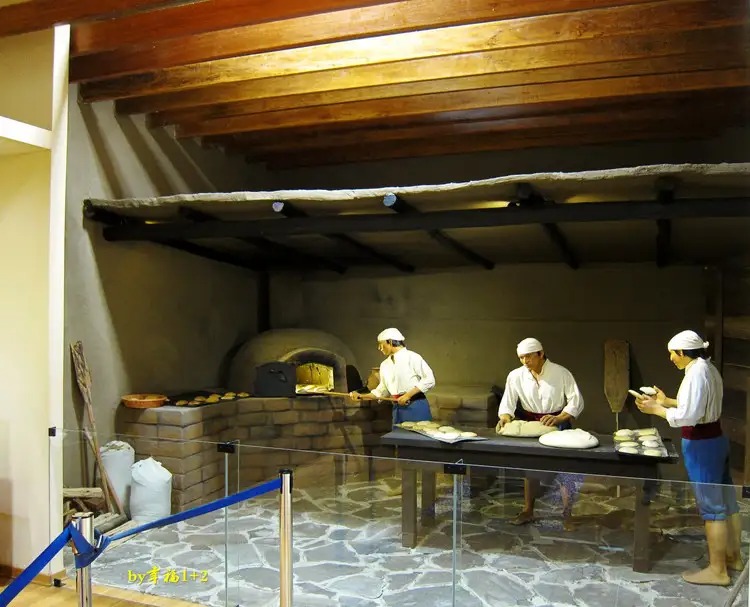 Noodle making process
roast chicken
Peruvian roasted chicken is also one of Peru's most popular dishes. While the preparation may seem similar to that of other countries, a fresh whole chicken is marinated in seasonings and then roasted in an oven. However, it's these seasonings that make Peruvian roasted chicken unique. The spices used in Peruvian cuisine are largely locally grown, made from plants we can't even name. The roasted chicken, crispy on the outside and tender on the inside, is often dipped in a uniquely Peruvian yellow chili sauce.
like this in Lima every weekend. Many sellers come here from far away places with their homemade snacks to sell their goods. For example,
the vendors selling Amazon River dumplings even take a 12-hour drive to the holiday market in the capital Lima.
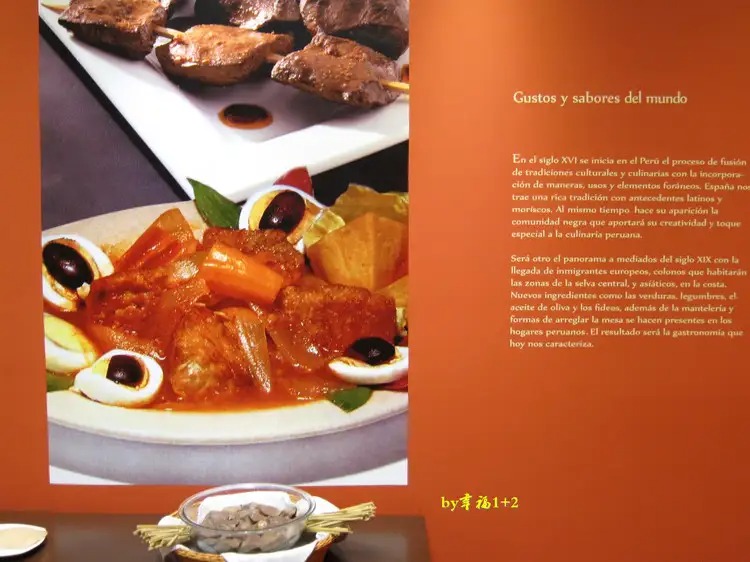
There are many food pictures in the museum, most of which are famous snacks and delicacies in Peru:
1. Andean Highlands Cuisine:
Mountain cuisine, exemplified by Cusco, is primarily sweet, with beef, lamb, and potatoes as the primary ingredients, and is primarily stewed, braised, or pan-fried. Unlike the abundant seafood of coastal regions, Andean cuisine is primarily based on corn and potatoes. Meats used in cooking primarily include alpaca, guinea pigs (guinea pigs), sheep, and pigs. Inca cuisine of the Andean Highlands differs significantly from coastal culinary traditions. The most significant aspect is not the exquisiteness of the dishes themselves, but the rituals (indigenous traditions), such as the "Earth Pot," which uses the earth as a pot, heated pebbles as a fire, and various types of meat (lamb, pork, guinea pig, or chicken) placed in a clay pot to cook. Typically, elaborate dishes are reserved for celebrations and festivities, while everyday meals are simple.
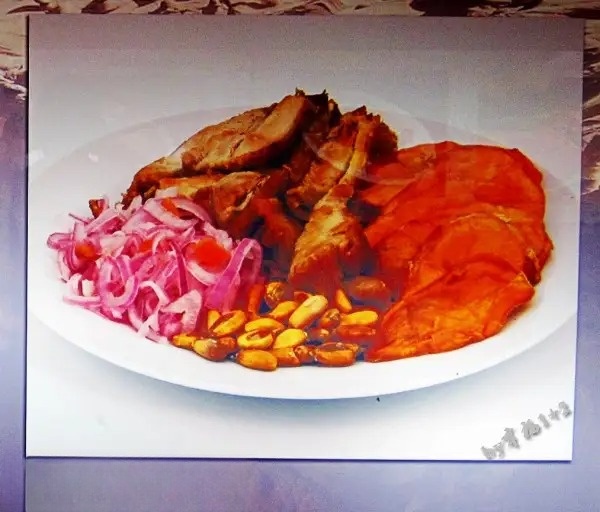
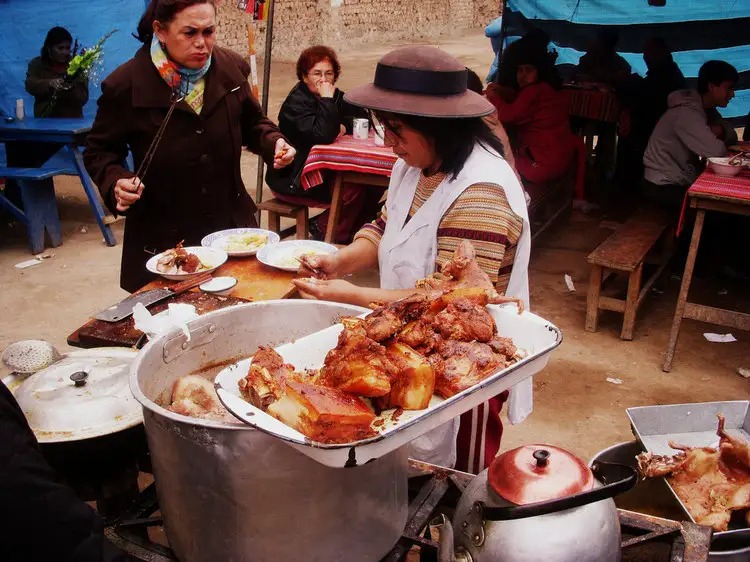 Chicharrones are sold on the street
, but if you are concerned about hygiene, it is not recommended to eat them. After all...
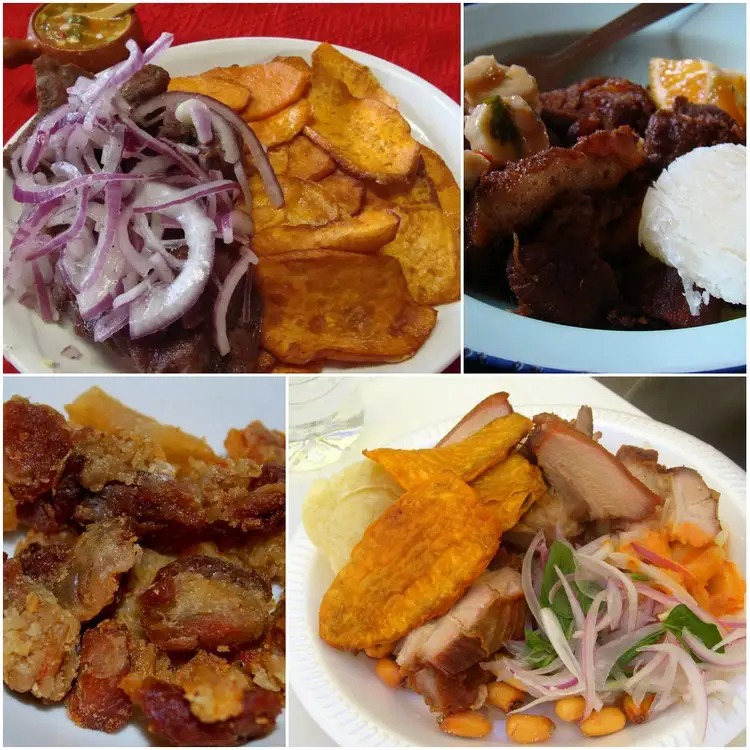
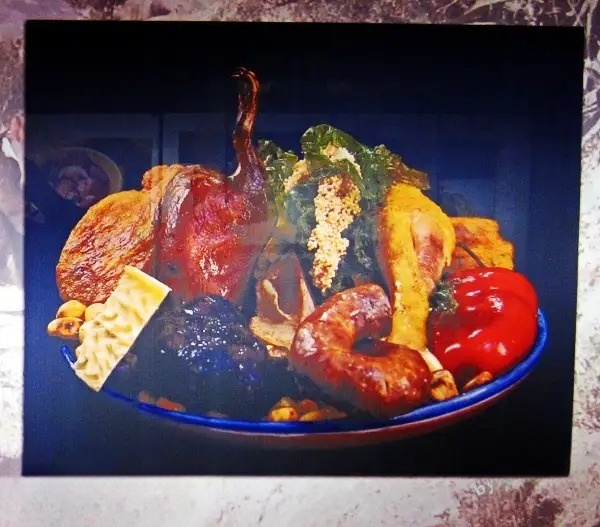
chiriuchu
 Coastal cuisine,
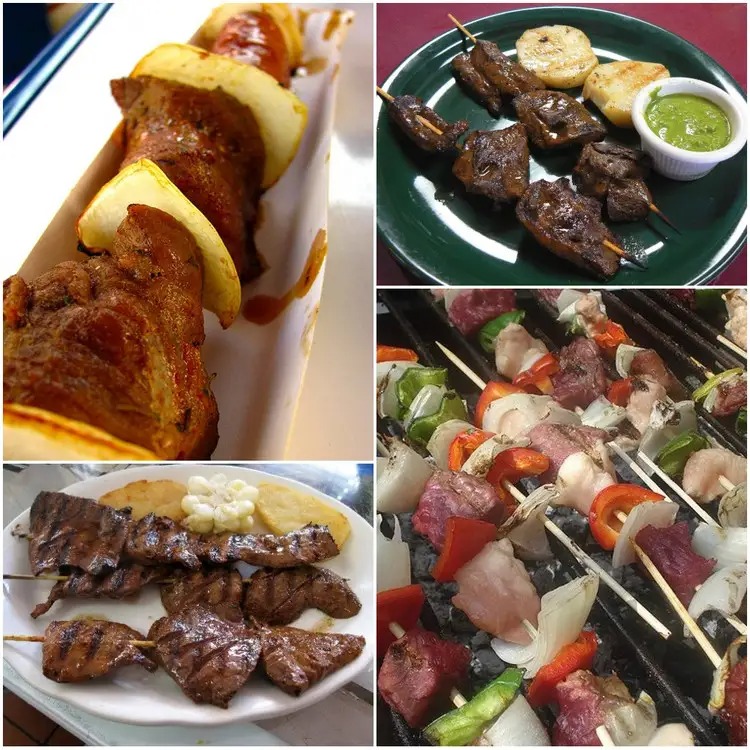
exemplified by Lima, is characterized by spicy flavors. Fish, seafood, chicken, and potatoes are the primary ingredients, often served cold, steamed, or grilled. Fish and shellfish are the primary ingredients in coastal cuisine, and a variety of popular coastal dishes abound, including traditional ceviche, chupe de camarones, and shrimp cioppino. The capital, Lima, offers the greatest variety of coastal cuisine. If seafood isn't to your taste, try other specialties offered by the Peruvian capital. Examples include Afro-Peruvian dishes like antichuchos (grilled beef heart), chifa, and tamales sold by street vendors.
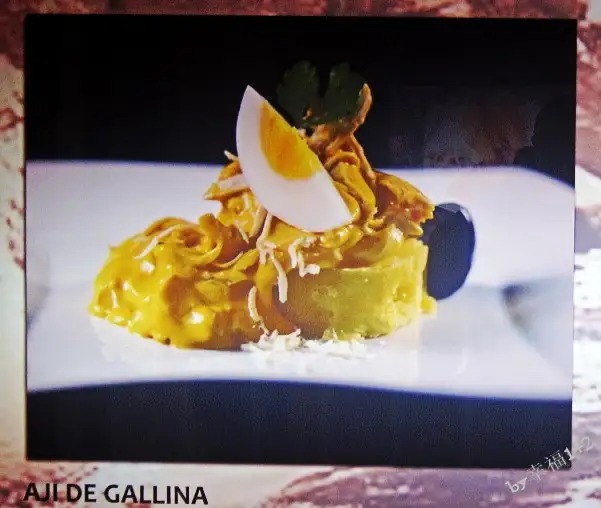
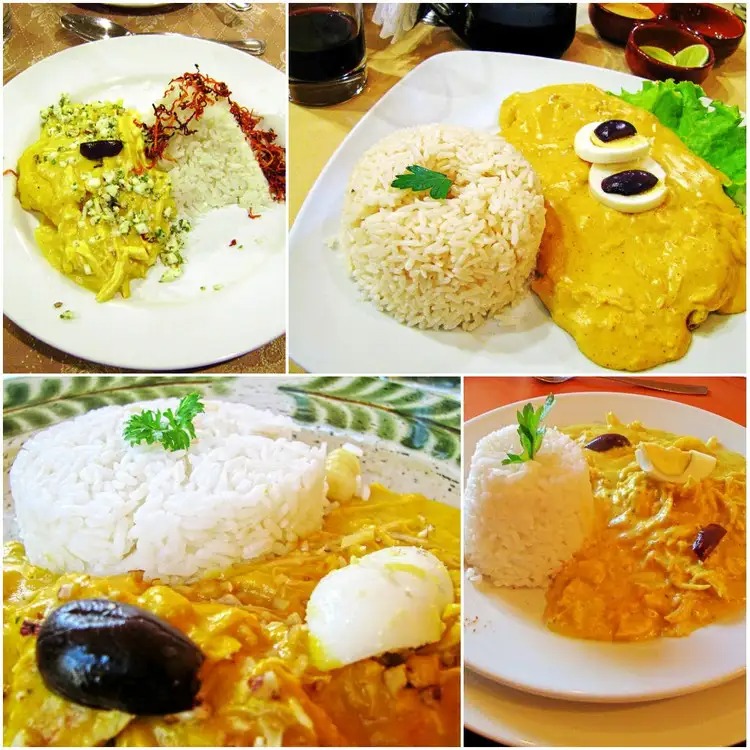
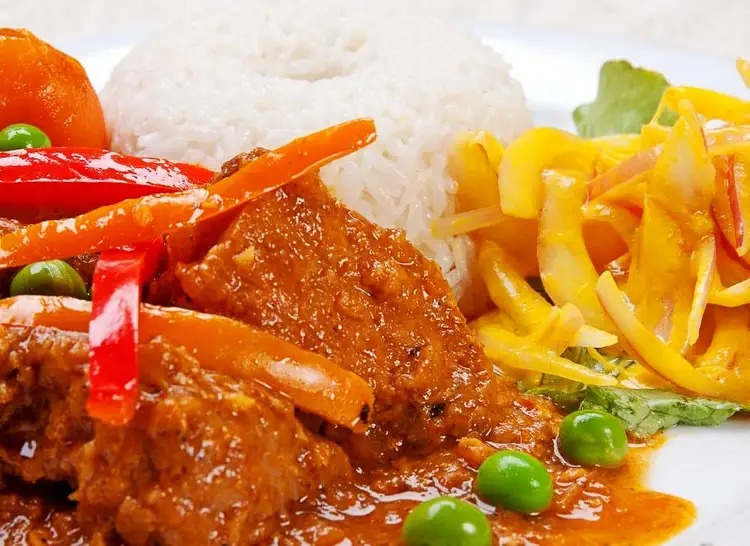
Chicken chili, Spanish for chili chicken, is a traditional Peruvian dish . After the French Revolution, some chefs working for French aristocrats lost their jobs when their masters were imprisoned or fled. Some of these chefs arrived in the New World, Peru, bringing their French culinary expertise with them. The fusion of local cuisine with French culinary traditions resulted in many new recipes, including Aji de gallina...
Peruvians love to eat this dish.This is a chicken delicacy mixed with spicy sauce, cheese, garlic, nuts, and seasoned with Peruvian chilies.
Third course: parihuela seafood soup/Peruvian fish soup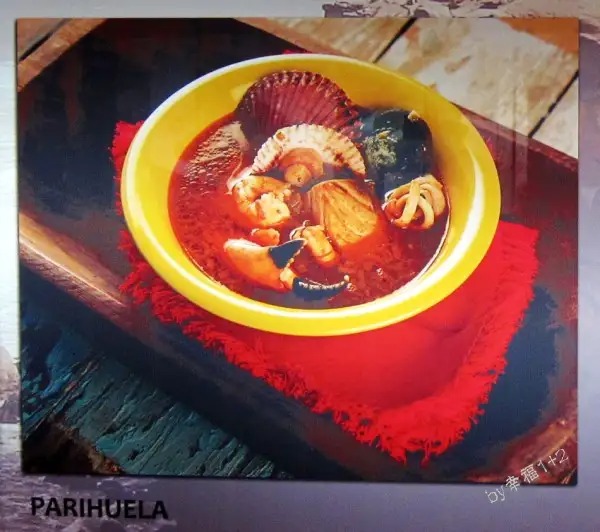
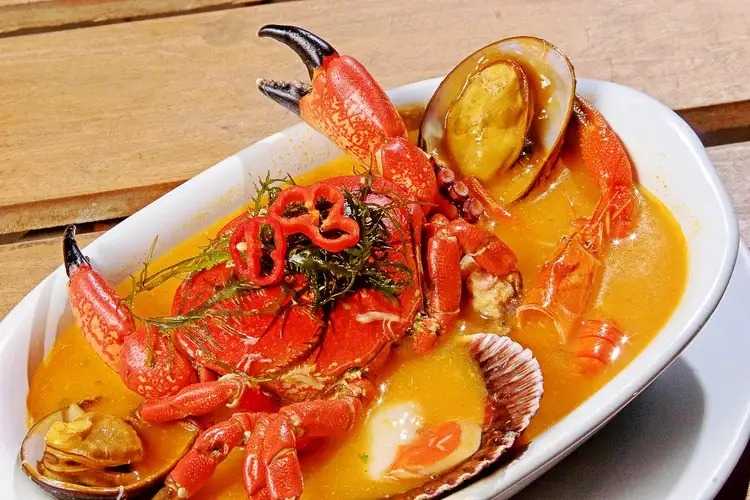
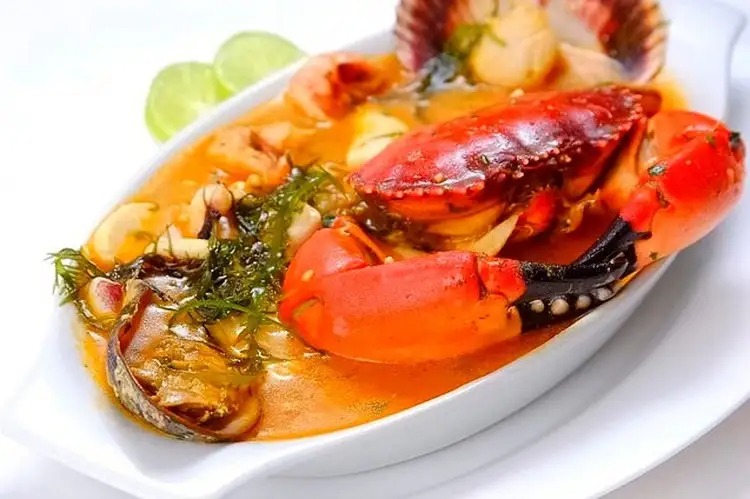
Fourth Course: SECO DE CABRITO (Meat Stew)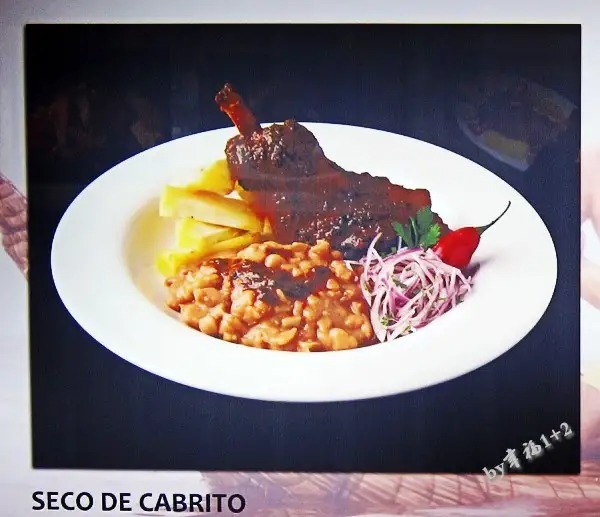
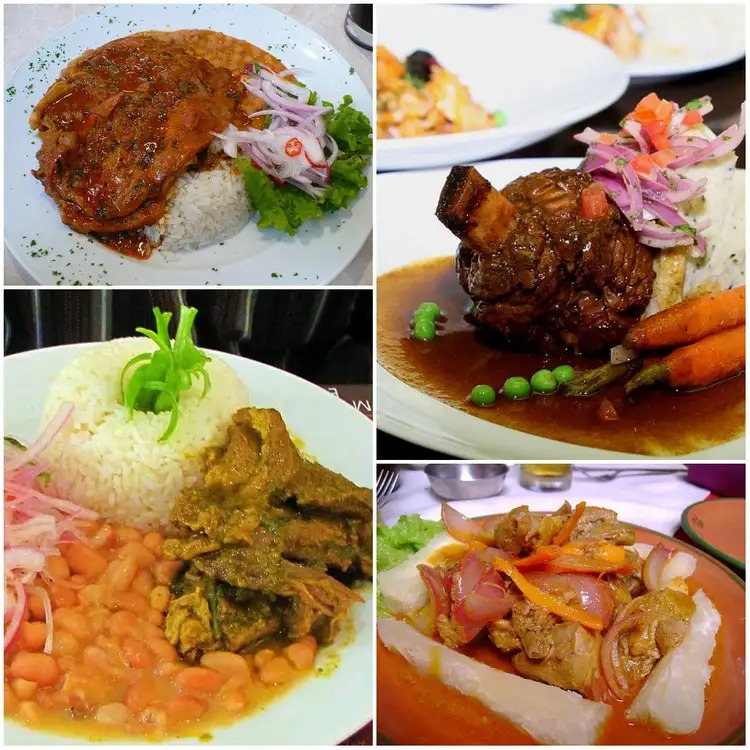
Fifth course: CHUPE DE CAMARONES crayfish soup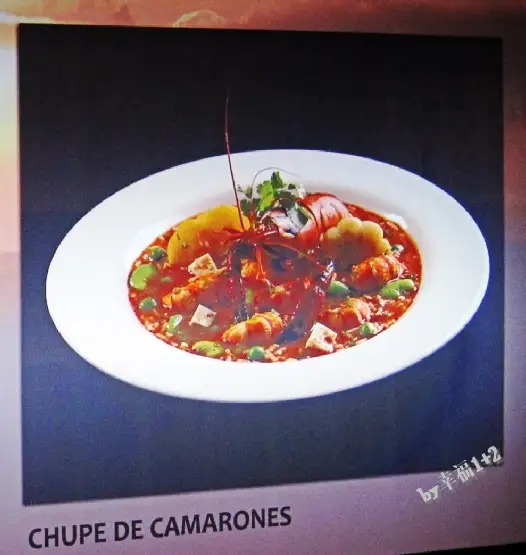
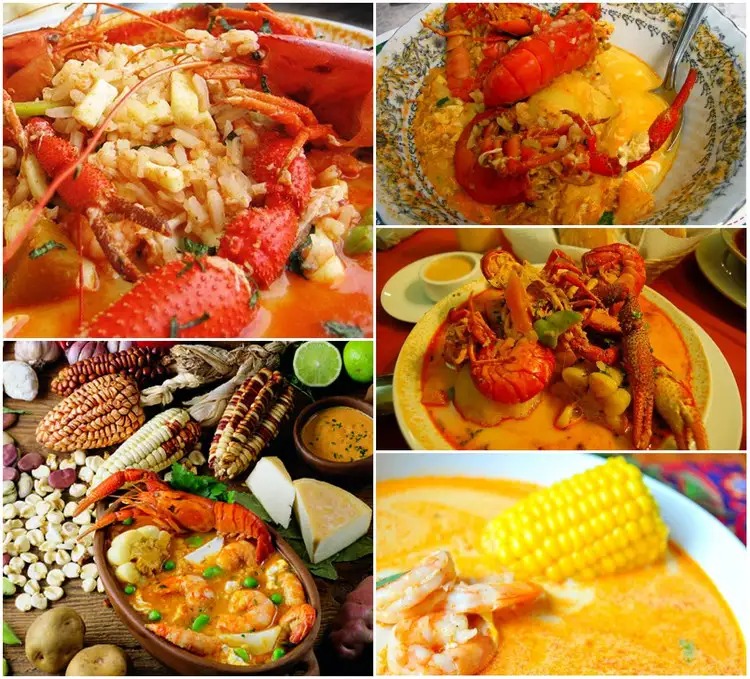
Seventh course: Chinguiritto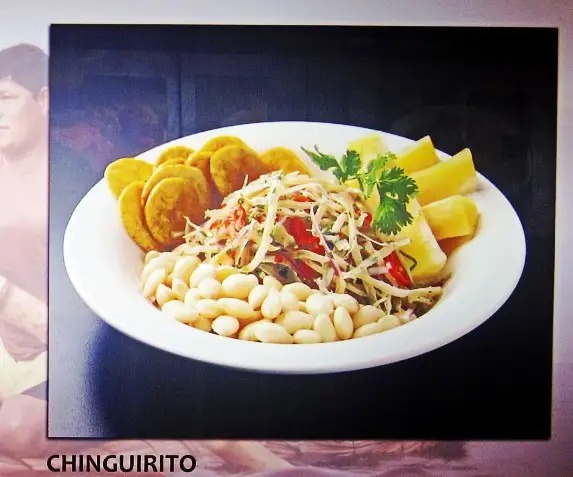
Dried salted fish, onion, garlic, chili pepper
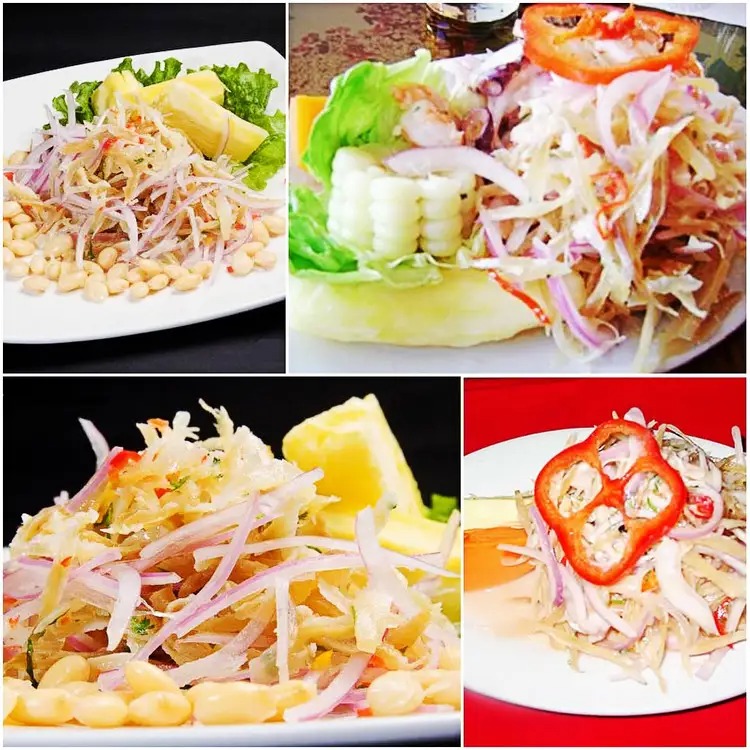
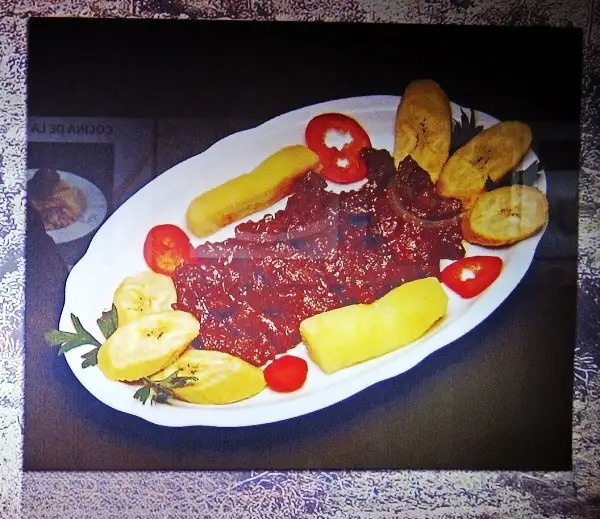
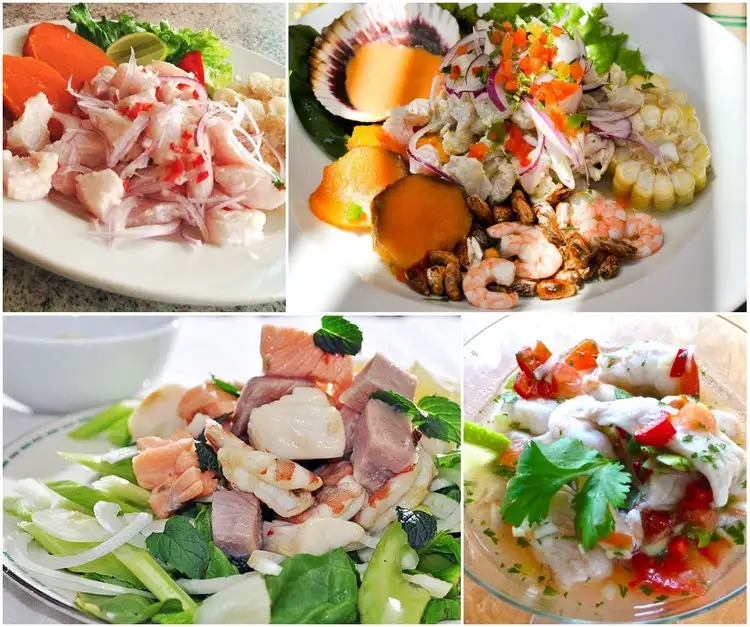
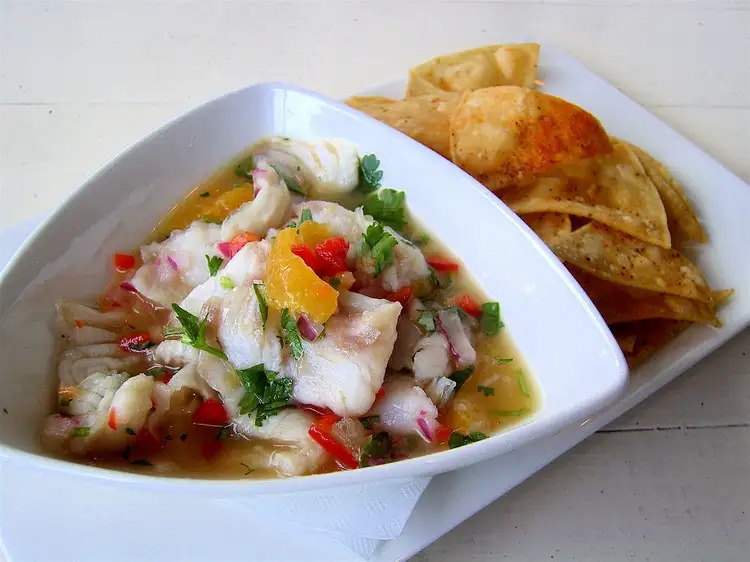 Ceviche (also spelled cebiche or seviche) is a seafood dish popular in the coastal regions of the Americas, particularly Central and South America. It typically consists of fresh seafood marinated in lemon juice, with optional seasonings such as scallions, salt, cilantro, and chili peppers, and served with a side dish of sweet potato, lettuce, corn, or avocado.
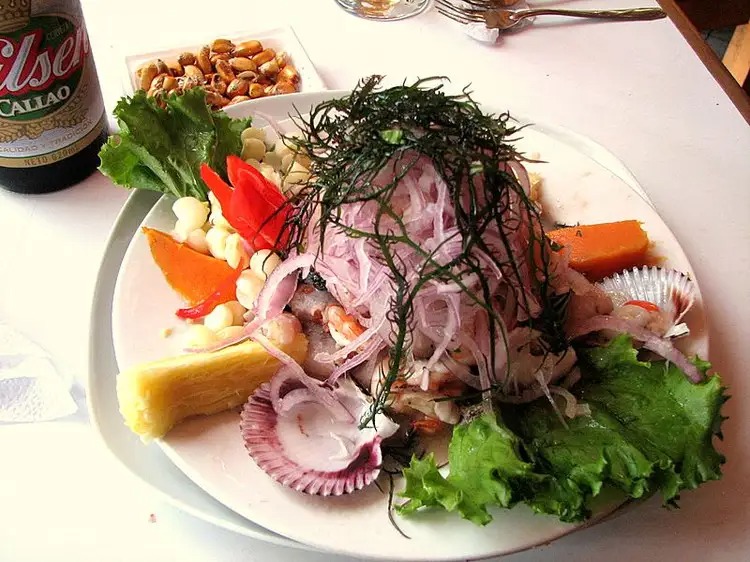 This dish was originally brought to Peru by Spanish colonists, incorporating local flavors and styles to become a part of the local cuisine. Originally, fresh raw fish was marinated in lemon juice for a week, turning a perfectly cooked white color before being used. Later, the way Japanese immigrants used sashimi influenced this dish, and now it only needs to be marinated for a few minutes before being eaten immediately.
10th Course: Chifa
Mountain cuisine, exemplified by Cusco, is primarily sweet, with beef, lamb, and potatoes as the primary ingredients, and is primarily stewed, braised, or pan-fried. Unlike the abundant seafood of coastal regions, Andean cuisine is primarily based on corn and potatoes. Meats used in cooking primarily include alpaca, guinea pigs (guinea pigs), sheep, and pigs. Inca cuisine of the Andean Highlands differs significantly from coastal culinary traditions. The most significant aspect is not the exquisiteness of the dishes themselves, but the rituals (indigenous traditions), such as the "Earth Pot," which uses the earth as a pot, heated pebbles as a fire, and various types of meat (lamb, pork, guinea pig, or chicken) placed in a clay pot to cook. Typically, elaborate dishes are reserved for celebrations and festivities, while everyday meals are simple.
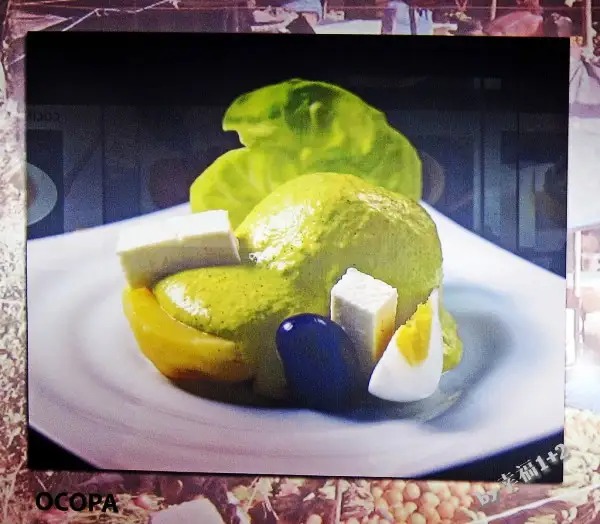
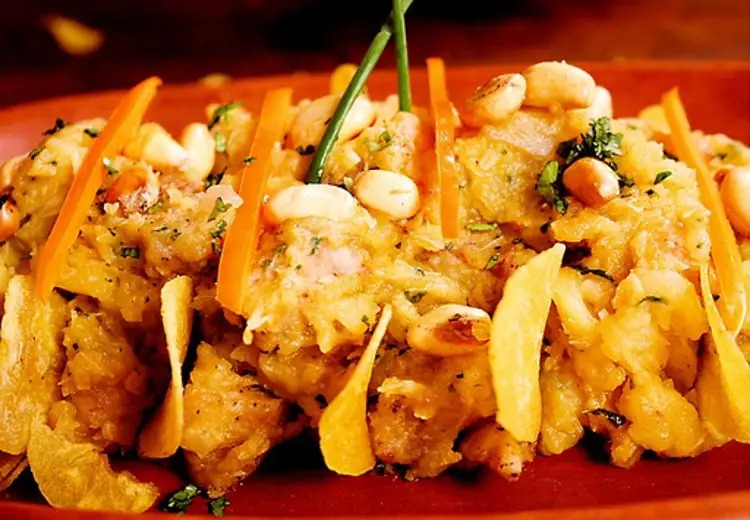
First course: ocopa (potatoes, cheese, and nut sauce)
Ocopa, a dish that dates back to the Inca Empire, is a typical Peruvian dish. Its main ingredients are chili sauce , yellow potatoes , and huacatay ( a fragrant herb also known as "black mint" ). Other ingredients include roasted peanuts, sautéed onions and tomatoes, cream or condensed milk, crushed crackers or dry bread, and salt. Sometimes , lettuce, a boiled egg, and olives are also included . This vegetarian dish makes a delicious appetizer.
Ocopa
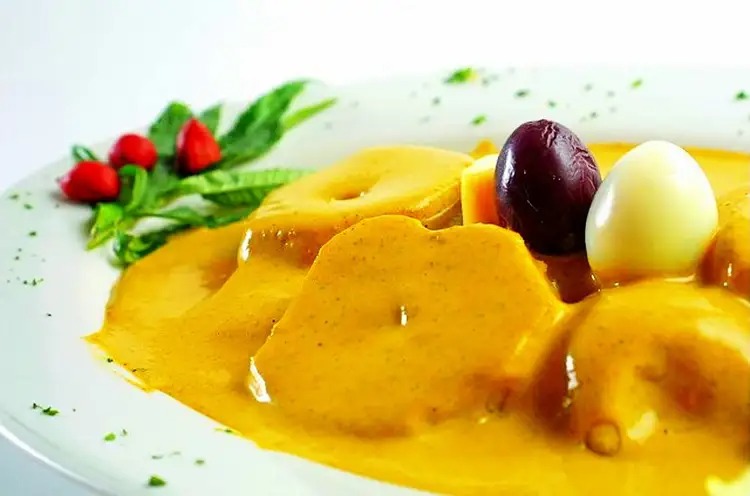
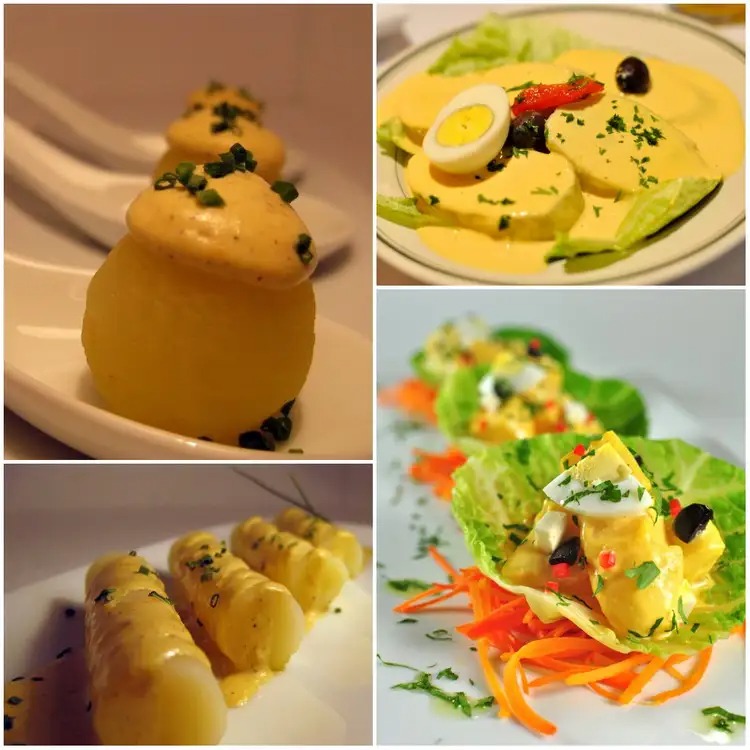 Papa a la Huancaina ( similar to Ocopa )
Second course: Chicharrones fried pork belly (meat with pork skin)
Second course: Chicharrones fried pork belly (meat with pork skin)
Chicharrones are a delicacy enjoyed by the people of the Andes. Often, small street vendors have pans perched on gas stoves, where large pieces of skin-on pork belly, larger than a fist, simmer in a rich, meaty aroma, emitting a rich aroma as they fry. Chicharrones are made with pork and pork ribs, cut into large cubes, marinated in sauce, and fried until crispy. Chicharrones are then served with shredded onions and large corn kernels (corn is a local staple, the equivalent of rice). Andean pigs are often free-range, allowing them to run freely, resulting in tight, elastic muscles. The pork is firm, sweet, and flavorful, giving chicharrones its unique flavor. However, most chicharrones vendors don't provide cutlery, as the most authentic way to eat it is with your hands, a bold and unrestrained approach that offers a unique flavor.
, but if you are concerned about hygiene, it is not recommended to eat them. After all...
Chicharrones plating
Third course: Chiriuchu guinea pig (or chicken) cold dish
chiriuchu
Chiriuchu means "cold food".Roasted chicken or guinea pig, served with sausage, fish, eggs, cheese, corn fritters, toasted cornmeal, cured meat, red peppers, and kelp. This dish is often used in Indian rituals, with the guinea pig being the heart of the dish. It's said that this delicacy was once reserved for the noble Inca kings, but now it's a favorite of the Inca people and a staple during festivals. Indians worship the sun, a warming god, so cold food is consumed during their worship. Guinea pig meat is more tender than chicken, and roasted guinea pig, cooked with a blend of spices, is completely free of any fishy smell and is incredibly tender and delicious.
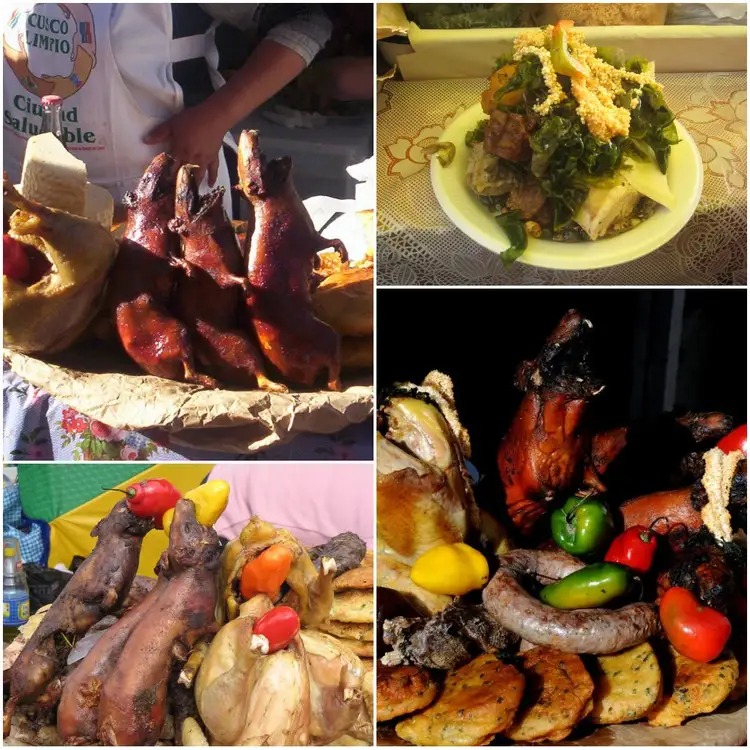
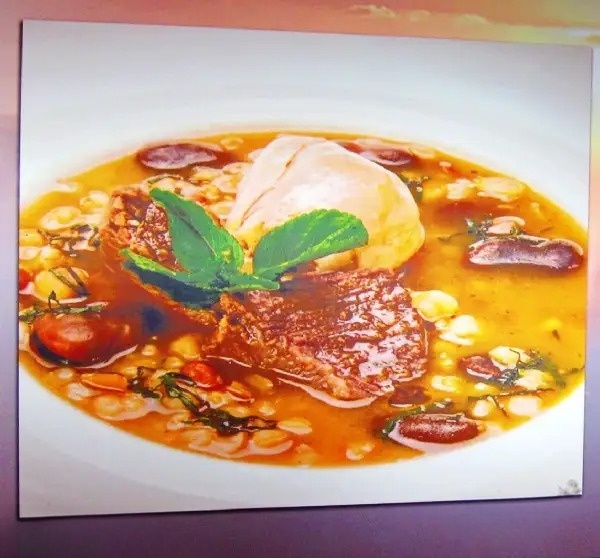
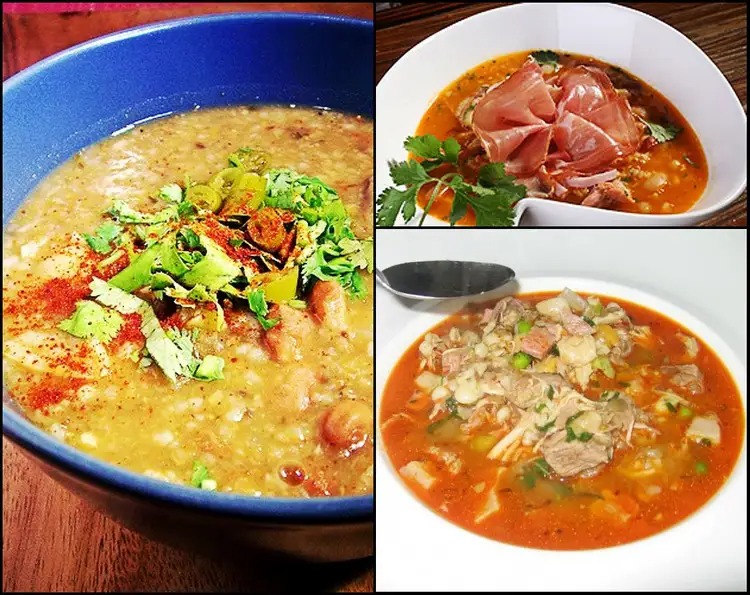
Fourth course: Shambar, a traditional Peruvian broth
Shambar is a traditional dish in Peruvian cuisine, a blend of Andean culinary traditions and Spanish influences. It must contain three types of meat (chicken, ham, beef, or pork rind, ears, or tail) and a fragrant blend of beans ( fava beans, green beans, chickpeas, and dried legumes ). Seasonings include garlic, black pepper, cumin, purple and yellow chilies, cilantro, and vegetable oil.
Shambar broth
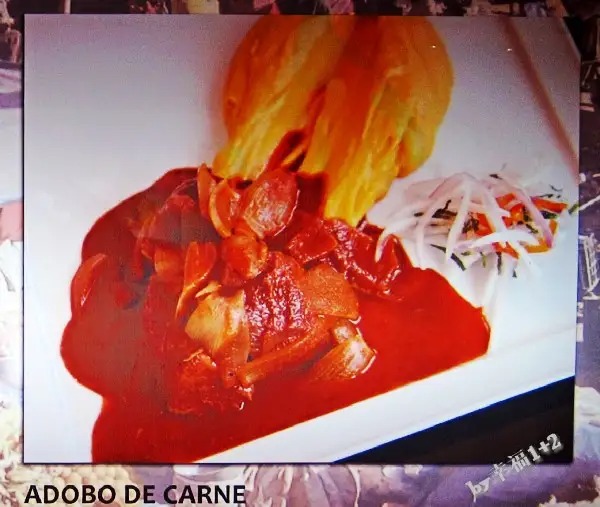
Fifth course: adobo de carne
meat marinade
In Spain, adobo refers to a vinegar-based marinade. For example, cazón en adobo is a famous dish made by marinating fish in vinegar, oil, and Oregano spices before searing. For Puerto Ricans, adobo is a powder or sauce made from a mixture of spices, herbs, and tomato paste, used as a marinade for meat and seafood. Cuban adobo is a marinade made with the juice of a sour orange called naranja agria. Further south, in the Peruvian Andes, adobo de carne is a well-known meat stew , originally seasoned with a fermented corn beverage in pre-Hispanic times.
Pachamanca Earth Pot
2. Amazon Jungle Cuisine
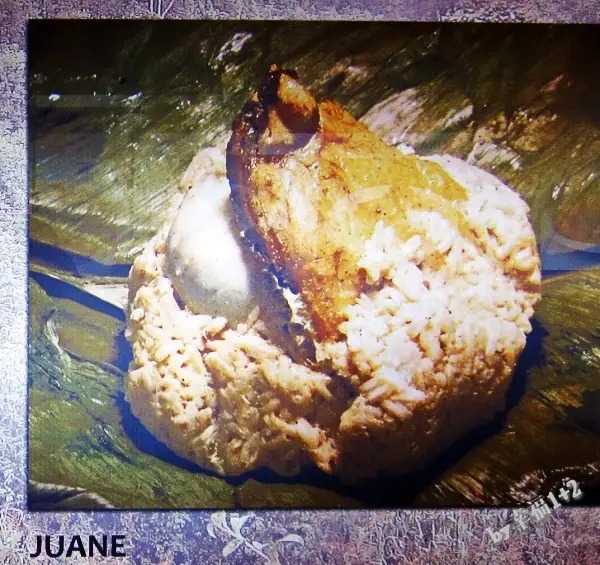
2. Amazon Jungle Cuisine
The most famous Amazon jungle delicacy is: Juane Peruvian Zongzi
Juan
Juane, a staple of Peruvian Amazonian jungle cuisine , is a delicacy found at Lima's holiday markets. Typically, vendors selling these large dumplings arrive fresh from the Amazon after a 12-hour train journey. Filled with chunks of chicken and eggs, these delicacies are known for their long-lasting shelf life and are perfect for travel.
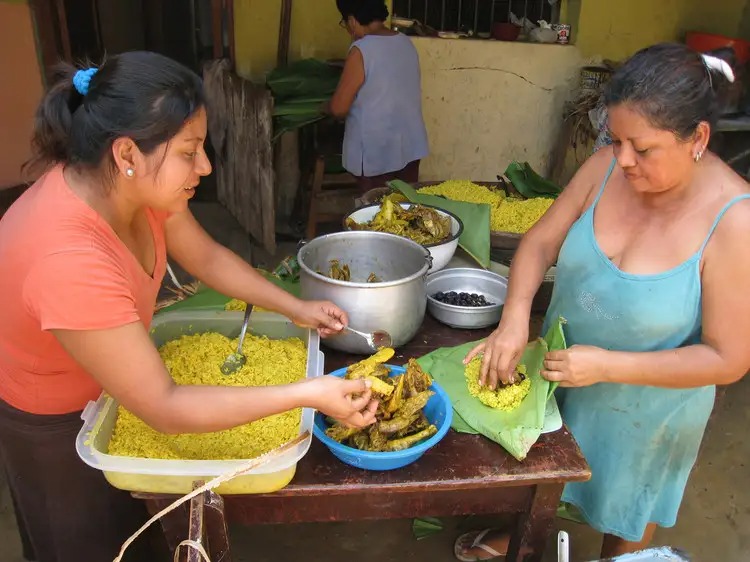
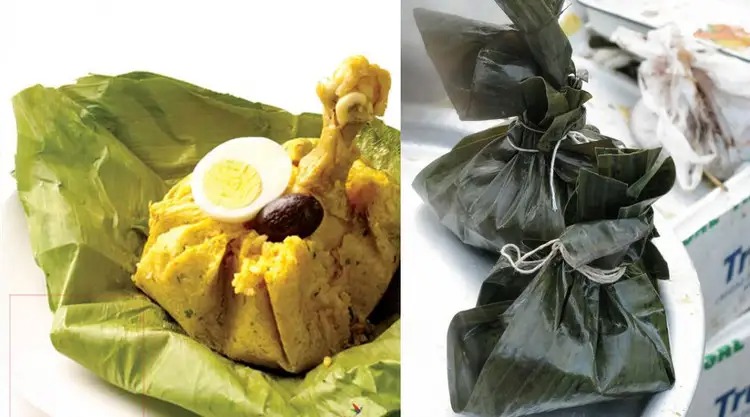
Locals make big corn dumplings
Filling and appearance of the
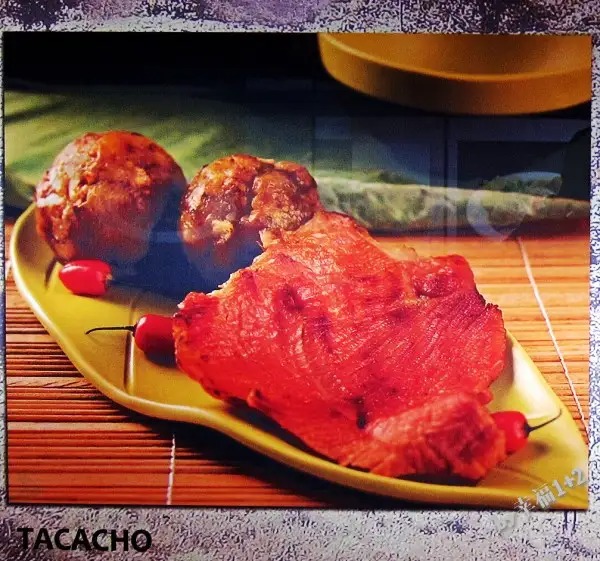
second zongzi: tacacho banana smoked (pork) meat
second zongzi: tacacho banana smoked (pork) meat
A traditional dish originating from the Peruvian jungle region .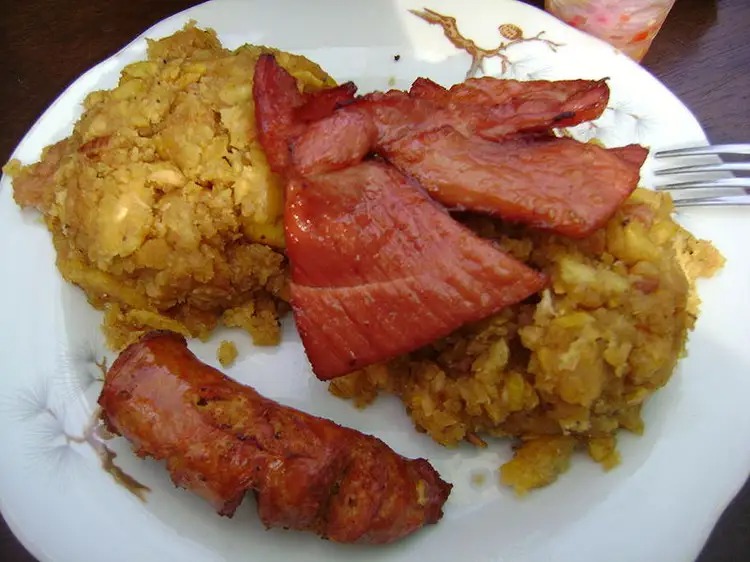 Tacacho
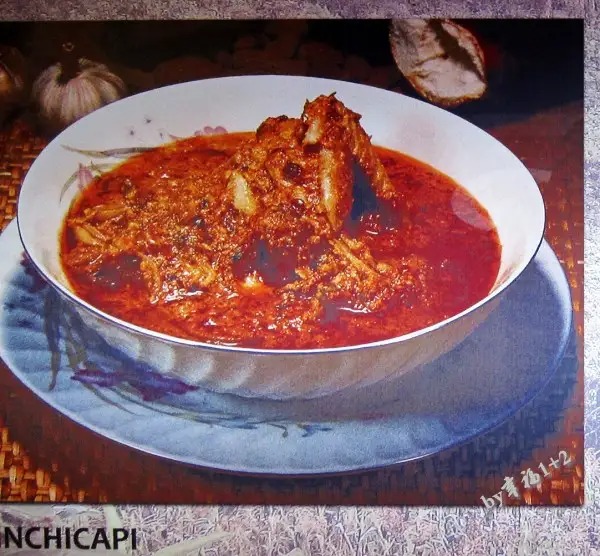
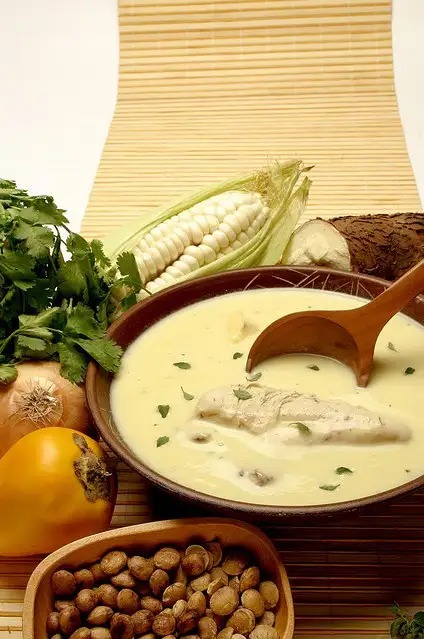
third course: inchicapi Amazon broth, usually made into chicken soup
third course: inchicapi Amazon broth, usually made into chicken soup
exemplified by Lima, is characterized by spicy flavors. Fish, seafood, chicken, and potatoes are the primary ingredients, often served cold, steamed, or grilled. Fish and shellfish are the primary ingredients in coastal cuisine, and a variety of popular coastal dishes abound, including traditional ceviche, chupe de camarones, and shrimp cioppino. The capital, Lima, offers the greatest variety of coastal cuisine. If seafood isn't to your taste, try other specialties offered by the Peruvian capital. Examples include Afro-Peruvian dishes like antichuchos (grilled beef heart), chifa, and tamales sold by street vendors.
First dish: Chili Chicken Aji de Gallina
Chicken chili, Spanish for chili chicken, is a traditional Peruvian dish . After the French Revolution, some chefs working for French aristocrats lost their jobs when their masters were imprisoned or fled. Some of these chefs arrived in the New World, Peru, bringing their French culinary expertise with them. The fusion of local cuisine with French culinary traditions resulted in many new recipes, including Aji de gallina...
Peruvians love to eat this dish.This is a chicken delicacy mixed with spicy sauce, cheese, garlic, nuts, and seasoned with Peruvian chilies.
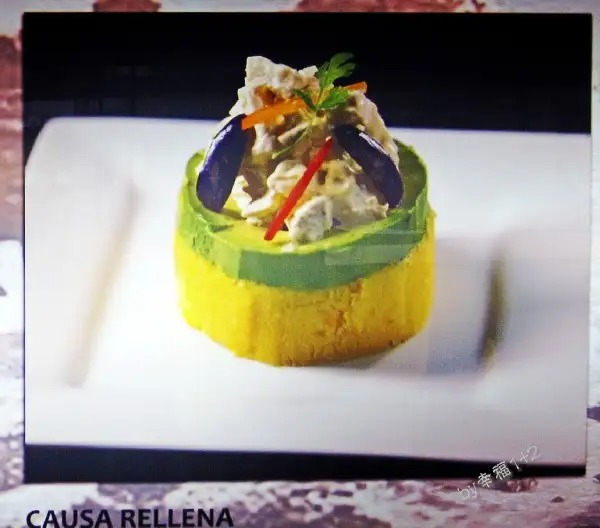
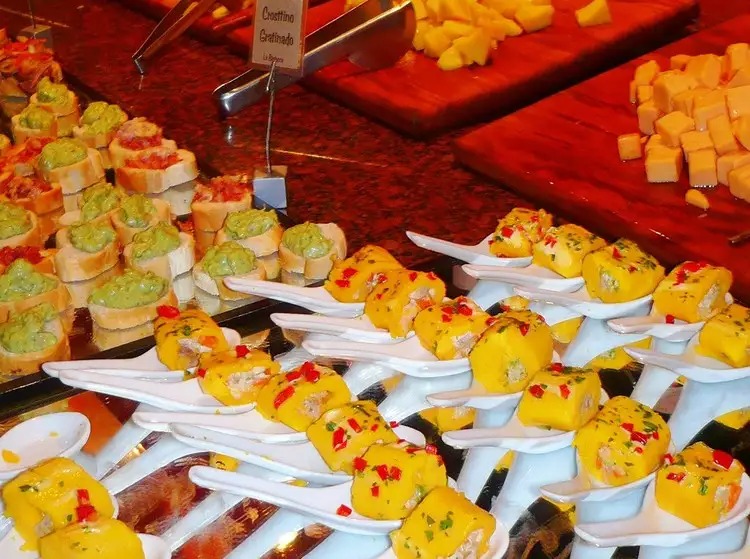
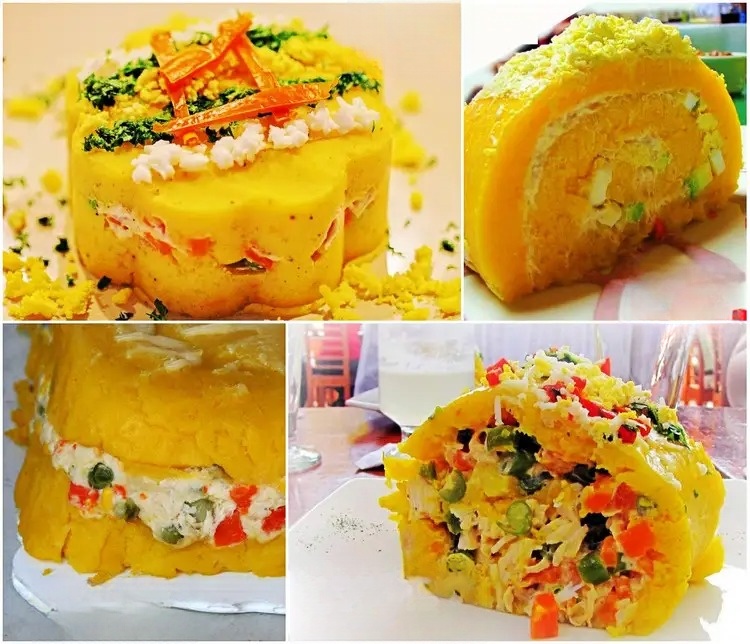
Second course: Potato dish Causa Rellena
FILLED CAUSE
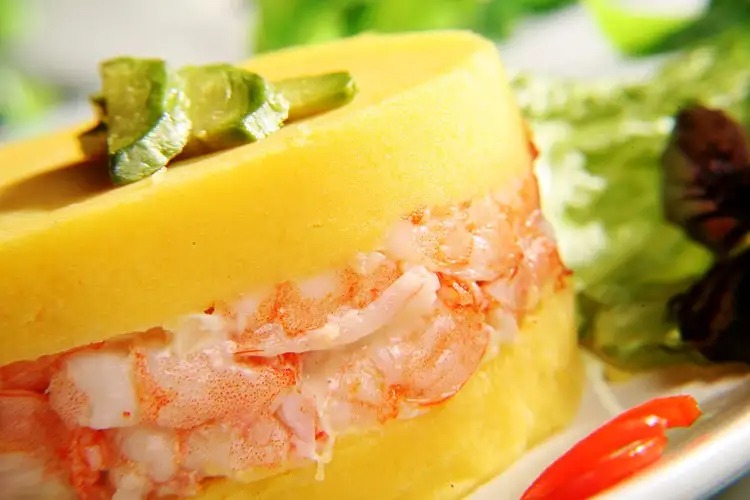
This traditional Peruvian potato dish can be filled with anything, with chicken or seafood salad with mayonnaise being common. Tuna salad, crab salad, shrimp salad, poached or sautéed fish or seafood, smoked trout, or seafood ceviche are also common fillings. Vegetarian fillings include sliced avocado, sliced or grated cheese, sliced or chopped tomatoes, corn kernels, and thinly sliced red onion.It is often served with boiled eggs and black olives. Chopped or whole leaves can also be used. Steakhouse causa rellena and avocado stuffed toast
Causa rellena with shrimp filling
Third course: parihuela seafood soup/Peruvian fish soup
Seafood soup originated in Spain. Its bright red color makes it mouth-watering and it is the first choice for appetizers on the menu.
Fourth Course: SECO DE CABRITO (Meat Stew)
It is usually goat meat, but mutton, chicken, or beef is often used instead of goat, and is marinated with beer, fresh coriander leaves, garlic and other seasonings.
Fifth course: CHUPE DE CAMARONES crayfish soup
This is a nice Peruvian food dish, crayfish meat, shrimp meat... very popular in Lima.
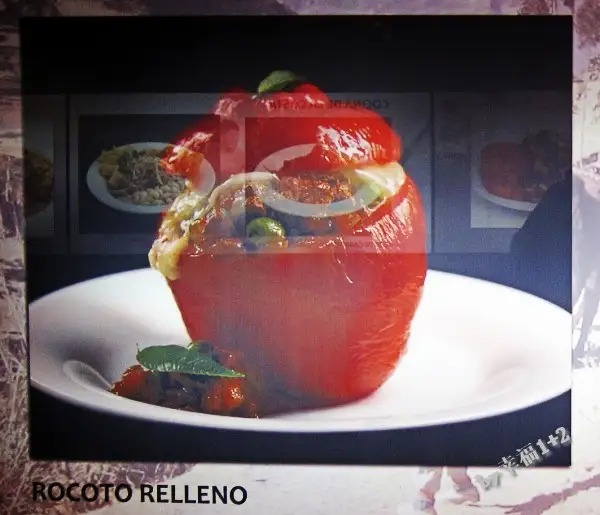
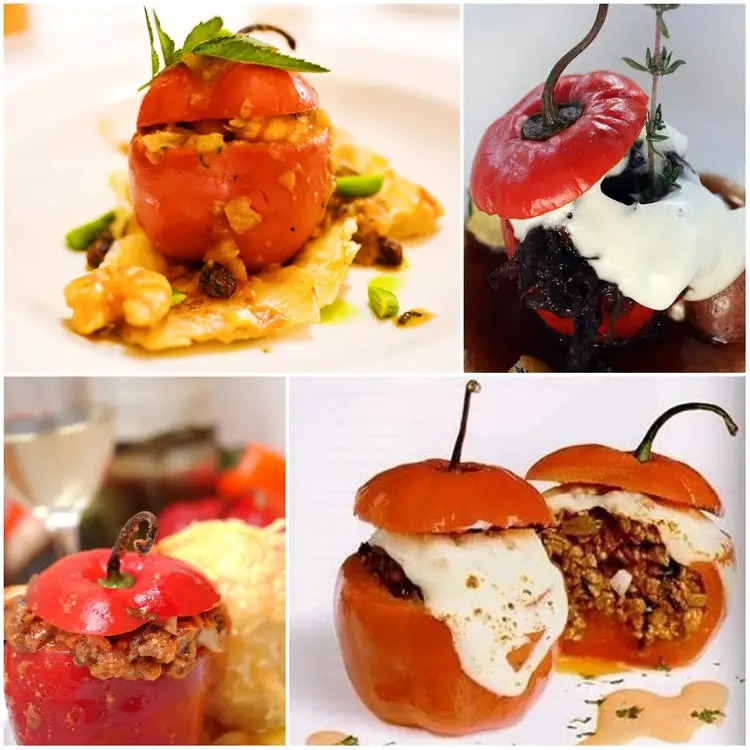
Course 6: Rocoto Relleno (Delicious peppers stuffed with spiced meat (beef or pork))
Locally grown rocoto peppers are used as a container, filled with minced meat, topped with cheese, and steamed. This preserves the juiciness of the meat while absorbing the spicy flavor of the peppers. The skin of the peppers is usually not eaten, only the filling inside. For those who prefer a spicy flavor, soak the peppers in warm salt water for a long time.
Seventh course: Chinguiritto
Dried salted fish, onion, garlic, chili pepper
8th course: Vegetarian zarapatera
This is a vegetarian dish made with a sauce thickened with onions, garlic, cilantro, and grated bananas. It is served with corn kernels.
Ninth course: Ceviche seafood dish
Peruvian and Japanese flavors
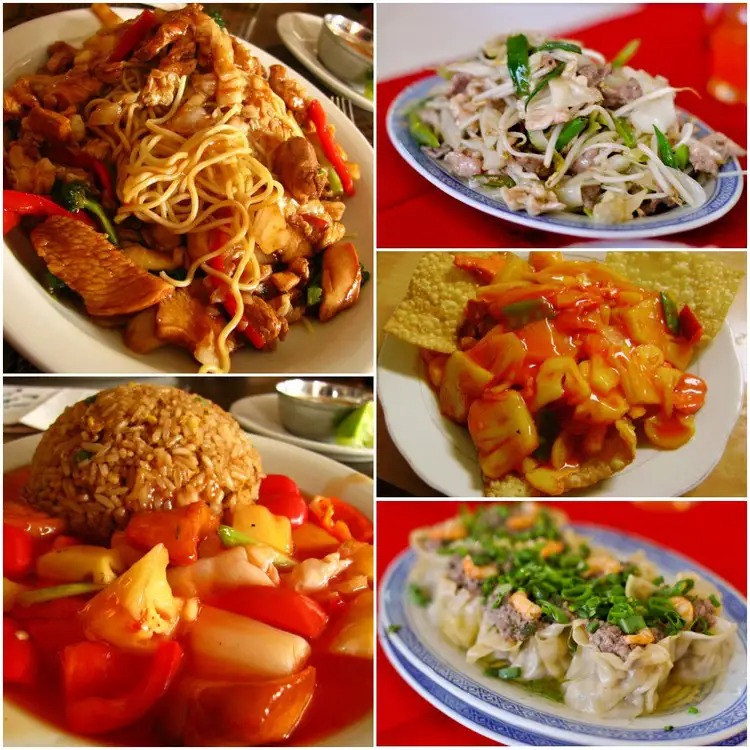
10th Course: Chifa
Chifa is a term that derives from the fusion of food brought by immigrants from Guangdong Province in the late 19th and early 20th centuries.
Chifa signs can often be seen in Lima's Chinatown.
Chifa signs can often be seen in Lima's Chinatown.
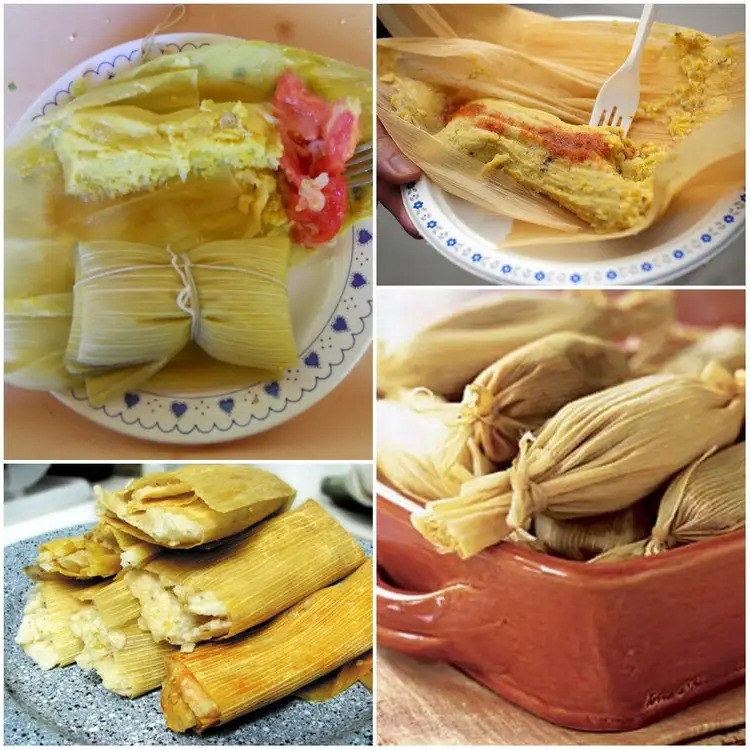
Course 11: Humita
Tamale is a traditional Latin American delicacy. Similar to the Peruvian juan (a large rice dumpling from the Amazon jungle), it is wrapped in leaves and can be steamed or boiled, removing the leaves before eating. Fillings can be cornmeal wrapped with meat, cheese, fruit, vegetables, chili peppers, eggs, or whatever you prefer. Called humita in Peru , it is often wrapped in cornmeal and can be sweet or savory, with sweet fillings like raisins, vanilla, oil, and sugar. Savory fillings can be filled with cheese or chicken and oven-baked. Also known as tamale in Peru, it is often spicy and wrapped in banana leaves. Chicken or pork is a common filling in Lima, often accompanied by boiled eggs, olives, peanuts, or chili flakes. In other cities, tamales are smaller and wrapped in corn husks. A must-have Christmas treat!
12th course: Antichuchos grilled beef heart
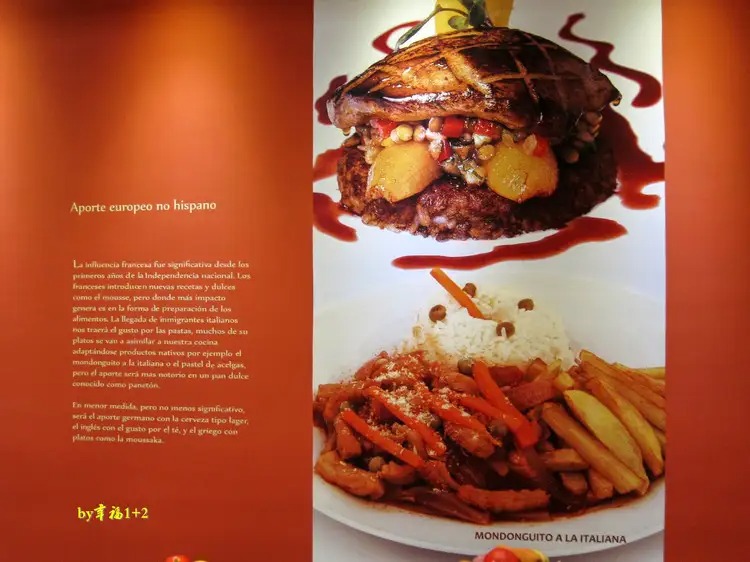
Thirteenth Course: Mondonguito la italiana (Italian Beef Tripe)
Fry onions and garlic in a pan, then add yellow peppers, tripe, and broth. Cover the pan and simmer for about 15 minutes. Add potatoes.
When it's almost done, add carrots, peas, mint, etc. with salt and pepper.
, there's a cola called Inca Cola. This yellow soft drink, with a hint of pineapple and a sweet flavor, is so deeply ingrained in the lives of Peruvians that no other beverage can surpass its status. It's practically the country's "national drink." Known as the "Taste of Peru," Inca Cola's advertisements are ubiquitous throughout the country. Whether you go to restaurants in major cities, on the tables of ordinary families, or even in remote mountain towns, you'll find Inca Cola everywhere you go, and it's enjoyed by everyone, regardless of social status.
Peruvians love Inca Cola so much that even the older American Coca-Cola couldn't compete with this powerful competitor in Peru. Despite its best efforts, Coca-Cola was repeatedly defeated. In desperation, Coca-Cola acquired Inca Cola, but kept the name and flavor unchanged. Unfortunately, Inca Cola is only sold in parts of South America, North America, and Europe, and its market share is very low.