Perennial Flower Cultivation Process
I. Cultivation Process of Perennial Flowers
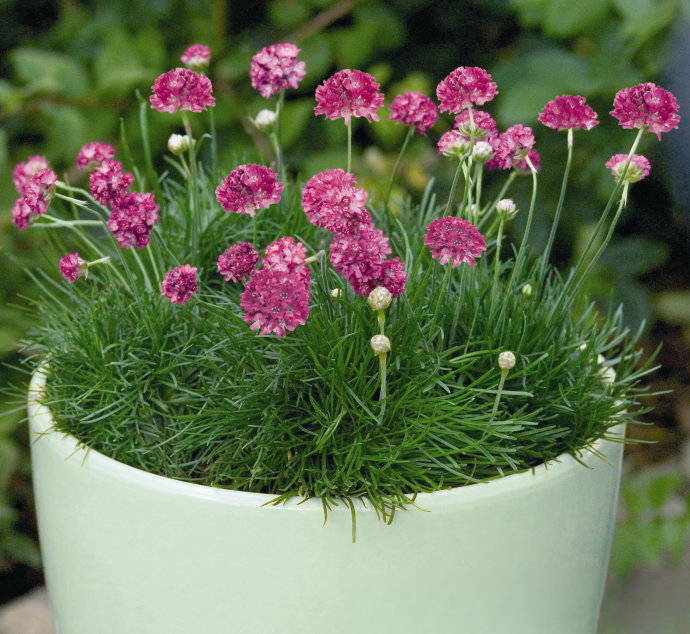
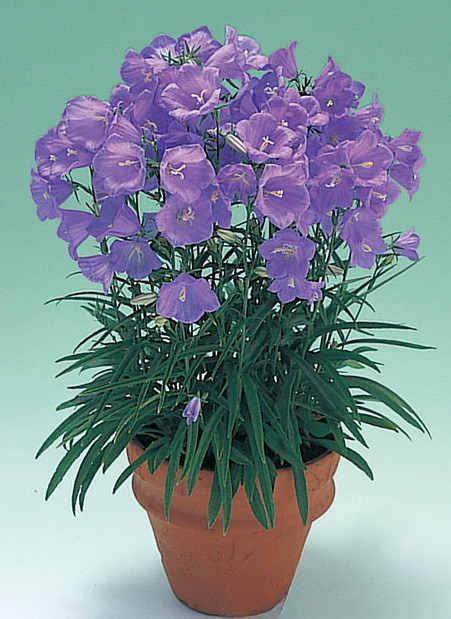
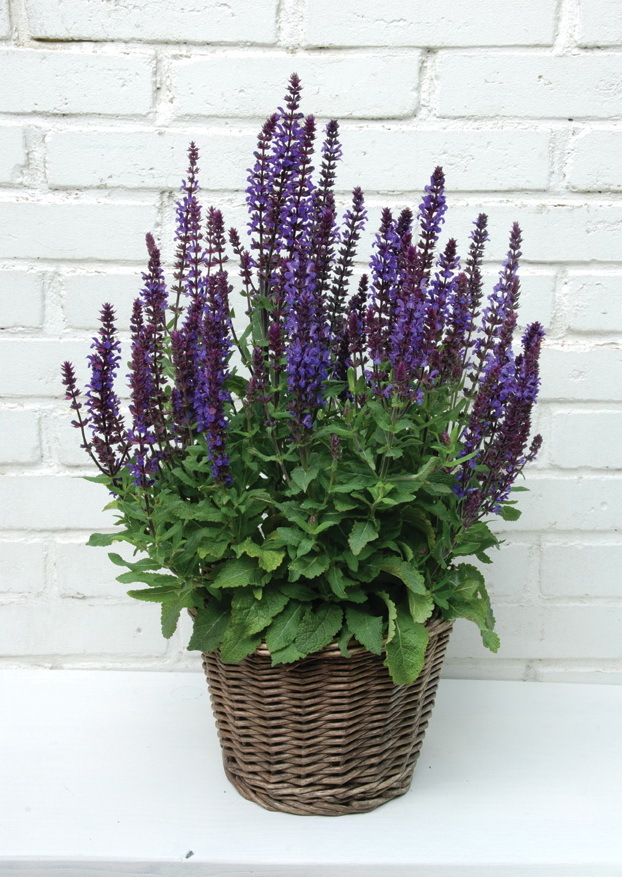
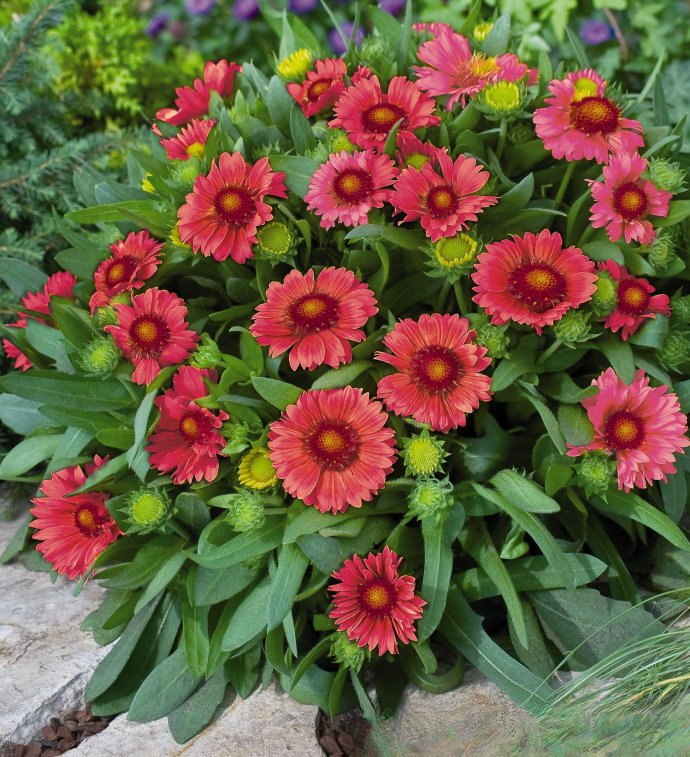
I. Definition of Perennial Flowers: Perennial flowers, also known as herbaceous plants, refer to perennial ornamental plants whose above-ground parts flower, bear fruit, and wither, while their underground parts form a well-developed root system, allowing them to overwinter outdoors and sprout, grow, flower, and bear fruit again the following year. Examples include Echinacea, Astilbe, Gaillardia, Rudbeckia, Dianthus, Iceland Poppy, Sedum, Columbine, Bellflower, and Sage.
II. Introduction to Fast Track Technology: With the continuous development of breeding technology, the German company BENARY has recently launched Fast Track varieties. These varieties are characterized by a 3-5 month timeframe from sowing to flowering, and they can complete vernalization without the need for low temperatures, although low-temperature vernalization can improve flowering quality. Conventional varieties, on the other hand, require 6-12 months or more from sowing to flowering and must undergo low temperatures or short-day conditions to bloom. This technology significantly shortens the planting time, bringing benefits to the standardized seedling production of perennial flowers, similar to annuals. When introducing varieties later, we will add a label to Fast Track varieties. For non-BENARY products that also exhibit flowering characteristics within the same year, we will provide further labeling for easy identification.
III. Flowering Mechanisms of Perennial Flowers: Perennial flowers have different flowering mechanisms. Generally speaking, they require photoperiod (length of daylight), vernalization (low temperature), or both. Understanding the unique flowering mechanisms of perennial flowers is one of the most important factors affecting the successful commercial production of perennials.
Photoperiod ( day length) is often required for perennial flowers to stimulate flowering. Long-day plants require 14 hours or more of daylight to flower, while medium-day plants flower regardless of day length, but some species or varieties flower more under long-day conditions. Short-day plants require short days (generally less than 12 to 14 hours) to flower. Long-day plants can be stimulated to flower during their non-natural flowering season through artificial lighting. A simple and easy way to artificially create long days is to provide supplemental lighting at night, from 10 pm to 2 am the next day for 4 hours (effectively, a short night stimulates flowering in long-day plants).
There are three key elements for successful vernalization (low temperature) , none of which can be omitted: ① The plants to be vernalized must be fully mature; ② A suitable low temperature (generally not higher than 3-5°C); ③ An appropriate low temperature treatment time (generally at least 6 to 10 weeks).
Low-temperature treatment is very ineffective for immature perennial flowers. Generally, at least two months of vegetative growth period should be ensured before low-temperature treatment. For the fast-track varieties launched by the German company Benary (which can complete the flower bud differentiation process without low temperature), vernalization can be avoided. However, vernalization can significantly shorten the flowering time after transplanting and improve the uniformity of the flowering period.
IV. Standardized seedling production process for perennial flowers:
1. Seedling medium: Imported peat significantly improves germination rate and accelerates seedling growth. A 300L package can fill 100-120 200-cell trays, increasing the cost per cell by only 1 cent. The effect of using imported peat is even more pronounced, especially for small seeds.
2. Sowing time:
The general sowing-transplanting-flowering pattern for the Fast Lane variety is as follows: sowing from January to March, potting from March to May, and flowering from May to September. Even for the Fast Lane variety, after potting and allowing it to recover, placing it in a greenhouse at 0-5 degrees Celsius for 1-1.5 months significantly increases the quantity and quality of flowers. Therefore, if you have sufficient greenhouse space, it is recommended to go through this process.
The typical sowing-transplanting-flowering pattern for common varieties is as follows: sowing from September to November, potting from November to March, and flowering from April to August.
3. Optimal time for potting:
The optimal time for transplanting is when the roots of the seedlings in the plug trays have just emerged from the ventilation holes at the bottom of the trays and the roots have formed a clump, making transplanting easy. Transplanting too late will result in stunted, older seedlings, prolonging the growth period and affecting the quality of the final product.
4. Growth process management:
After the seedlings in the plug trays have established themselves, transplant them into 50-cell or 8x8 cm seedling pots or ready-made commercial pots. After acclimatizing for 2-4 weeks, move them to a greenhouse with a nighttime temperature of 0-5 degrees Celsius and a daytime temperature of 10-15 degrees Celsius for 1.5-2.5 months. During this period, regularly check the humidity in the pots and always keep the medium moist. Some special varieties that require long days to promote flower bud differentiation will need additional light treatment during this period, ensuring 12-14 hours of light. Most varieties do not require additional light treatment. After entering March, when the temperature rises, under greenhouse conditions with a minimum temperature of around 10 degrees Celsius, normal growth and care, including fertilizer and water management, can begin until flowering.