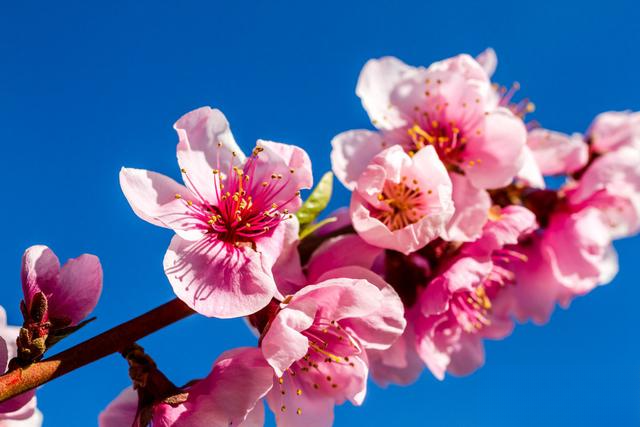
Peach blossoms bloom in early March; five common diseases and pests and their control methods are key to a bumper harvest.
With the arrival of early spring and the gradual rise in temperature, pathogens and pests begin to become active. Therefore, timely pest and disease control for peach trees is crucial for reducing the overall population of pests and diseases throughout the year. Because peach trees are particularly sensitive to pesticides during their flowering period, spraying can easily cause phytotoxicity; therefore, pesticides must be applied before or after flowering.
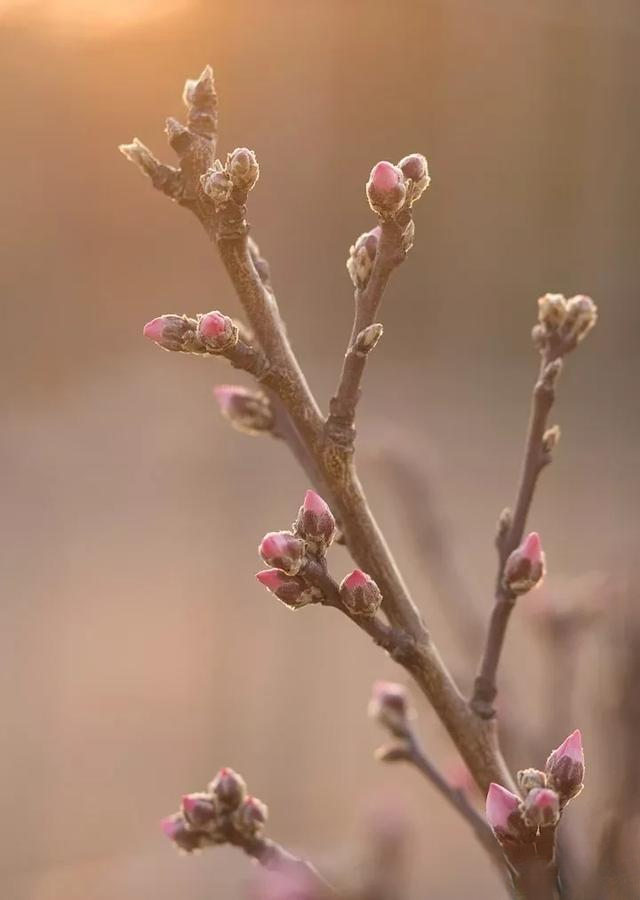
01 Peach anthracnose and bacterial leaf spot
Anthracnose in peach trees initially infects fruiting branches in early spring, then spreads to flowers and fruits, exacerbating the damage. Initially, water-soaked lesions often appear on the affected areas. As the disease progresses, these lesions enlarge into reddish-brown circular or oval shapes, with distinct depressions and concentric rings. In humid conditions, small, bright red dots are often present on the lesions. Severe cases cause extensive dieback of fruiting branches and extensive fruit rot. The young fruit stage is the most severely affected throughout the year. Bacterial leaf spot primarily damages peach tree leaves and fruits, causing leaf perforation and drop, and fruit cracking. Bacterial sap often oozes from the affected areas.
The control methods for these two diseases are as follows : First, prune diseased branches that have been infected for the first time from the time the buds sprout until around the time of flowering to eliminate overwintering pathogens and prevent reinfection; second, increase the application of phosphorus and potassium fertilizers to enhance tree vigor and avoid leaving branches that are too dense or too long; third, spray Bordeaux mixture (1:1:100) 1-2 times when peach buds sprout.
02 Peach tree root cancer
It mainly damages the roots, forming tumors that severely impair peach tree growth, resulting in stunted growth, fewer and lower-quality fruits, and in severe cases, the death of the entire tree.
Main prevention and control methods : First, strengthen soil management, apply fertilizer rationally, improve the soil, and enhance tree vigor; second, strengthen orchard inspection, dig up the topsoil of suspected diseased plants, and thoroughly scrape off the diseased parts or cut off the diseased roots with a knife after discovering the disease, and disinfect with 1% sodium pentachlorate solution, or soak or drench the roots with 20 times diluted root cancer inhibitor.
03 Kuwahakusuke
Also known as mulberry scale insect and peach white scale insect, it is a major pest that damages peach trees. It mainly damages the new shoots, branches and fruits of peach trees, causing the tree to become severely weak, affecting the yield and quality of fruits, and in severe cases, the entire tree will die.
Main control methods : Spray 1-2 times with lime sulfur solution at 5 Baume degrees or 100 times diluted petroleum oil emulsion before budding to kill overwintering female adults. Alternatively, when the insects are densely packed, brush them off with a stiff brush before spraying to facilitate pesticide penetration.
04 Red-necked Longhorn Beetle
The larvae often bore into the bark and xylem of peach tree branches and trunks, weakening the trees, shortening their lifespan, and in severe cases, causing large areas of peach trees to die.
Main control methods : Locate the affected areas based on the frass and insect droppings on the branches and ground, and then kill the larvae with a wire. Alternatively, control can be achieved by applying pesticides through the boreholes. When fresh insect droppings are discharged from the borehole after the larvae have bored into the wood, clean the borehole, insert one aluminum phosphide pellet into the borehole, and then press a ball of sticky mud firmly into the borehole.