October Flower Events: Autumn Garden Pruning and Shaping
September has arrived, and the new school year is here. Children who have played wildly during the summer vacation are excitedly rushing to school, listening attentively to their teachers as they teach and review various knowledge points. Our garden is the same. After a whole summer of heat and torrential rain, it lies there in a mess, waiting for its owner to carefully tend to it and bring it back to life.
This weekend, on this day off, let's grab some tying wire and garden shears, tidy up our garden, and welcome the exquisite and colorful autumn together!
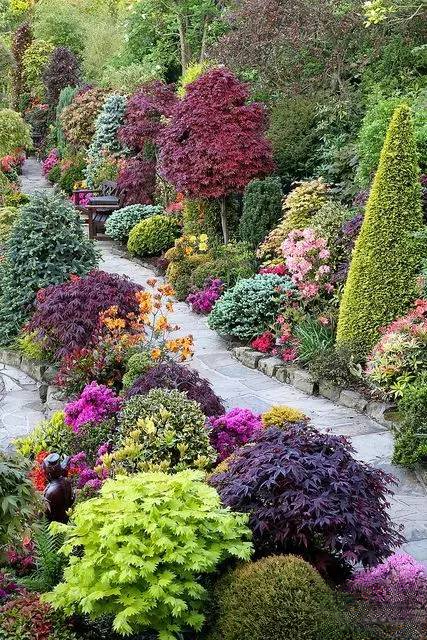
Tree and shrub pruning:
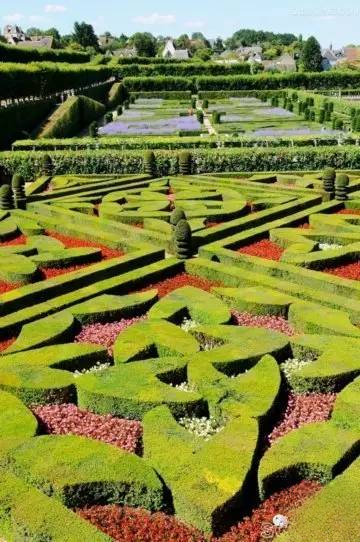
Let's first talk about pruning needs, such as increasing light penetration, increasing flowering, improving fruit quality, and reshaping the plant. Different needs determine different pruning directions. Commonly used shapes include round, oval, conical, serpentine, and off-center crown shapes.
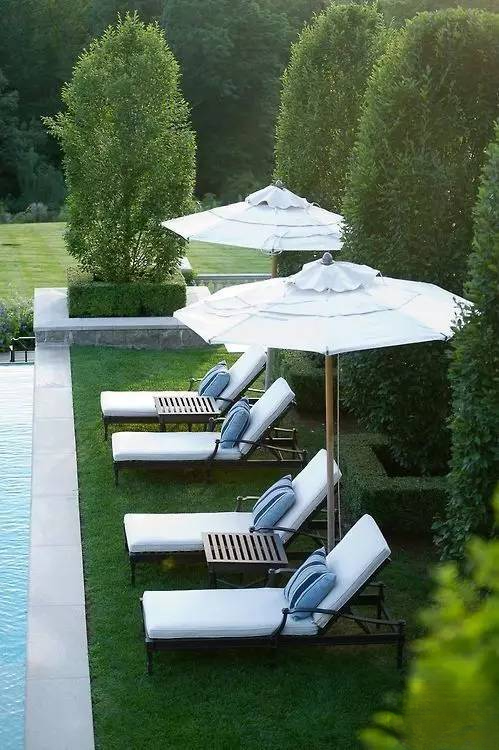

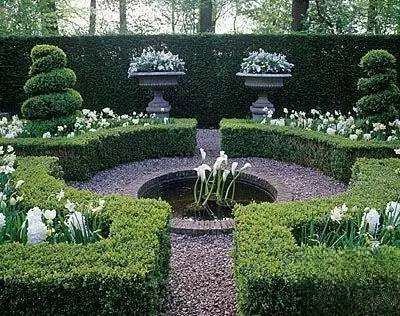
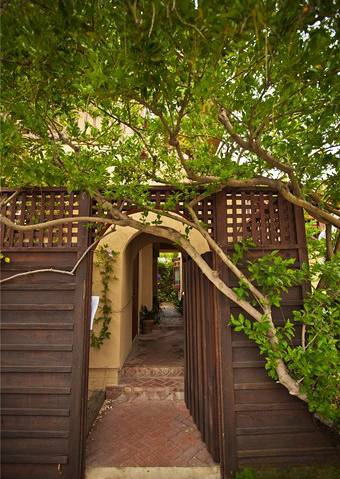
Pruning of hedges and ball plants:
Similar to pruning trees and shrubs, shaping is key. The height, width, and bottom pruning line need to be determined first, essentially defining the pruning area broadly before starting the fine shaping.

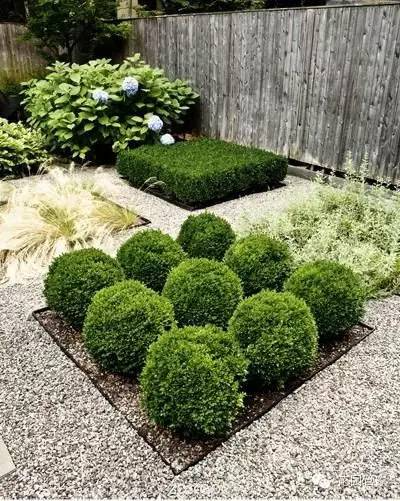

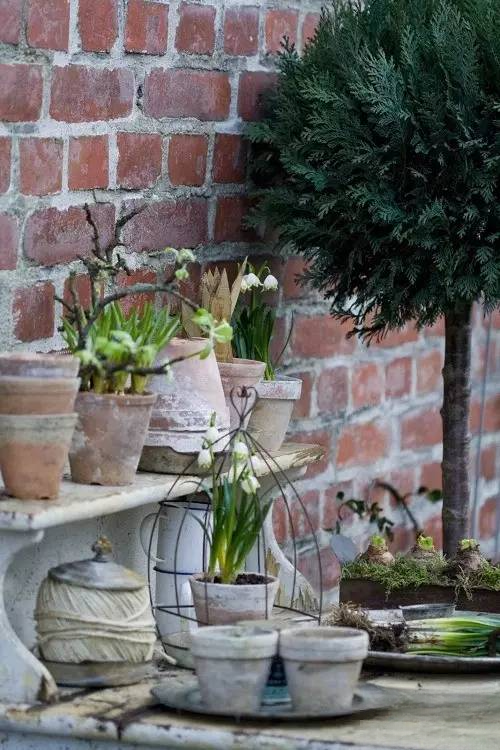
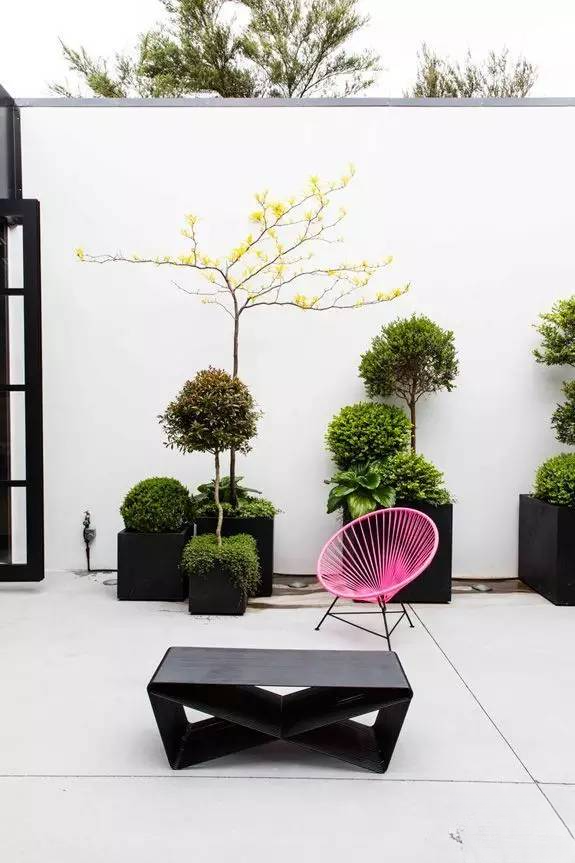
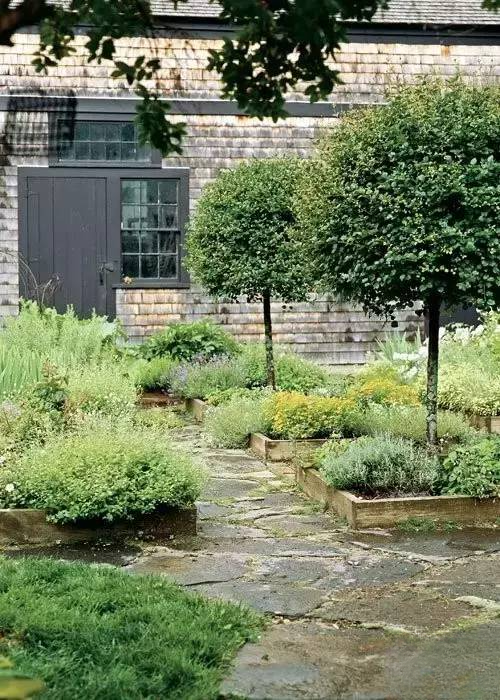
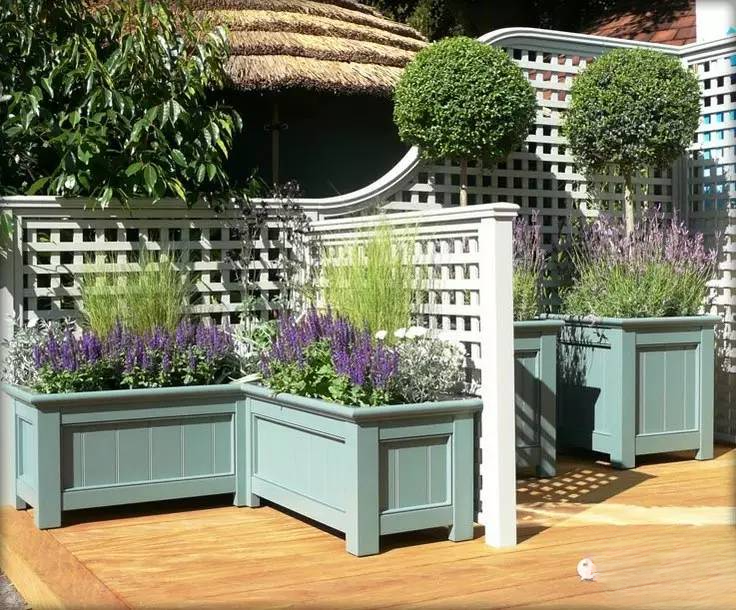
In addition to the commonly used forms mentioned above, the lollipop style, which has become popular in recent years, can be found in various courtyards due to its unparalleled adaptability to different scenes.

Flower border pruning:
Pruning is divided into light pruning and heavy pruning. Light pruning involves removing 2-3 nodes after flowering. Simply cut off spent blooms promptly after flowering; this can be done at any time of year. In the heat of summer, some plant enthusiasts choose to lightly prune when flower buds first appear, allowing the plant to conserve nutrients for a vibrant autumn bloom. Heavy pruning involves pruning to about 25 cm above the ground. Some perennial flowers that only bloom on two-year-old branches must be pruned before complete dormancy, such as the popular hydrangea (except Endless Summer) and geraniums.

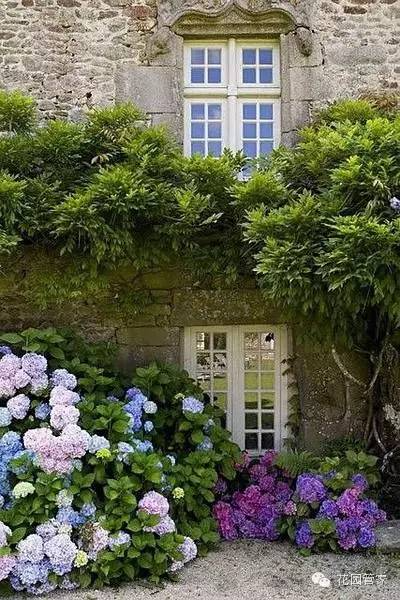

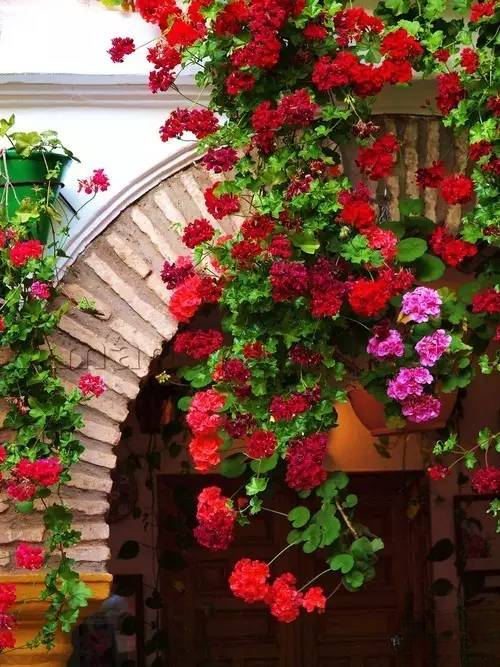
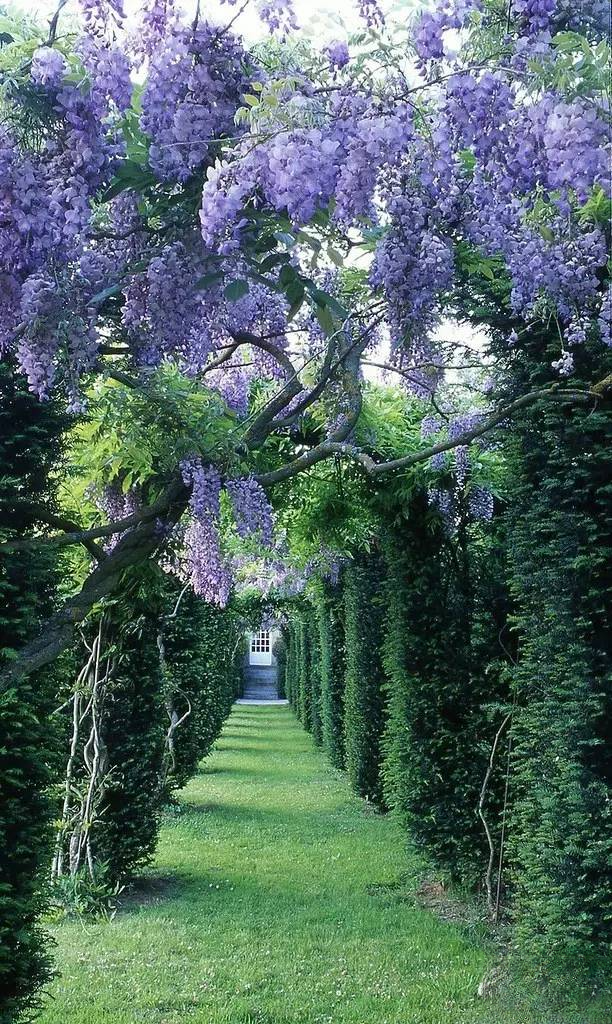
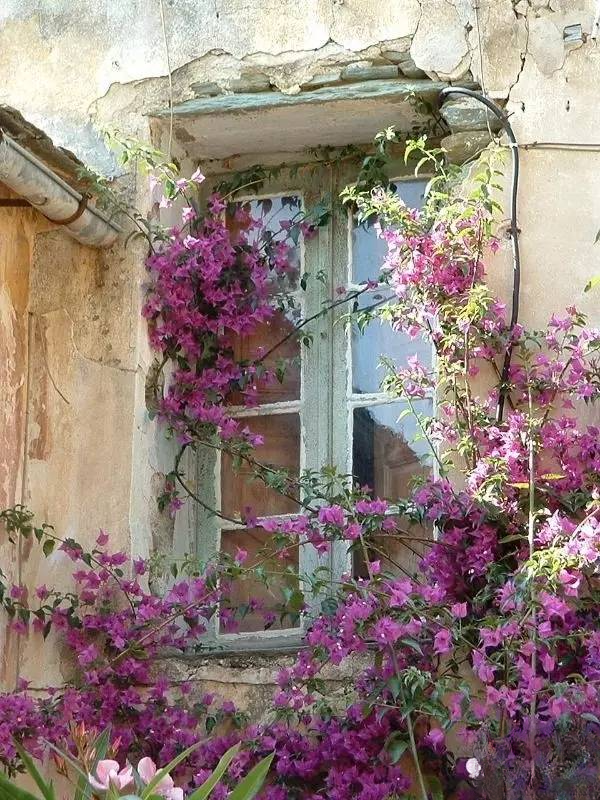
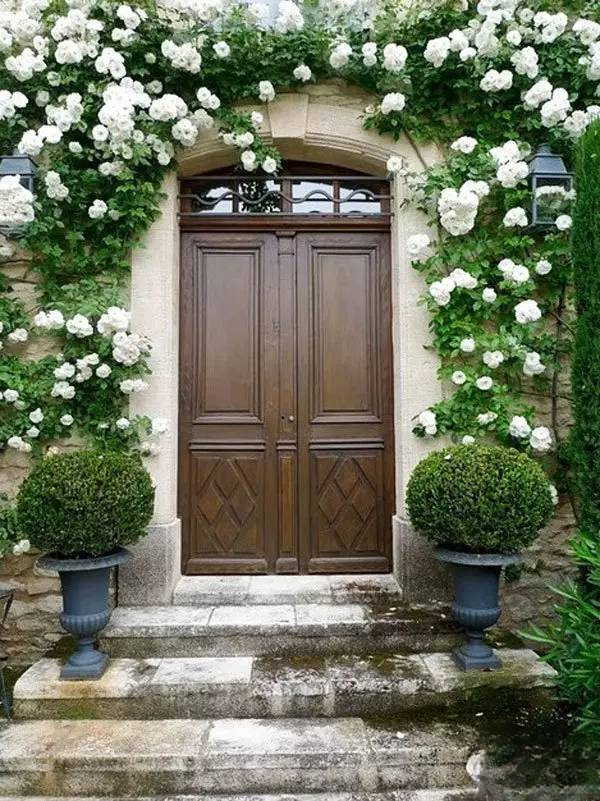
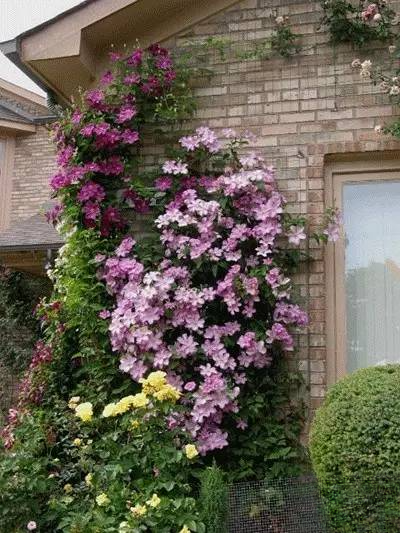
The flowering condition of vines, such as wisteria, bougainvillea, climbing roses, and clematis, is closely related to pruning. For most varieties, besides proper fertilization and pesticide application, pruning is essential for good flowering. Don't be reluctant to prune just because the flowers are beautiful! Autumn and winter pruning is especially important and should never be omitted.
Lawn mowing:
It's important to remember that, just like in spring, autumn pruning should follow the same frequency as spring, with low mowing every two weeks (and medium mowing once a month in summer). Don't wait until the grass grows very tall before remembering to prune, as the roots at the bottom will have already been suffocated, and even if you do cut the grass, it will only reveal dry, yellow grass.

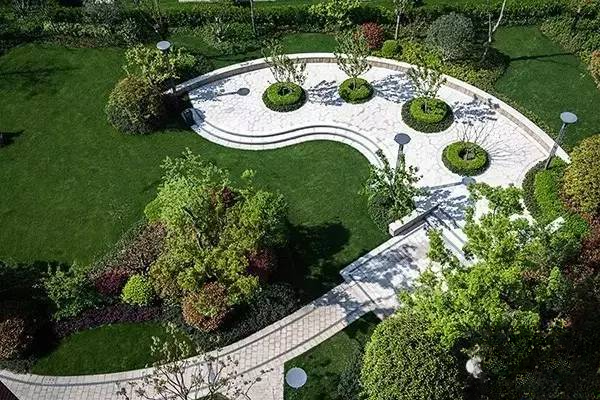
Secondly, sow ryegrass seeds in mid-October. Ryegrass is a commonly used winter grass, costing only ten to twenty yuan per kilogram. Hand-sowing can cover 5-7 square meters. Water it every morning and evening, remembering to use a gentle spray, otherwise the evenly sown seeds will be washed away. Seedlings will emerge in about 15 days. After emergence, remember to mow the grass regularly.
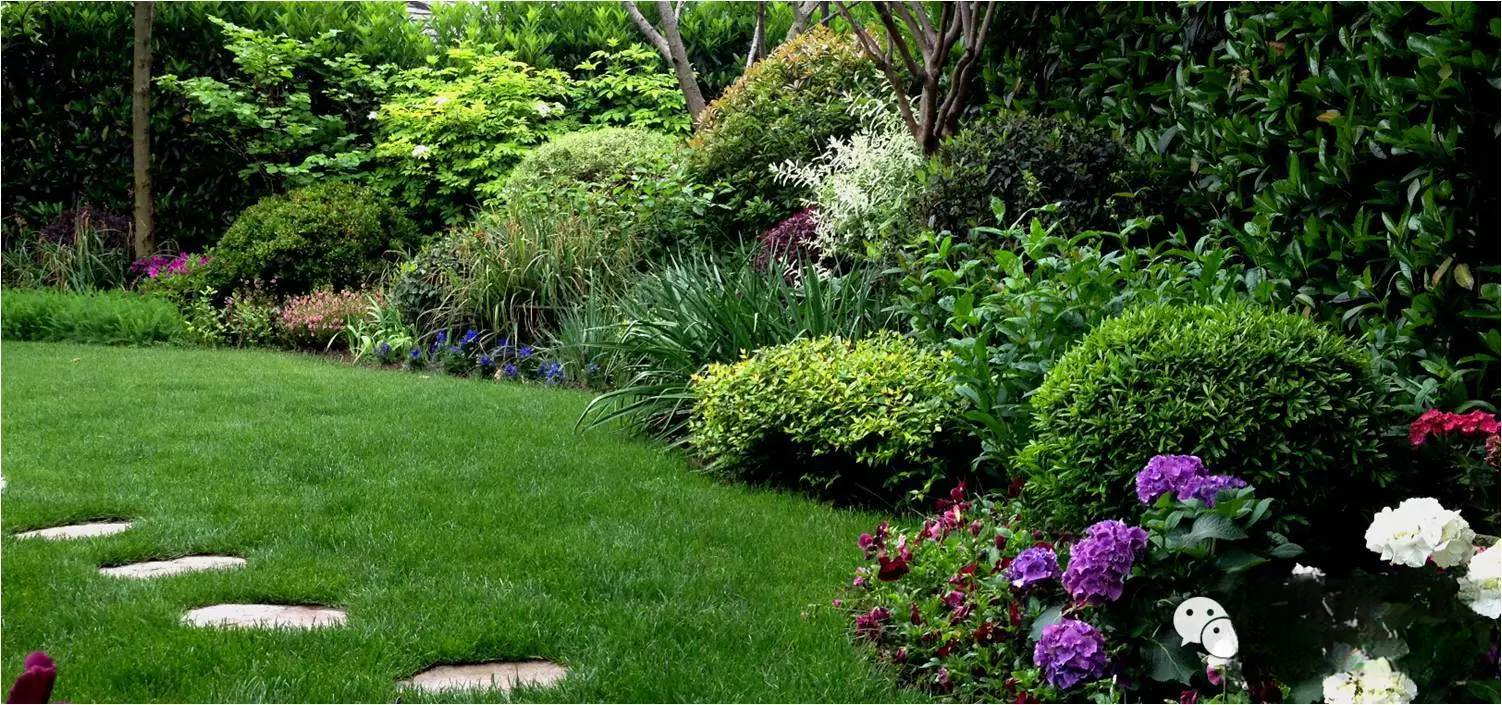
In winter, a low mowing every 45 days or so will keep the lawn evergreen, from autumn to winter and into next spring, brightening the entire yard.