Not sure when to prune your roses? Just learn these pruning methods for lush foliage and abundant blooms.
Introduction: Roses are cultivated in many regions and are loved by many flower enthusiasts. They often grow potted roses in open, well-ventilated, and sunny locations, where they can enjoy beautiful blooms when they open. However, rose cultivation requires pruning at different seasons and during different growth stages to ensure better plant growth, abundant foliage, and plentiful flowers.
However, many rose enthusiasts don't know how to prune roses, nor when they need pruning. Improper pruning or neglecting pruning can cause rose bushes to grow too tall, affecting their ornamental value and resulting in fewer and less vibrant blooms during the flowering season. Pruning roses is a skill that requires understanding the timing and methods to ensure vigorous growth, abundant foliage, and plentiful flowers without harming the plant.
1. When is the right time to prune roses?
1. Dormancy Period: Roses gradually enter dormancy in summer as temperatures rise. During dormancy, roses grow slowly or stop growing altogether, and pruning can be done at this time. However, after the summer dormancy period, pruning is necessary to concentrate nutrients so that new branches and leaves can sprout in autumn. With proper care, some roses may even continue to bloom beautifully. Roses also enter dormancy in winter due to low temperatures. To ensure roses survive the winter safely and grow new branches and leaves and bloom more flowers the following year, pruning is also necessary after the beginning of winter.
2. Growing Period: During the spring growing season, roses experience rapid growth of new buds. Overly dense growth consumes a lot of nutrients and hinders flowering. Therefore, pruning is necessary during the growing season to thin out overly dense buds, retaining only the main parts to allow for better flowering during the blooming period. After flowering, pruning is also essential. Promptly remove spent blooms and trim weak or withered branches and leaves to concentrate nutrients and ensure continuous flowering.
II. Pruning methods for roses during their dormant period
1. Summer Dormancy: During the summer dormancy period, some roses may still bloom, but the flowers will be small and not very large. This is because they enter dormancy at this time, and growth has basically stopped, so the flowers won't bloom very well. At this time, you can prune some dense, overlapping, dry, or weak branches. After the summer dormancy period ends, the temperature begins to cool down, and the roses awaken from dormancy and enter the growth stage. At this time, pruning is also necessary. Cut off the spent flowers, leaving only the axillary bud of the second small compound leaf below the flower . This allows the rose to grow new shoots and maintains the concentration of nutrients. With proper care, the roses can continue to bloom in the autumn.
Care Recommendations: After light pruning, roses require careful attention during their dormancy period. Avoid fertilizing and do not water the wounds. In the high temperatures of summer, excessive water on the wounds can easily cause stem rot. Maintain good ventilation and control moisture; water thoroughly only after the soil has completely dried out. When the environment is dry, mist the area around the pot or the leaves to maintain appropriate humidity. After the rose's dormancy period, timely fertilization is necessary to ensure sufficient nutrients for continued flowering in autumn. Initially, fertilize evenly to encourage new bud growth. Once the buds have emerged, focus on applying phosphorus and potassium fertilizers.
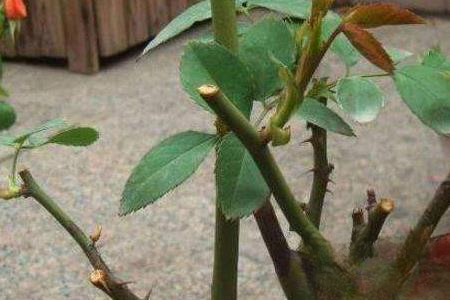
2. Winter Dormancy: After the start of winter, it's time to prune the rose bush, requiring a heavy pruning. Use garden shears, not dull ones. Sharp shears can easily damage the rose's tissues, leading to bacterial invasion, black stem rot, or even drying out. Retain only 3-5 main branches, pruning away the rest to help the rose bush better survive the winter.
Care suggestions: Roses do not need fertilization after winter begins. Fertilizing during dormancy can easily disrupt the dormancy period and affect the next flowering. Generally, at the beginning of winter, if the soil is too poor, a small amount of fertilizer can be applied evenly to ensure the rose has sufficient nutrients to survive the winter. Watering after pruning also requires care; avoid watering the wounds excessively, as this can easily cause the plant to turn black or wither. Winter watering should also be done carefully; the water temperature should be close to the indoor temperature to avoid frost damage. In winter, roses need plenty of sunlight to help them survive the winter and prevent frost damage.
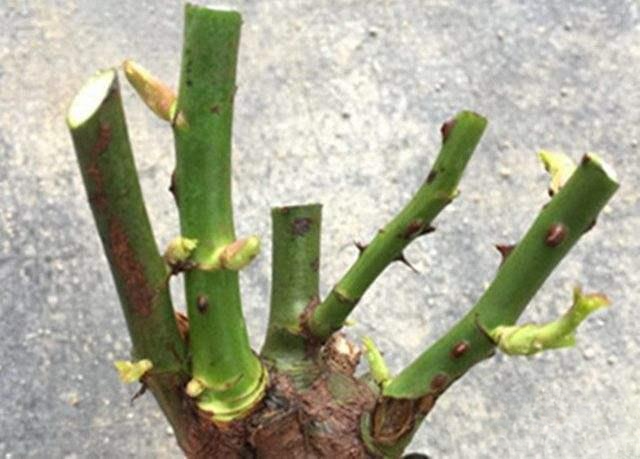
III. Pruning methods during the rose growing season
1. Remove buds
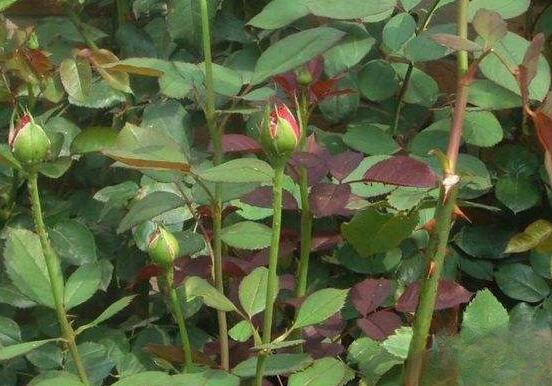
After the winter dormancy period, as spring arrives and temperatures rise, a time of renewal for all things, roses will sprout many new buds. At this time, it's necessary to remove these buds to promote better growth, reduce unnecessary nutrient loss, and encourage larger, more vibrant blooms. Specifically, on each main stem, only 2-3 buds should be retained; remove all others, choosing only the healthiest ones.
2. Bud removal
There are many varieties of roses. Some bloom with a single flower on a single stem, while others produce multiple flowers on a single stem. Different varieties require different bud-removing methods. For roses with a single flower on a single stem, remove the side buds, leaving only the central main bud. This reduces competition for nutrients, allowing the flower to bloom larger and better. For roses with multiple flowers on a single stem, remove some of the overly dense buds to give the flowers more space to open and ensure nutrients are distributed to all blossoms, resulting in vibrant and large blooms.
3. Remove withered flowers
During the rose's growing season, flowers bloom and fade continuously. At this time, it's necessary to remove spent blooms to concentrate nutrients. Also, prune branches that have already flowered, retaining only the axillary buds of the second leaflet below the flower to encourage new growth. Furthermore, prune any withered, weak, or overgrown branches to maintain nutrient concentration.
Care Recommendations: During the growing season, roses require more than just pruning; proper care is essential for lush growth and continuous blooming. First, ensure ample sunlight by placing the roses in a sunny location. Second, water appropriately, allowing the soil to dry slightly between waterings, avoiding waterlogging which can cause stem rot or root decay. Maintain good ventilation. Finally, spring is the peak growing season and the most prolific blooming season for most roses. After the winter dormancy period, it's crucial to replenish nutrients promptly. Apply organic fertilizer evenly to promote better new growth. Around March, focus on applying phosphorus and potassium fertilizers, with less nitrogen fertilizer, to encourage flower bud differentiation and ensure successful flower formation, resulting in large, vibrant blooms.
Summarize
When cultivating roses, it's essential to learn how to prune them to maintain their beautiful shape, ensure plant health, and promote the production of large, vibrant blooms. Pruning primarily involves dormant period pruning and growing season pruning. Different pruning methods are used depending on the time of year. Proper daily care and post-pruning care will ensure robust plant growth and large, colorful flowers.