Nine health knowledge points

There are 9 important health tips that you may have heard of often, but have you all followed them? Let's see if you've done them all, and which ones you haven't.
#1
Eat enough vegetables
We should ensure that we consume 300-500g of vegetables every day, with dark-colored vegetables making up half of that intake.
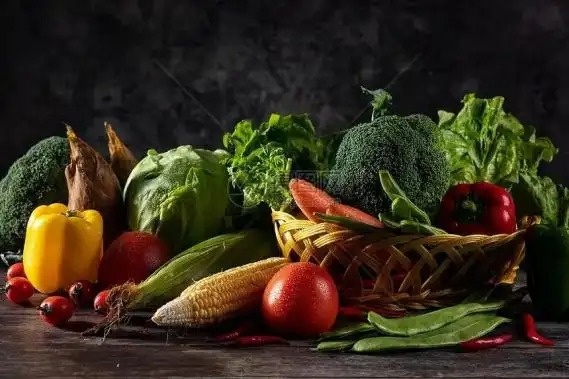
Dark-colored vegetables not only have higher vitamin and mineral content than light-colored vegetables, but also contain more natural pigments that are beneficial to the human body.
When eating vegetables, we can prioritize choosing the darker-colored ones.
Healthy Living
Note: Dark-colored vegetables are those that are dark in color from the inside out. Vegetables like cucumbers and purple eggplants, which are dark on the outside but light-colored inside after peeling off the skin, are not dark-colored.
For example, kale, edamame, beet leaves, spinach, celery leaves, and mustard greens are all rich in nutrients that people often don't get enough of.
So when you're struggling to decide what to eat for three meals a day, you can give these a priority.
At the same time, it's important to eat a variety of colors frequently, as each vegetable has its own unique benefits.
#2
Drink enough water
As the weather gets colder, are you all still drinking enough water? In typical subtropical regions, adult women with light physical activity should drink at least 1500ml of water per day, and men should drink at least 1700ml.
The key is to drink plain water, or you can drink some cold-brewed tea regularly. Refuse to replace plain water with beverages. The extra sugar you consume has no benefits and may even pose various risks.
#3
Drink enough milk
Dairy products are an excellent source of calcium that is difficult to replace in natural foods; they are abundant and easily absorbed.

In addition, milk can provide the body with minerals such as magnesium, potassium, zinc, and selenium, as well as vitamins such as vitamin B2.
The Chinese Dietary Guidelines recommend that each person consume dairy products equivalent to 300ml to 500ml of liquid milk per day.
The call to drink enough milk has been ongoing for many years, especially for the elderly and children.
#4
Eat plenty of fruit
You should eat 200-350g of fresh fruit every day (if you have underlying medical conditions, please follow your doctor's advice and do not consume excessive amounts).

When consuming, you can refer to the sugar content and nutritional information to choose what to eat.
Each fruit has its own advantages, and it's best to eat them in different varieties and combinations from time to time.
#5
Eat enough whole grains
We need 200-300g of grains per day, of which 50-150g should be whole grains or legumes.

Actually, there is a very important point: in addition to grains, it is best to eat 50-100g of tubers (sweet potatoes, potatoes, taro, yams, etc.).

On the one hand, it can also supplement the vitamin C, B vitamins, potassium, carotene and other nutrients that are lacking in refined rice and white flour, which is also good for our stomach and intestines.
Another aspect is that they contain a lot of starch, which can replenish calories, can be eaten as a staple food, and provide a feeling of fullness.
#6
Less oil and less salt
Currently, there are dietary guidelines from the World Health Organization, China, and the United States, as well as the American Heart Association and many other cardiovascular-related guidelines and experts.
Healthy Living
There is a general consensus that saturated fatty acids should be limited, and their calories should not exceed 10% of the total daily calories.
For an average adult woman with light physical activity, the daily calorie requirement is 1800 kcal, and 10% of that is 180 kcal, which translates to 20g of saturated fatty acids.
Only 23g of coconut oil is needed, while lard requires 48g and butter requires 38g.

However, we should not forget that we also consume meat and dairy products in our daily lives, so we must strictly control our oil intake.
The standard for low salt intake is 5g, but in reality, only 20% of people can achieve the recommended intake of less than 5g. The average person consumes about 10g of salt, so we still need to limit our salt intake.
#7
More exercise
Adults should engage in at least 150 minutes of moderate-intensity or 75 minutes of vigorous-intensity physical activity per week, or a combination of both.

It helps us maintain a healthy weight, reduce the risk of all-cause mortality, and decrease the risk of developing diseases such as cardiovascular disease, diabetes, and cancer.
It can also relieve depression and anxiety, and is very useful for improving cognition, sleep and quality of life.
#8
Quit smoking and limit alcohol consumption
I suggest you don't smoke a single cigarette; everyone is well aware of the dangers of cigarettes.

It is recommended that both men and women limit alcohol consumption to less than 15g (pure alcohol) per day, or better yet, abstain from alcohol altogether.
#9
Managing weight
The obese population in society is now so large that in the past ten years or so, dietary guidelines have moved weight-related recommendations to the second position, which shows how important they are!
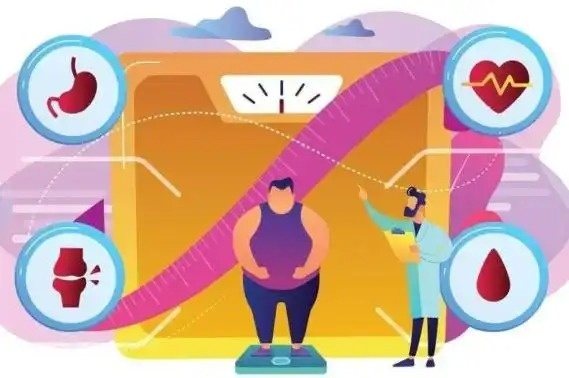
Currently, overweight and obese people account for 50% of the adult population in China.
It is clear that weight control is very important, and it is essential to pay attention to the balance between food intake and physical activity.