Night Thoughts | It's not an illusion: After this age, it really is easier to gain weight!

When it comes to obesity, many people feel that once they cross the threshold of 25, weight management seems to become a difficult battle.

Is 25 really a "weight gain threshold"? Is age truly an invisible yardstick for distinguishing between slim and overweight? Does this mean we can eat whatever we want before we turn 25?
I recommend "Thoughts on a Quiet Night" to you.

It's not an illusion: it really is easier to gain weight after this age!

-01-

Is there really an "age dividing line" for weight gain?

It has to be said that there really is an "age dividing line" for weight gain. According to global obesity research, for the vast majority of people, weight will increase year by year during their youth and middle age.

A US survey shows that obesity rates are generally low during adolescence. However, obesity rates begin to increase in adulthood. Data shows that the obesity rate is lowest between the ages of 18 and 24, at only 22.4%, but  25 years old is a watershed age; after 25, the obesity rate begins to soar , and the highest obesity rate occurs between the ages of 45 and 74.
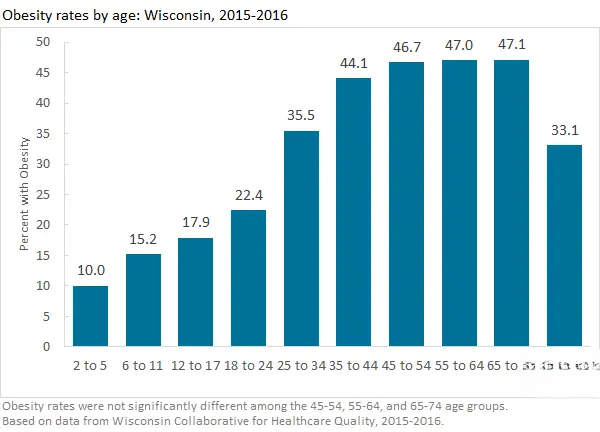
The horizontal axis represents age groups, and the vertical axis represents the percentage of obese individuals. It can be seen that the obesity rate spikes significantly after age 25.

A Chinese study (see figure below) shows that the overall prevalence of overweight and obesity trends vary across different age groups, generally starting from the 24-29 age group, with obesity rates increasing ; peaking in middle-aged men (55-59 years old) and elderly women (65-69 years old). 
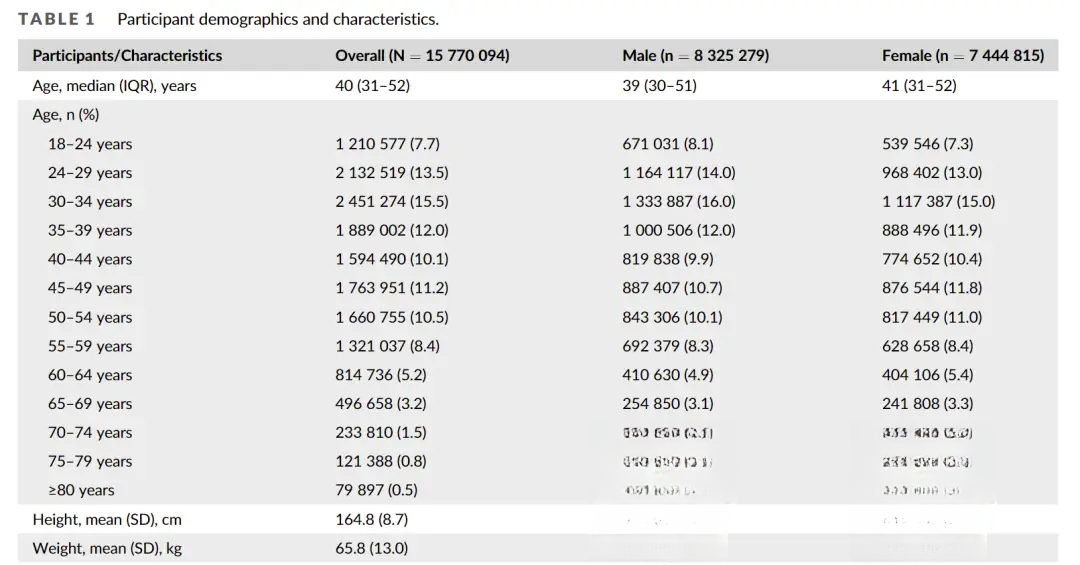
However, there's no clear dividing line when exactly we start gaining weight; no one can pinpoint exactly what age, and the differences between individuals are significant. Generally speaking, though , everyone's weight tends to increase with age .

-02-

Why do people tend to gain weight as they get older?


Many people say that when they were young, they could eat whatever they wanted and never gained weight, but as they get older, even a little extra food makes them gain weight. Comparing their old photos to their current ones, they often lament: "Time is a cruel mistress." Why is it that people tend to gain weight more easily as they get older?

1

As I get older, I eat better and more.


The biggest change is that as people get older, their living conditions generally improve, and they eat better and more.

When young, most people eat relatively little due to lifestyle and economic constraints. However, as they age, their economic conditions improve, their living standards rise, and their diets change significantly. They tend to eat more and better quality food, and many also have more social engagements, making rich and fatty foods a regular part of their meals. Consuming more high-energy foods leads to increased energy intake, naturally making it easier to gain weight.

2

As we age, our activity levels decrease.


When you're young, you'll often be active at school or at work. Think about it, weren't you playing basketball or soccer when you were young?

But as we get older, whether it's work or study, we rarely have time to exercise. Most people have also become accustomed to a sedentary lifestyle, either sitting in front of a computer screen for long periods of time, or even when they have a little time to rest, they'd rather lie down and play on their phones or watch TV shows, not wanting to move for hours on end. With less activity, going to the gym is out of the question.

Eating too much and exercising too little means that energy cannot be burned off, making it easier to gain weight.

3

As we age, we lose muscle mass and our metabolic rate decreases.


As people age, their muscle mass decreases, with approximately 10% to 15% of muscle mass lost between the ages of 20 and 50.

Muscle mass directly determines a person's basal metabolic rate. Muscle tissue is the body's largest consumer of glucose; losing it means that a large amount of glucose in the body has nowhere to be used, and the rate of energy metabolism will be greatly reduced. Eating the same amount of food may result in more energy being stored in the body, leading to weight gain.

Furthermore, our fat metabolism begins to change with age. A study that tracked the changes in lipid turnover rate of 54 individuals for 13 years found that, regardless of whether they lost or gained weight, the lipid turnover rate of their adipose tissue decreased with age .

Lipid turnover rate refers to the rate at which lipids are removed from and stored in fat cells. A decreased lipid turnover rate means that fat metabolism in the body slows down, making weight gain easier , even if we don't eat more or exercise less than before. Studies have found that participants who did not intentionally diet gained an average of 20% more weight with age.

4

Hormonal changes in the body can make people more prone to weight gain.

Hormones are chemical messengers that drive various metabolic reactions in the body, regulating changes in most bodily functions. As we age, our hormone levels change, which can make us more prone to weight gain.

For example, as men age, their testosterone levels decrease by 1% to 2% per year. Testosterone regulates fat distribution and affects muscle mass. Its decrease significantly reduces the body's fat-burning efficiency. Similarly, as women age, their estrogen levels also decline, and during menopause, estrogen levels drop dramatically, easily leading to the accumulation of abdominal fat.

-03-

How to prevent weight gain?


In reality, the weight loss we want isn't about losing bone, muscle, or body water, but rather losing fat. Excess fat increases the risk of disease and makes us appear bulky.

If you only pursue weight loss without reducing your body fat percentage, or even causing muscle loss, you'll lower your metabolic rate, leading to a body type that's difficult to lose weight and prone to weight gain. This contradicts the fundamental goal of weight loss. Furthermore, fat loss is a slow process. This means that any method that promises rapid weight loss will not stand the test of time.

So how can I fight against time and maintain my figure?

1

Reasonable diet


Diet is of paramount importance. After all, the basic principle behind weight gain is an imbalance between energy intake and expenditure—when energy intake exceeds energy expenditure, the excess energy is stored in the body.

Therefore, to prevent weight gain, the first step is to reverse the energy balance and avoid excessive energy intake —in other words, control your diet. Develop long-term healthy and reasonable eating habits, such as not eating too much, reducing your intake of high-fat, high-sugar, and other high-energy foods, drinking less sugary drinks, and eating less fried food. You can start by following the recommendations of the Chinese Dietary Guidelines to plan your daily meals and gradually develop this habit to stick to.

2

Stick to exercise


This is the most difficult part of the weight loss process, but it is also the most effective.

Regular exercise has many benefits for your health. As we age, we gradually lose muscle mass, accumulate more fat, and our metabolism slows down. Regular exercise increases energy expenditure, preventing excessive fat accumulation in the body and accelerating the turnover rate of fat tissue .

Furthermore, regular exercise can increase muscle mass and improve the body's energy metabolism. Therefore, it is essential to exercise every day, or at least three times a week for half an hour.

A reminder: there are no shortcuts to weight loss. Be prepared for a long-term battle on the road to controlling your weight . Weight loss is a lifelong commitment that requires intelligence, rationality, and, most importantly, a strong mindset and self-discipline.

Health Lose weight