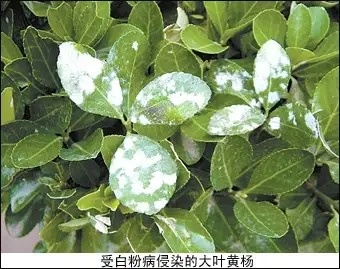
| Identification of common diseases and pests: Powdery mildew: A layer of white powdery substance appears on the underside or both sides of the leaves.
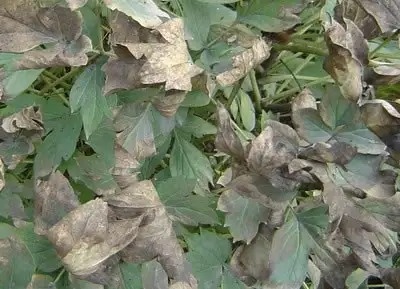
Gray mold: A gray mold layer can be seen on the plant under humid conditions.
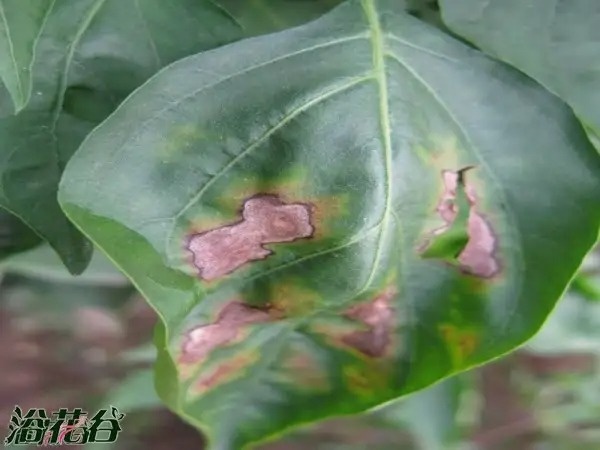
Anthracnose: Light brown or grayish-white, nearly circular lesions appear in the center of the leaves, with purplish-brown or dark brown edges. The lesions can expand, and small black dots may appear on the lesions in the later stages. Circular or nearly circular light brown spots may also appear on the stems, and the lesions are mostly sunken.
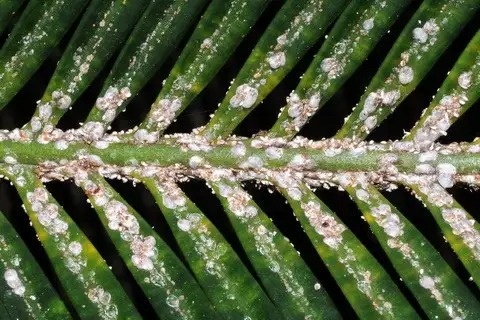
Damping-off: When seedlings have lignified to a certain extent, they become infected with pathogens and die upright.Scale insects: Yellowing leaves and withered branches often induce sooty mold.
Red spider mites cause leaves to lose their green color, appearing as dense, small grayish-yellow patches or spots, or the leaves to curl and wrinkle. In severe cases, the entire leaf may turn scorched and yellow as if burned, eventually falling off.
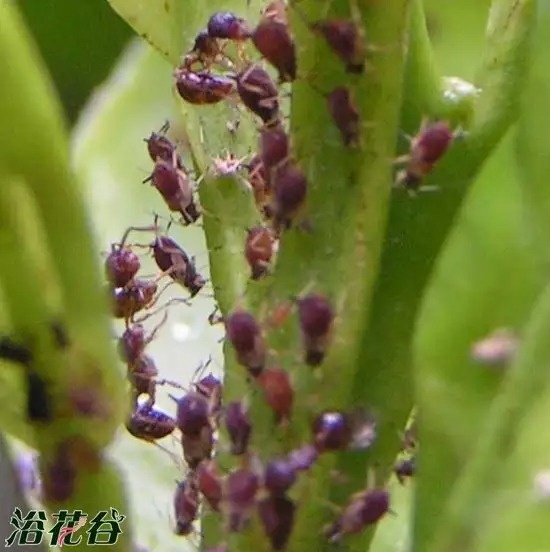
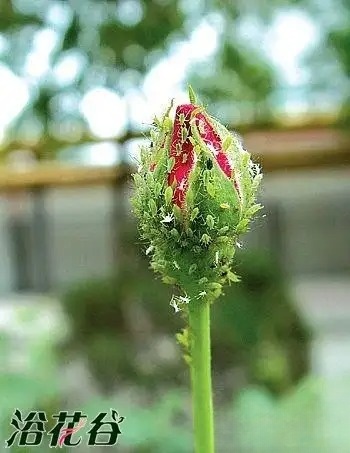
Aphids: cause leaves to curl, wrinkle, and become deformed, slowing down the growth of flowers and even causing them to wither and die. They can also induce sooty mold.
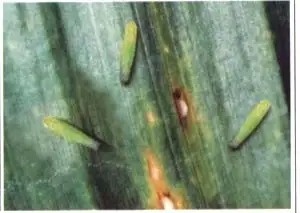
Leafhoppers: cause pale white spots on leaves; in severe cases, the spots become patchy or puncture the bark, causing branches to wither.
Moths: Leaves or buds are incomplete.
The following are pollution-free methods for pest and disease control: Wood ash application method: Regularly sprinkling wood ash on the surface of the pot can significantly reduce the incidence of gray mold in flowers such as tulips and cyclamen, while also increasing the absorption rate of potassium fertilizer by the flowers, thus making the flower branches thicker and the flower colors more vibrant. Vinegar wiping method: Soak a cotton ball in 50 ml of vinegar and gently wipe the flower stems and leaves. This can kill scale insects and restore the green and shiny appearance of leaves that have been damaged by scale insects. Alcohol wiping method: Gently and repeatedly wipe the diseased leaves with scale insects with 75% alcohol to completely kill the larvae that are invisible to the naked eye. Baking soda spraying method: Spraying the affected plants with a 0.1% baking soda solution can achieve a control rate of over 80% for powdery mildew in flowers such as roses, chrysanthemums, impatiens, and cineraria. |