Nature Education | Gardening Courses for Children
My daughters are thrilled that they have their own garden this year. They always help me take care of the plants, but this spring, they chose a planting plan and decided to start from the seeds and create their own unique garden.
While we do buy some plants, most of the plants in our garden are grown from seeds. One of the biggest advantages of growing from seeds is that it's much cheaper: a small packet of seeds can grow into a dozen (or more) plants, all of which can produce flowers or food, at a fraction of the price of buying those plant products.
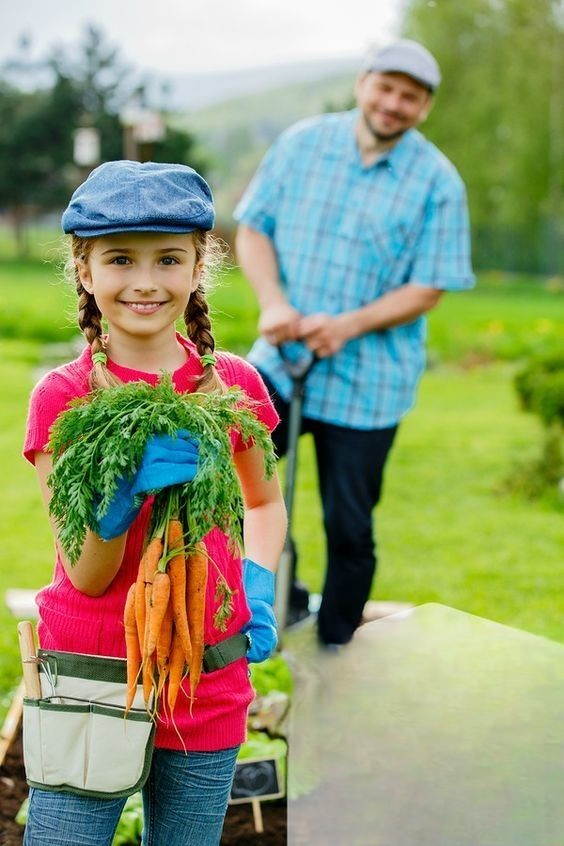
▲The joy of harvest
Of course, an even bigger benefit is when you do gardening with your children. A single seed can provide a whole year's worth of science lessons, allowing children to experience the entire cycle of sowing, germination, growth, and harvesting. Throughout the process, they learn about the continuity and cycle of life, and they will learn to collect seeds from plants themselves to prepare for planting the following year.
And you might be pleasantly surprised to find that children who were previously picky eaters have become more willing to try new foods because they have participated in the food production process themselves.
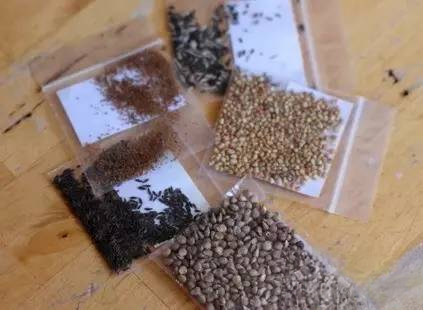
▲Seed Packet
For this "My First Garden" project, I created a seed catalog so the children could choose the plants they wanted to grow. Each child had a seed tray with six compartments, allowing them to choose up to six different types of seeds.
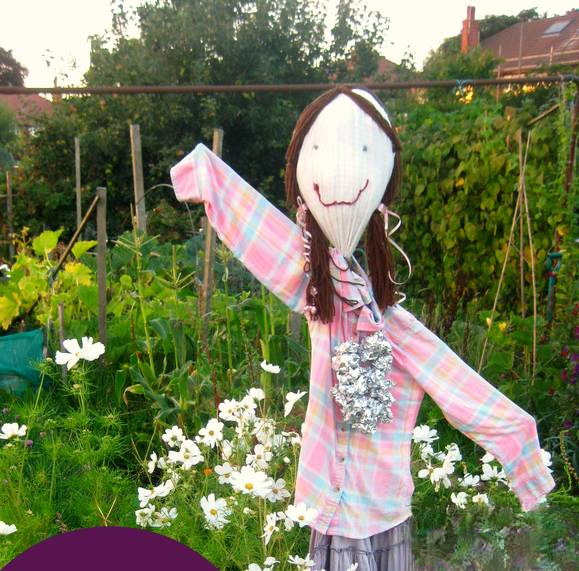
▲Come to my little garden
They might prefer to choose to grow this type of plant:
Little cucumber.
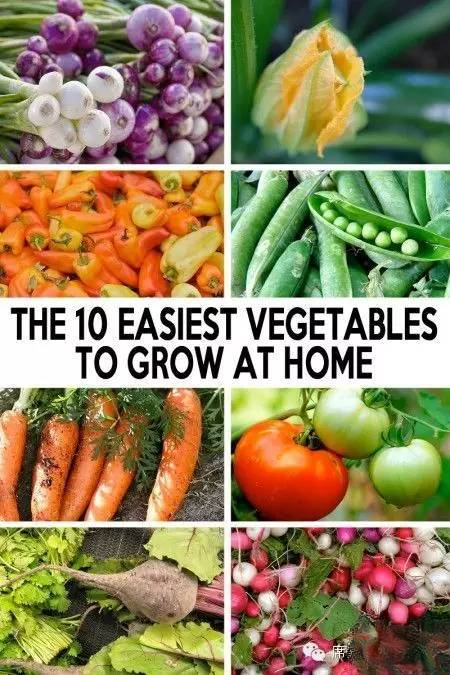
There's no real secret to teaching children how to plant, but here are a few tips that might help you make the process fun and educational for your child.
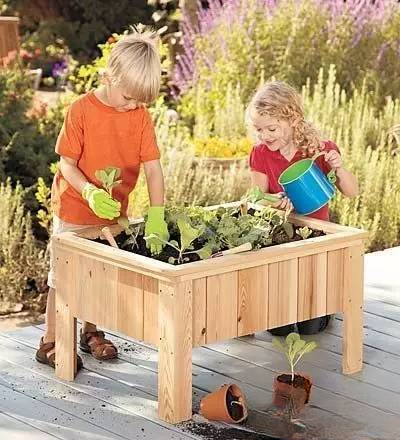
▲ Collaboration in gardening activities
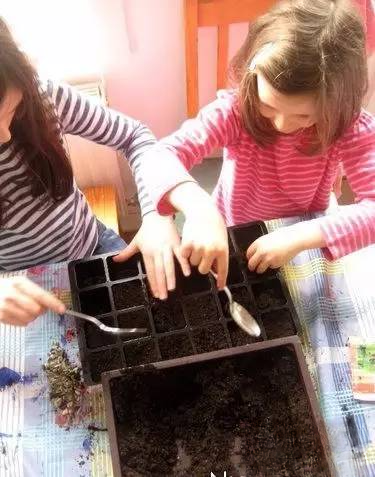
▲ Digging soil with a spoon
Reading the instructions on the seed packet carefully with your child can provide a wealth of information: Is this plant a perennial or an annual? Why do some plants need to be transplanted outdoors only when the weather is warmer? What is the optimal environment for this plant? This process helps children learn to read instructions and expands their vocabulary.
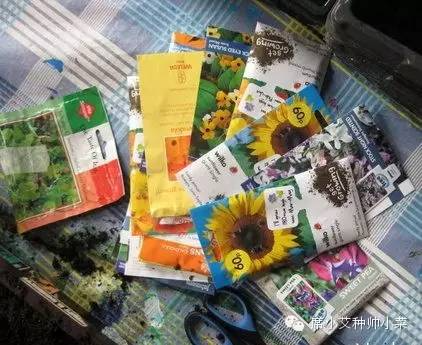
▲ Carefully read the text on the seed packet.
Observe the seeds closely, and you can even make a simple sketch of them. They come in so many different shapes, sizes, and colors. My children love guessing what the seeds inside the seed packet will look like before opening it.
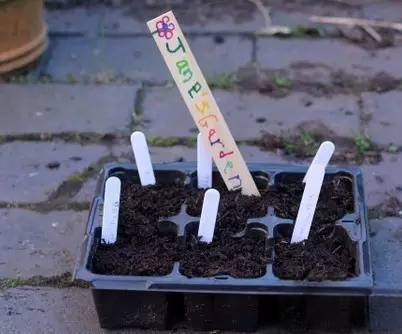
▲Let's swing our little hoes!
Count the seeds and then distribute them evenly into each cell of the planting tray. This can be quite a challenge for young children.
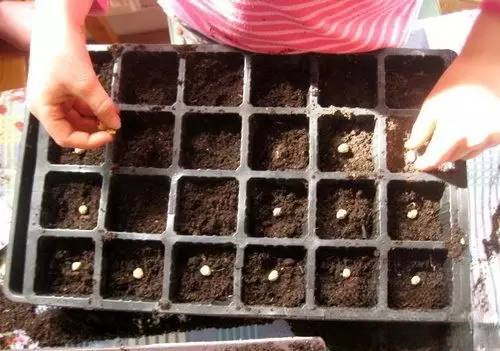
▲Equal distribution of seeds
Each child can make their own special label, indicating that a particular seed tray belongs to them and indicating the name of the plant. Writing for a practical purpose is the most natural form of handwriting practice, and children will be very willing to write their names and even learn some new words.
▲Start by labeling the plant names
We use peat-free compost as the substrate, whose nutrients give the seeds a healthy start. The seeds will stay in a small greenhouse for about a month until they germinate and begin to grow. Then we will transplant them into larger pots and plant them in a special area in our garden classroom specifically for children.
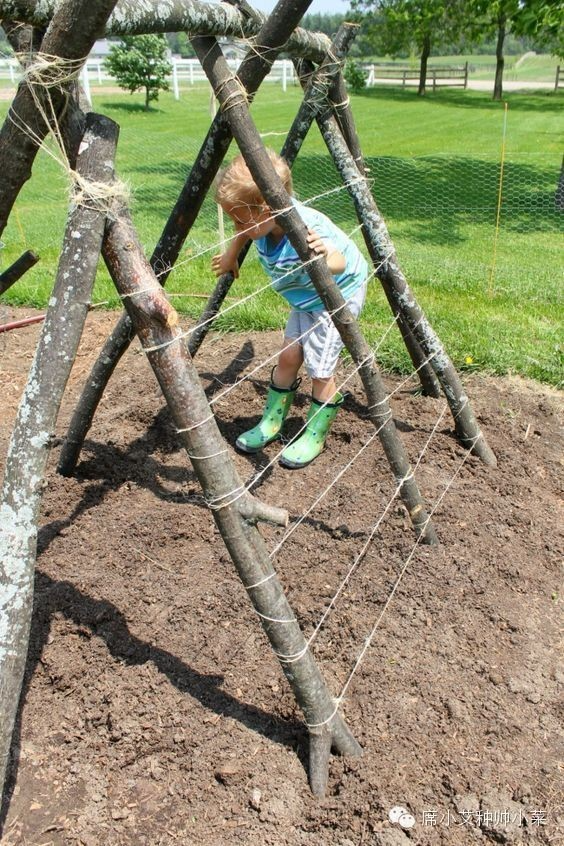
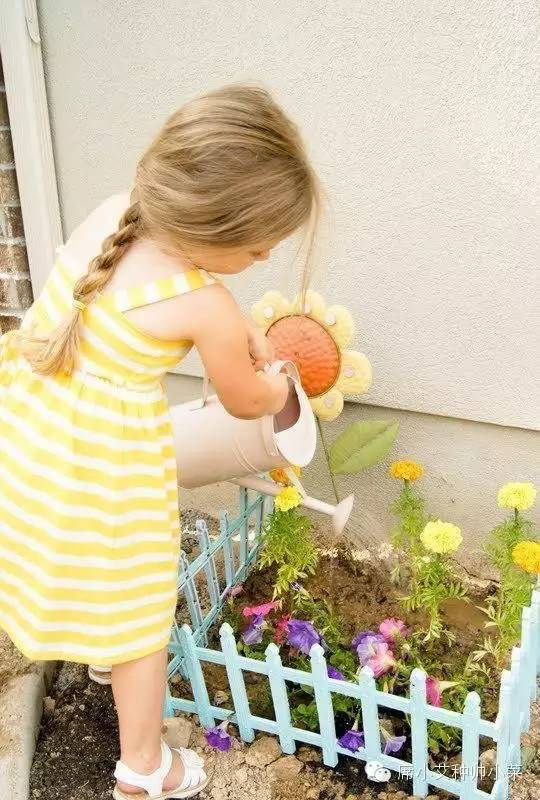
▲Tending to your own little garden