My houseplants are attracting small flying insects again. Here's a trick to kill them without pesticides.
Flower lovers all hope to see their plants grow strong and vibrant. No one wants to see their flowers infested with pests, sick, or wilted. However, it's common for plants to get infested with pests. So how do we prevent and control them? Today I'll teach you a few simple and effective tricks!
1. Red spider
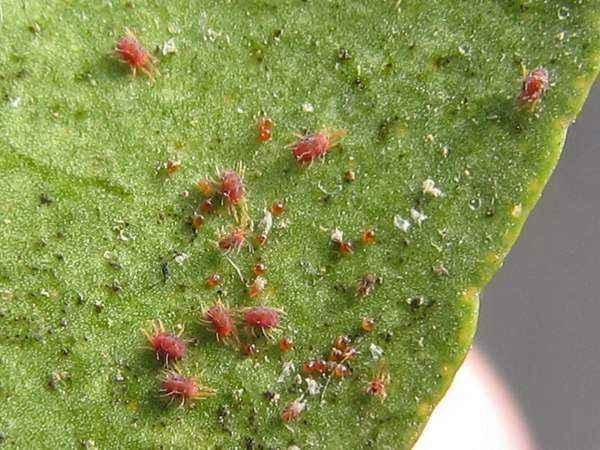
Red spider mites are about one millimeter in size, with red or dark red bodies and spherical eggs. They mainly damage the leaves, stems, and flowers of plants by sucking the moisture from the stems and leaves. Diseased parts lose moisture, leaves turn white and curl, and in severe cases, leaves turn yellow, fall off, or even the plant dies.
Prevention and treatment:
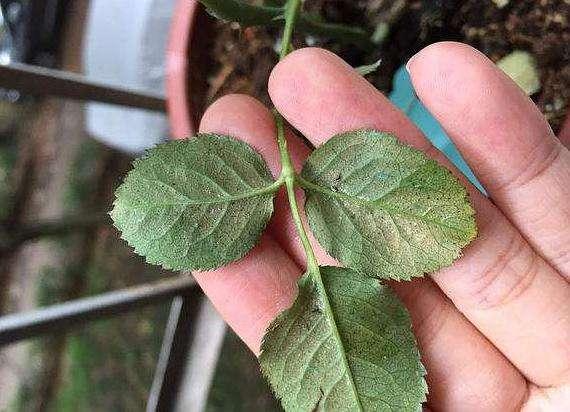
Regularly monitor the plant's growth. If you find any diseased or pest-infested plants, or curled leaves, remove them promptly to prevent further breeding and damage.
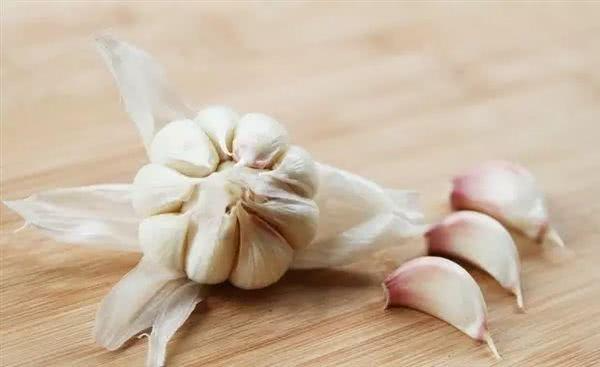
If your plant is infested with insects, you can chop and mash pungent vegetables such as garlic, scallions, ginger, and onions, add some water, and spray the mixture all over the plant. This can effectively treat powdery mildew, spider mites, aphids, and other pests. You can also use chili water or tobacco leaf infusion; both can help prevent and control these pests.
If the plant is severely diseased, you can spray the surface and back of the leaves with specialized pesticides such as dicofol, trichlorfon, or chlorpyrifos. The effect is quite good.
2. Aphid disease
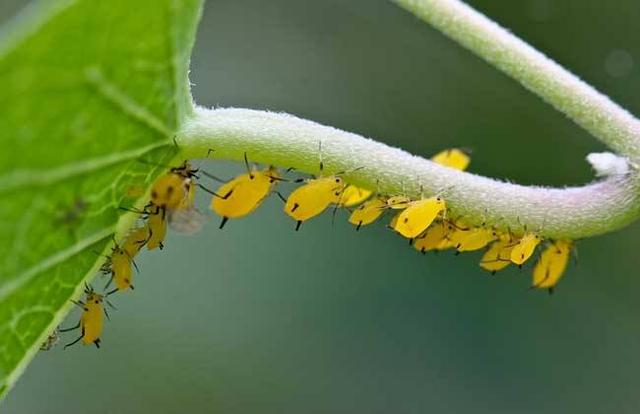
Aphids are one of the most common pests and diseases affecting plants. Commonly known as oil sap or daphnia, aphids come in many varieties, reproduce rapidly, and cause serious damage. They suck the sap from plants, causing them to wither, die, or even decay.
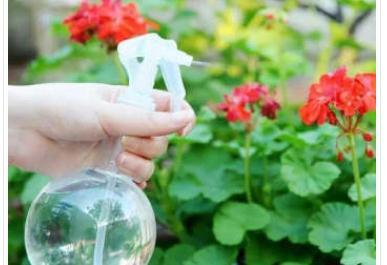
Prevention measures: You can place the potted plant at an angle under tap water to rinse it. This will not only remove the insects but also clean the leaves. With the insects gone, the leaves will also be fresh, killing two birds with one stone.
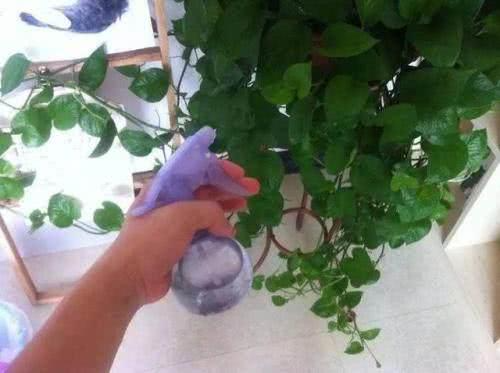
You can also mix laundry detergent, hand soap, or dish soap with water at a ratio of 1:60 and spray the entire plant to effectively prevent pests such as aphids, spider mites, and whiteflies.
3. Whiteflies:
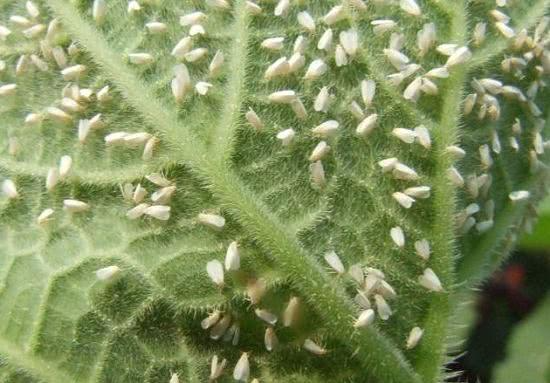
Whiteflies, also known as white moths, are a very common pest. They move and reproduce quickly, making them a major headache.
Control methods: You can use strong winds to blow them away. Whiteflies have short legs and short wings, making it difficult for them to cling to the plant in strong winds. On a windy day, place the plant outdoors and let the natural wind blow them away.
You can also dilute laundry detergent with water and spray it on; it works very well.
4. Scale insects
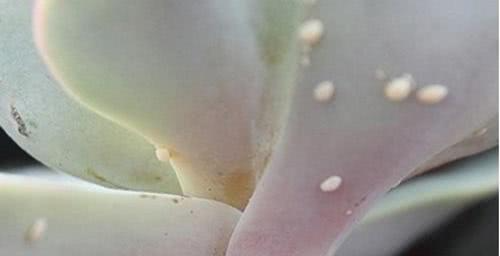
Scale insects, also known as scale insects, can attach themselves to plants for life, damaging leaves, branches, and fruits, causing leaves to turn yellow, branches to wither, and plants to weaken or die.
For prevention and treatment: A solution of high-proof liquor diluted with water at a ratio of 1:20 can be sprayed on the entire plant to effectively treat scale insects. Alternatively, wiping the affected area with a cotton swab dipped in alcohol is also very effective.
You can also use a toothpick or tweezers to remove and kill the insects, or rinse them under running tap water; both methods are very effective in removing scale insects.
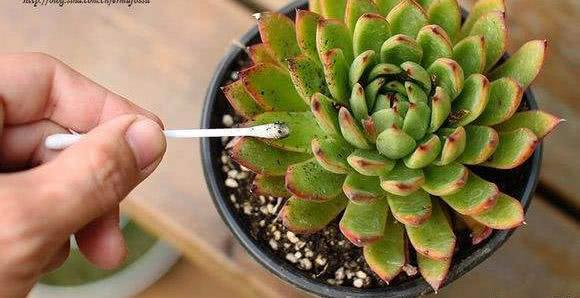
There are many other methods. For example, placing orange peels at the bottom of the flowerpot can prevent ants and other small insects from crawling into the flowerpot and causing pests. You can also mix edible vinegar and water in a 1:8 ratio and spray it on the plant to effectively prevent scale insects. You can also apply it to the stems and leaves to prevent diseases and pests, and make the leaves glossy and green.
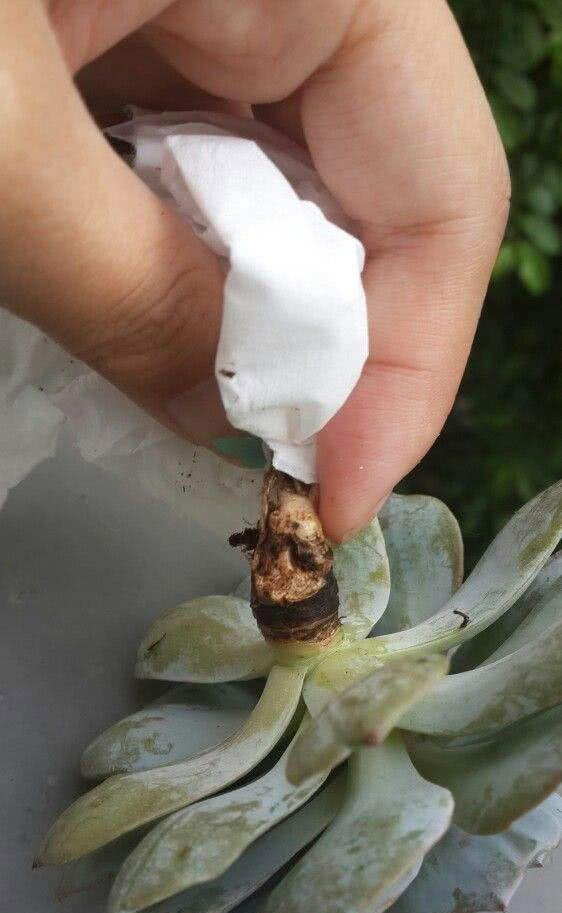
There are many ways to prevent and control pests and diseases. By paying close attention to our plants, we don't always have to use pesticides when they are sick or infested. Clever methods for preventing pests and treating diseases are also very effective. Let our potted flowers grow vigorously, with strong plants and abundant blooms.