MustLearn | Master Flower Pruning in 1 Minute!
Besides watering and fertilizing, pruning is one of the most important aspects of flower cultivation. Proper and reasonable pruning promotes healthy plant growth and enhances their appearance. Let's explore some methods for pruning flowers!
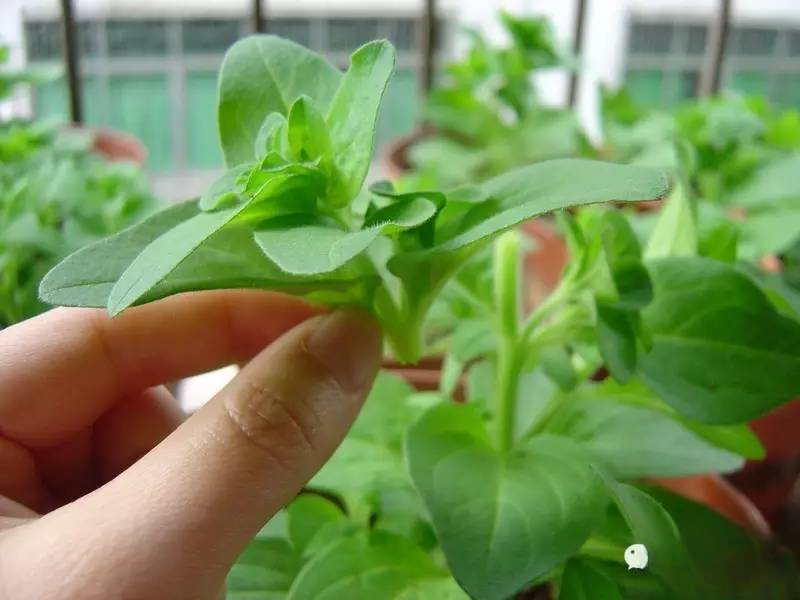
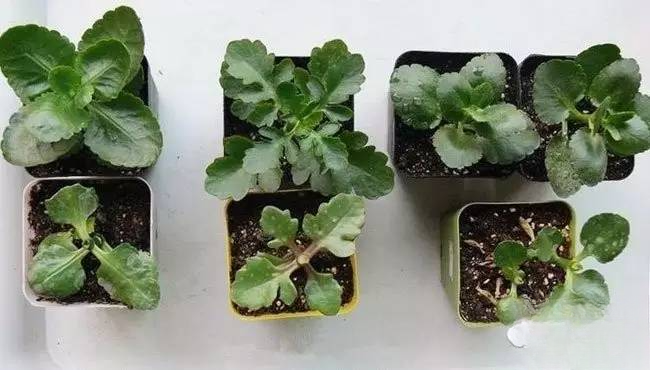
Pinching, also known as topping, involves removing the top part of a plant's branches when they reach a certain length or height.
▼Picking diagram
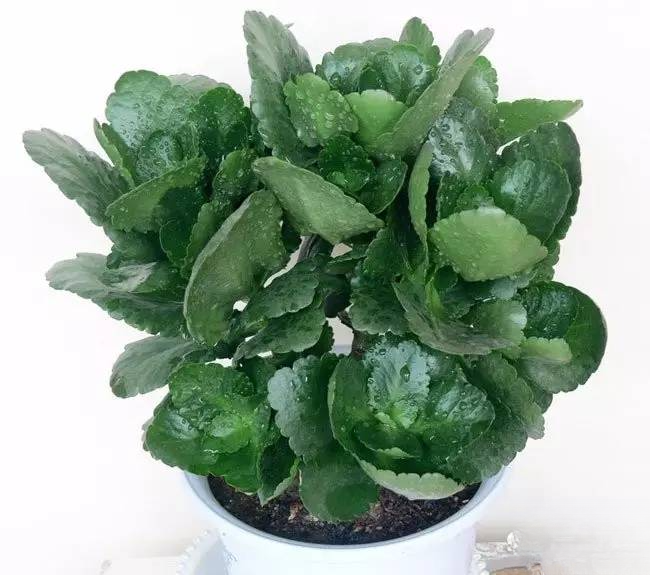
▼The kalanchoe with its heart already removed
▼After a period of time, more lateral buds will sprout.
What are the benefits of removing the growing tip?
① It can make flowers grow stronger and shorter ;
▼
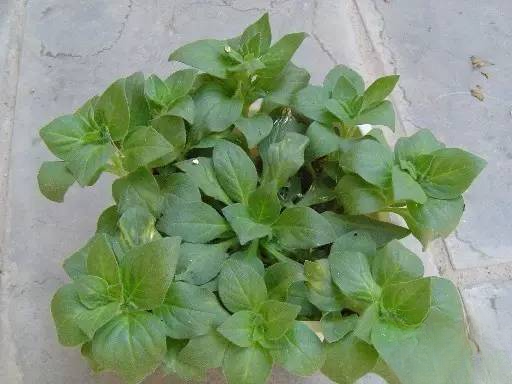
② And most importantly, after pinching, apical dominance is suppressed, and the flower can sprout more lateral branches;
▼
③ Because more side shoots sprout, the flowers will appear fuller and more beautiful .
▼
④ With more side branches, of course, more flowers will bloom and more fruit will be produced .
▼
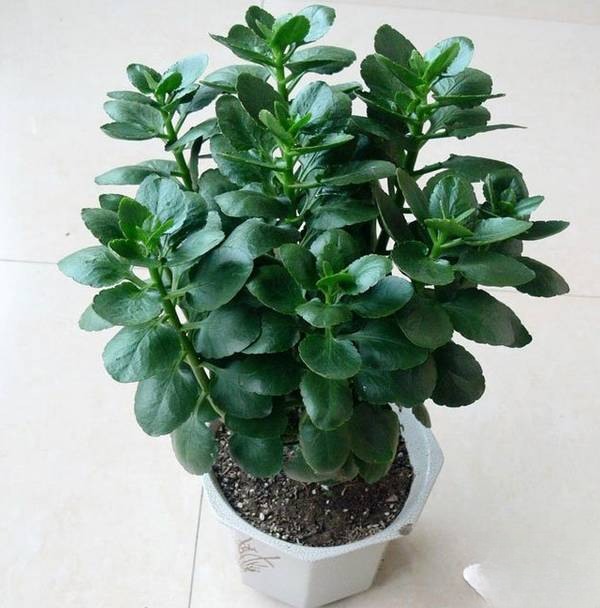
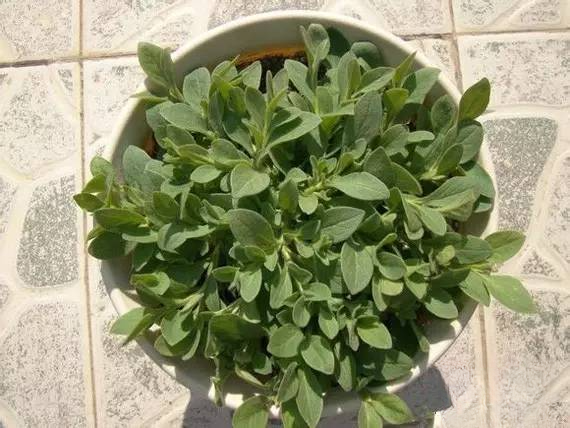
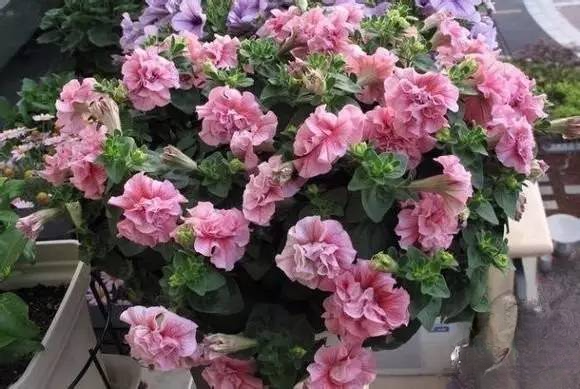
If plants grow too tall and too weak due to insufficient light or improper watering, simple pinching and topping will no longer be able to change the overall growth of the plants. In this case, we need to use pruning.
▼
Depending on the growth of the branches, prune off one-third or more of the branches, depending on your needs. After pruning, the plant will sprout more side branches and become fuller .
▼
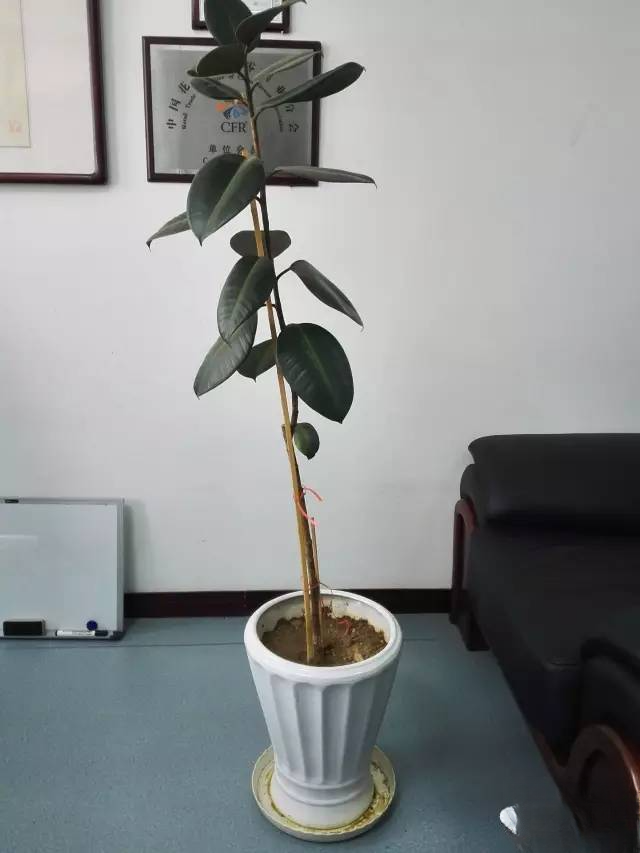
Below, I'll use a rubber tree as an example to explain in detail how to prune it!
The rubber tree that has grown wildly
He can only stand with the help of a support.
▼
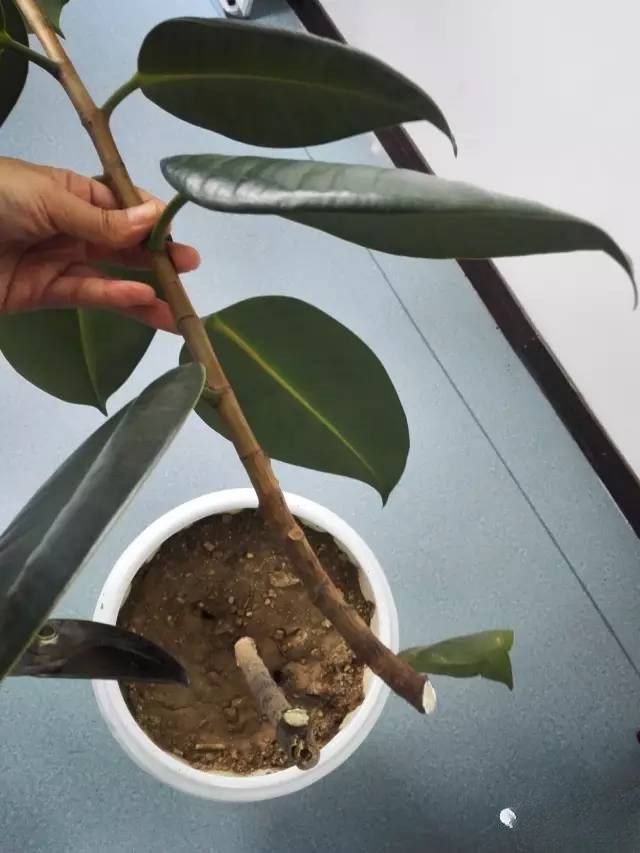
When pruning, the main trunk of the rubber tree is shortened.
We can simply prune off the side branches.
▼
The pruned side branches can also be used for cuttings.
▼
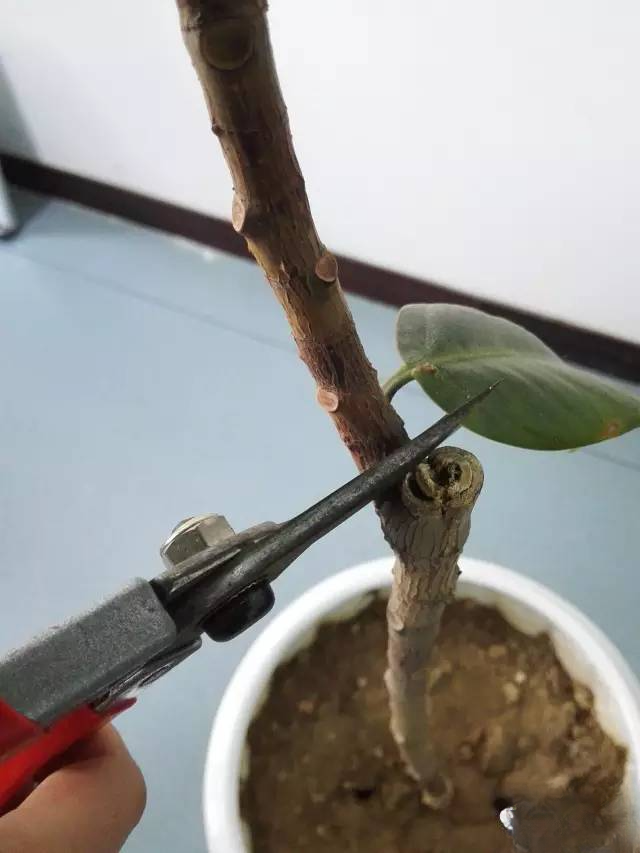
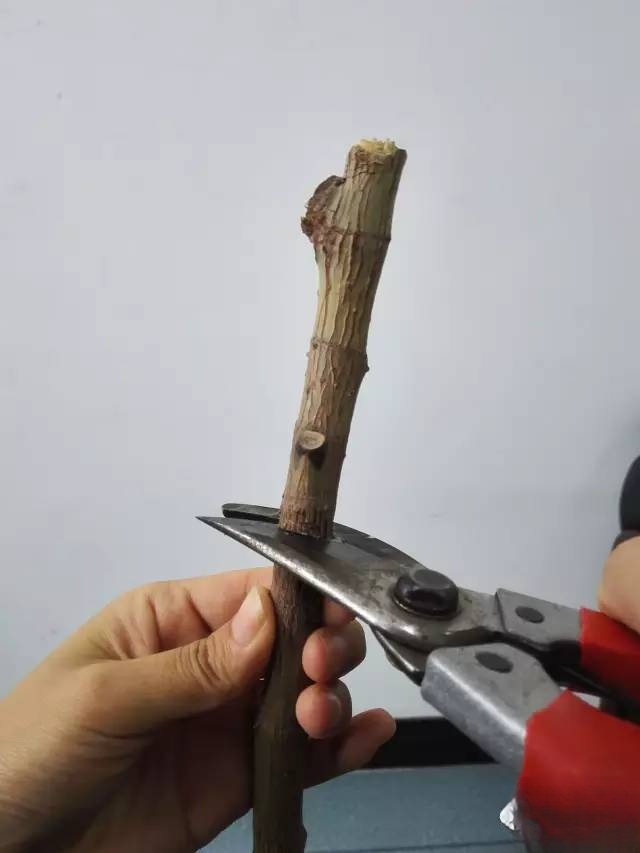
Cut the rubber tree trunk at one-third of its length.
Make sure the cut is smooth.
▼
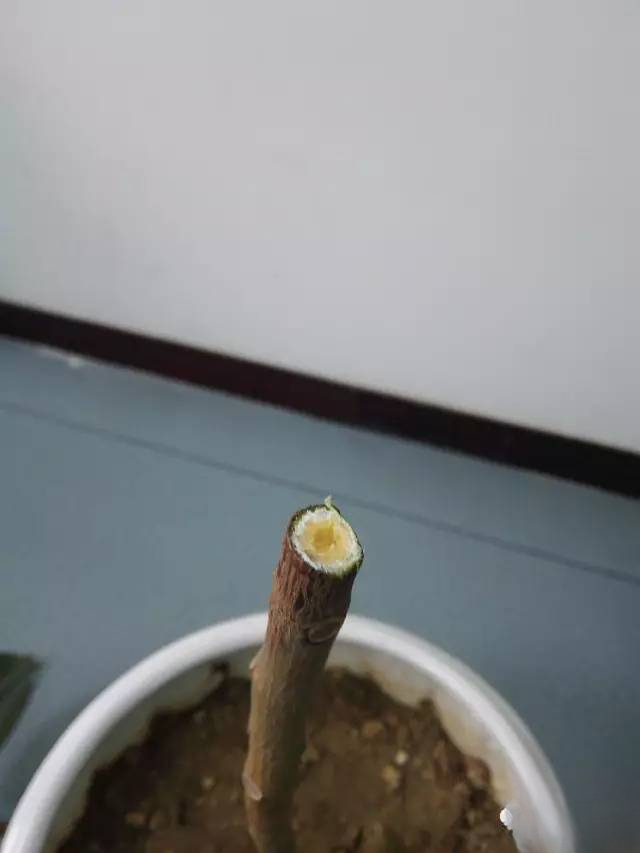
After pruning, a large amount of latex will ooze from the wounds of the rubber tree.
At this point, wood ash or clay can be used to seal the cut.
▼
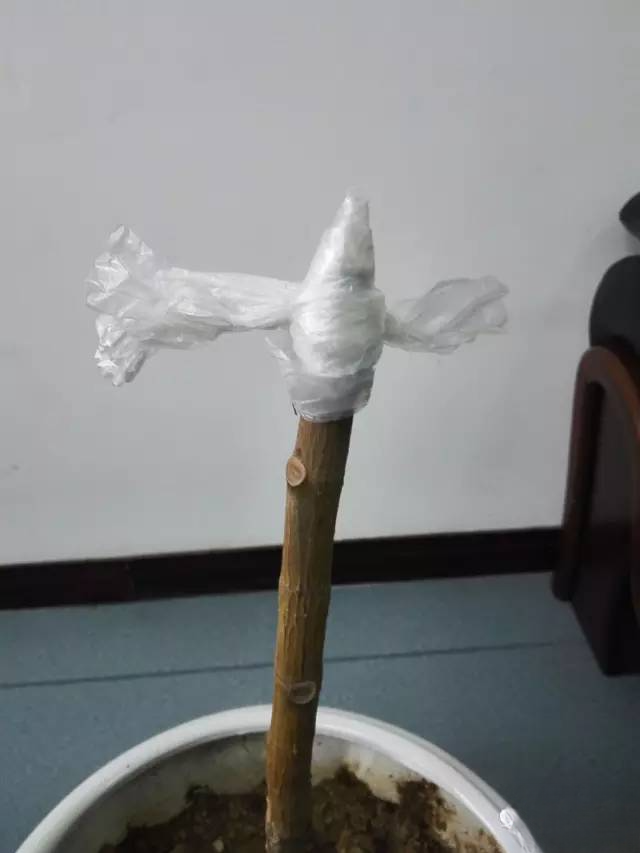
Limited conditions
Hua Hua wrapped the wound with a plastic bag.
▼
After a while, the side shoots will start to sprout.
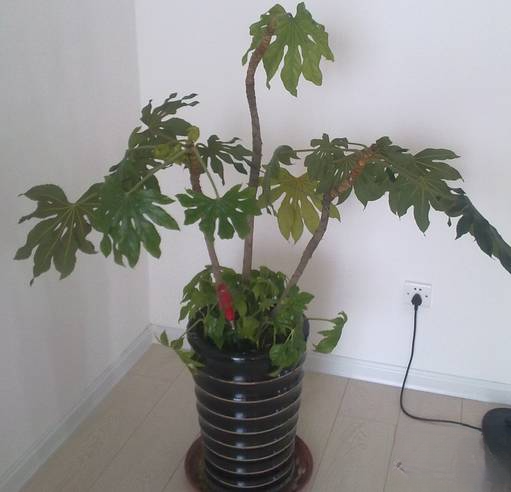
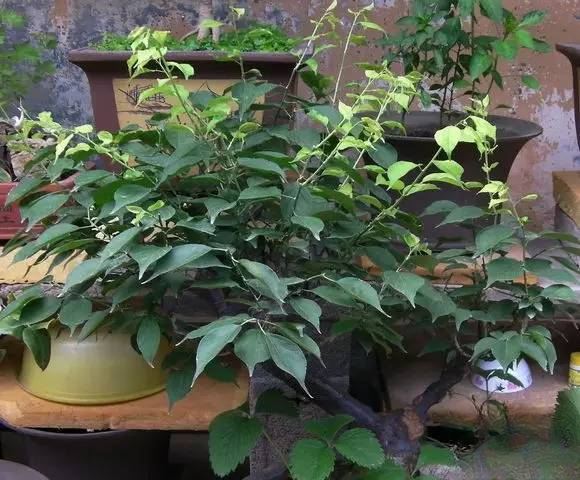
Thinning is also a commonly used pruning method, mainly aimed at removing unwanted branches. It's important to start pruning from the base of the branch. What are the benefits of thinning?
① It can improve ventilation for plants;
② It can reduce the occurrence of pests and diseases;
③ It is beneficial to the healthy growth of the plant;
④ It can make the plant layered and aesthetically pleasing.
In what situations do we need to prune?
① Diseased or damaged branches, weak branches
▼
②After the flowers wither
▼
③Serious branches
▼
④ Overly dense branches
▼
⑤ Excessive growth
▼
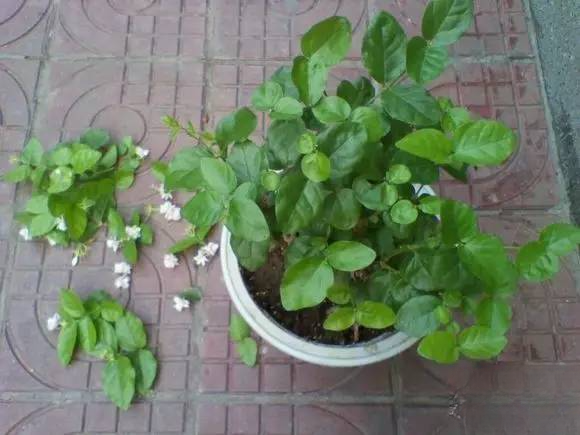
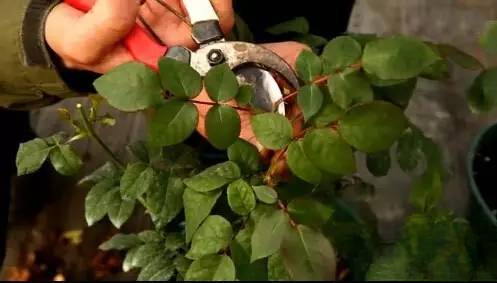
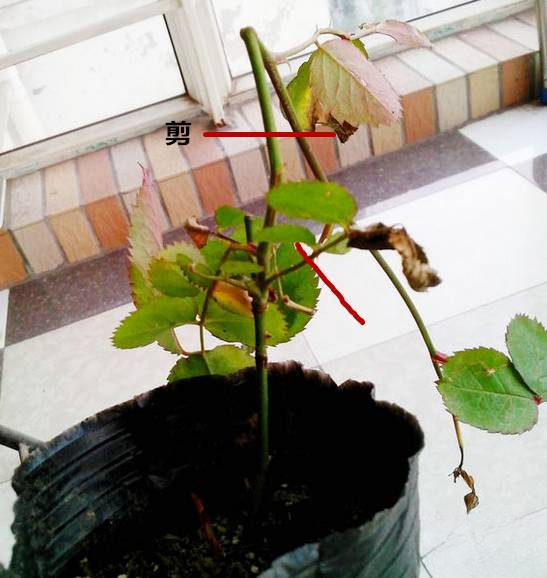
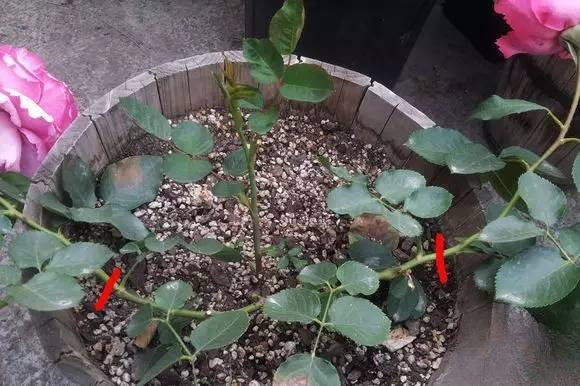
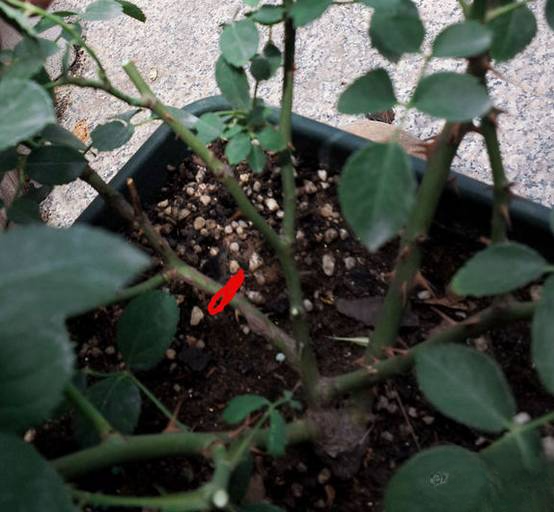
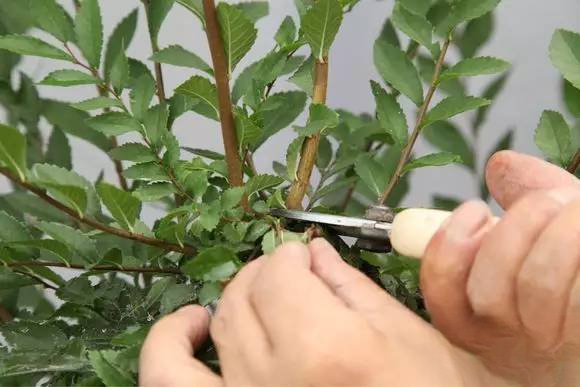
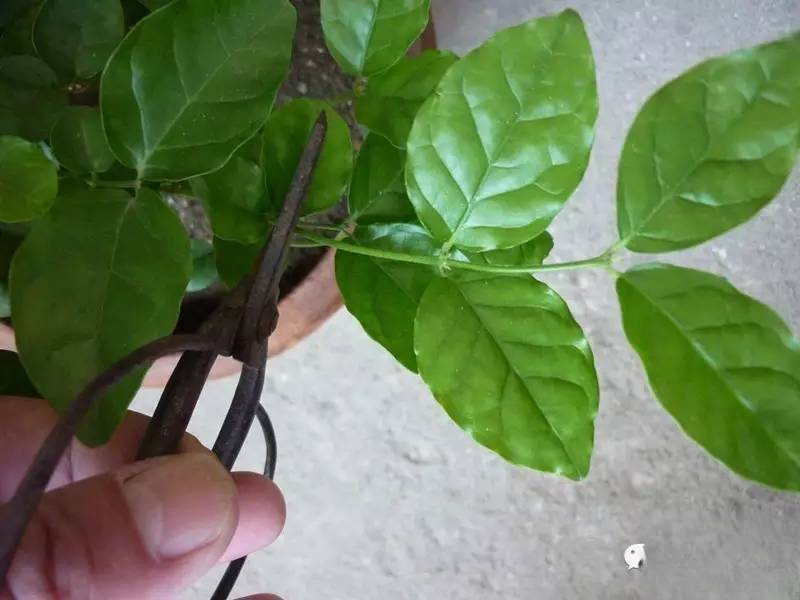
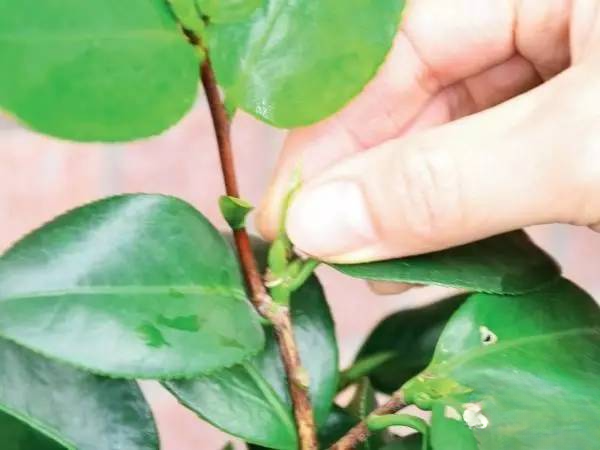
Bud removal involves removing some of the plant's lateral buds. Too many lateral buds can lead to excessive branching, causing nutrient dispersion. This ensures that the main branches receive sufficient nutrients. It also prevents overly dense branches from affecting ventilation and reducing the plant's aesthetic appeal.
bud removal
▼
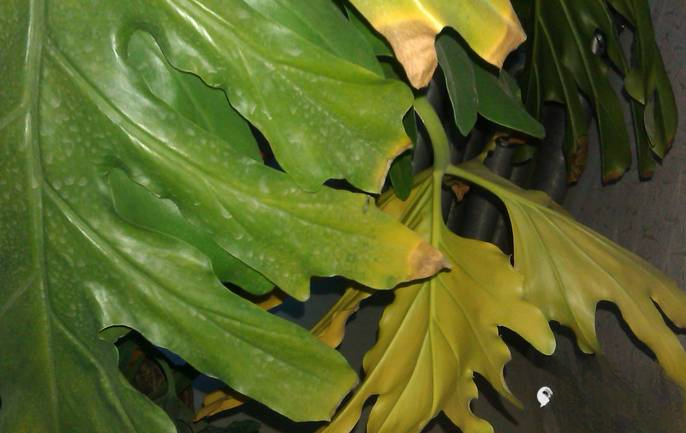
Leaf removal mainly refers to removing yellow, damaged, and diseased leaves.
After reading this, don't you think it's quite simple?
With proper pruning and careful care
The plants will surely reward us with beautiful blooms!