Moistureproofing methods for wooden furniture during the humid plum rain season
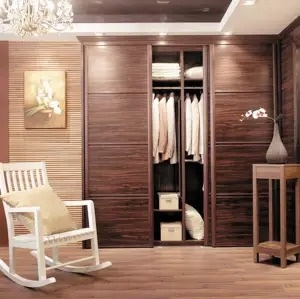
Methods to prevent moisture damage to wooden furniture during the rainy season
On humid days, if general home dehumidification methods don't achieve satisfactory results, consider targeted treatment for severely affected corners of your home. Due to their individual characteristics, different heavily affected areas require personalized moisture-proofing methods.
Hardest-hit area: Wooden floor
Damage conditions: The wooden floor is slippery, and obvious footprints can be seen when stepping on it. Black mold spots were found at the joint between the wooden floor and the baseboard.
Prevention methods: Ground moisture is a major cause of mold and even rot in wooden floors. The installation of the wooden floor is a crucial step in establishing a good moisture-proof foundation. After installation, it's best to use the floor for a period of time before having a professional wax it. This helps to evaporate any residual moisture from the installation process and extends the lifespan of the wooden floor.
Methods to prevent dampness in walls during rainy weather
Hardest-hit areas: walls
Painted walls: In humid seasons, paint is prone to mold, blackening, and foul odor. This manifests as paint blistering, mold growth, and discoloration. Mold can also cause mold growth on the wall surface and even lead to paint peeling.
If mold has appeared on the walls, mix household bleach and water in a 1:3 ratio, apply the mixture to a cloth, and wipe the wall. Rinse with water, and once the wall is dry, apply anti-mold paint for long-lasting moisture protection. Alternatively, there is a convenient household waterproofing repair agent available on the market; simply spray it into the cracks between the damp wall and floor – it's very easy to use.
Wallpapered walls: If the wallpaper on the wall gets damp, it is prone to large areas of mold spots, peeling edges, bubbling, etc., making the originally beautiful wallpaper look terrible.
Mix alcohol and water in a 1:1 ratio, and wipe with a soft cloth soaked in the mixture. If the wallpaper is heavily damp, you can wipe it with 84 disinfectant. If there are stains on the surface of PVC wallpaper, you can gently wipe it with a damp towel and detergent. For non-woven fabric, velvet wallpaper, gold foil wallpaper, and pure paper wallpaper, try not to touch them in daily life. If there is dust, you can sweep it with a feather duster. If there are stains, you can gently wipe them with a clean towel dampened with a professional stain remover.
Moisture-proofing methods for wooden furniture during rainy weather
Hardest-hit area: Wooden furniture
Damage situation: Water droplets formed on the surface of the wooden furniture, and wiping them did not alleviate the condensation.
Prevention methods: Nowadays, many wooden furniture pieces undergo strict drying processes before leaving the factory, but this doesn't mean they don't need regular moisture-proofing. To remove water droplets from wooden furniture, apply a special wood furniture cleaner to a dry cloth. This type of cleaner can form a protective film on the surface of the wood, preventing moisture from penetrating into the interior to some extent. Another good way to prevent moisture from affecting wooden furniture is to apply absorbent paper or plastic sheets to the surface.
Solid wood furniture:
Symptoms of moisture damage: Excessively humid weather can cause small water droplets to appear on the surface of solid wood furniture, localized discoloration of the paint, and mold growth in severe cases. Increased moisture content causes localized expansion of the wood, ultimately leading to furniture warping. Furthermore, the joints between the pieces of wood can crack due to significant changes in moisture content.
Moisture control and maintenance: If solid wood furniture does not show condensation or mold, you can place desiccant packets inside the furniture to absorb moisture. After wiping the exterior clean with a dry towel, apply a layer of walnut oil to repel moisture. In addition, daily maintenance is necessary. Solid wood furniture should be maintained with a special cleaner. You can apply a protective wax or specialized cleaner evenly to the surface of the furniture, then wipe it gently to maintain its luster and prevent moisture.
Moisture treatment: If solid wood furniture gets damp, it should be ventilated and dried in the shade in time if the situation is not serious. If condensation or mold spots appear, the water droplets need to be wiped dry first, the mold spots should be removed with a mild cleaning agent, and then dehumidification should be carried out.
Tip: When buying solid wood furniture, pay attention to the surface paint finish. A well-applied paint finish can help prevent the solid wood furniture from getting damp.
Panel furniture:
Symptoms of moisture damage: Panel furniture is generally edge-banded, making it more resistant to moisture than solid wood. However, the joints of panel furniture can swell and deform due to increased moisture content, and in severe cases, this can lead to cracking of the surface panels.
Moisture-proof maintenance: Keep the seams clean to prevent dust and impurities from absorbing moisture and expanding, causing cracks. Seal seams and other areas prone to water absorption.
Moisture Treatment: In areas like the ground floor or basement where the floor is relatively damp, place moisture-proof mats under panel furniture. After the furniture gets damp, promptly place moisture-absorbing bags to absorb moisture.
Tip: When purchasing panel furniture, choose furniture where the base material is not exposed, i.e., furniture with better edge banding, to prevent the base material from getting damp.
In summary: By learning how to care for wooden furniture, the rainy season will no longer be a hassle. Sharing these methods with your friends will surely benefit them greatly.