Master these 5 techniques for spring flower sowing to increase your seedling germination rate many times over.
If you want your balcony or yard to look like a garden every year, then you must know how to propagate by sowing seeds. This is especially important for novice gardeners. What are some sowing techniques? Why do many seedlings easily fall over or wilt after being sown?
Five techniques for propagation by seed:
1. Seed preparation and disinfection
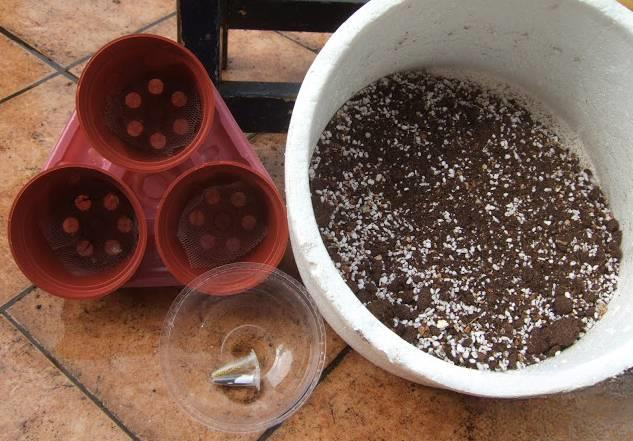
Before sowing, make sure to prepare enough supplies, and disinfect flower pots and soil before use.
Prepare fresh seeds (the longer the seeds are stored, the lower the germination rate), and prepare sterilized seedling pots and soil. If you dig your own soil, you should water it with a fungicide solution before using it for sowing.
2. Sowing and potting
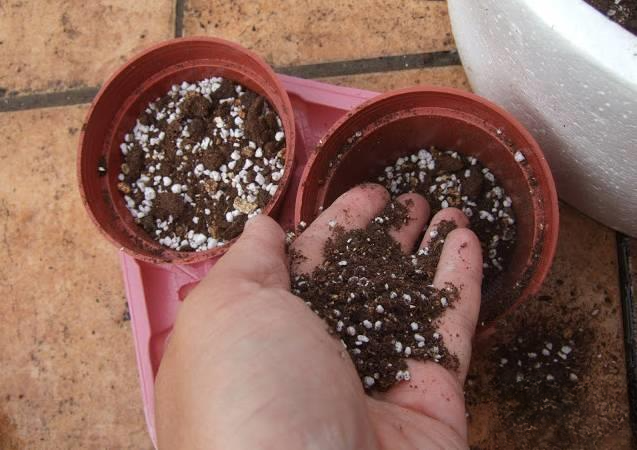
Prepare dedicated seedling trays and use them after soil disinfection. Fill the seedling trays 80% full with soil.
3. Moist soil
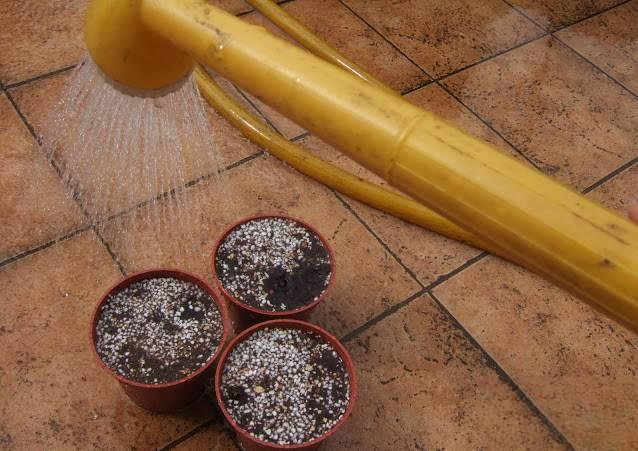
Thoroughly water the soil, allowing excess water to drain from the bottom of the pot.
4. Sowing seeds:
Most seeds are treated by sowing them (seeds can be soaked in water for 8-12 hours before germination to promote germination), covering them with a layer of soil until the seeds are no longer visible, and then watering the soil with a spray bottle or sprinkler.
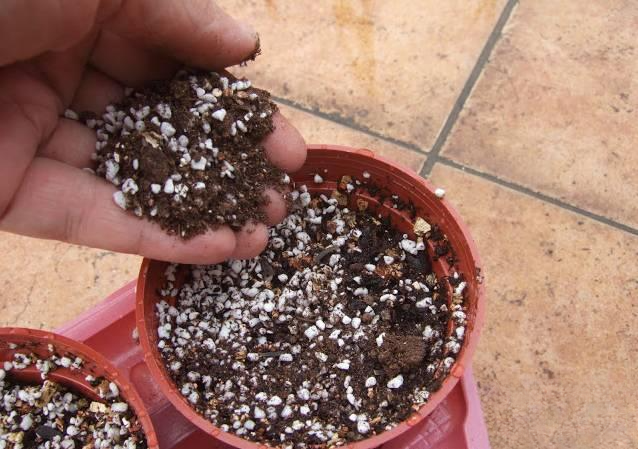
Most seeds can be directly sprinkled with soil and watered, but be careful not to use a lot of water, otherwise the seeds will be easily washed away.
5. Treatment methods for light-loving seeds
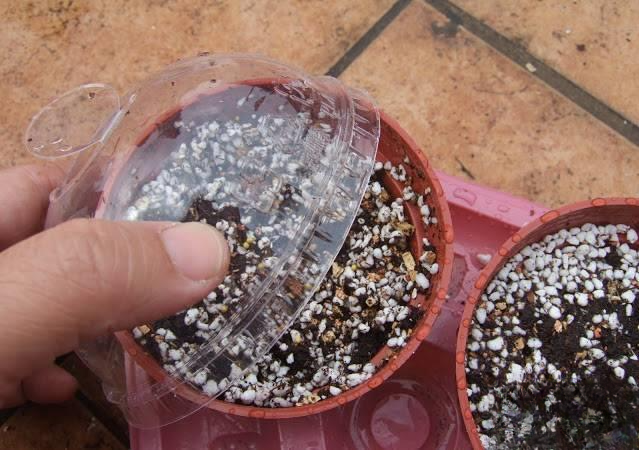
(If the temperature and humidity are insufficient, cover the plant with a lid; the top can be opened for ventilation.)
When sowing tiny seeds, there is no need to cover them with soil or water them. When the weather is stable and cool (such as November and December), you can cover the surface of the pot with plastic wrap or a transparent lid. If you sow the seeds when the temperature is high, it is not advisable to add plastic wrap or a lid, because the temperature of the pot surface will be high after covering, which will affect the germination rate.
6. After sowing,
place the seeds in a bright location without direct, strong sunlight and wait for germination.
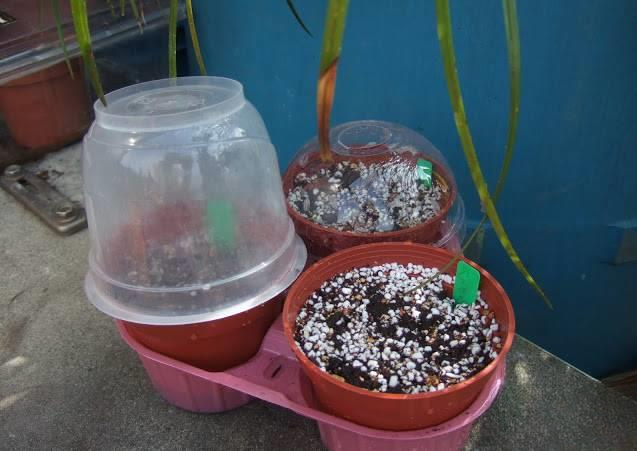
Purchase fresh and vigorous seeds, and pay attention to the date when buying seeds (unsown seeds should be stored in a dry and cool place), as storing them for too long will affect the germination rate.
Using clean media, such as peat moss, potting soil, perlite, vermiculite, or clean sand, is suitable for sowing.
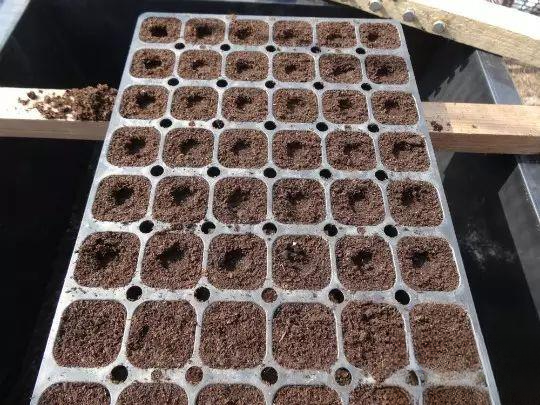
For sowing herbaceous flowers, it is generally customary to use a mixture of potting soil, perlite, and vermiculite in a 1:1:1 ratio.
After sowing, keep the medium moist, but remember not to let the soil become waterlogged.
No fertilizer is needed at the time of sowing; fertilization should only begin when the seedlings develop small leaves. After germination, provide ample sunlight to ensure the seedlings are strong and vigorous, thus preventing them from lodging.
