Major vegetable diseases and pests and their control in November and December
brief:
Major vegetables include those from the Brassicaceae, Cucurbitaceae, Solanaceae, and Fabaceae families. Due to varying climate and topographical conditions, the occurrence of pests and diseases differs across regions, but the major pests and diseases are generally consistent, with only slight variations in their timing. Major diseases include fungal diseases such as downy mildew, blight, wilt, anthracnose, and powdery mildew; bacterial diseases such as bacterial wilt and soft rot; viral diseases; nematode diseases; and some physiological disorders. Major pests include the diamondback moth (diamond moth), flea beetle (dog flea beetle), thrips, aphids, cabbage caterpillars, beet armyworm, American serpentine leafminer, and spider mites.
I. Diseases and Pests of Cruciferous Vegetables and Integrated Management
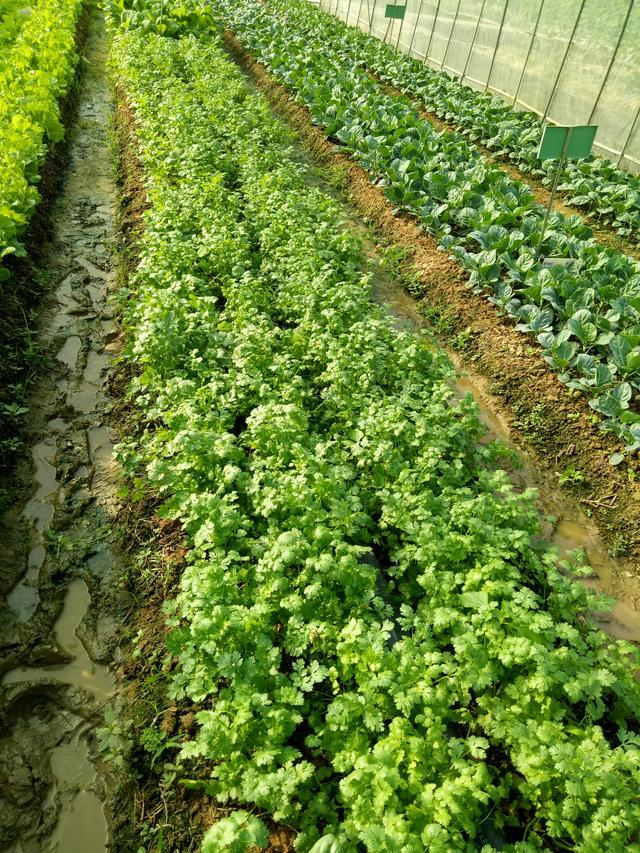
Cruciferous vegetables are diverse and widely cultivated, including Chinese cabbage, bok choy, kale, Chinese kale, cauliflower, mustard greens, radish, and watercress.
(I) Major pests and diseases and their occurrence
1. Major diseases and pests
Major diseases affecting cruciferous vegetables include viral diseases, soft rot, downy mildew, anthracnose, black spot, black rot, sclerotinia rot, and white rust. The first three diseases are the most damaging, widespread, and cause the greatest losses.
The main pests include diamondback moth (diamond moth), striped flea beetle (dog lice), beet armyworm (blackhead moth), beet armyworm, aphids, cabbage white butterfly (cabbage caterpillar), and cabbage moth, etc.
2. Situation
Downy mildew is prevalent from January to March, and soft rot often occurs when the weather warms up. Diamondback moth and flea beetle are the main pests.
From April to June, anthracnose is the main disease, and sclerotinia rot also occurs widely. Diamondback moth and flea beetles remain the main pests, while beet armyworm and sugar beet webworm are serious pests and are prone to outbreaks in some areas.
From July to September, high temperatures and heavy rainfall led to a reduction in vegetable planting area across various regions. Anthracnose and sclerotinia stem rot were the main diseases, while beet armyworm and sugar beet webworm were the main pests in some areas, and diamondback moth continued to cause damage.
From October to December, the weather is relatively dry, aphids occur frequently, viral diseases are prone to spread, diamondback moths and cabbage caterpillars continue to occur, and flea beetles gradually increase their damage.
(II) Comprehensive Prevention and Control
1. Prevention and control strategies
① The prevention and control of viral diseases should be based on disease-resistant or tolerant varieties, with cultivation and prevention as the key points, combined with the control of aphids to prevent the spread of viral diseases.
② When preventing and controlling soft rot and other diseases, agricultural control should be emphasized, the field should be cleaned, and highly effective and low-toxicity fungicides should be used in conjunction with good cultivation techniques.
③ When controlling pests such as diamondback moth and striped flea beetle, we should combine the actual situation of pest occurrence in the local area, and on the basis of doing a good job in agricultural control, vigorously promote biological and biochemical control, and combine it with the use of highly effective, low-toxicity and low-residue insecticides.
2. Key Points of Prevention and Control Techniques
(1) Select disease-resistant and disease-tolerant varieties
Choose the appropriate varieties based on local customs.
(2) Agricultural control
① Select disease-free and pest-free seeds and disinfect them before sowing. Sow at the appropriate time to cultivate strong, disease-free seedlings.
② Avoid continuous cropping and implement crop rotation.
③ After harvesting, promptly plow and dry the fields, clean the fields, remove crop residues and diseased leaves, and clear weeds around the fields.
④ Arrange varieties reasonably to avoid the spread of diseases and pests.
⑤ Strengthen fertilizer and water management, apply sufficient base fertilizer, manage irrigation and drainage properly, keep irrigation water sources clean, and avoid cross-irrigation and flooding. Vegetable fields should be mainly constructed with high ridges and deep ditches to facilitate irrigation and drainage. Fertilization should combine well-rotted organic fertilizer and chemical fertilizer, with more phosphorus and potassium fertilizer to improve crop resistance.
⑥ Promote new technologies such as cooling yarn to encourage early and rapid crop growth and improve crop disease resistance.
(3) Chemical control
Promote the use of highly effective, low-toxicity, and low-residue biological and biochemical pesticides and chemical pesticides to control pests and diseases in a timely manner. When using pesticides, pay attention to applying the appropriate pesticide to the specific symptoms, avoid blindly increasing the dosage, and avoid overuse. Below are some pesticides suitable for the control of pests and diseases in cruciferous vegetables in our province. The concentration of the pesticide should be determined according to the relevant instructions and the local pest and disease situation, and attention should be paid to rotating pesticides.
① To prevent viral diseases, you can use Virus A, Virus Killer, etc., in conjunction with the control of aphids.
② To prevent soft rot, agricultural streptomycin, agricultural antibiotic 75-1, and copper preparations (copper oxychloride, copper ...
③ To prevent downy mildew, you can use metalaxyl, cymoxanil, DuPont Klebsiella pneumoniae (or chlorpyrifos), acetamiprid, propamocarb, etc.
④ Anthracnose can be prevented and treated with cymoxanil, methyl thiophanate, copper-based agents, etc.
⑤ Sclerotinia rot can be prevented and treated with drugs such as iprodione, succinylcholine, and sclerotinia ...granules.
⑥ To control diamondback moth and cabbage caterpillar, you can use BT, Weidi V-BT, Qiwosu (such as Haiji Mie, Haizheng Miecholing, Aifuding, Chongwoke, Abading, Saibao, etc.), Ruijinte, Baolu, Chujin, etc.
⑦ For the prevention and control of beet armyworm and cotton bollworm, insecticides such as Insect Blight No. 1 (NPV insecticide for beet armyworm), Vidi V-BT, Yitaibao, Miwo, Kasik, and Chujin can be used.
⑧ To control aphids, you can use imidacloprid (such as Confudo, High-efficiency Dagongchen, Yibianjing, Aphid-lice Killer, etc.), Haoanwei (Haoniandong), and Antipyretic Agent, etc.
⑨ To control the striped flea beetle, use low-toxicity pesticides such as phoxim and carbaryl to apply a ground spray and combine it with foliar spraying.
II. Diseases and Pests of Cucurbitaceae Vegetables and Integrated Management
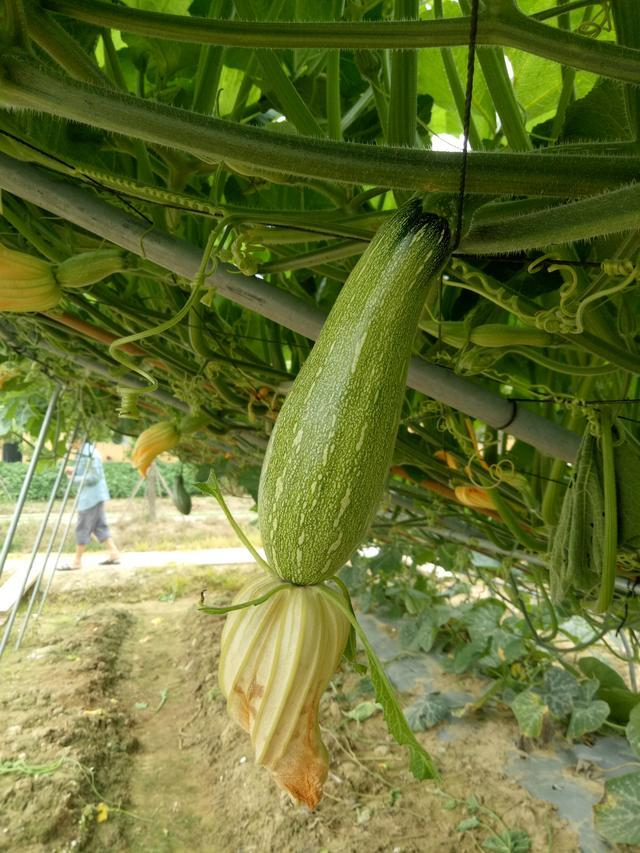
Cucurbitaceae vegetables mainly include cucumber, wax gourd, winter melon, bitter melon, loofah, pumpkin, white gourd, zucchini, as well as watermelon and cantaloupe.
(I) Major diseases and pests and their occurrence
1. Major diseases and pests
The main diseases include blight, wilt, downy mildew, anthracnose, vine blight, seedling damping-off, viral diseases, and bacterial leaf spot.
The main insect pests include thrips on melons, American serpentine leafminer, aphids, melon fruit flies, beet armyworm, melon moth, cucumber beetle, cutworm, spider mites, slugs, and snails.
2. Situation
From January to March, damping-off disease is common in sweet potato seedlings and newly planted melon seedlings. Fusarium wilt is also frequently prevalent during the warming season. Downy mildew begins to appear after March.
From April to June, Fusarium wilt severely affects wax gourd, cucumber, winter melon, watermelon, bitter gourd, etc. Downy mildew mainly occurs on cucumber and loofah, while Phytophthora blight is severe on cucumber, wax gourd, and winter melon. Powdery mildew occurs from time to time on bitter gourd.
Thrips are common and cause serious damage to wax gourd, winter melon, watermelon, and cucumber. Leaf miners severely damage cucurbit leaves and cause significant losses, especially to loofah. Melon fruit flies, beet armyworms, and melon borers are common on bitter gourd.
From July to September, thrips and leaf miners are rampant, and spider mites are also prone to severe outbreaks. Anthracnose is particularly severe on cucumbers and loofahs. Viral diseases are also prevalent.
From October to December, aphids are abundant, and viral diseases are prevalent.
(II) Comprehensive Prevention and Control
1. Prevention and control strategies
For spring-planted melons, disease prevention is the primary focus, with the selection of disease-resistant varieties as a prerequisite, agricultural control as the foundation, and integrated pest management combined with the use of highly effective, low-toxicity, and low-residue pesticides.
In autumn-planted cucurbits, disease and pest control should be given equal importance. Disease-resistant varieties should be selected as a prerequisite, agricultural control measures should be strengthened, the occurrence patterns of diseases and pests should be understood, prevention should be the main focus, and timely and appropriate pesticides should be used to control diseases and pests.
2. Key Points of Prevention and Control Techniques
(1) Select disease-resistant and high-quality varieties
Choose disease-resistant, high-quality, and high-yielding varieties based on local cultivation practices.
(2) Agricultural control
① Disinfect the seeds before sowing. Use seedling trays for raising seedlings whenever possible, and disinfect the potting soil beforehand. Strengthen the management of fertilizer and water in the seedbed, harden off the seedlings in a timely manner, improve the seedlings' own resistance, and cultivate strong seedlings free from diseases and pests.
② Select new land with higher elevation, loose and fertile soil, and convenient irrigation and drainage. For old vegetable plots, crop rotation must be implemented to avoid continuous cropping, and the fields should be deeply plowed and sun-dried in a timely manner. Create deep furrows and high ridges whenever possible; if available, treat the soil with pesticides.
③ Strengthen field fertilizer and water management, apply sufficient well-rotted organic fertilizer as base fertilizer, and top-dress as needed. Take measures to prevent cold and high temperatures to improve the crop's disease resistance. Avoid cross-irrigation and flooding, and drain waterlogged fields promptly.
④ Carry out field cleaning work, and promptly remove diseased and damaged plants and weeds.
⑤ Use silver film or silver-gray shade netting to prevent aphids and thrips.
(3) Biological control
Make full use of natural enemies in the field, actively carry out biological control, reduce the number of times chemical pesticides are applied, and promote the use of biological and biochemical agents to control pests and diseases.
(4) Chemical control
Use chemical pesticides scientifically and rationally, and strictly prohibit the use of highly toxic pesticides. When necessary, apply pesticides at the onset of disease and during the peak hatching period of insect eggs.
The following is an introduction to pesticides suitable for the control of diseases and pests in cucurbitaceous vegetables. Local authorities can use them appropriately based on local disease and pest conditions and pesticide application levels.
① Viral diseases can be prevented with Virus A, Virus Killer, etc.
② For prevention of root rot, fungicides such as carbendazim, thiophanate-methyl, and benomyl can be used for root drenching. According to relevant information, fungicides such as iprodione, propiconazole, cymoxanil, and tebuconazole also have some effect, but attention must be paid to the timing and method of application.
③ For the use of pesticides to prevent and control downy mildew, blight, and anthracnose, please refer to the section on leafy vegetables.
④ Powdery mildew can be controlled with fungicides such as triadimefon, chlorpyrifos 120, sulfur suspension, cyproconazole, and tebuconazole.
⑤ Thrips can be controlled with imidacloprid (such as Confudo, High-efficiency Dagongchen, etc.), Haoanwei (Haoniandong), Qixingbao, etc.
⑥ To control the American serpentine leafminer, you can use acaricides such as chlorpyrifos (such as chlorpyrifos, chlorpyrifos var. ...
If the density of various pests is high, a 10% insecticide suspension can be used to reduce the insect population density.
III. Diseases and Pests of Solanaceous Vegetables and Integrated Management
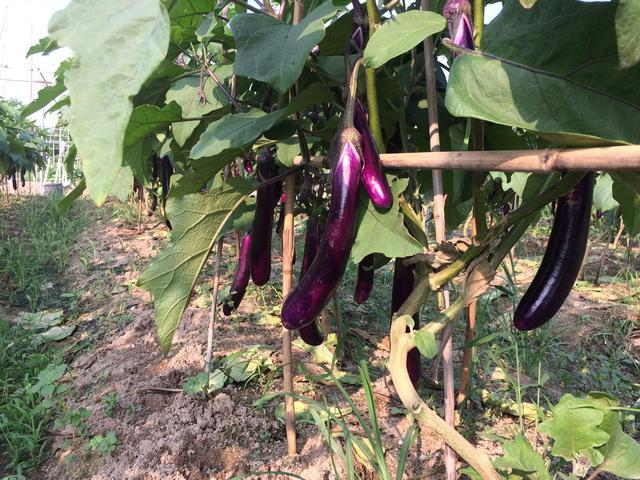
Solanaceae vegetables mainly include tomatoes, eggplants, peppers (sweet peppers), and potatoes.
(I) Major pests and diseases and their occurrence
1. Major diseases and pests
The main diseases include bacterial wilt, viral diseases, early blight and late blight of tomatoes, gray mold and leaf mold, brown spot of eggplant, downy mildew, blight of pepper, anthracnose, early blight and late blight of potatoes, and many other diseases.
The main pests include cotton bollworm, tobacco budworm, broad mite, palm thrips, and spider mite.
2. Situation
In the first half of the year, solanaceous crops were mainly affected by fungal diseases, with leaf spot, damping-off, and fungal fruit rot all impacting normal production. Viral diseases also occurred frequently. After April, mites and thrips began to cause serious damage, and noctuid moths also started boring into the fruit. Bacterial wilt was severe, with mites and thrips causing significant damage, and leaf miners and noctuid moths intensifying their infestations. Common fungal diseases were also prevalent. Later, during the dry season, aphid infestations were severe, accompanied by the spread of viral diseases.
(II) Comprehensive Prevention and Control
1. Prevention and control strategies
Based on the selection of disease-resistant varieties, we should strengthen agricultural measures, improve the crop's own disease resistance, and use pesticides in a timely manner to control the occurrence of diseases and pests.
2. Key Points of Prevention and Control Techniques
(1) Select disease-resistant and high-quality varieties
Select disease-resistant and high-yielding varieties according to local conditions.
(2) Agricultural control
① Disinfect seeds before sowing, use seedling trays for seedling cultivation, and disinfect the potting soil. Cultivate strong seedlings free from diseases and pests.
② Sow at the appropriate time, avoiding peak periods of disease and pest outbreaks.
③ Adopt crop rotation measures to avoid continuous cropping of crops of the same family.
④ Promptly carry out field cleaning work, removing weeds and diseased plant debris. Disinfect the fields, improve soil conditions, and promptly plow and sun-dry the fields.
⑤ Strengthen fertilizer and water management. Adopt raised beds and deep furrows for planting to avoid waterlogging in the field. Ensure timely irrigation and drainage, and prohibit cross-irrigation and flooding. Increase the application of well-rotted organic fertilizer and phosphorus and potassium fertilizer to improve crop disease resistance. Maintain good ventilation in the field and promptly remove old yellow leaves and pest and disease residues.
⑥ Control disease vectors, such as using chemical agents to control aphids.
(3) Biological control
Biological control can be achieved by utilizing natural enemies already present in the field, thereby promoting the use of biological pesticides.
(4) Chemical control
Chemical control should be carried out in a timely manner according to different targets. The main pesticides suitable for the control of diseases and pests of solanaceous vegetables are as follows; local areas should select the appropriate pesticides based on their local conditions.
① Agricultural streptomycin and copper-based agents can be used to prevent bacterial wilt.
② Viral diseases can be prevented with Virus A, Virus Killer, etc.
③ For the prevention and control of oomycete diseases (such as blight), metalaxyl, cymoxanil, chlorothalonil, acetamiprid, propamocarb, etc. can be used.
④ Mites can be controlled with products such as Haizheng Insecticide, Kasik, Sumitone, and Manke.
⑤ To control cotton bollworm, you can use insecticides such as carbofuran, miticides such as chlorpyrifos, chlorpyrifos var. ...
IV. Diseases and Pests of Leguminous Vegetables and Integrated Management
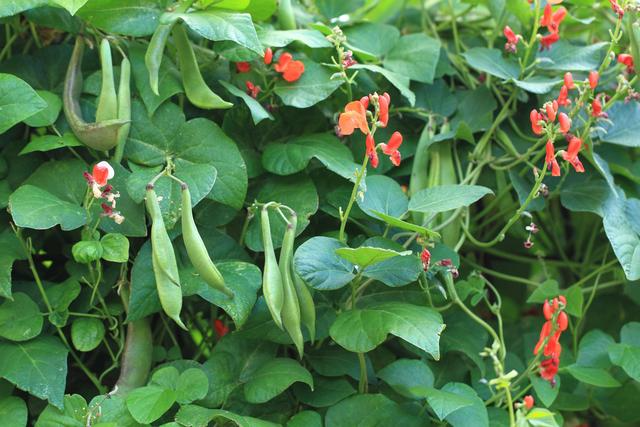
Legumes mainly include green beans, cowpeas, and peas.
(I) Major pests and diseases and their occurrence
1. Major diseases and pests
The main diseases include root rot, blight, powdery mildew, rust, blight, anthracnose, viral diseases, and bacterial blight.
Major pests include bean borer, bean leafminer, bean stem fly, bean weevil, aphid, and spider mite.
2. What happened.
From February to April, the weather is conducive to the spread of rust. Winter-planted peas are in their later stages, and powdery mildew is also quite serious. Soybean borers are beginning to cause damage.
From May to September, high temperatures lead to outbreaks of soybean borers, snails, and leaf miners, while fungal diseases such as rust, leaf spot, and wilt are also severe.
From October to January of the following year, most winter-planted beans are susceptible to root rot and bean stem flies in the early stages, while powdery mildew is prone to outbreaks in the middle and late stages. In addition, dry weather is conducive to aphid infestation, accompanied by the spread of viral diseases.
(II) Comprehensive Prevention and Control
1. Prevention and control strategies
Select resistant varieties, strengthen cultivation management, focus on key areas, and use pesticides in a timely manner to control the occurrence of diseases and pests.
2. Key Points of Prevention and Control Techniques
(1) Select disease-resistant and high-quality varieties
Choose disease-resistant and high-yielding varieties according to local conditions (refer to Chapter 1, Variety Section). Select disease- and pest-free seeds and treat them before sowing.
(2) Agricultural control
① Rotate crops with non-leguminous plants to avoid continuous cropping.
② Promptly plow and dry the field to reduce sources of pests and diseases. Clean up diseased plant debris and weeds from the field regularly.
③ Apply sufficient base fertilizer and top-dress in a timely manner to promote the plant's disease resistance.
④ Timely irrigation and drainage should be implemented to avoid cross-irrigation and flooding.
⑤ If necessary, cover the seedlings with plastic film during the seedling stage to promote early and rapid growth of bean seedlings.
(3) Biological control and chemical control
Make full use of natural enemies in the field to carry out biological control. Apply pesticides promptly to control pests and diseases, but pay attention to the safe interval between pesticide applications and use the correct pesticide for the specific symptoms. Rust can be controlled with fungicides such as cyazofamid and tebuconazole.