Major diseases and pests of indoor foliage plants and their control
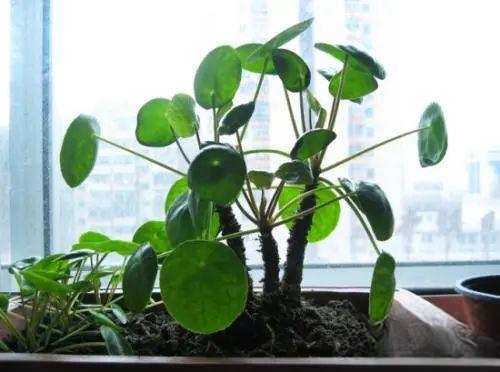
Leaves are the main ornamental feature of indoor foliage plants, so it is essential to ensure that the leaves are evergreen, lush, and aesthetically pleasing. If infected by pests or diseases, the leaves may be damaged and riddled with holes, or even the plant may be endangered. Pests and diseases not only hinder plant growth but, more importantly, reduce or eliminate their ornamental value.
The history of introducing and cultivating indoor foliage plants in my country is relatively short, so the types of pests and diseases are not as numerous as those of other flowers. However, due to their unique morphology and cultivation methods, they are still susceptible to various pests and diseases. Therefore, pest and disease control should be given due attention in cultivation management.
(I) Characteristics of Pest and Disease Occurrence
To ensure the healthy growth of indoor foliage plants, their ecological needs (i.e., preference for warmth, humidity, and intolerance to strong light) should be met as much as possible during cultivation. However, the most suitable environmental conditions for the growth and survival of indoor foliage plants also create conditions conducive to the emergence and spread of many pests and diseases. Generally speaking, the timing of pest and disease outbreaks depends primarily on temperature, while the severity of damage is mainly influenced by humidity, in addition to temperature. Higher temperatures lead to more generations of pests and diseases, and higher soil moisture facilitates their spread through water, promoting their reproduction and development, resulting in a wider range of outbreaks. Indoor environments suitable for the growth and decoration of foliage plants, besides providing the higher temperatures necessary for pest and disease development, also contribute to the development and spread of many pests and diseases due to their shade and poor ventilation. For example, borers that burrow into stems and pests that live underground or in dark rooms thrive in the absence of light or diffused light. Furthermore, indoor environments cannot fully meet the optimal conditions for the growth of indoor foliage plants, resulting in many indoor foliage plants being less robust and relatively weak. Their resistance is weak, making them susceptible to diseases and pests.
(II) Principles and methods of pest and disease control
Compared to other plants, the prevention and control of pests and diseases in indoor foliage plants must adhere to the principle of " prevention first, prevention is more important than treatment . " Strict quarantine measures are crucial to eliminate sources of pests and diseases and minimize their occurrence. Since newly introduced plants often bring pests and diseases with them, those imported from abroad or other regions must be inspected by quarantine agencies; locally purchased plants should be free of pests and diseases. If potentially diseased plants have been purchased, infested branches and leaves should be removed, and the plant should be isolated and planted separately for a period until confirmed to be free of pests and diseases before use. For plants already found to be infested, the principle of " treating small, few, and complete treatment " should be followed to eliminate pests and diseases before they occur and prevent their spread. Never wait until the infestation is severe before taking action; even if the plant is cured, it will have lost its ornamental value.
Pest and disease control must employ comprehensive technical measures. In addition to adhering to the principles and methods mentioned above, special attention should be paid to cultivation techniques and daily management, striving to improve the cultivation environment. Maintaining appropriate temperature and humidity, ensuring ventilation, shading, and proper fertilization and watering will promote robust plant growth and enhance resistance to pests and diseases. Improving environmental conditions involves maintaining cleanliness, enhancing ventilation and light penetration, and promptly removing diseased branches, leaves, and fallen leaves to hinder their survival and development. As for chemical control, it should only be used as a supplementary measure for indoor foliage plants. Even though it is relatively simple and can suppress and kill pests and diseases in a short time, improper use can easily lead to phytotoxicity, pests can develop resistance, and it can also cause environmental pollution. Extra caution is needed when plants are placed indoors; non-toxic or low-toxicity pesticides should be used whenever possible. If toxic pesticides are used, the affected plants must be moved to a designated outdoor area and allowed several hours after spraying before being returned to their original location.
(III) Common diseases and pests and their control
1. Major insect pests and harmful small animals and their control
( 1 ) Red spider
Widely distributed and omnivorous, it can harm a variety of flowering and indoor foliage plants. It typically thrives in hot, dry environments (such as sunny spots near windows indoors) and reproduces rapidly. It mostly infests...
It grows on the leaves and sucks sap, causing small yellowish-white spots to appear on the leaves, which then turn grayish-white, lose their luster, and eventually wither or fall off.
Control methods: For minor infestations, remove severely infected leaves and rinse them with water; improve ventilation and lower the temperature; frequently spray water around the plant to increase humidity. Chemical control can be achieved with acaricides such as trichlorfon or dimethoate at a 100- fold dilution, once a week for 2-3 consecutive times .
( 2 ) Aphids
This disease also frequently occurs in some indoor foliage plants. It is highly prolific, mainly absorbing sap from new shoots and leaves, often causing the plant's leaves to deform, wrinkle, and curl; at the same time, it can spread viruses, and its secretions can induce sooty mold.
Control methods: For small infestations, squeeze the affected area and then rinse thoroughly with water; alternatively, apply tobacco water (50 times dilution) or soapy water several times consecutively. For chemical control, spray with 25% rotenone at 800-1000 times dilution , 40 % dimethoate at 2000 times dilution , 3% natural pyrethroid at 1000 times dilution, or deltamethrin at 2000-3000 times dilution; all these methods are quite effective.
( 3 ) Scale insects
There are many types of scale insects, with the main ones damaging flowers including mealybugs, red wax scale insects, cottony cushion scale insects, and brown round scale insects. They are one of the most common pests of indoor foliage plants, especially woody foliage plants and coniferous plants. They mainly cluster and parasitize the young stems and leaves of plants, using their piercing-sucking mouthparts to insert into the plant tissue and extract sap (Figure 11 ). Their wounds are highly susceptible to disease and can induce sooty mold. They reproduce rapidly, multiplying in a year under suitable environmental conditions, so they can cause damage year-round in warmer regions.
Control methods: For small infestations, manual control is usually used, which involves brushing off the insects and then rinsing thoroughly with water. Chemical control is best applied during the peak hatching period of nymphs before the waxy scale on their bodies has formed. This makes it easier to kill the insects and improves control effectiveness. Suitable pesticides include 1000x dilution of methamidophos , 1500-2000x dilution of 20% cypermethrin , and 800-1000x dilution of 40 % dimethoate , spraying 2-3 times every week . For more severe infestations, a combination of manual and chemical control methods should be used . First, brush off the substrate, then spray with the aforementioned pesticides for better results.
( 4 ) Whiteflies
Widely distributed, this insect damages various flowers, and is prevalent in indoor foliage plants in greenhouses or plastic tunnels, especially in dry environments. The insect is small and white; both adults and larvae insert their mouthparts into the underside of leaves to suck sap, causing the leaves to turn yellow and wither (Figure 12 ). Wounds are highly susceptible to brown rot, which can lead to plant death in severe cases. Simultaneously, it excretes honeydew on the leaves, causing sooty mold.
Control methods: 2.5% deltamethrin, 20% cypermethrin at 1500-2000 times dilution , and other pyrethroid insecticides can be sprayed to control nymphs, adults, and eggs. Generally, spray once a week for 3-4 consecutive times .
( 5 ) Nematodes and grubs and other underground pests
These pests mainly feed on the roots and tender stems of plants underground, or damage root bulbs, causing root and stem rot and plant death (Figures 13 and 14 ). Damage has also been found in some indoor foliage plants.
Control methods: Disinfect the soil with steam or pesticides to eliminate the root cause of nematodes; mix food with trichlorfon and scatter or bury it near the seedlings to attract and kill them; irrigate the plants with a 1000- fold dilution of 90% trichlorfon ; manually kill them.
( 6 ) Snail
These are terrestrial molluscs that mostly live in shady and damp environments. They prefer shade and moisture and dislike dryness and strong light. They often damage the leaves, tender stems, and roots of perennial herbaceous foliage plants, causing damage to the plant's branches and leaves, affecting its growth and ornamental value, or even causing the plant to die.
Control methods: Food mixed with trichlorfon can be scattered in areas where snails frequently appear to attract and kill them; alternatively, a 1500-2000 times dilution of trichlorfon or deltamethrin can be sprayed around the plants; 8% granular slugicide can be applied to the soil around the roots to kill snails. In addition, maintain good indoor hygiene, promptly remove dead branches and leaves to reduce their living space.
2. Major Diseases and Their Control
( 1 ) Anthracnose is caused by fungi and often affects the leaves of plants, as well as the tender parts of the stems. During the rainy season in summer, the disease is more severe in greenhouses with high air humidity and poor ventilation. Indoor foliage plants such as Dracaena cochinchinensis, Croton tiglium, Bromeliad, Rubber plant, and Peperomia are very susceptible to the disease. When it affects the leaves, in the early stage, round or oval lesions appear on the leaves. The center is grayish-white to light brown and the edge is dark brown. There are black spots on the lesions. In severe cases, the leaves wither and die. When young buds and tender stems are affected, the leaves often rot.
Control methods: At the initial stage of disease, promptly spray with 800-1000 times diluted solutions of methyl thiophanate, carbendazim, or benomyl . Alternatively , spray with chlorothalonil, thiophanate-methyl, or other antifungal agents. More importantly, preventative measures are crucial to avoid or mitigate the disease's spread. These include strengthening cultivation management, creating well-ventilated and well-lit environments; maintaining environmental hygiene by promptly removing and burning diseased plants and leaves; applying fertilizer rationally, avoiding excessive nitrogen and increasing phosphorus and potassium fertilizers to promote robust plant growth and enhance disease resistance; improving the cultivation substrate, minimizing the reuse of potting soil, and ensuring proper soil disinfection (using steam or 40% formalin).
( 2 ) Brown spot disease
Brown spot disease is a fungal disease that frequently affects indoor foliage plants such as Dracaena fragrans, Monstera deliciosa, and Ficus microcarpa. This disease is more likely to occur at higher temperatures. When it affects the leaves, circular or nearly circular lesions form. In some cases, small, round black spots initially appear on the leaves, gradually enlarging into circular or nearly circular lesions. As the lesions grow, the edges become dark brown, the center grayish-black, and small black dots appear. In severe cases, the lesions merge, eventually causing the entire leaf to wither (Figure 16 ).
Control methods: Promptly prune and burn diseased leaves to prevent infection; improve cultivation conditions such as ventilation and light penetration; depending on the disease situation, spray with 1000 times dilution of methyl thiophanate, carbendazim, or 800-1000 times dilution of 60% zineb powder for control.
( 3 ) Soft rot
Soft rot is a bacterial disease that can occur in indoor foliage plants such as nerve plants, hoya, and variegated evergreen plants, and it is particularly severe under hot and humid conditions. High temperatures promote bacterial growth; humidity not only favors pathogen reproduction but also facilitates their spread and invasion. Under suitable temperature and humidity conditions, bacteria can easily enter the tissue through wounds on plant leaves and other organs, secrete toxins, cause tissue necrosis, and absorb nutrients from the tissue. This allows the bacteria to spread to surrounding areas, causing tissue disintegration and ultimately leading to the death of the entire plant.
Prevention and control methods: Take care to avoid injury or damage to the plant's leaf tissue, and at the same time, reduce or avoid spraying water on the leaves; when diseased leaves appear during the growing season, they should be removed in time (the tools should be disinfected to prevent infection, and spray with streptomycin solution at 1000 times dilution for prevention and control).