Life hacks: Cleaning tips! Come take a look, you might find them useful right away!
1. Clever Cleaning of Plastic Basins
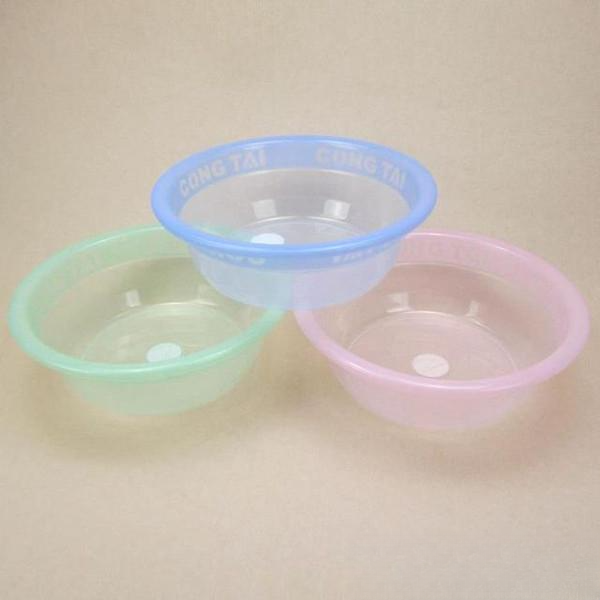
Method: Wrap the leftover tea leaves in gauze, dip it in a suitable amount of cooking oil and wipe the leaves, then wash with a little detergent.
Advantages: Compared to traditional methods of vigorous scrubbing with a scrubbing pad, this method avoids scratching the surface of plastic products. Scratched plastic surfaces become uneven, making them more prone to dirt buildup.
Principle: Oil absorbs oil
2. Eraser stain removal
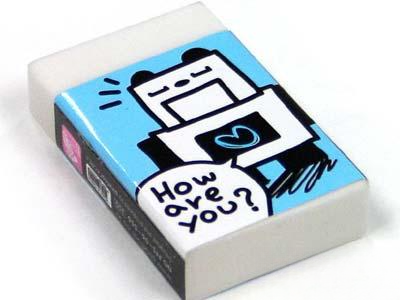
Many girls have a lot of white bags, shoes, and other white items at home. What do you do when these white things get dirty? Well, I'll tell you a simple and easy way to remove stains: use an eraser. No matter what kind of stain it is, just rub it with an eraser and it will be gone. You can also use an eraser on white tabletops, walls, sofas, and more.
You can also use leftover moisturizers or lotions to wipe your bag (leather or imitation leather is fine).
3. Clever way to wash grapes
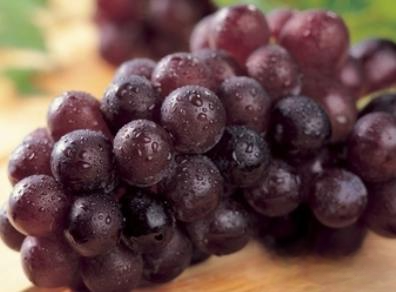
Prepare a bowl and pour in a small amount of starch. Then pour in enough water to just cover the grapes. Place the grapes in the water and rinse them thoroughly, then rinse them clean with water. This method prevents the grapes from falling off and cleans them effectively.
4. Toilet cleaning
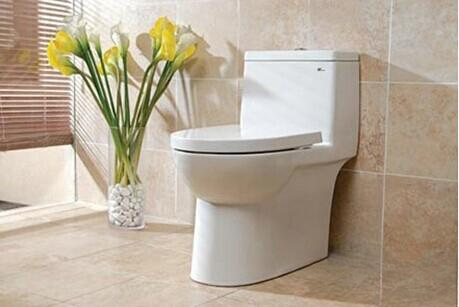
Pour a suitable amount of toilet cleaner into the toilet every few days, close the toilet lid, wait a while, and then flush with water to keep the toilet unobstructed.
You can also use flat cola to clean the toilet. Pour it into the toilet bowl, wait 10 minutes, and then flush. You'll find the toilet bowl is very white and clean.
5. Clean plush toys with coarse salt.

Place half a bowl of coarse salt (available in supermarkets, about 2 yuan a bag) and the dirty plush toy into a plastic bag, tie the bag closed, and shake vigorously for several dozen times. When you take it out, the salt will have turned grayish-black from absorbing the dirt.
Advantages: Prevents toy plush from tangling due to washing, and salt also has a disinfecting effect; quick and time-saving.
Principle: It utilizes the adsorption effect of positive and negative ions of sodium chloride (table salt) on dirt.
By analogy: This method can also be used to clean the fur collars of cotton-padded clothes and small items such as plush cushions in cars.
6. Clever ways to clean stainless steel tableware
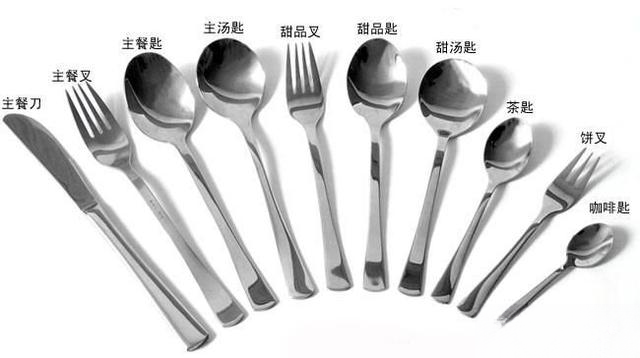
Method: Roast the carrot tops (which you don't need when cooking) over a fire, then use them to wipe stainless steel products.
Advantages: Does not damage surface finish
7. Cleverly washing narrow-necked dirty bottles
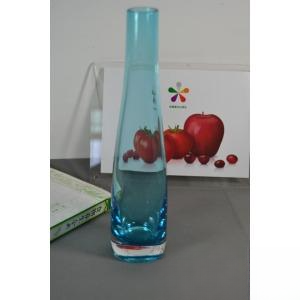
Method: Break the eggshells into small pieces, put them in a bottle with warm water, shake vigorously, and the eggs will be clean.
Principle: The friction of the eggshell is used to remove oil, jam, and other substances adhering to the inner wall of the bottle.
8. Clever uses of toothpaste
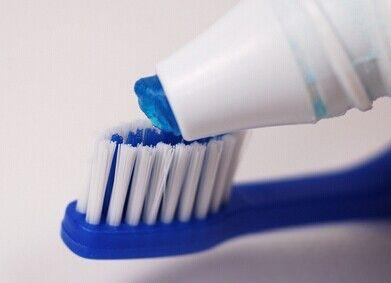
What to do about tea stains on a cup? Use toothpaste to remove them – it's quick and easy.
Silver jewelry can also be cleaned with toothpaste, making it shine like new. The salesperson will usually tell you this method when you buy it.
9. Tile cleaning
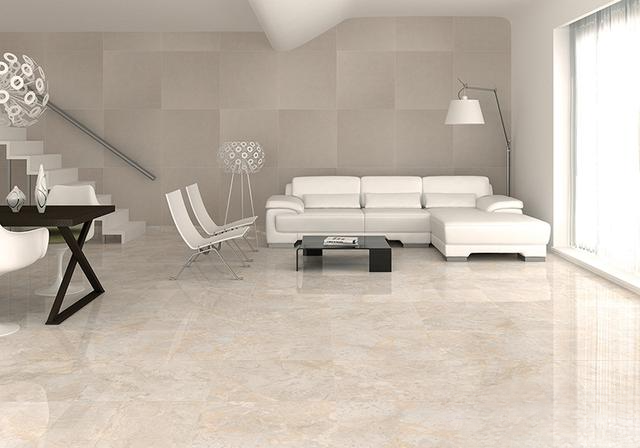
When tiles are stained with thick, heavy grease, you can cover them with toilet paper or tissues, spray with cleaning agent, and let it sit for a while. This way, the cleaning agent won't drip everywhere, and the grease will all float to the surface. Remove the toilet paper, and then wipe the tiles a couple more times with a clean cloth dampened with water. For stubborn stains that won't come off, you can use a cotton cloth instead of toilet paper.
10. Pool cleaning
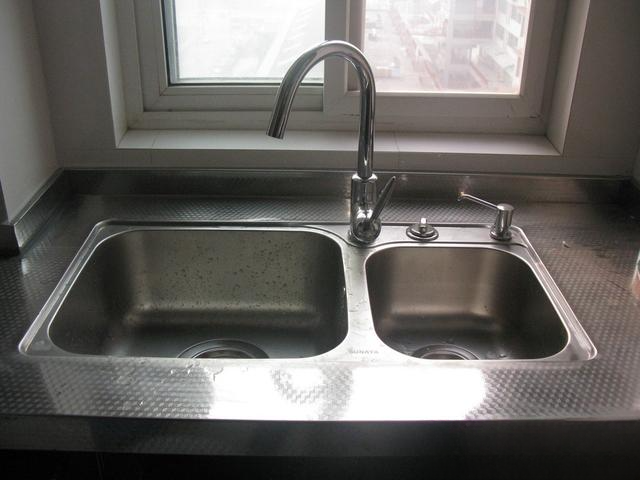
Kitchen sinks are used for washing vegetables and dishes, so they easily accumulate grease from dishwashing water. If you don't have a special sink cleaner, sprinkle some salt on the greasy areas, then scrub with a piece of old plastic wrap. Rinse several times with warm water afterward to make the sink look brand new. For the corners and drain areas, use a small brush or toothbrush with fine salt, soapy water, and detergent to scrub. It's also best to soak the drain cover in warm soapy water for 20-30 minutes for optimal cleaning.
11. Cleaning the range hood
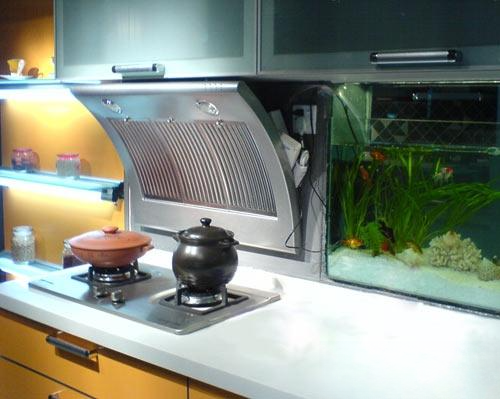
Range hoods are the most difficult kitchen appliances to clean. First, empty the grease from the grease tray. Then, soak the grease tray in warm water mixed with soap or neutral detergent for about 20 minutes. If the grease is stubborn, soak it for 40 minutes. If the grease filter has a small amount of grease, you can soak it in warm water, wash it, and dry it. If the grease is more severe, you can soak it together with the grease tray.
12. Gas stove cleaning
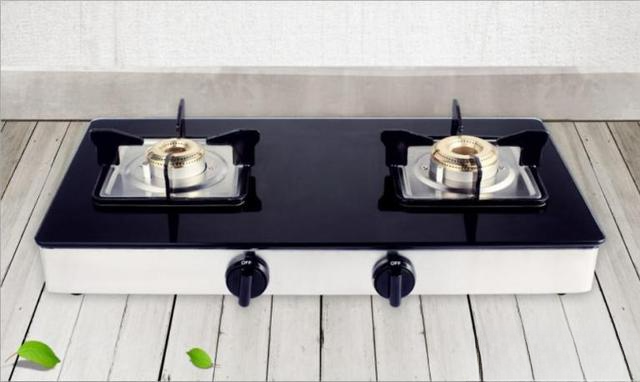
To remove grease from the gas stove, you can apply the hot water left over from cooking noodles to the surface, wait a while, wipe it with a cloth, and then rinse it with water. Gas stoves are generally cleaned after cooking. The water used to cook noodles is also very effective at cleaning dishes.
13. Cleaning the pot lid
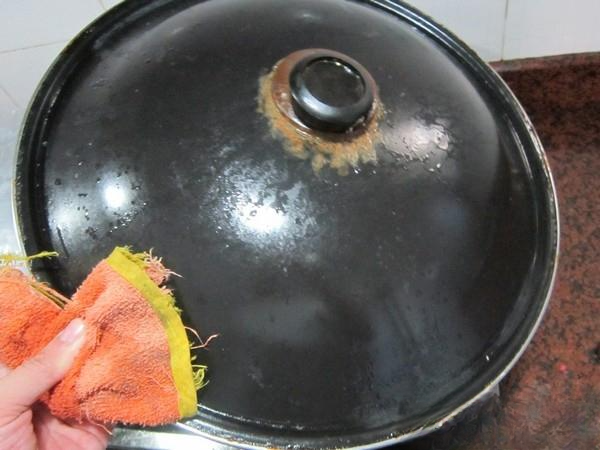
Over time, pot lids accumulate a thick layer of grease, which is time-consuming and laborious to clean with detergent. Here's a simple and effective method: Put a little water in the pot, place the lid upside down on top, and bring the water to a boil (you can add a little dish soap). Let the steam steam the lid. Once the grease becomes whitish and soft, gently wipe it with a soft cloth, and the lid will shine like new.
14. Cleaning of cutting boards and knives
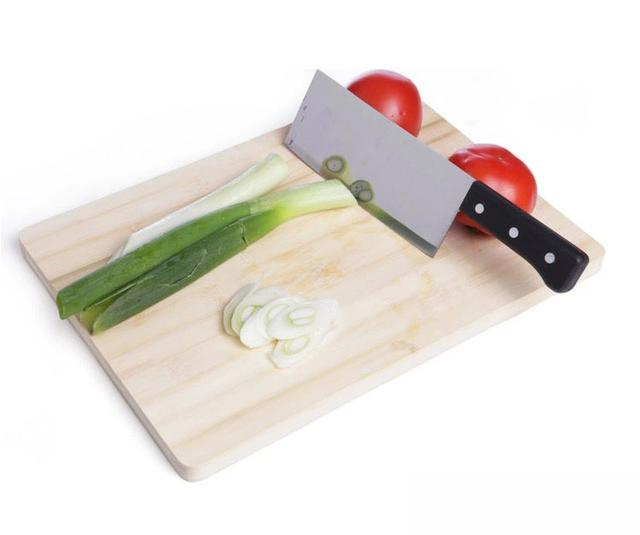
Cutting boards often develop odors after use. Household vinegar can effectively clean them. Mix two tablespoons of vinegar with 200 ml of warm water, pour the mixture onto a cutting board lined with paper towels, and let it sit for 15 minutes. The dirt on the cutting board will be easier to remove, the odor will disappear, and it also has a certain antibacterial effect.
Alternatively, you can spray white vinegar directly onto the cutting board, wait half an hour, and then wash it. This will not only kill bacteria but also remove odors.
If your kitchen knife is rusty, you can scrub it with potato or radish slices dipped in a little fine sand.
15. Faucet cleaning
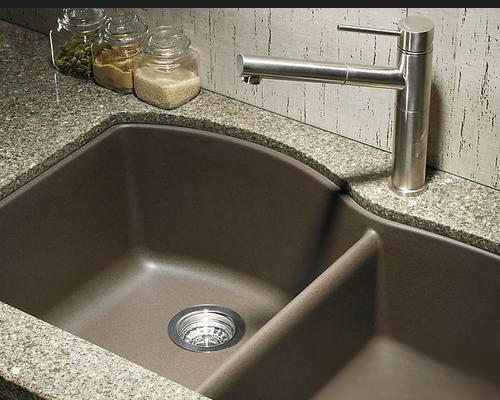
Simply rub a slice of fresh lemon over the tap a few times to remove the stain.
A perfectly moist orange peel can also be a powerful stain remover. Rub the colored side of the orange peel on stubborn stains on your faucet to easily remove them.
16. Refrigerator cleaning
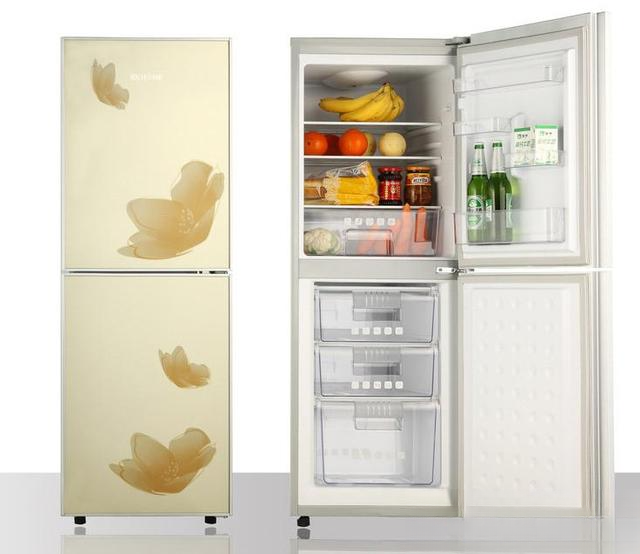
To make the refrigerator surface look shinier, you can use furniture polish spray. For hard-to-reach crevices around the doors, you can use a toothbrush to clean them. The inside of the refrigerator can be wiped with diluted bleach, which is both clean and disinfecting.
Clean the inside of the freezer compartment, then apply cooking oil to a cloth and wipe it evenly around the inside walls. This will make defrosting much easier; the ice will simply peel off easily.
If you leave a small piece of raw dough in a bowl when steaming buns, place it on the upper shelf of the refrigerator. This will keep the refrigerator odor-free for 2-3 months.
To remove odors from the refrigerator without disconnecting the power, wrap 50 grams of tea leaves in gauze and place it in the refrigerator. After one month, remove it, sun-dry it, then put it back in the refrigerator wrapped in gauze. Repeat this process.
Place a clean, folded cotton towel on the upper shelf of the refrigerator. The fine pores in the towel will absorb odors from the refrigerator. After a while, remove the towel, wash it with warm water, and dry it before using it again.
Placing sugar in the refrigerator can remove odors.
To remove odors from the refrigerator, place 50 grams of herbal tea in a gauze bag and put it inside the refrigerator.
To remove odors, use orange peels. Take 500 grams of fresh oranges. After eating the oranges, wash and dry the peels, then place them scattered in the refrigerator. After 3 days, open the refrigerator; a fresh fragrance will fill the air, and all unpleasant odors will be gone.
17. Cleaning kitchen window screens
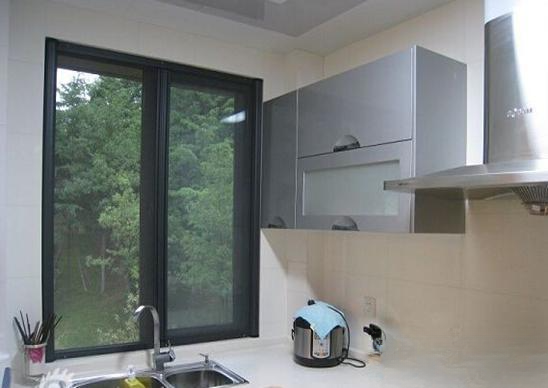
To clean greasy kitchen window screens, you can repeatedly brush both sides of the screen with heated, diluted flour paste. After about 10 minutes, wash off the paste with water, and the grease will be removed. Alternatively, you can use a lint-free cloth dampened with alkaline water to repeatedly scrub the screen. After the grease is removed, rinse it with clean water. If either method is not effective the first time, repeat the process until the screen is clean.
You can also put laundry detergent and leftover cigarette butts in water, let them dissolve, and then use the solution to wipe glass windows and screens; it works quite well.
18. Label cleaning
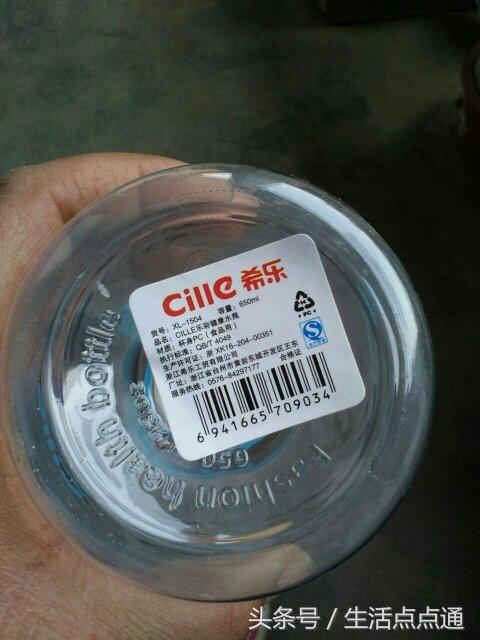
Use a hairdryer to heat the label until the adhesive is warm, then you can easily peel it off.
19. Clever Uses of Tiger Balm
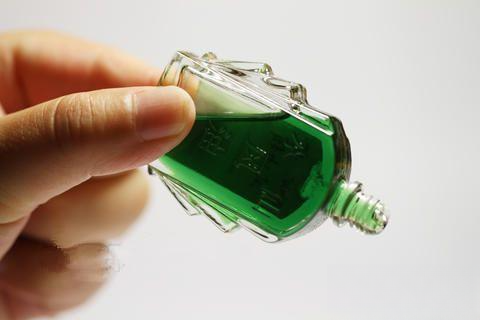
Tiger Balm removes stains, especially ballpoint pen marks; they disappear with a single wipe.
20. Clothing cleaning
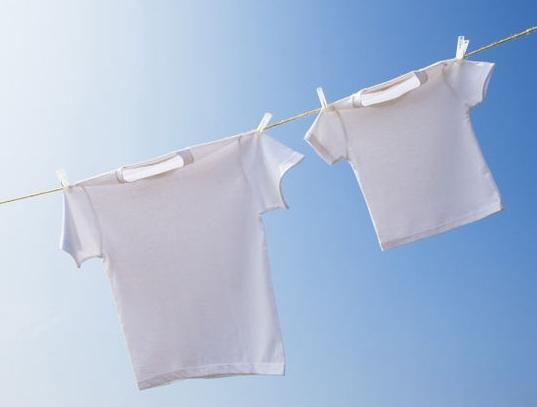
If you accidentally spill oil on your clothes, keep the clothes dry before washing. Then, put a few drops of dish soap on the oil stain, rub it a couple of times, and wash it. The oil stain will be gone.
For clothes with mold spots, apply toothpaste to the mold, let it dry, and then wash them; they will be clean.
Wrapping white sneakers in tissue paper when airing them can make them whiter.
For clothes stained with blood, regardless of the fabric quality, apply face cream (any brand will do) to the bloodstain, leave it for 10 minutes, then wash with soap or laundry detergent.
Before washing clothes in the summer, soak them in warm water with a little floral water, especially brightly colored T-shirts. Soak them for a while to help maintain their vibrant colors and leave them smelling nice.
For clothes that are prone to fading due to dark colors, soaking them in a little salt and water for half an hour before washing them will help prevent color bleeding.
21. New pot care
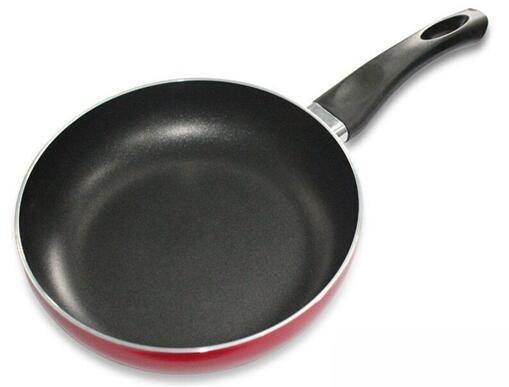
Soaking a newly purchased cast iron wok in rice water for at least 1-2 hours makes it much better for stir-frying; food won't stick and there won't be any metallic taste.
22. Removing Odors from a New Home

Placing cold water infused with onions indoors can remove the smell of paint; placing grapefruit peels in a newly renovated house can also help.