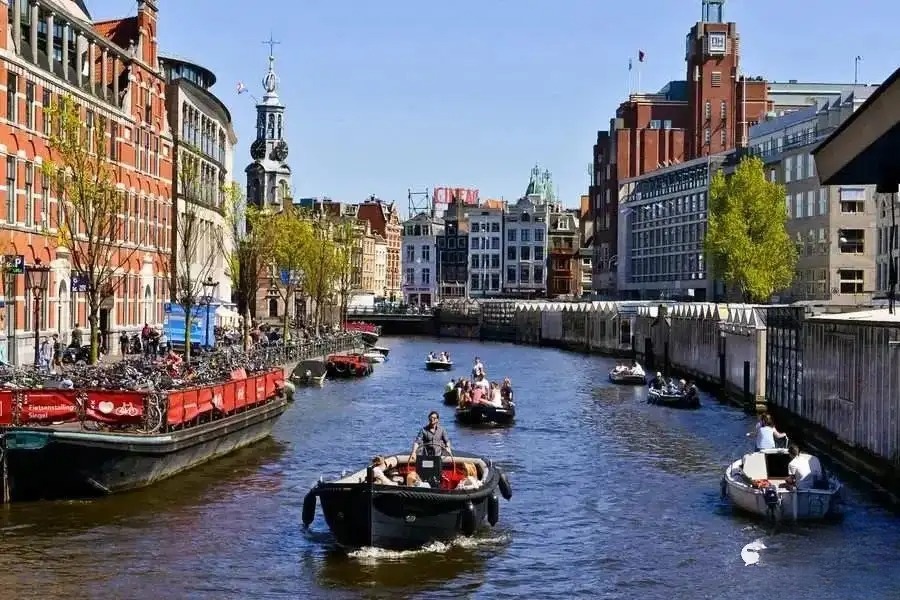
Let’s talk about Dutch cuisine
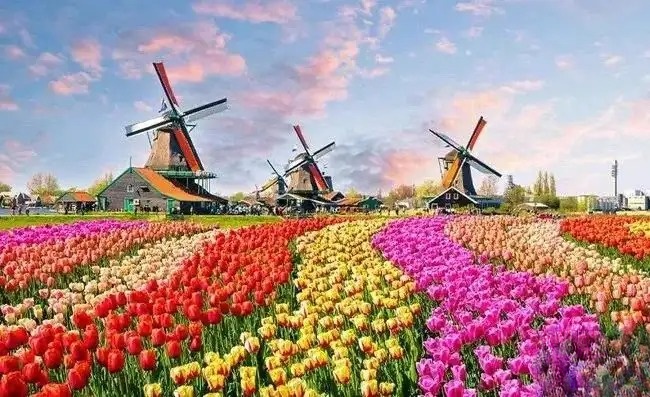
The Netherlands, located in northwestern Europe, borders Germany to the east and Belgium to the south. Its climate is temperate and maritime, with warm winters and cool summers. Known as the "backyard of Europe," the Netherlands boasts vast pastures and high-quality meat and milk. This geographical advantage allows the Netherlands to enjoy a rich variety of products, and its diverse cooking methods contribute to its unique cuisine.

Hutspot, the Dutch national dish
Legend has it that Hutspot is considered a Dutch national dish. This originates from the fact that when the Spanish invaders besieged the Dutch city of Leiden, the locals fought back fiercely. Later, when the city ran out of food, the defenders resorted to cooking carrots, potatoes, and onions in a large pot and distributing a portion to each person. The Leiden residents, upon eating this dish, declared it the best meal they had ever tasted.
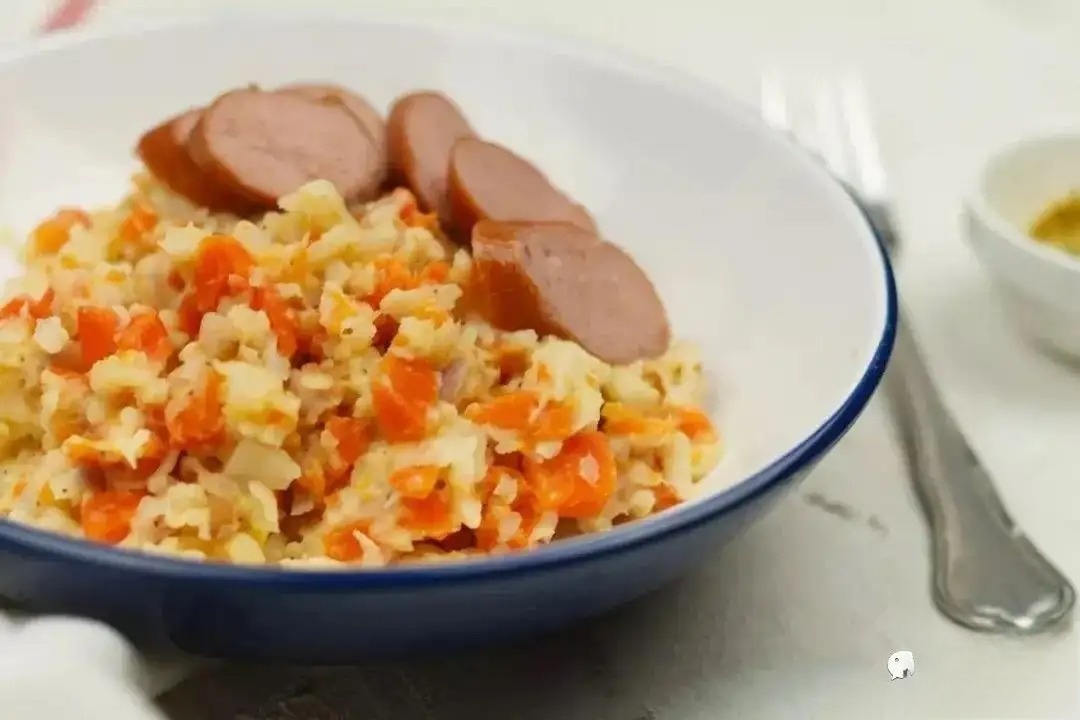
practice:
1. Peel and dice potatoes and carrots, chop onions, put them into the pot, and place the sausage on top
2. Add water to cover the sausages and simmer for 30-40 minutes. The amount depends on the softness of the potatoes and carrots in the pot.
3. Mash potatoes and carrots
4. Serve with sauce, you can also add appropriate amount of salt/milk/butter/black pepper
Erwtensoep, the Dutch national soup
Erwtensoep, also known as Dutch pea soup, is known as the national soup. It's made with peas, celery, carrots, leeks, and pork. It's a thick soup that's traditionally served with smoked sausage, rye bread, and bacon. The Dutch believe a good pea soup should be thick enough to stand a spoon upright. They like to let it sit overnight so the flavors blend better and the soup thickens the next day.
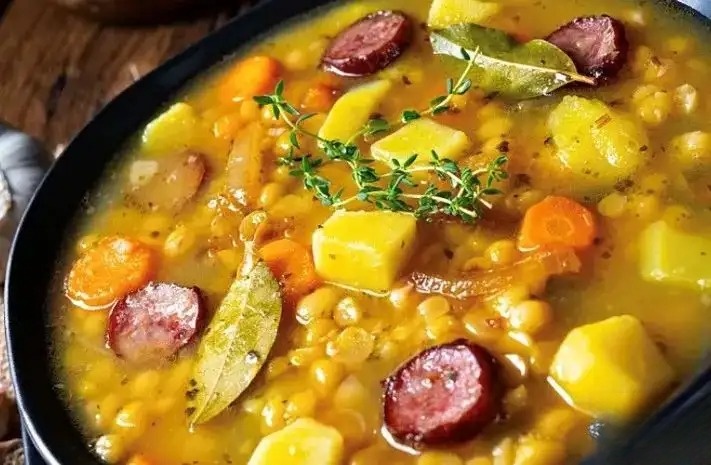
Method:
1. Wash the dried peas and soak them in clean water for 12 hours. Boil the peas in the water used to soak them for two hours.
2. Add pig's trotters, pig's ears and bacon and cook for another hour
3. Add potatoes, chopped celery root, leeks and celery leaves, a pinch of salt to the pot and cook until all ingredients are cooked through (25 minutes). Add the chopped frankfurters in the last 10 minutes. The longer the soup is cooked, the more flavorful it will be.
Stamppot, a traditional Dutch winter delicacy
Stamppot is a traditional Dutch winter dish made from mashed potatoes and one or more vegetables, such as kale, carrots, chicory, or sauerkraut, stewed and served with sausage. Don't underestimate this vegetable mashed potato and smoked sausage dish; it's a classic Dutch dish and a staple in every Dutch household during winter.
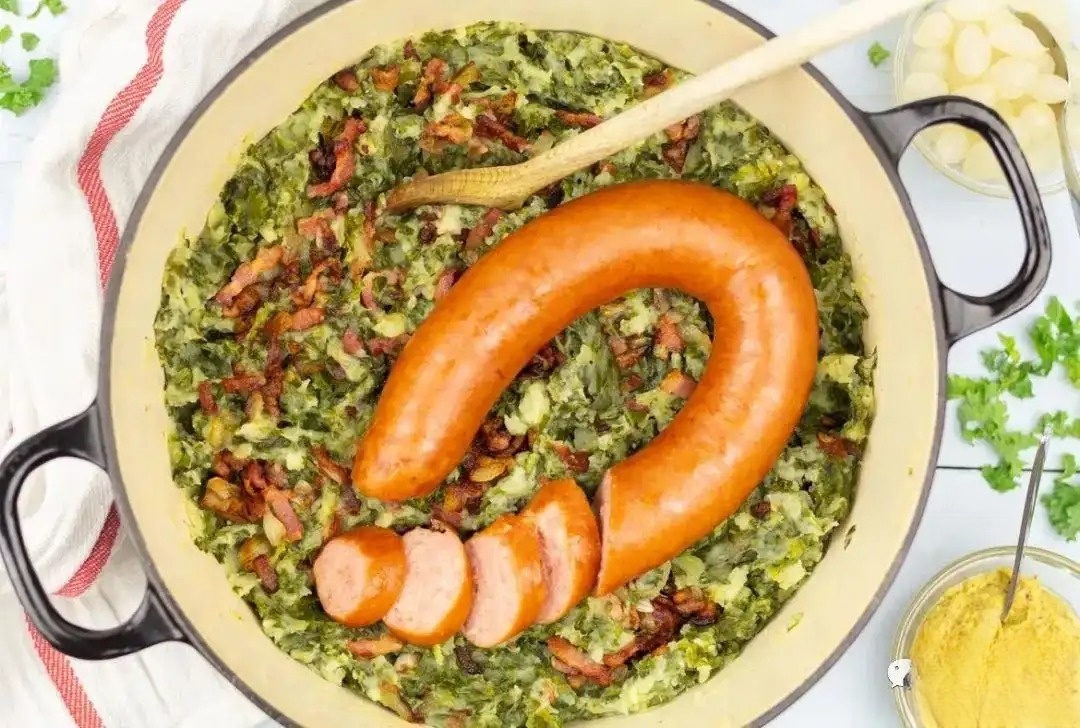
Two main ingredients: mashed potatoes and sausage. The recipe is simple: mash the potatoes, mix with the other vegetables, simmer until heated, and finally add the fragrant sausage and drizzle with mustard sauce. And you've got a delicious Stamppot.
Haring'Hollandse Nieuwe
Dutch New Herring is a famous Dutch delicacy, and if you love fish, you can't miss it. The dish is prepared by cleaning the herring, removing its head, and then salting it. Once the herring is cured, it's served raw with chopped onions and cucumbers. The way to eat this delicacy is also quite "original": grab the herring by the tail, then lift your head back and open your mouth to eat it directly.

Fried meat roll/ Kroket
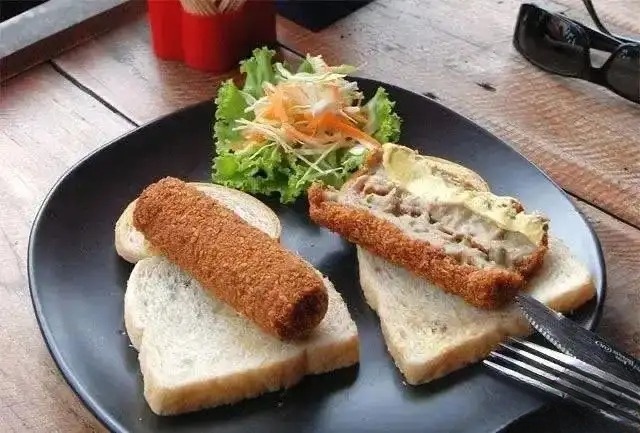
A schnitzel is a deep-fried roll filled with meat and coated in breadcrumbs. Originally made with beef or veal, schnitzel now comes in a variety of flavors, including chicken satay, shrimp, goulash, and even vegetarian options. Schnitzel can be eaten as a snack, but most often, the Dutch eat it on sliced white bread or a hamburger bun with mustard.
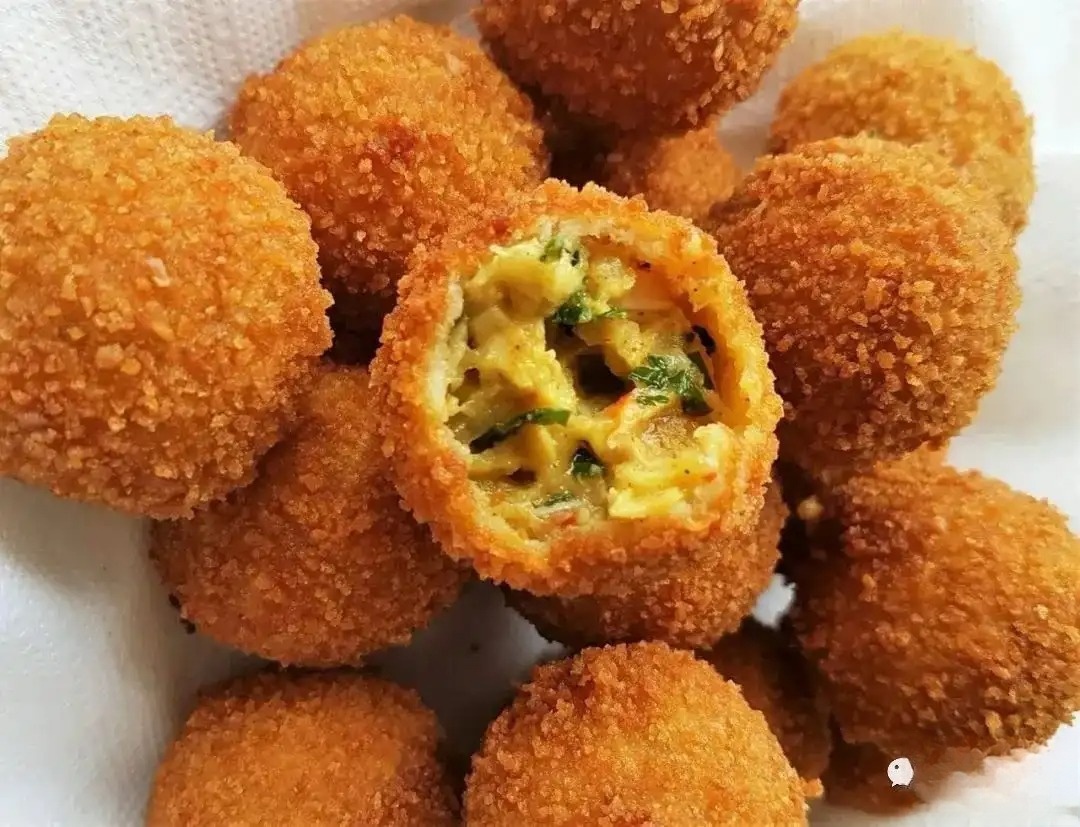
Bitterballen
Kofta is another favorite snack of the Dutch. Because it goes well with beer, you can find it in most cafes and bars. This savory meatball is deep-fried and usually served with mustard. It is coated in crispy breadcrumbs, while the filling inside is soft. The filling usually contains beef, beef broth, butter, thickening flour, and spices. Be careful when eating it, as the filling will be very hot.
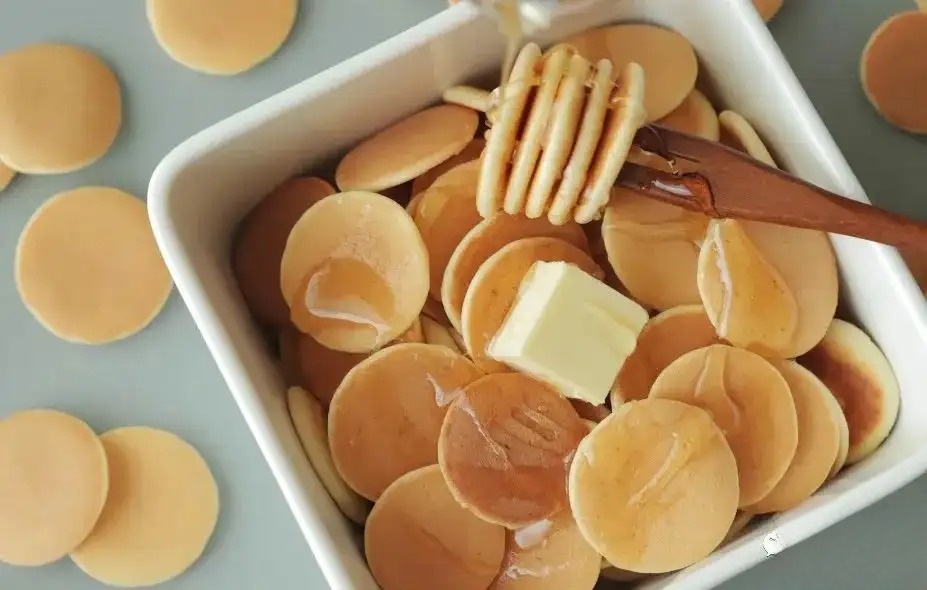
Mini pancakes Poffertjes
Mini pancakes are a traditional Dutch pastry. They resemble baby pancakes but are much fluffier. Made from yeast and buckwheat flour, they are typically served with a small dollop of butter and powdered sugar. Fresh mini pancakes are often made in winter at outdoor stalls. They are served on small cardboard plates and served with a small fork. Butter and powdered sugar are the most common toppings. Whipped cream, syrup, and strawberries are also common.
2 egg yolks
3g vanilla extract
90g milk
20g butter
100g low-gluten flour
2g baking powder
Meringue: 3 egg whites + 50g granulated sugar
practice:
1. Pour vanilla extract into egg yolks and beat evenly, then pour in milk and melted unsalted butter and stir thoroughly.
2. Mix the low-gluten flour and baking powder, sift into the egg yolk liquid, and then stir evenly
3. Stir until the batter is smooth and free of particles
4. Add the beaten protein cream into the batter in 3 batches and stir evenly.
The meringue can be whipped in advance until it forms soft foam.That's it
5. The batter is in this state. It is not thick and has better fluidity. Put it into the piping bag and set aside.
6. Heat the bottom of the non-stick pan on low heat, without adding oil, squeeze it into the pan little by little. If you can't control the amount at the beginning, you can squeeze a little first and then increase it.
7. After squeezing a whole pot, you can basically turn it over from the beginning. Use a small spatula to gently insert it into the bottom.
Dutch pancakes Pannenkoeken
Pancakes are common around the world, but the Dutch version is larger and thinner than American pancakes, but thicker than French ones. The Dutch enjoy pancakes throughout the day (preferably at dinner), while Americans don't eat them for breakfast. Another difference is that Dutch pancakes are more like pizza. The pancakes are topped with one or more different foods, such as sliced bacon, cheese, apples, or raisins. Regular pancakes are usually served with syrup or powdered sugar. Dutch pancakes are made with milk, flour, and eggs.
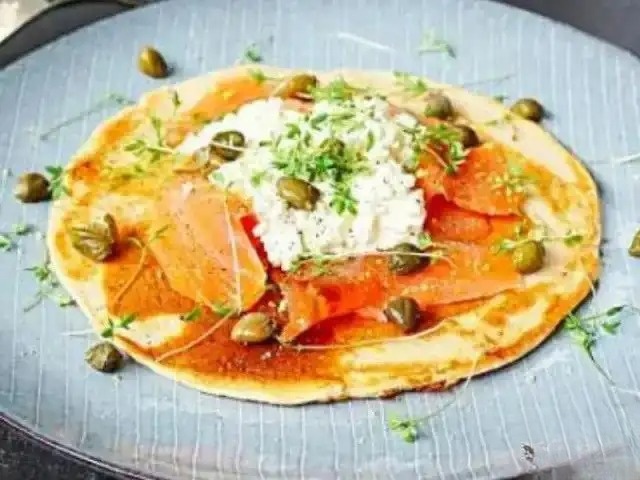
Material:
100g flour
25g starch
5 eggs
1 bell pepper
Bacon as needed
1 onion
1 tomato
1 pickled cucumber
Parmesan cheese to taste
Smoked salmon as needed
appropriate amount of milk
a pinch of salt
A little sugar
20g butter
practice:
1. Grate cheese, dice bell pepper, onion, tomato, bacon, pickles and smoked salmon
2. Put all the main ingredients into a bowl, add appropriate amount of salt, sugar and butter
Mix until smooth, no dough left
3. Put all the main ingredients into a bowl, add appropriate amount of salt, sugar and butter
Mix until smooth without leaving any dough
4. Heat a frying pan over medium-low heat, add a small piece of butter and melt it, then add three spoonfuls of batter. When the edges start to change color, sprinkle in all the chopped ingredients and finally add appropriate amount of salt.
5. When the batter changes color, it is done. Be careful not to use too much fire to avoid burning, and not too much fire to avoid being too thick and not cooked.
French fries Patatje Oorlog
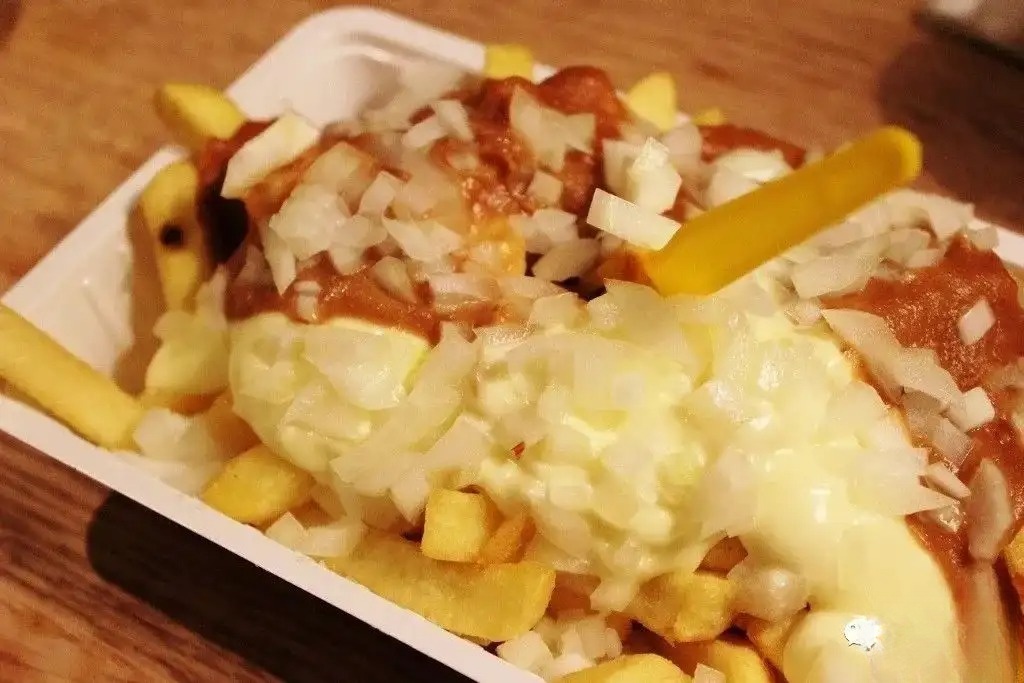
While French fries are available in many countries, what makes Patatje Oorlog an authentic Dutch dish is the toppings. Dutch fries are topped with a generous amount of mayonnaise, followed by satay sauce and diced raw onions, practically drowning the fries in sauce. Eating this dish requires a fork (and a strong stomach). Some versions even use curry sauce instead of satay sauce.
Cocktail Nuts Borrelnootje
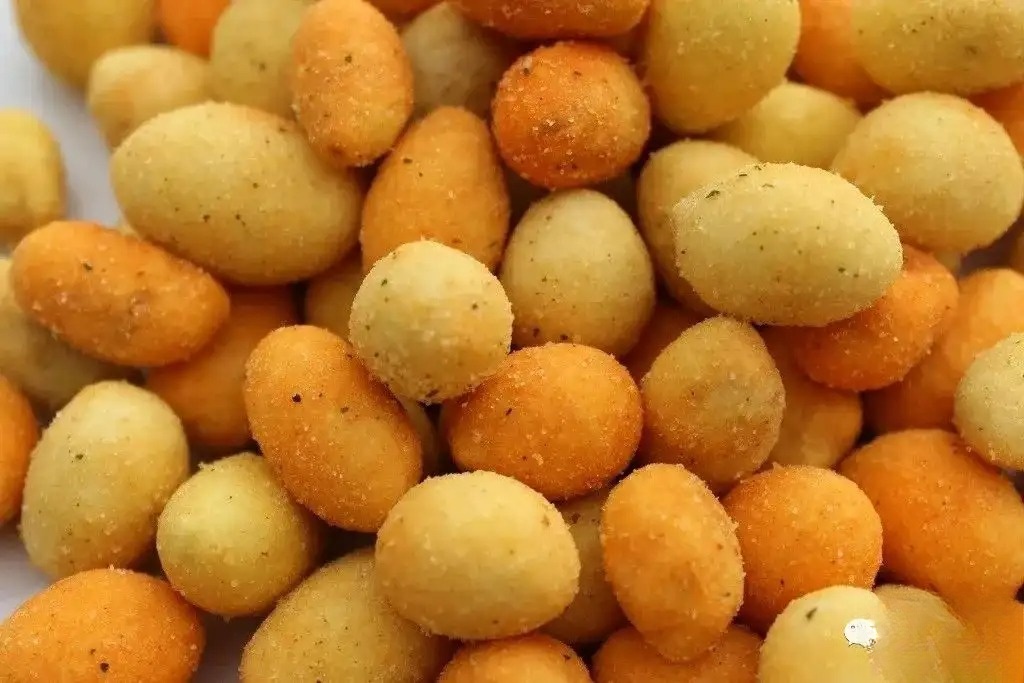
Borrelnootje are a variation on cocktail peanuts. While they're not a top-tier traditional Dutch delicacy, they're definitely worth a spot on your food list. Each nut is coated in a crispy, spicy shell and comes in flavors like garlic and chili.
Sprinkles
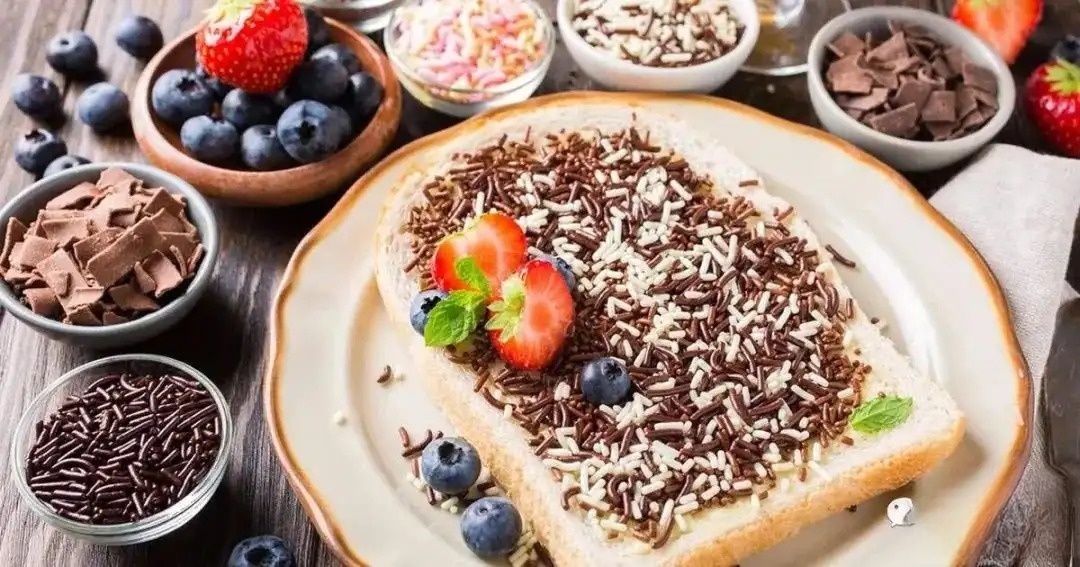
In the Netherlands, hagelslag (chocolate chips) can be eaten as a snack or with a meal, usually sprinkled on buttered bread.
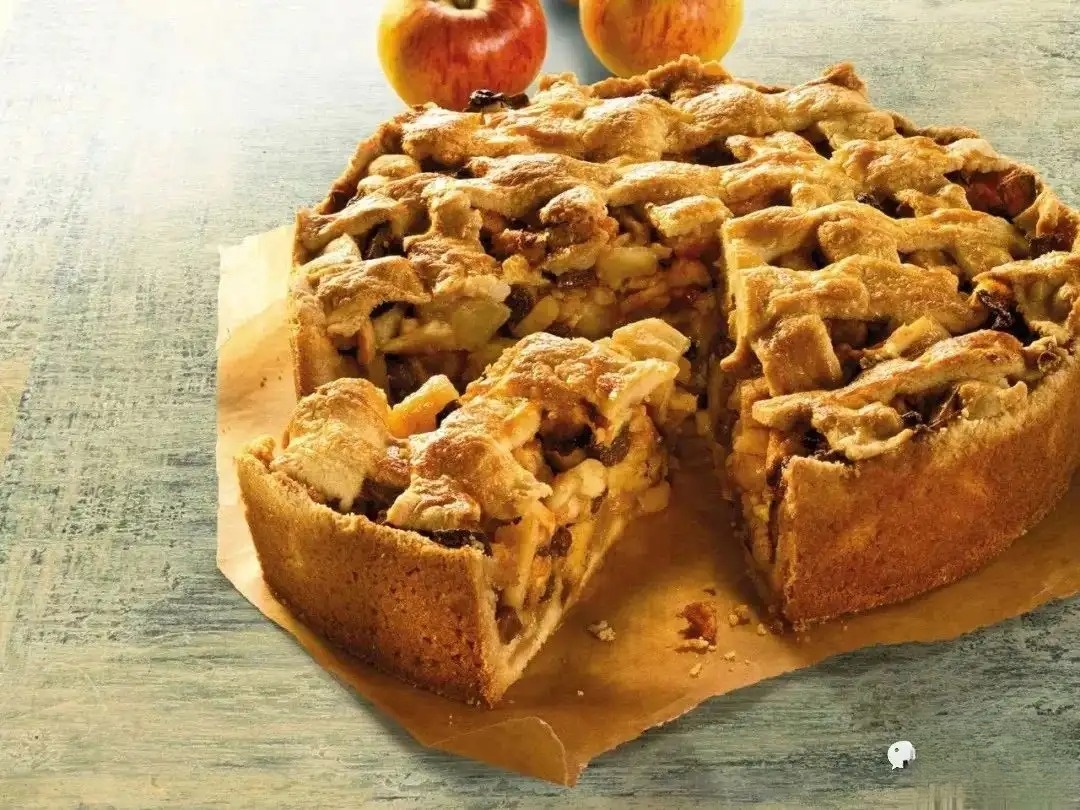
Dutch apple pie Appeltaart
When it comes to Dutch desserts, nothing is more famous than apple pie. Unlike American apple pie, Appeltaart is made in a baking pan. It has a texture more like cake than pie, with thicker-cut apples piled high and a firm, non-runny filling . This Dutch pastry is a staple, a staple on nearly every restaurant menu.
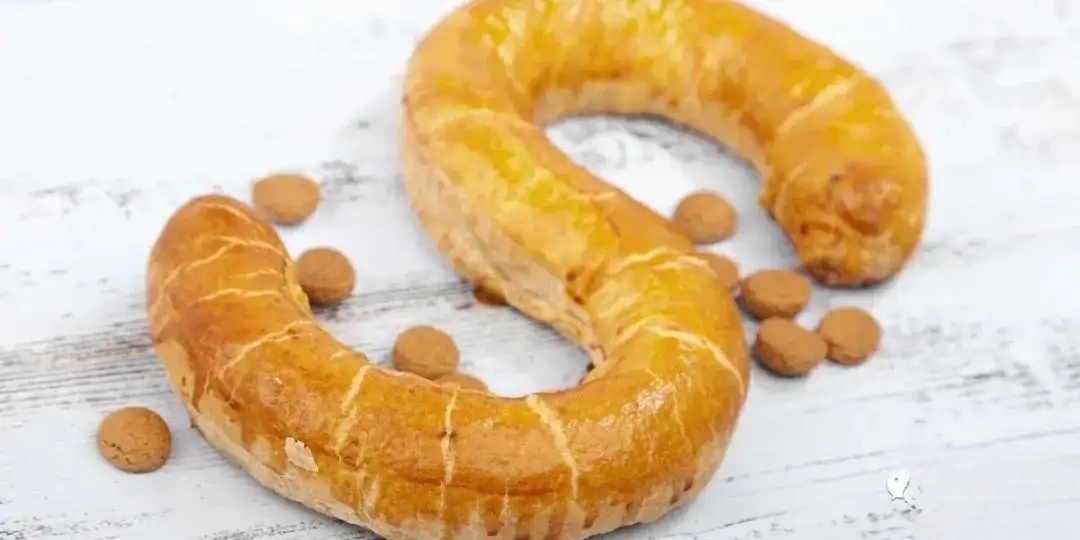
Banquet staff
A popular Christmas dessert is Banketstaaf, an almond-filled pastry also known as the Dutch Yule Log. This pastry has a flaky, buttery crust and a sweet, creamy filling. Some versions are sprinkled with powdered sugar or slivered almonds.
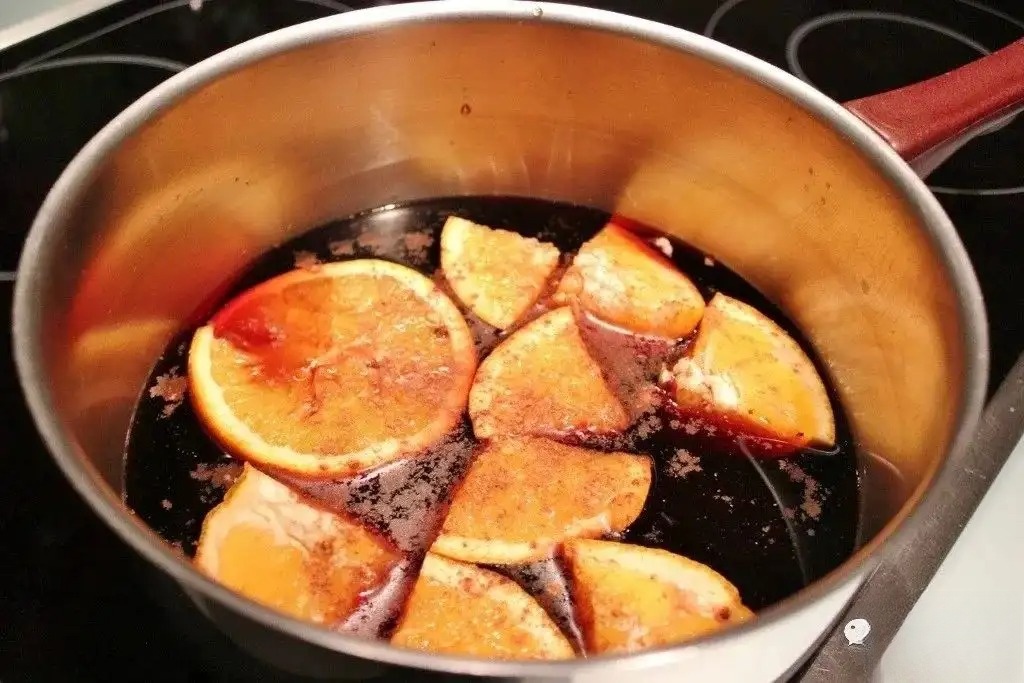
Bishop's wine
Bisschopswijn is the Dutch version of mulled wine . It has a very basic recipe (red wine, orange slices, cloves, cinnamon, and a pinch of sugar, heated for 30 minutes before serving) and is easy to make at home.
Dutch Apple Fritters Appelbeignets
Every Dutch person remembers fried food shops, filled with the aroma of cinnamon, dough, baked apples, and a sweet icing sugar that's as white as snow. If a Dutch winter could be defined by a scent, it would be the sweet smell of fried food. Appelbeignets, a cross between apple pie and doughnuts, are made with apples and cinnamon, deep-fried, and then sprinkled with icing sugar.

Vlaai Fruit Pie
Vlaai, also known as Limburgse vlaai, is a pastry made of dough and a filling, a traditional snack in the Limburg province (Limburgse), along the borders of the Netherlands, Belgium, and Germany.
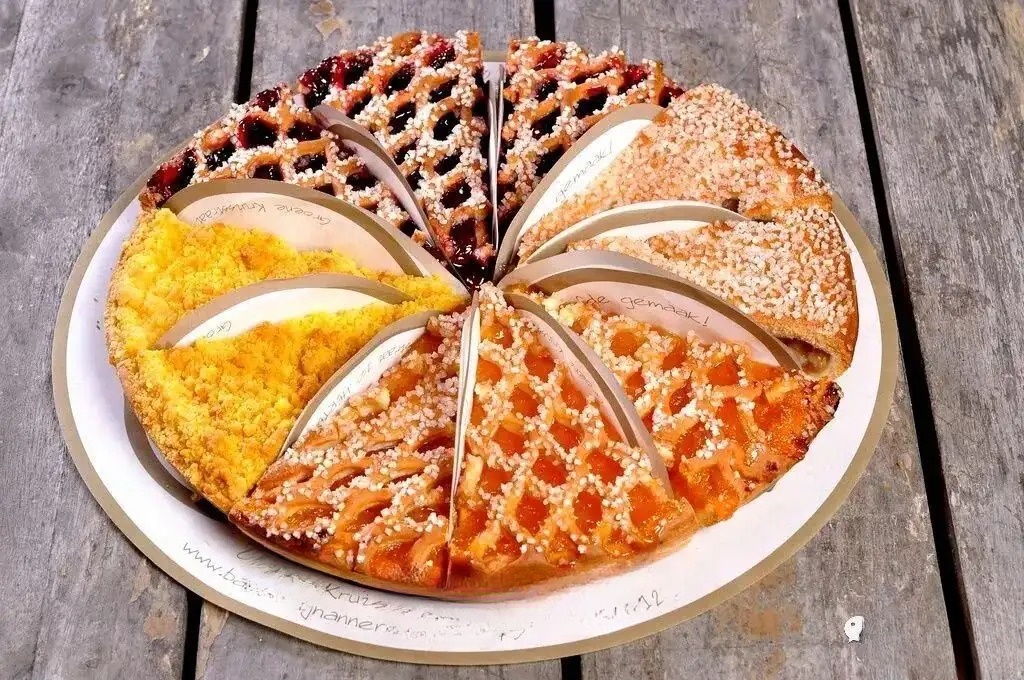
Typically 26-31 cm in diameter, it comes with many different fruit fillings, such as cherry, apricot, strawberry, and plum. It is often eaten on special occasions and important moments in life, such as birthdays or funerals, where the black plum flavor is often chosen.
Rookworst Smoked Sausage
Rookworst is a classic Dutch meat dish that you can pile on Stamppot and Erwtensoep, or mix with pasta, rice, etc.

炸鱼(Lekkerbekje/Kibbeling)
If you love fried food, you can't miss the Dutch kibbeling. This street food, often sold from food trucks, is served with a creamy mayonnaise-based dipping sauce. It's the Dutch version of fish and chips, minus the fries.

Dutch Broodjes
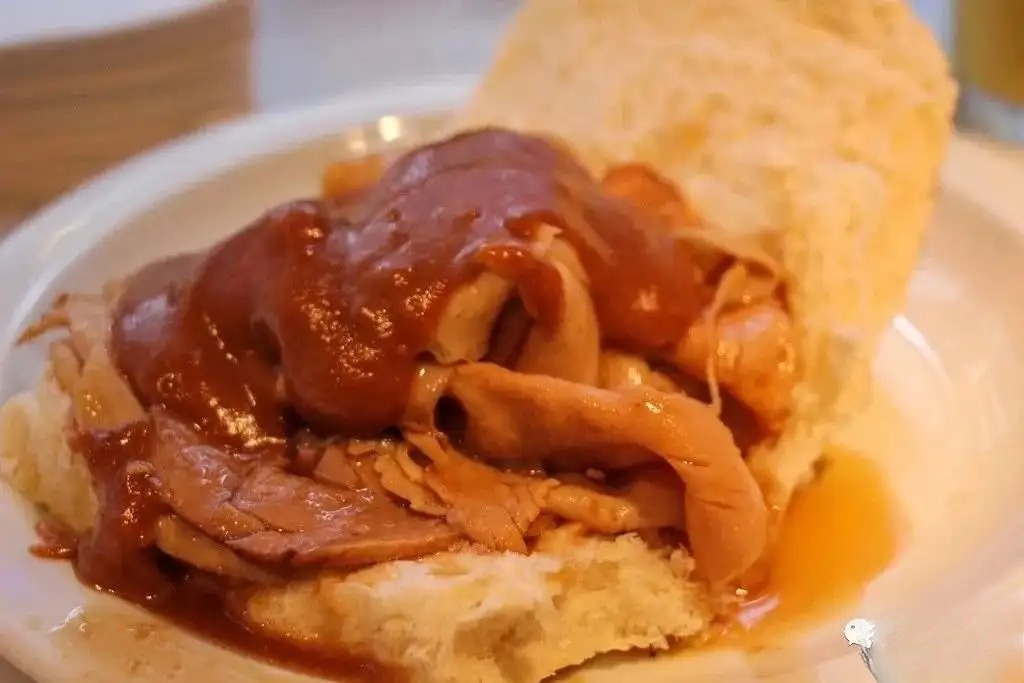
Dutch sandwiches are a popular takeout option here. You can buy them at bakeries, sandwich shops, and even grocery stores. The simplest Dutch sandwich is a cheese sandwich, often eaten for breakfast, but more elaborate toppings include various meats, fish, croquettes, and more.
Indonesian cuisine
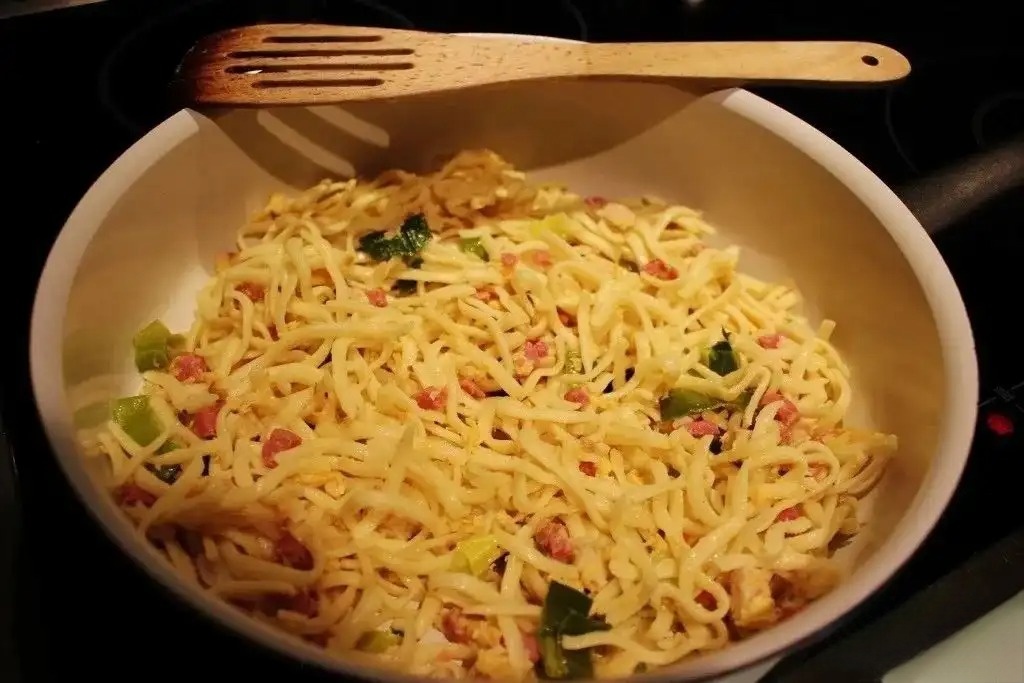
Yes, Indonesian cuisine is a part of Dutch culinary culture! Common dishes include chicken satay and Indonesian fried rice.
Tip: Amsterdam boasts restaurants from all over the world. For a culinary adventure in the city center, visitors can head to Foodhallen, which boasts the best of Amsterdam's local and international cuisine.
Haagse kakker
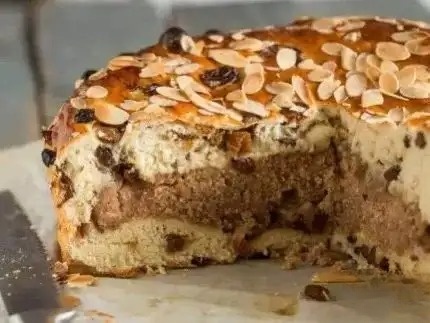
The word "kakker" originally described locals as frugal but always wanting to appear generous to others. Haagse kakker is a pastry made with gooseberries . Bakers are known for being generous with their ingredients, using high-quality raisins and almonds and using a unique baking method and temperature to create this gooseberry bread.
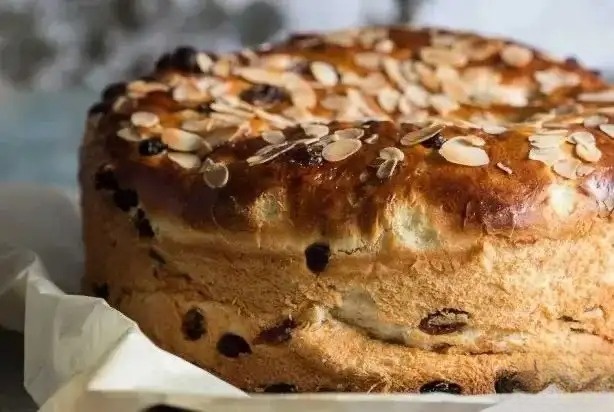
The recipe for this bread is still only shared among bakeries in The Hague and is kept secret from the outside world.
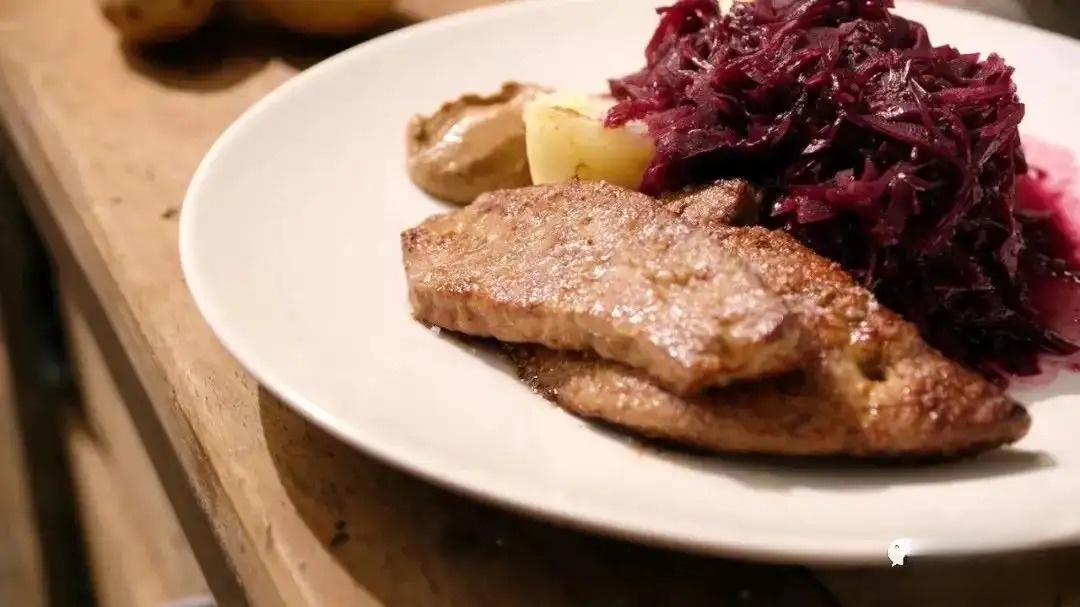
Who says the Dutch don't eat animal offal? Calf's liver is also a delicious dish on the Dutch table. Heat the remaining bacon fat in butter to fry the calf's liver, and add onions to remove the fishy smell. It tastes really good.
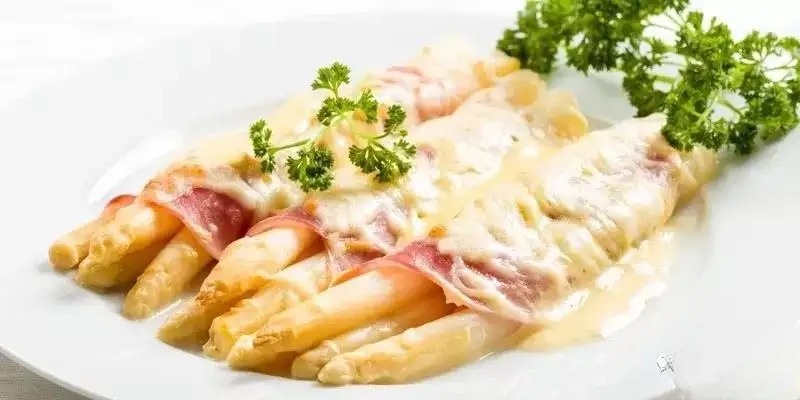
Dutch white asparagus Asperges
Asparagus, known as one of the healthiest vegetables in Western cuisine, is a staple. Dutch asparagus differs from regular asparagus in its white color, rather than green. Pan-fried and served with eggs and bacon, and dipped in the signature Dutch mayonnaise, it offers a unique flavor and is considered a healthy option.
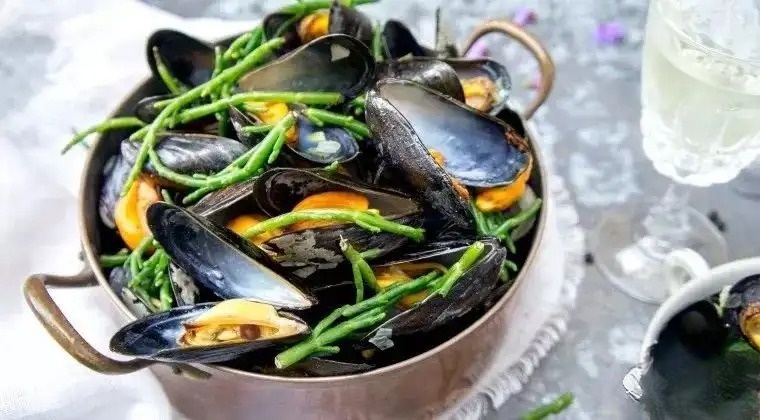
The Netherlands is known as one of the great scallops, known as mussels. They are a relatively affordable seafood option. The Dutch typically cook them by boiling or steaming them. They are often served with onions, carrots, and other condiments. The Dutch also enjoy pairing mussels with mustard sauce. The flavor is a bit unusual, but unique.
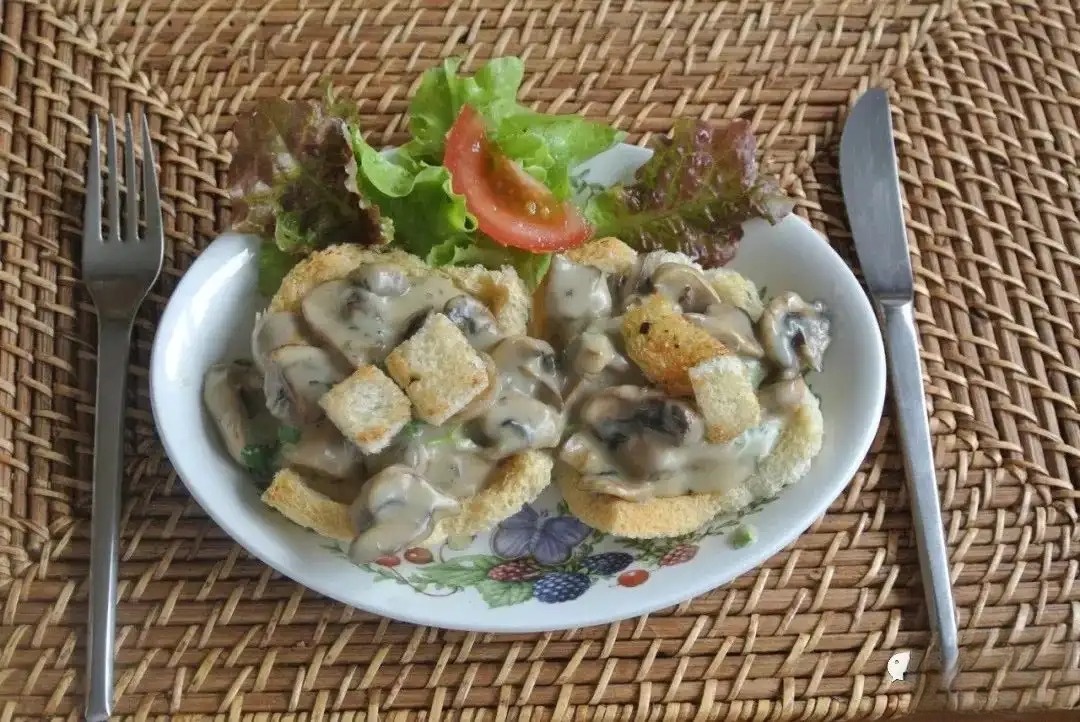
Broodpasteitje
The bread is shaped into a small bowl and filled with a salad made of eggs, mushrooms, butter mayonnaise, etc. It is considered a relatively "heavy" dish on the Dutch breakfast table.
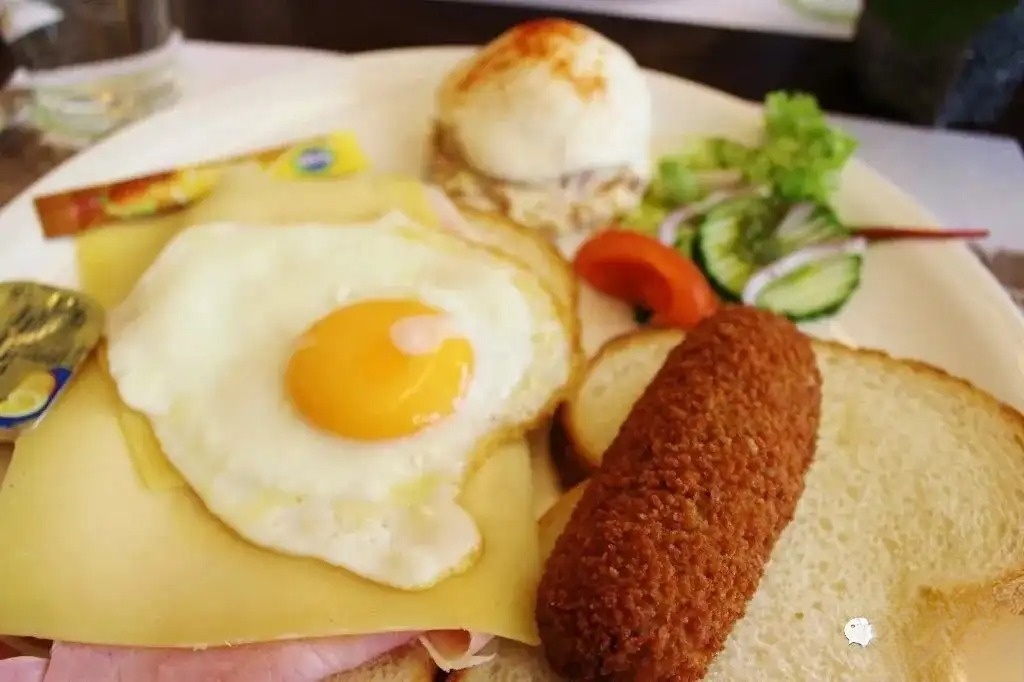
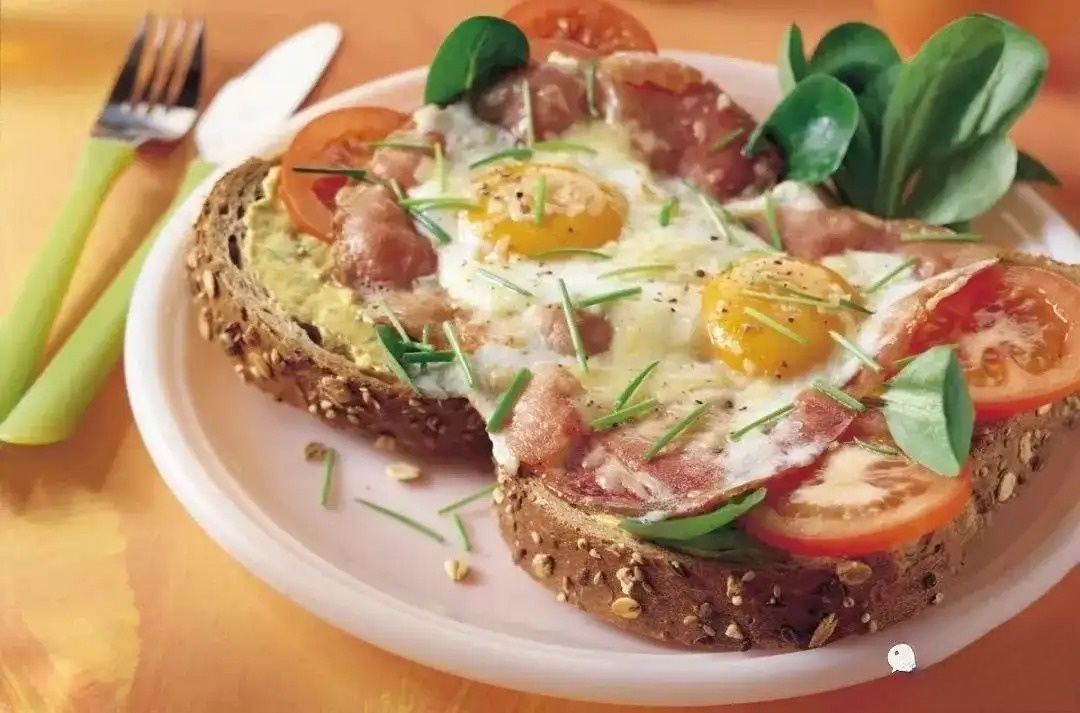
Uitsmijter ( Fried Egg, Ham and Toast)
This is probably one of the most common "fancy" dishes for a Dutch breakfast. It features a fried egg with prosciutto and, occasionally, Dutch cheese. Vegetable lovers can pair it with tomatoes and lettuce, making it a heartier option for a Dutch breakfast.
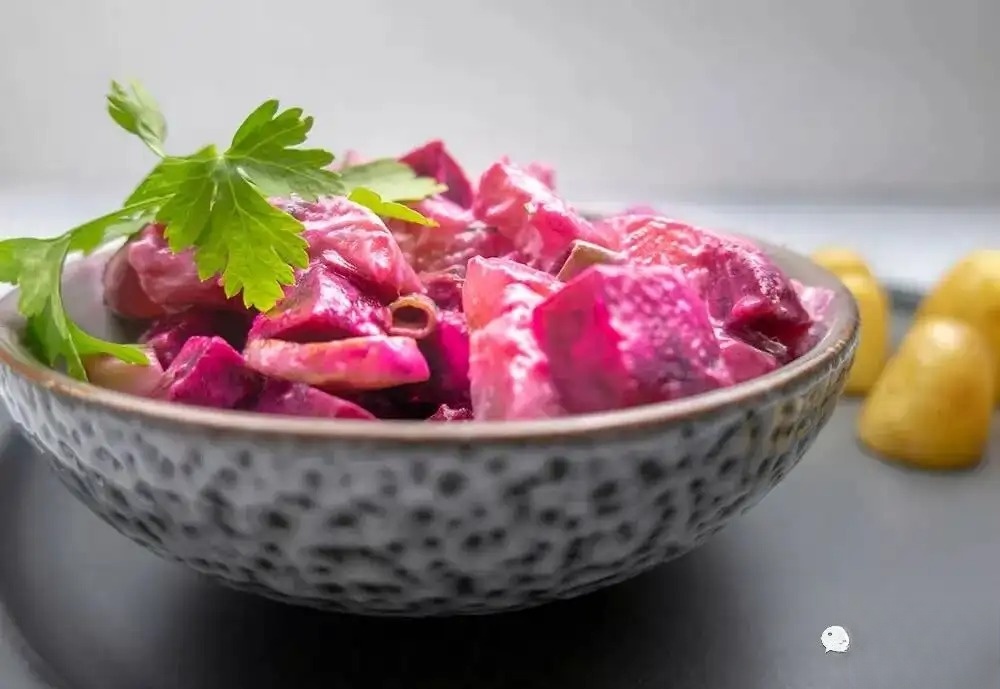
Don't worry, this herring salad isn't as overpowering as canned Swedish herring. Besides the herring, the salad also features apples, beetroot, potatoes, and pickles. Tossed with the Dutch favorite mayonnaise, it's a refreshing treat. It's another perfect addition to breakfast toast.
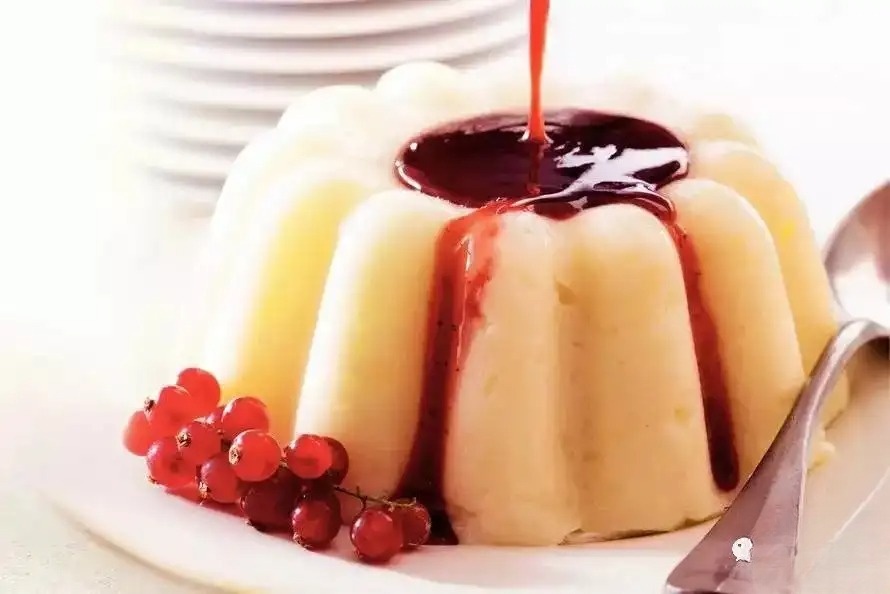
Griesmeel pudding
Pudding desserts aren't just an Asian specialty. The Dutch love this wheat pudding, which has a rich, milky aroma and is topped with chopped almonds for a richer flavor. Topped with red currant sauce, it's vibrant and alluring.
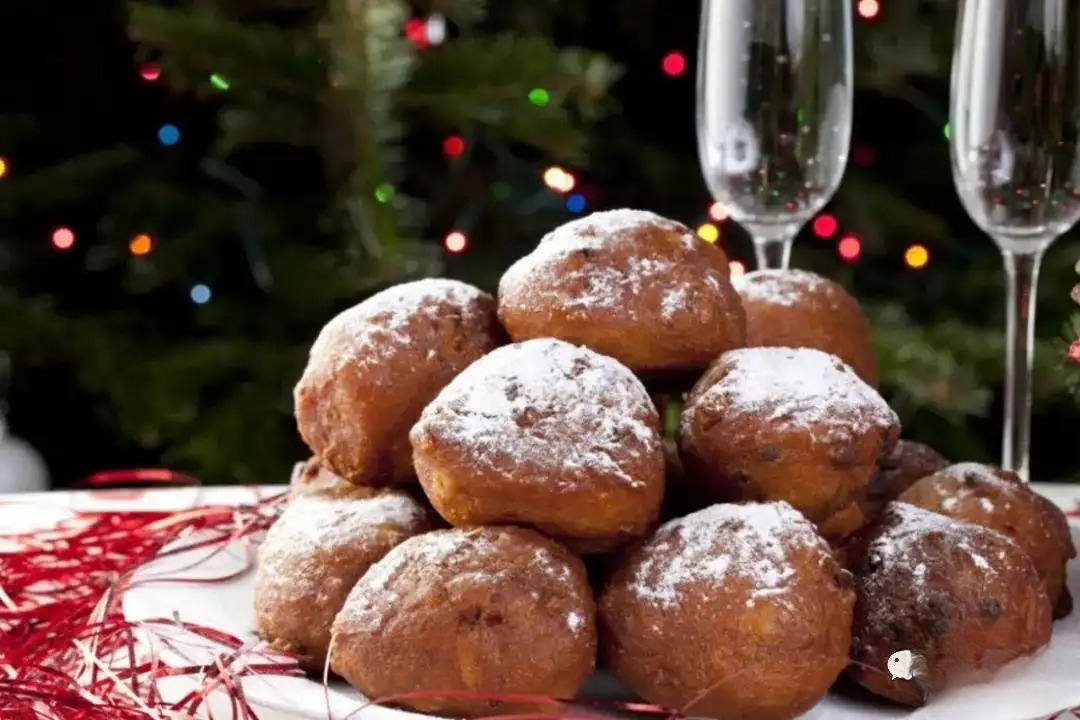
Beignets Oliebollen
During New Year's Eve, you'll likely see carts selling Oliebollen on the streets of the Netherlands. This quick-fried flour snack is a beloved Dutch treat. While Oliebollen are often served with a variety of fillings, the classic plain version is the most popular. Simply sprinkled with a little icing sugar, this warming winter treat is a satisfying treat.
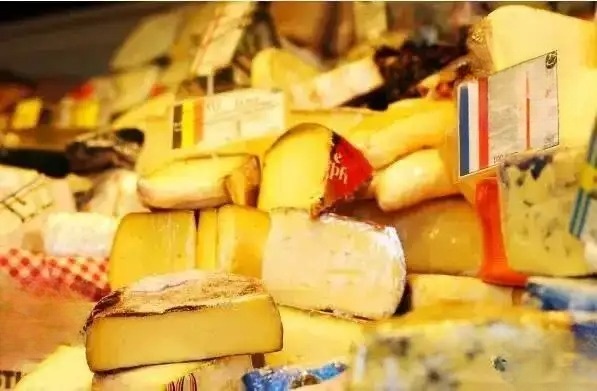
Cheese Kaas
Cheese, called "Kaas" in Dutch, has been produced by the Dutch since 800 BC. Furthermore, the Netherlands is the world's largest cheese exporter. The average Dutch person consumes 21 kilograms of cheese annually, enjoying it for breakfast, in sandwiches for lunch, and at the end of the day, diced and eaten with mustard as a snack or with a glass of wine or beer. Most Dutch cheeses are semi-hard or hard. Gouda and Edam are the most popular varieties in the Netherlands, but there are many different types of cheese.

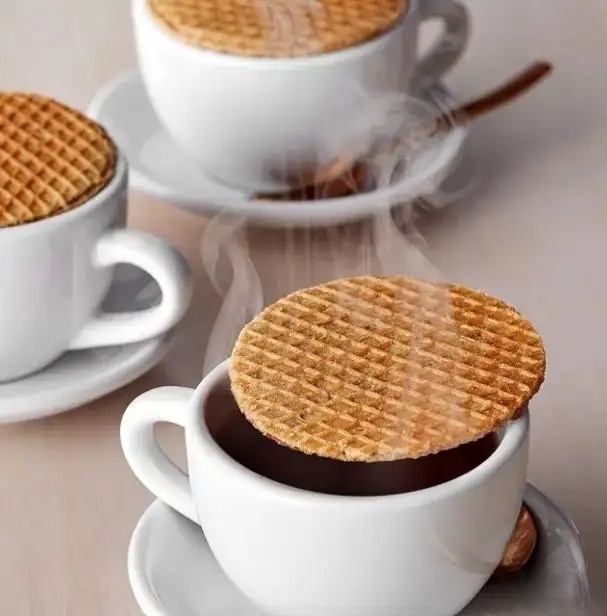
Two thin waffle layers are made from a thick batter of butter, flour, yeast, milk, brown sugar, and eggs, with a layer of maltose or honey in between. Traditionally, they are prepared by placing a Dutch stroopwafel over a cup of hot tea or coffee, allowing the steam to melt the syrup, and then enjoying it with the tea or coffee.
Many people think that the Japanese and British eat healthily, but they don’t know that the diet of this country is the healthiest.
The average lifespan of 83 years is no mere statement; it's among the highest in the world. Why do Dutch families eat such a healthy diet? Let's find out their secret to longevity and see what they eat for three meals a day.
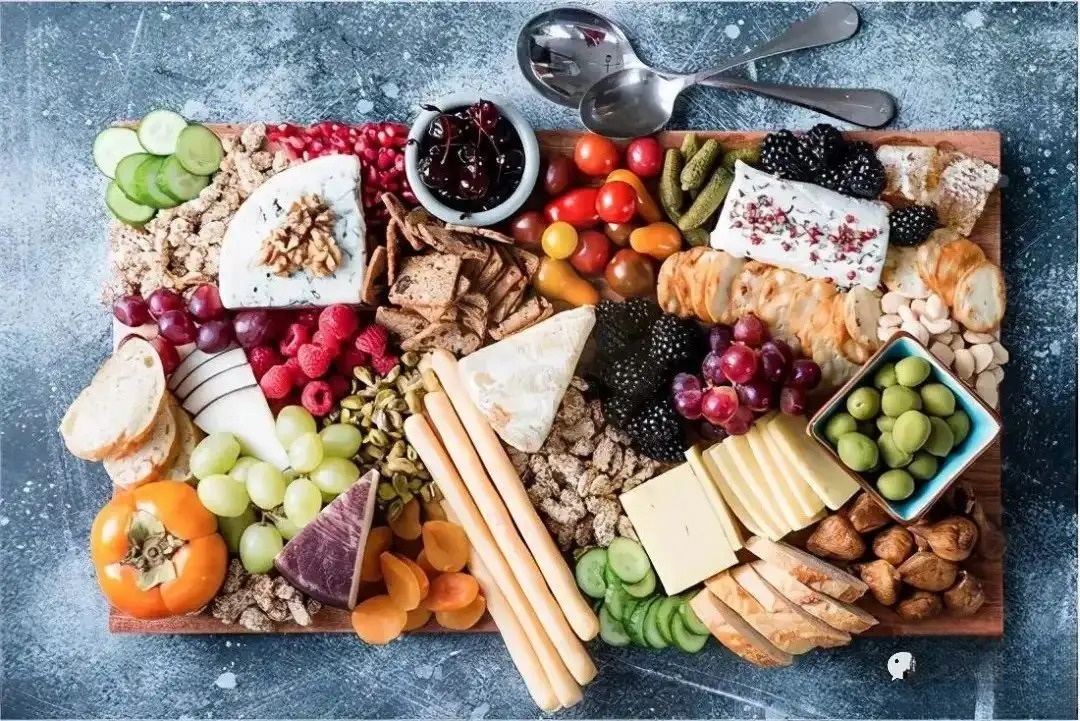
As mentioned earlier, Nordic people aren't known for their culinary talents. As Western Europeans, the Dutch also have a limited food selection. A typical Dutch meal involves: breakfast: bread with butter and chocolate chips, followed by a glass of milk or tea; lunch: bread with ham or cheese, though many people now enjoy salad; and dinner: a piping hot stew. The Netherlands also offers snacks like Dutch pancakes, oliebollen , fried balls eaten during festivals, fried fish, and pickled olives. Haring, a famous pickled fresh herring, is served with fresh onions and is incredibly tender. If you love seafood, it's a must-try.
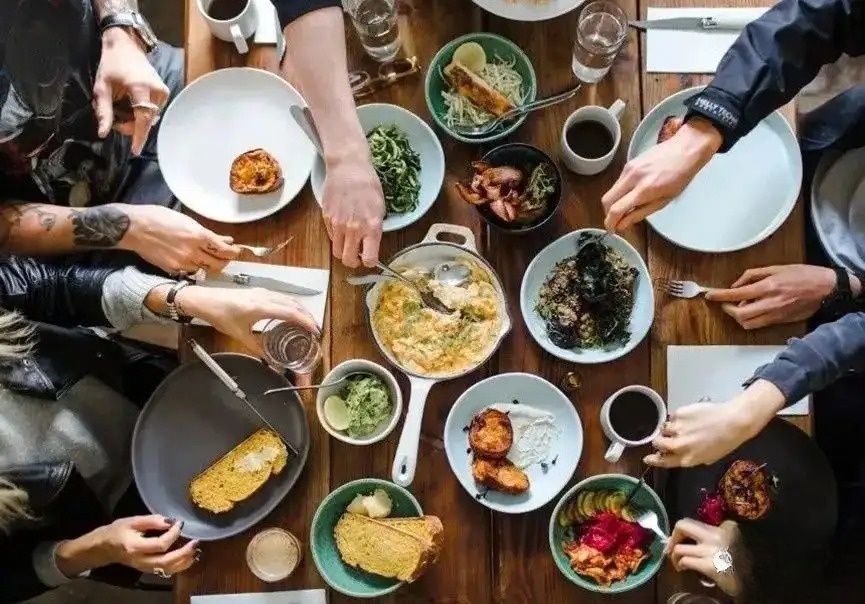
When it comes to Dutch cuisine, most people might frown at first, then ponder, only to think of cheese. It's no wonder they have this impression. Deeply influenced by Calvinism, the Dutch always believe in prioritizing work over pleasure. Even the Dutch themselves say, "The French live to eat; we Dutch eat to live." Dutch cuisine isn't overly complex, but one characteristic is its exceptional nutrition. This demonstrates that the Dutch possess not only a romantic streak but also a pragmatic respect for the earth and nature.