Learn these spring pruning tips to ensure lush new branches and abundant blooms next year!
The gardener has a keen eye for flowers and can identify them by taking photos anytime, anywhere.
For experienced gardeners, not only is plant management important, but pruning and shaping are also crucial. Pruning and shaping are indispensable techniques in flower cultivation, and also a source of enjoyment for flower lovers. So, why do we prune and shape plants? What are the differences between the two? What are the benefits? What issues should be considered when pruning in spring?
Identify flowers by taking a photo
Those who enjoy gardening know that shaping includes pruning, but pruning is not necessarily for the purpose of shaping. The main purpose of pruning is to remove undesirable branches, namely diseased and weak branches, to better conserve nutrients and improve the plant's vigor. This mainly targets the plant's leaves, branches, fruits, and buds. Shaping, on the other hand, is pruning done to make the plant more aesthetically pleasing, primarily to increase its ornamental value.
Pruning and shaping flowers not only removes unnecessary branches and leaves, but also increases light exposure and improves ventilation, resulting in stronger growth and earlier flowering. Furthermore, proper pruning and shaping make the flowers more neat and beautiful, greatly enhancing their ornamental value.
Although flower pruning seems simple, relying entirely on one's own will, the focus of pruning differs with the four seasons. Spring pruning primarily focuses on pruning according to the growth characteristics of the flowers.
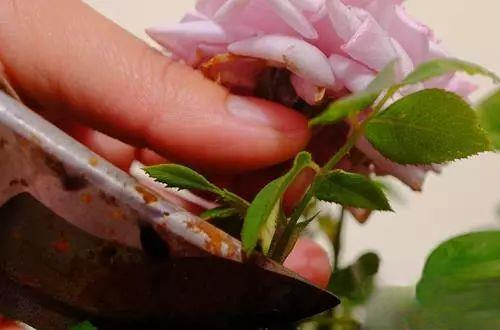
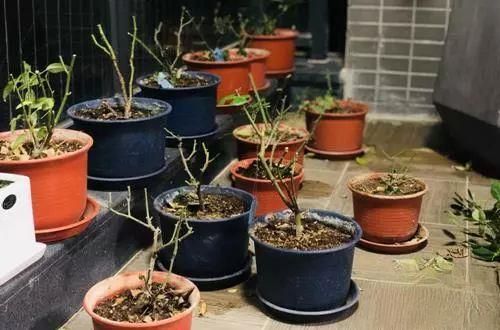
In early spring, it's important to prune annual plants like poinsettias and roses heavily. Remove weak, diseased, dead, insect-infested, and overly dense branches, generally leaving 2-3 buds on each cut branch. For example, in early spring, roses need heavy pruning; remove the upper branches, leaving the cut lateral branches with two or three buds. This will encourage the rose to grow new shoots.
Identify flowers by taking a photo
To better encourage new bud growth, ensure fuller branches, and produce more flowers, the cut buds should be exposed. However, excessive pruning is not suitable for biennial plants such as gardenias, azaleas, and camellias, as it can easily lead to poor growth and fewer flowers later on. Therefore, biennial plants should be lightly pruned, simply removing diseased, pest-infested, or overly dense branches.
When pruning flowers in spring, it's important to pay attention to the degree of pruning. Different flowers require different pruning techniques. For example, some flowers only need light pruning and should not be heavily pruned, otherwise it may affect their future growth and flowering. Below, we'll share methods for determining the appropriate pruning intensity to help you prune more effectively.
1. Flowers with fast-growing branches and strong regeneration ability should be heavily pruned; branches with poor regeneration ability and slow growth should be lightly pruned, that is, only weak branches, diseased branches, and overly dense branches should be removed.
Identify flowers by taking a photo
2. For herbaceous flowers such as coleus and begonias, in order to make them shorter and sturdier and produce more flowers, the top should be removed when they are almost fully grown to encourage the growth of more side branches.
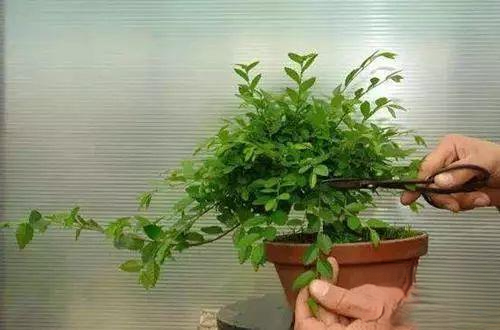
3. For jasmine, except during repotting and pruning, old leaves should be removed regularly. This will help the jasmine grow new leaves and branches, and also promote flowering later.
Pruning and shaping are crucial to the future growth of plants, so they should not be taken lightly. Pruning at the right time is more beneficial to plant growth. Spring pruning should be carried out according to the characteristics of the plant's growth period, and should not be done too arbitrarily, otherwise it may easily lead to poor plant growth and fewer flowers.