Learn about magic through magic tricks: The physical principles behind magic
There is a very close connection between science and magic. We can learn a great deal while watching magic shows; sometimes, a truly spectacular magic trick can be performed using simple principles. Therefore, we hope to unveil the mystery of magic and explore the physics behind it.
1. Finding money in "oil"
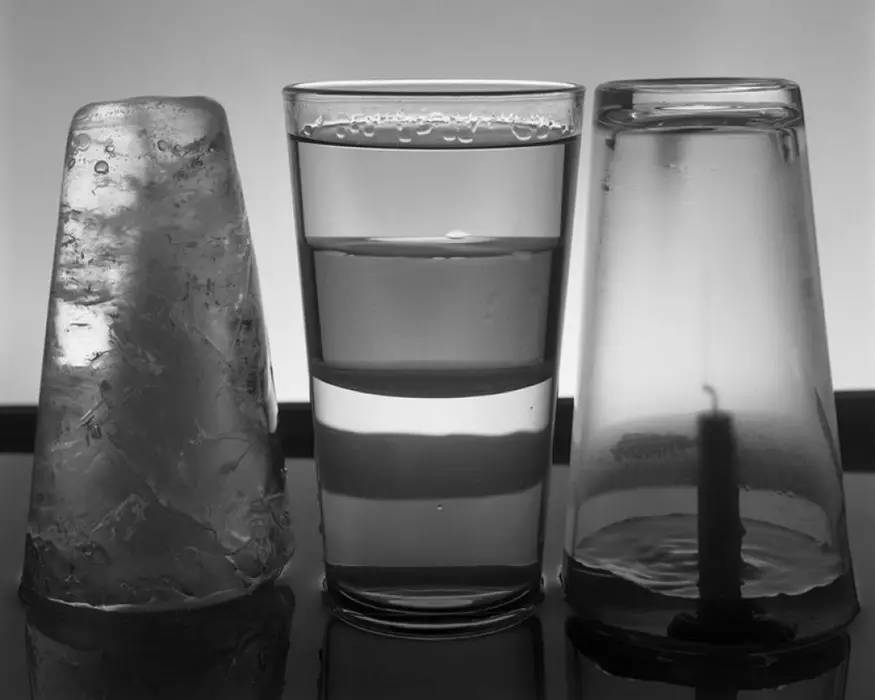
This is a story about vaporization and liquefaction. Pour white vinegar into a large beaker, add a little cooking oil on top, then place a coin inside. Heat it with an alcohol lamp. When the liquid boils, you can calmly remove the coin from the beaker with your hand. Don't be surprised why your fingers aren't burned.
Magic principle: White vinegar has a low boiling point, generally only around 60℃, while oil has a lower density and can float on the surface of white vinegar. When the audience sees what appears to be oil in the flask, it is actually only the surface layer that is oil, and what is boiling inside is actually white vinegar.
II. May you have fish every year.
Fu Yandong's "Fish Every Year" magic trick at the 2011 CCTV Spring Festival Gala also attracted great interest from the audience; however, it was based on principles borrowed from physics.
The magician first hides a magnet in his sleeve, pours water into a tank, puts a small plastic fish in the water, and places a magnet inside the fish's belly. Then the magician makes the plastic fish swim in the direction and route he says, or he can make the fish turn around. The fish is very obedient under the magician's command.
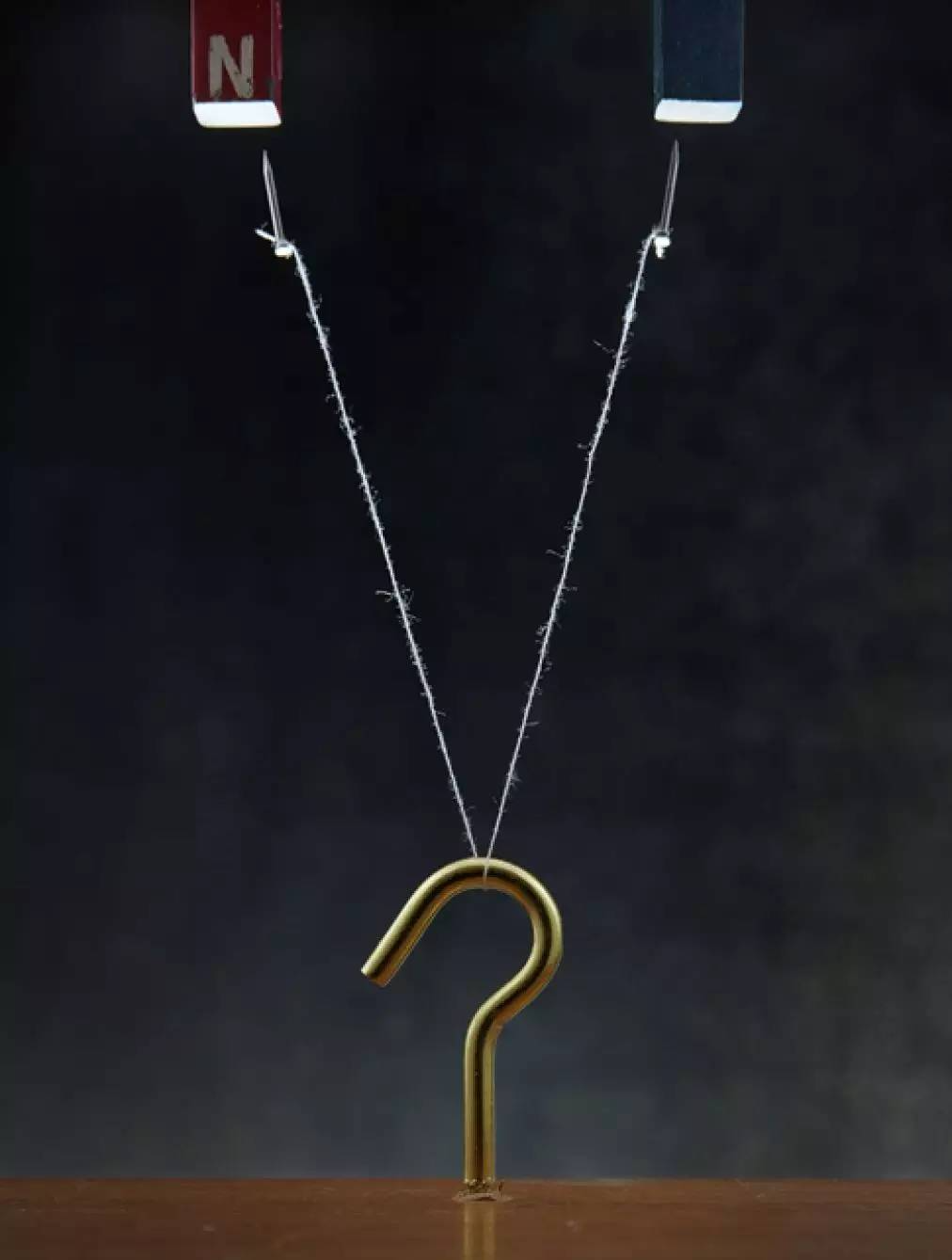
Magic trick principle: There is a magnet in the sleeve and a magnet in the fish's belly. Using the principle that like magnetic poles repel each other and unlike magnetic poles attract each other, the little fish can swim according to the teacher's instructions.
III. The Magical Transformation Cabinet
The Vanishing Trick was invented by Professor John Henry Pepper in 1865, and its key element is the science of mirror reflection . In the trick, a wheeled cabinet is placed on a stage; it is empty except for a central pillar. The cabinet door is closed and then reopened, revealing a small boy who steps out to receive applause. He then re-enters the cabinet, the door closes, and he immediately disappears.
The magic trick works on the law of reflection: the angle at which a ray of light enters a mirror (angle of incidence) is equal to the angle at which it exits the mirror ( angle of reflection). In reality, the cabinet has two hinged mirrors on its inner wall that can be pushed flat to fit the inner wall of the cabinet behind it. When the boy needs to " disappear ," he pulls the two mirrors towards the pillar and hides behind them.
IV. Bottle swallowing an egg
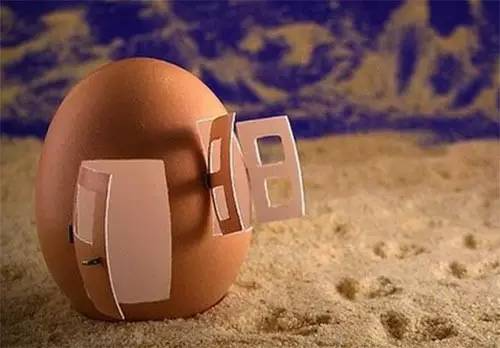
The magician prepares a peeled hard-boiled egg and a conical flask. He places the egg at the mouth of the flask, then pours in some hot water, shakes it a few times, pours the water out, and places the peeled hard-boiled egg back on the mouth of the flask. The egg then slowly "squeezes" into the conical flask.
The magic trick works like this: When boiling water is poured into a conical flask, the temperature of the gas inside rises, causing it to expand outwards. After the egg is placed at the mouth of the flask for a period of time, the temperature of the gas inside decreases, and the gas pressure drops below the external atmospheric pressure. Under the influence of atmospheric pressure, the egg is "swallowed" inside.
5. Boil water in a paper pot
The magician demonstrated the principle of boiling liquids by taking out a disposable paper cup, adding an appropriate amount of hot water, and then heating it with an alcohol lamp until the water boiled, but the paper cup did not ignite.
The magic trick works because water boils at 100°C, an alcohol lamp burns at approximately 800°C, and paper ignites at around 190°C. When water boils, it absorbs heat, but its temperature remains constant at 100°C, so the paper cup cannot be ignited.
The above are examples of magic tricks that utilize physical principles to create amazing effects. In everyday life, there are many other physical magic tricks that can be performed. The most important thing is to use your imagination and not be fooled by the magician's amazing skills. Magic is a product of science; by appropriately applying different scientific principles, we can create "magical miracles" in our ordinary lives.