Kitchen cleaning tips
Given the kitchen's special function—food preparation—it's inevitable that it will accumulate a lot of grease. The stovetop, knives, and even the area around the range hood will be covered in grease, making you feel like you're covered in it yourself. The good mood of cooking is often overwhelmed by this greasy mess. Cooking dinner without an apron leaves you covered in stubborn grease, which is incredibly unpleasant. Frequent cleaning might help, but the kitchen still looks like it's coated in a layer of gray grease. So how can you thoroughly clean the grease and grime from your kitchen utensils? Today, we're providing 15 tips to help you conquer grease and grime.
1. Tile cleaning
When cooking, oil stains easily drip onto the floor, accumulating thick layers of grease on the tiles. Simply cover the oily tiles with toilet paper or tissues, spray with a cleaning agent, and let it sit for a while. This cleaning agent won't drip everywhere; instead, the grease will rise to the surface. Then, remove the toilet paper and wipe the tiles once or twice with a clean cloth dampened with water. For stubborn grease stains, use a cotton cloth instead of toilet paper.
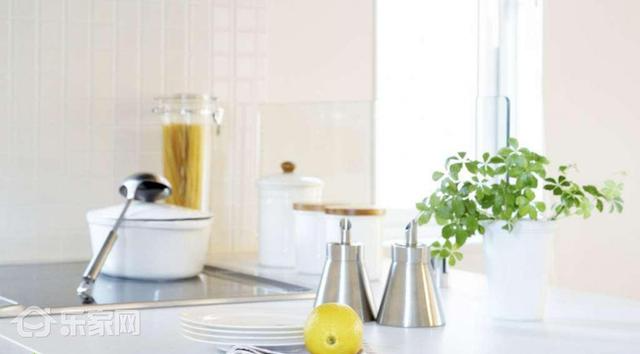
2. Kitchen floor cleaning
If your kitchen cement floor is greasy, simply pour a little vinegar onto the mop to clean it. This is basic chemistry knowledge; acids can break down oils and esters.
3. Pool cleaning
Kitchen sinks are used for washing vegetables and dishes, so they easily accumulate grease from dishwashing water. If you don't have a dedicated sink cleaner, you can sprinkle a little salt on the greasy areas, then scrub them with old plastic wrap. Rinse several times with warm water afterward to make the sink look brand new. For the corners and drain areas, use a small brush or toothbrush with fine salt, soapy water, and detergent to clean them. It's also best to soak the drain cover in warm soapy water for 20-30 minutes for optimal cleaning.

4. Faucet cleaning
If your faucet is stained with stubborn grease, you can rub a fresh lemon slice around the faucet a couple of times to remove it. Alternatively, a piece of moist orange peel can also be very effective at removing stains; simply rub the colored side of the orange peel on the stubborn stains on the faucet to easily remove them.
Here we'll discuss electroplated faucets. Over time, electroplated faucets will darken and lose their original luster, and cleaning them with soap or detergent is not ideal. The best method is to place a small amount of flour on a dry cloth and repeatedly rub the faucet with it, then wipe it with a damp cloth, and finally wipe it with a dry cloth again. The faucet will then look brand new.
5. Refrigerator cleaning
To make the refrigerator surface look shiny and bright, you can use furniture polish spray. For hard-to-reach crevices around the doors, you can use a toothbrush to clean them. For the inside of the refrigerator, wiping with diluted bleach is very effective, as it cleans and disinfects.
6. Cleaning the range hood
Range hoods are arguably the most difficult and stubborn kitchen appliance to clean. However, we have a clever trick: First, empty the grease trap. Then, soak the grease trap in warm water mixed with soap or neutral detergent for about 20 minutes. If the grease is stubborn, soak it for up to 40 minutes. If the grease filter has only a small amount of grease, you can soak it in warm water, wash it, and dry it. If the grease is heavy, you can soak it along with the grease trap.

7. Clean the exhaust fan
Before cleaning and disassembling the exhaust fan, wash your hands thoroughly with soap, making sure to get some under your fingernails, then dry your hands completely. Before disassembling the exhaust fan, prepare some fine sawdust. Wrap some sawdust in cotton yarn or use your hands to directly rub the parts until all the grease and grime are removed. After removing the grease, rinse the parts with clean water to remove any remaining sawdust and cotton yarn, then dry and reassemble. The exhaust fan will be as clean as new.
8. Cleaning the gas stove
To remove grease from the surface of a gas stove, you can apply the hot water left over from cooking noodles to the surface. After a while, wipe it with a cloth and rinse it with water. Gas stoves are generally cleaned after cooking, while they are still warm, with a damp cloth and soapy water or baking soda solution. If you wait until the stove has completely cooled down, it will be difficult to remove grease and rice water splattered from cooking porridge. Soaking a scouring pad in beer for a while and then wiping the stove with stubborn stains will make it shine like new. Alternatively, using leftover radish or cucumber scraps, dipped in detergent, to scrub the surface, followed by rinsing with water, also works very well for removing dirt.
9. Microwave oven cleaning
The interior surfaces of the microwave oven, the front and back of the door, and the door opening can be cleaned with a soft cloth, warm water, and a mild detergent. Do not use metal brushes or corrosive cleaning agents.
For cleaning the inner walls of the oven, use cotton balls soaked in medical alcohol or high-proof liquor to wipe them clean, as alcohol evaporates quickly and has a bactericidal effect. Pay special attention to carefully cleaning the mica sheet on the right side, as this is the heating element of the microwave. The turntable and turntable support should be removed for separate cleaning; these can also be wiped with alcohol or liquor, followed by repeated wiping with a damp cloth. If the glass turntable and bearing ring are hot, wait until they cool down before handling them.
If there is too much grime on your microwave, you can fill a microwave-safe container with water and heat it for a few minutes. The evaporating water will moisten the grime inside the microwave. Then wipe it off with a damp paper towel and finally use detergent or alcohol to thoroughly clean away the grease or alcohol. For computer-controlled microwaves, avoid wiping the membrane switch with a damp cloth.
To remove odors, add a drop or two of vinegar to a cup of water, place the microwave on the turntable, and heat for a minute or two. When heating foods with low moisture content, such as bread or steamed buns, place half a bowl of water nearby. This helps maintain the freshness of the food and is beneficial for the microwave's operation. Additionally, avoid heating foods that are too acidic or alkaline.

10. Cleaning of kitchen woodwork and cupboards
When wooden furniture in the kitchen is covered in grease, you can apply a mixture of bleach and water to the surface and rinse it off with clean water the next day. Alternatively, you can add some vinegar to the water and wipe the wooden furniture; the latter is suitable for wooden furniture with less grease.
11. Cleaning kitchen window screens
To clean greasy kitchen window screens, you can repeatedly brush both sides of the screen with heated, diluted flour paste. After about 10 minutes, wash off the paste with water, and the grease on the screen will be removed. Alternatively, you can use a lint-free cloth dampened with alkaline water to repeatedly scrub the screen. After the grease is removed, rinse it again with clean water. If either method is not effective the first time, repeat the process until the screen is clean.
12. Cleaning bowls, basins, and utensils
Glassware that has been used for a long time, such as oil bottles, can be washed and wiped with tea leaves if there is not much dirt.
To clean glassware with printed patterns, use thin cotton paper and avoid using dish soap, as this may corrode the printed patterns. If the grease is thick and has an odor, crush eggshells and put them in the bottle, add a small amount of warm water, tighten the cap, shake for about 1 minute, then pour out the eggshell residue and rinse with clean water.
When aluminum pots and pans accumulate grime, they can be gently scrubbed with cuttlefish bone to make them look brand new.
For stubborn stains on enamelware, you can use a brush with a little toothpaste to scrub them; it works very well.

13. Cleaning cutting boards and knives
Cutting boards often develop odors after use. Household vinegar can effectively clean odor-laden cutting boards. Mix two tablespoons of vinegar with 200 ml of warm water, then pour the mixture onto a cutting board lined with paper towels and let it sit for 15 minutes. The dirt on the cutting board will be easier to remove, the odor will disappear, and it also has a certain antibacterial effect.
If a kitchen knife is rusty, you can scrub it with potato or radish slices dipped in a little fine sand to remove the rust.
14. Cleaning the pot lid
Over time, pot lids accumulate a thick layer of grease, which is time-consuming and laborious to clean with detergent. Here's a simple and effective method: Put a little water in the pot, place the lid upside down on top, and bring the water to a boil (you can add a little dish soap). Let the steam steam the lid. Once the grease becomes whitish and soft, gently wipe it with a soft cloth, and the lid will look brand new.

15. Kitchen Cleaning Tips
Oil-removing spray: Use commercially available oil-removing sprays with a spray gun. Choose the appropriate product based on your needs and the type of stain you are targeting.
Detergent application method: Apply detergent directly to the surface of the wall tiles or range hood near the stove. After drying, it will form a transparent grease-repellent film, which can isolate the grease and make it easier to clean.
Oil-on-oil method: Apply waste cooking oil to the grease that has been accumulating on the surface of the range hood and the tiles around the stove for a long time. After a few minutes, clean it using the usual cleaning method.
Fruit and vegetable cleaning method: Use leftover watermelon rinds, apple cores, cucumber stems, etc. to wipe oily areas to remove oil stains.

Rice water or noodle soup cleaning method: When there is grease on the stove or liquefied gas stove, you can apply thick rice water to the stove. After the rice water dries and forms a crust, you can gently scrape it off with wooden chopsticks or a plastic sheet. The grease will be removed along with the rice water crust.
Hot alkaline water plus new product: Dissolve a small amount of soda ash in hot water and add an appropriate amount of laundry detergent or dish soap. Use this solution to clean heavily soiled range hoods or stovetops.