Italian cuisine has firmly established itself as the top international cuisine in the United States. What is its magic?
Do you think the only impact of Italian immigrants on the United States is the "Mafia"?

There's also delicious food.

Italian cuisine has had a profound influence on American food, and this influence continues to this day.

In fact, at the end of the 19th century, most of the famous dishes in American restaurants were German-style: gnocchi, German sausages, and they were even more common in beer halls.
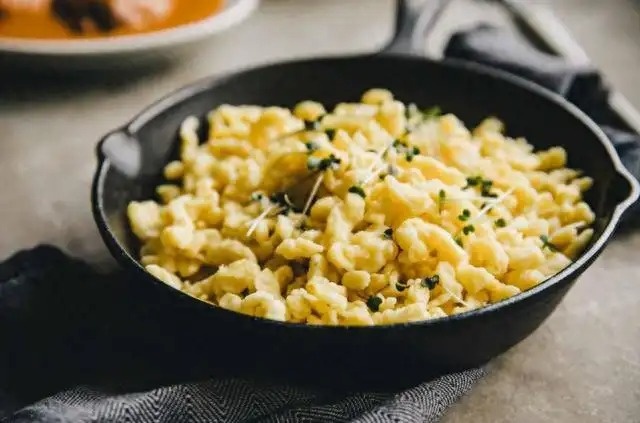
However, as a wave of Italian immigrants began to arrive in the United States, the American diet changed, with pasta becoming the main food.
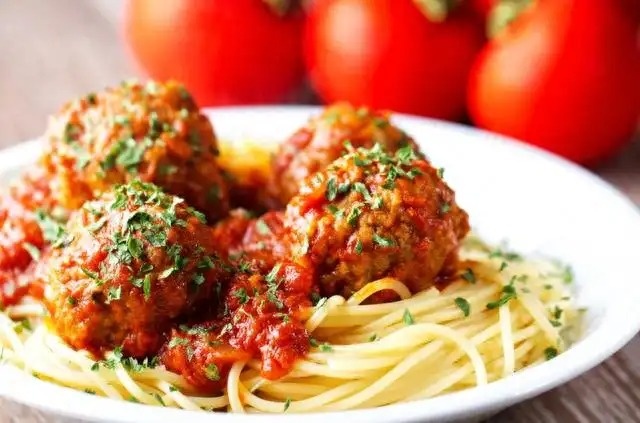
Italian immigrants in the late 19th and early 20th centuries brought culinary traditions to the United States, and of course, made some modifications.

The first Italian dish to become popular in the United States was baked chicken pasta, and it remains popular to this day.
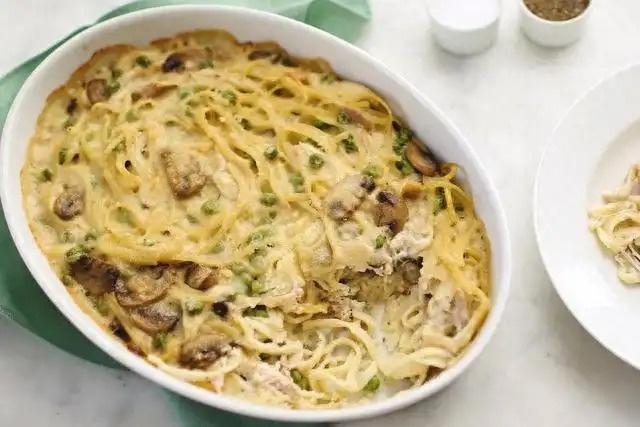
In fact, many dishes invented by Italian immigrants in the early 1900s have now become representative of American cuisine.
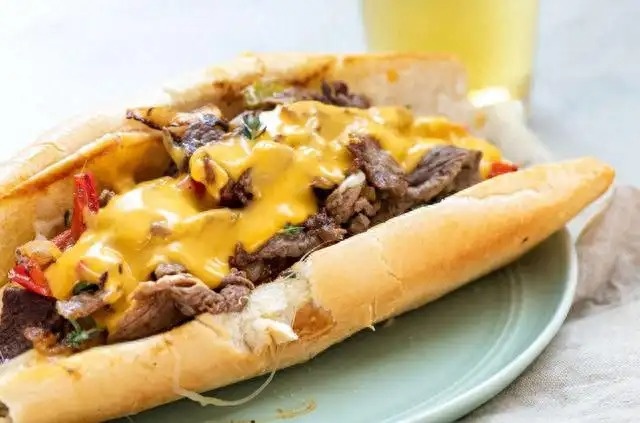
The famous Philadelphia cheesesteak sandwich was invented by Italians, as was the New Orleans muffin sandwich, and Italian seafood soup, which is still loved by San Francisco residents.

So, some people ask: what's the difference between these Americanized Italian dishes and authentic Italian dishes?
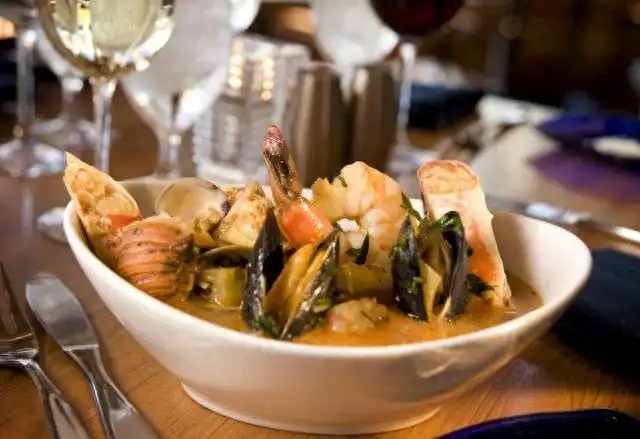
First, we must understand that Italian cuisine is highly regionalized, with significant differences between regions, making it difficult to summarize Italian food in a single sentence.
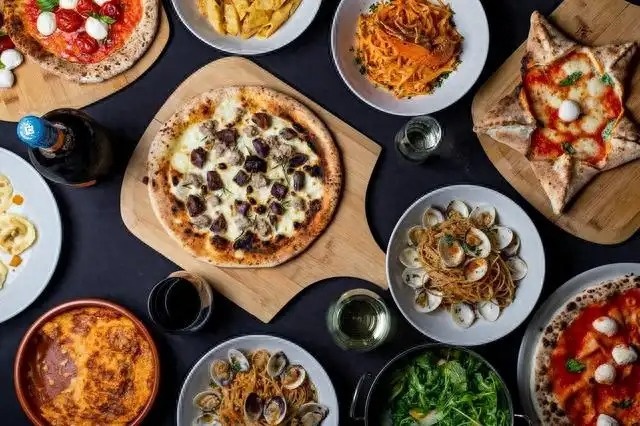
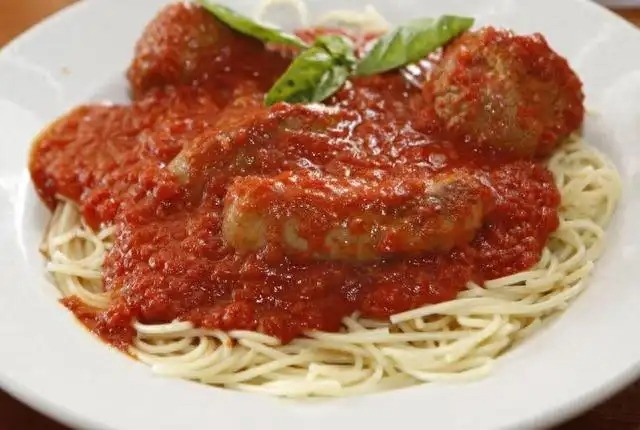
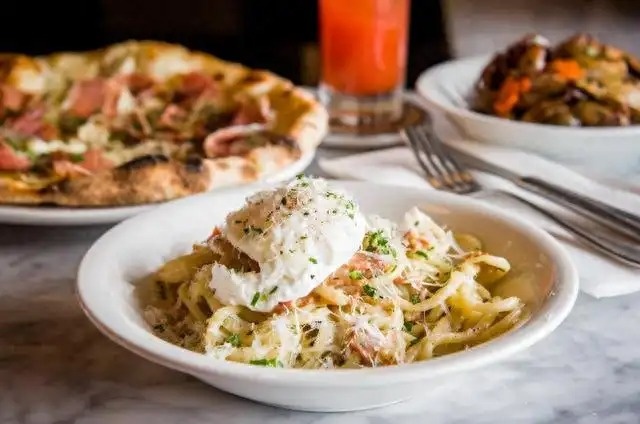
Many people's fixed impression of Italian cuisine is "food drizzled with some kind of red sauce and served with a lot of pasta", but in fact this style is not common throughout Italy.
Italian immigrants from different regions of Italy in the late 19th and early 20th centuries brought diverse dishes, flavors, and cooking techniques to the United States.

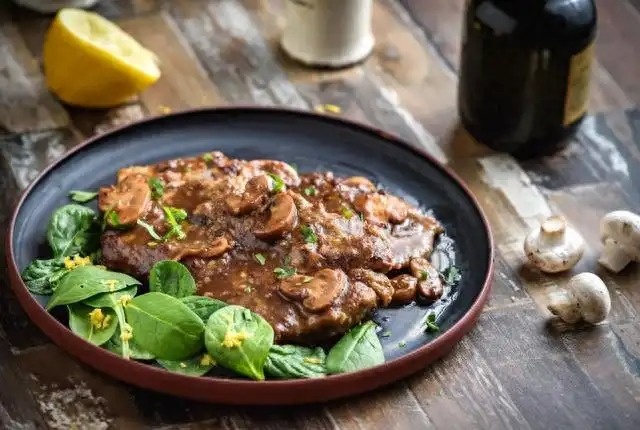
For example, Sicilians prefer spicier sauces and dishes, such as veal masala;
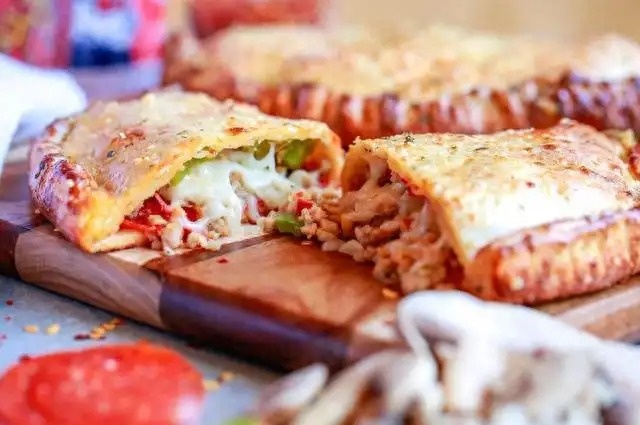
The Naples region is known for its pizzas and pies;
In the northernmost regions of Italy, people prefer rice and corn porridge to pasta.

Most of the Italian immigrants during this period came from southern Italy, and they brought their hometown cuisine to America.

Because of the popularity of Southern Italian cuisine in the United States, Americans have come to regard it as standard Italian cuisine.
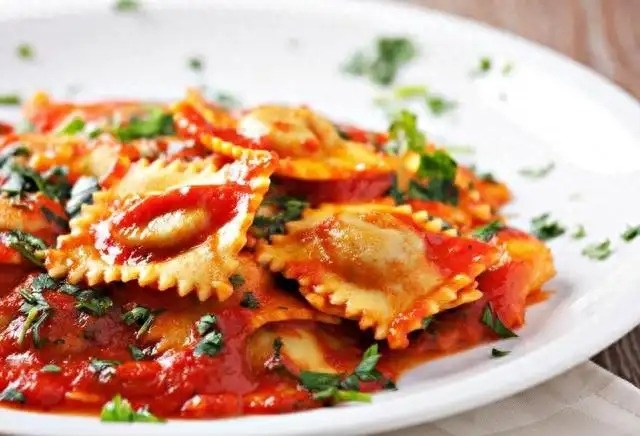
After arriving in the United States, the original traditional Italian cuisine was adapted to local conditions.
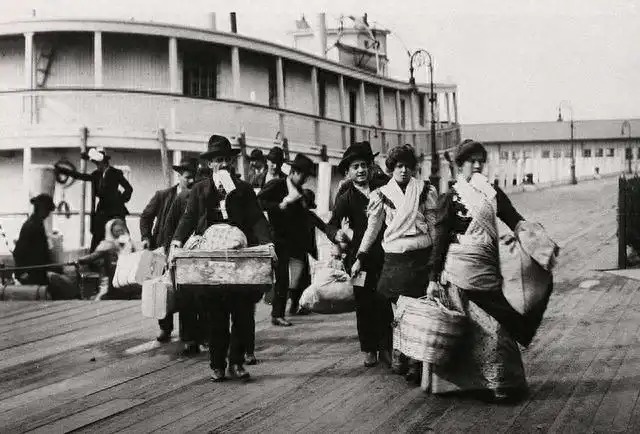
American food portions are typically large, and the US has an abundance of ingredients, so these Italian immigrants not only increased the portion sizes but also adjusted the ingredients. For example, the Italian meatballs we are familiar with are much larger in the US, and there are also more varieties available.
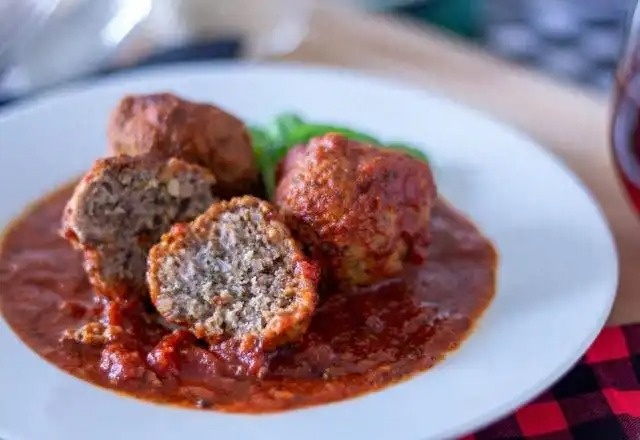
There are many reasons why American Italian cuisine is so deeply rooted in American culture, one of which is an Italian immigrant named Ettore Boyardi.
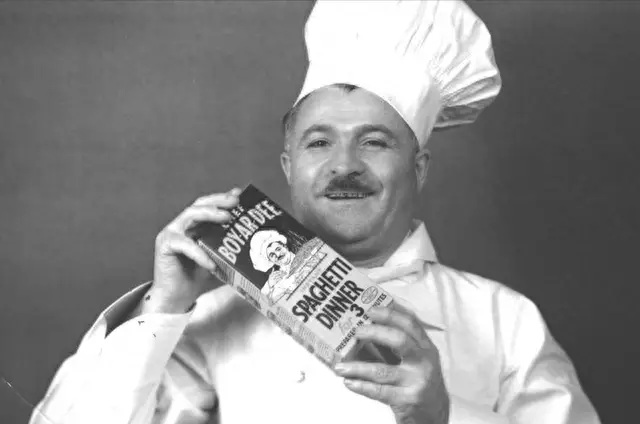
In 1914, at the age of 16, he immigrated to the United States from Italy and initially worked in the kitchen of a New York restaurant until he later opened his own Italian restaurant.
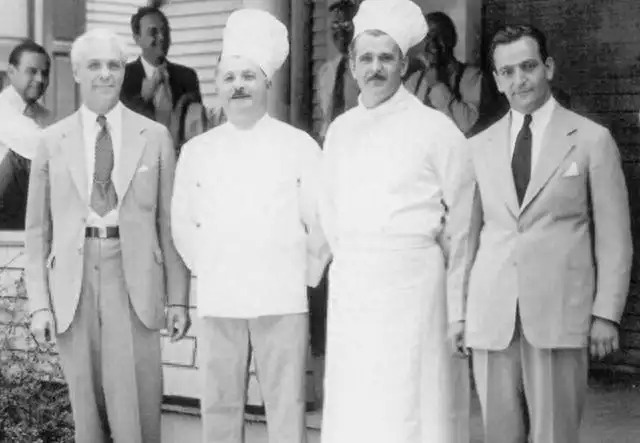
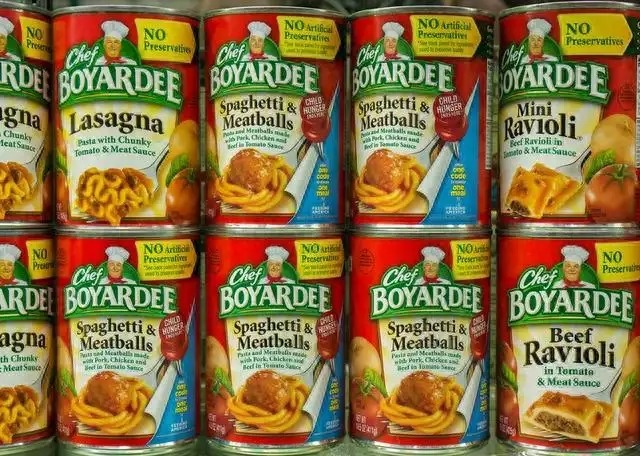
He also invented a type of bread roll that customers could use to recreate Italian cuisine at home. In 1928, Ettore Boyardi opened a food company called "Chef Boyardi." Their first dish was an Italian pasta dinner set.
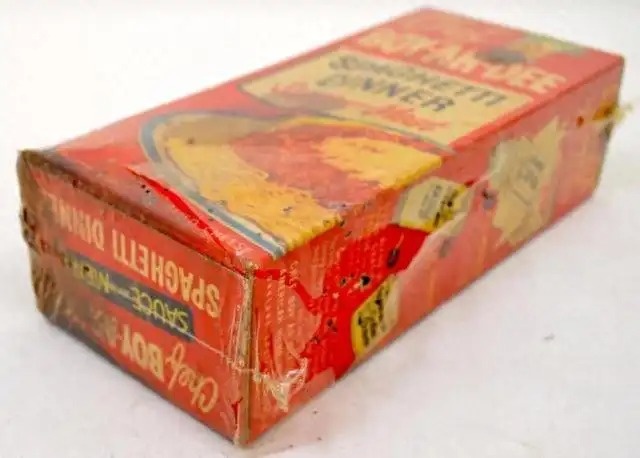
Later, to better suit American pronunciation, the company name was changed to "Chef Boyadi," and canned goods replaced the previous boxed packaging. Canned goods became more convenient for Americans, and their influence grew to the point that generations of Americans believed Italian food consisted mainly of pasta, red sauce, and cheese.
By the 1940s, a restaurant project emerged in New York City that labeled Italian restaurants as "fun, occasionally discounted, and exciting places to dine." Italian food then gradually gained popularity.
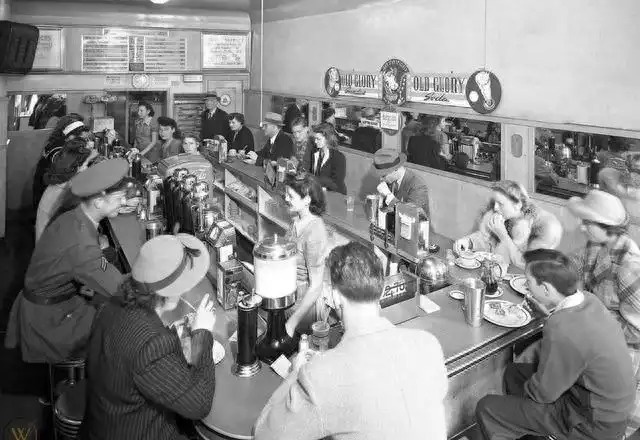
The popularity of Italian cuisine in the United States is also inextricably linked to World War II. American soldiers ate a lot of Italian food on the battlefields of Europe, and when they returned to the United States, they still missed the delicious food they had eaten.

Inspired by them, their family and friends also developed a fondness and interest in Italian cuisine. As a result, Italian-American restaurants emerged, attracting a large and loyal following. These restaurants are the modern Italian restaurants.
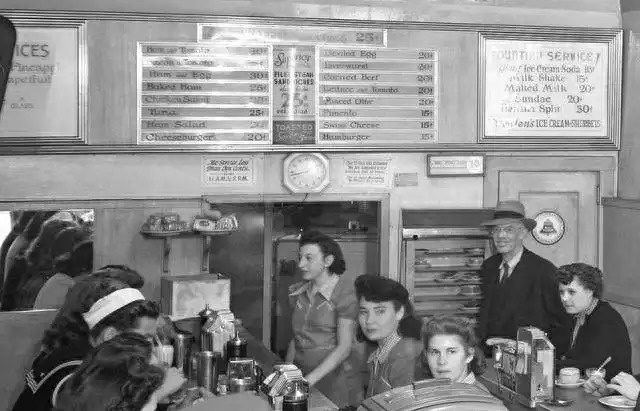
In the postwar 1950s and 1960s, Italian food quickly became mainstream in the American diet.
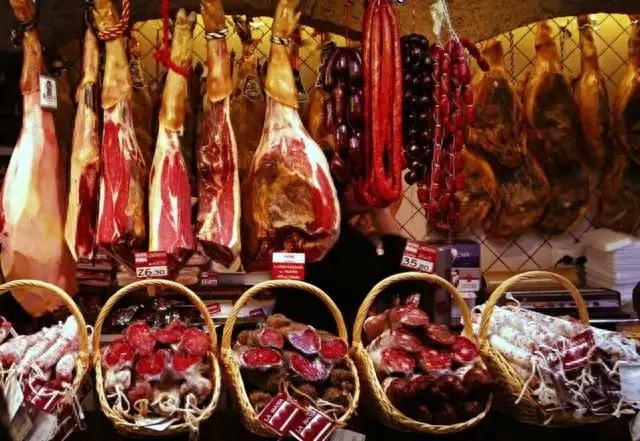
Italian deli and cheese appeared in deli shops, and Italian gelato became a popular dessert.

By the 1970s and 1980s, food from other parts of Italy had also entered American life, such as pan-fried chicken cutlets, risotto, pesto, calamari rings, and creamy crepes.

Of course, there's also espresso, which has been popular in the United States for many years.

Italian restaurant owners have begun to consciously emphasize that their food comes from northern Italy in order to differentiate it from the “common” southern cuisine.

Just like pasta and pizza in the south, risotto and wine sauce have become the hallmarks of northern Italian cuisine.
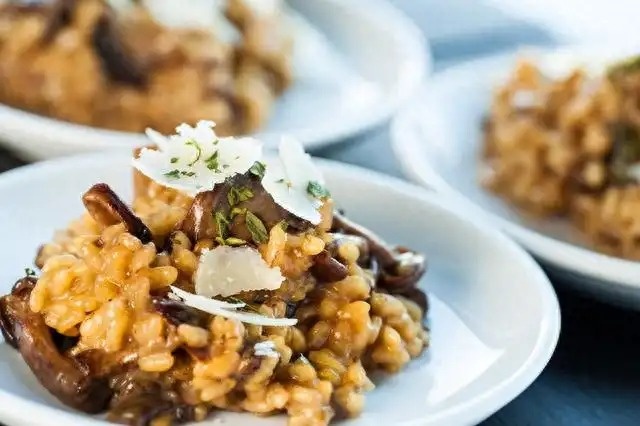
There was even a trend in the 1990s where if you advertised that your restaurant served Northern Italian food, you could charge higher prices.
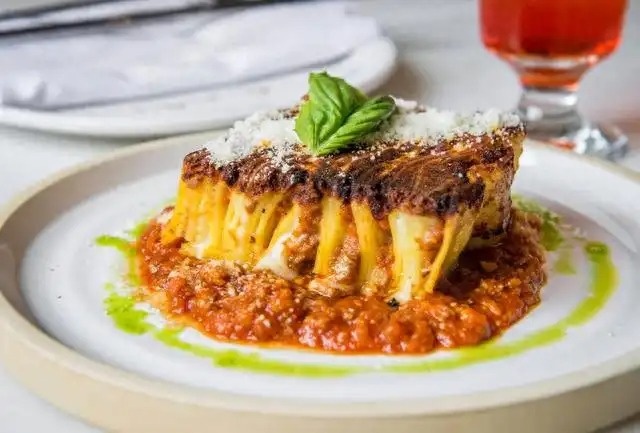
Today, about one in eight restaurants in the United States serve Italian cuisine. While most are pizzerias and casual dining establishments, upscale restaurants also make up a significant portion.
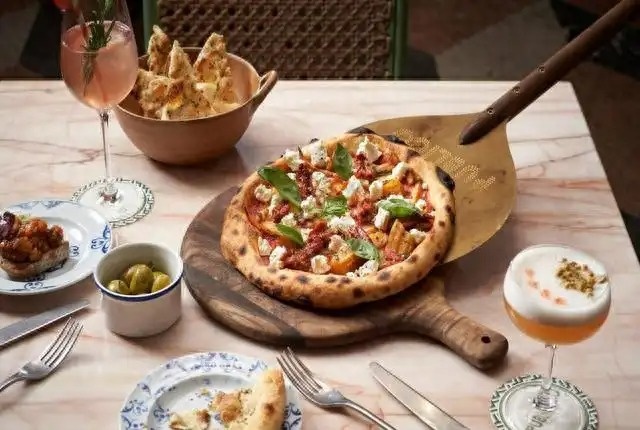
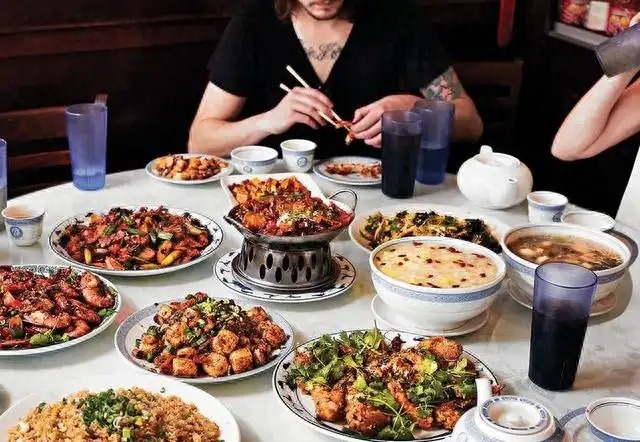
Here's a side note: Chinese restaurants and Mexican restaurants each account for 5% of the total, but the number of upscale restaurants is much smaller.
Today, many Italian restaurants in the United States no longer only offer cuisine from southern Italy; Americans have gained a deeper understanding of traditional Italian food.
This is similar to the changes in the status of Chinese cuisine in the United States.
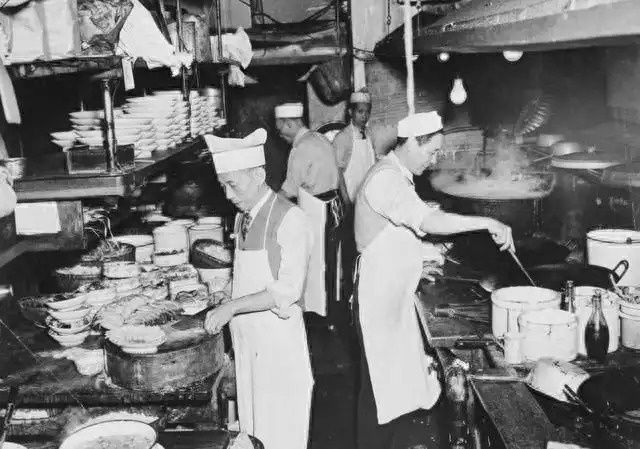
I hope that one day, even if traditions go abroad, they will not be eroded or distorted, and will retain their true essence.