Is cleaning during the long holiday too much trouble? Here are some home cleaning tips.
Besides traveling and relaxing, are you also planning to give your home a thorough cleaning? The kitchen , living room, and bathroom are the key areas to clean, so here are a few cleaning tips.
Part 1: Living Room
Home cleaning has always been a "difficult task" for women, especially when faced with stubborn stains that are hard to remove. The living room is the "image representative" of every home, serving as an important space for entertaining guests and welcoming friends and family. So, how can we effortlessly clean the hard-to-reach corners of the living room?

1. Hard walls: The cleaning and maintenance method is to wipe away surface dust daily and clean and maintain them regularly with spray wax. This wax not only has a cleaning effect but also forms a transparent protective film on the surface, making daily cleaning easier.
2. Metal Furniture: When cleaning metal furniture, you can wipe it with a dry cloth dampened with a small amount of machine oil, or use furniture polish or vegetable oil to prevent rust. Regularly check the folds, joints, and rubber feet of metal furniture; if there are cracks, rust, peeling, or broken feet, repair them immediately. In addition to regular cleaning, stainless steel furniture must have a layer of furniture polish applied to the surface and be wiped and polished regularly to keep it looking new and extend its lifespan.
3. Removing watermarks from lacquered surfaces: Lacquered tables often leave watermarks after a wet teacup has been placed on them. How can you quickly remove them? You can place a clean, damp cloth over the watermark and then iron it at a low temperature. This will evaporate the moisture that has seeped into the lacquer film, thus making the watermark disappear. When using this method, the cloth should not be too thin, and the iron temperature should not be too high. Otherwise, while the watermark on the table will disappear, the original mark will be permanent.
4. Cleaning methods for white tabletops and chairs : White tabletops and chairs are easily stained, and stains are difficult to remove with a cloth. Try squeezing toothpaste onto a clean cloth and wiping the white furniture. A gentle wipe will remove the grease. This is because the abrasive powder in toothpaste has a strong cleaning effect. However, be careful not to use too much force, otherwise you may damage the finish and achieve the opposite effect.
5. Leather sofas: Clean with alcohol. Avoid placing in direct sunlight and damp areas. For oil or grease stains, absorb with a dry cloth, then wash with shampoo, and finally rinse with clean water. For ballpoint pen ink stains, erase with an eraser as soon as possible. For grease or dirt, wash with soapy water first, then rinse with clean water. For stains from beer, baking soda, coffee, etc., wash with soapy water first, then rinse with clean water.
Part Two: Kitchen
The kitchen is a place that is prone to getting dirty and grime. Some people have a good habit of cleaning and tidying up the kitchen after each cooking session, thinking that this will make the kitchen clean and refreshing. However, this is a misconception. The cleaning done every day for each meal may only involve a few repetitive areas, but some hard-to-reach corners in the kitchen are often ignored. Over time, these corners become "disaster zones" for kitchen cleaning. Let's take action together to make those hard-to-reach corners in the kitchen clean and refreshing.
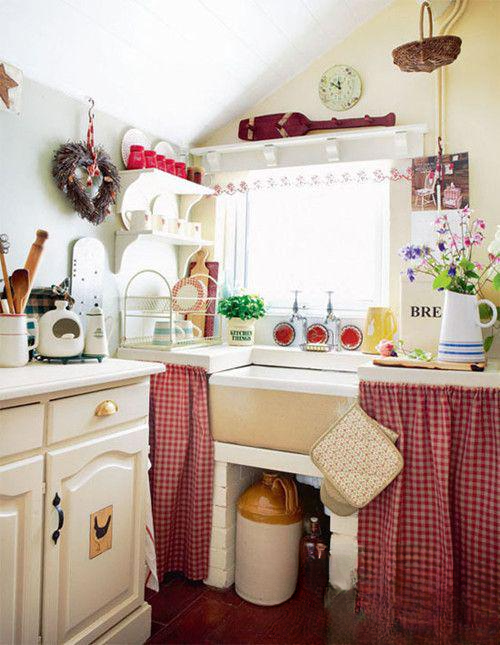
1. Cleaning kitchen window screens: To clean greasy kitchen window screens, repeatedly brush both sides of the screen with heated, diluted flour paste. After about 10 minutes, wash off the paste with water. The grease on the screen will then be removed. Alternatively, you can use a lint-free cloth dampened with alkaline water to repeatedly scrub the screen. After the grease is removed, rinse it again with clean water. If either method is not effective the first time, repeat the process until the screen is clean.
2. Cleaning the kitchen floor: If there is oil stains on the cement floor of the kitchen, pour a little vinegar onto the mop to clean the floor.
3. Sink Cleaning: Kitchen sinks are used for washing vegetables and dishes, easily accumulating grease from dishwashing water. If you don't have a dedicated sink cleaner, sprinkle some salt on the greasy areas, then scrub with old plastic wrap. Rinse several times with warm water afterward to make the sink look brand new. For the corners and drain area, use a small brush or toothbrush with fine salt, soapy water, and detergent to scrub. Soak the drain cover in warm soapy water for 20-30 minutes for optimal cleaning.
4. Cleaning Bowls and Utensils: For glassware used for a long time, such as oil bottles, if there is not much dirt, you can wash and scrub them with tea leaves. For glassware with printed patterns, use thin cotton paper to clean them; avoid using dish soap as it may corrode the patterns. If the grease is thick and has an odor, crush eggshells and put them in the bottle, add a small amount of warm water, tighten the lid, shake for about 1 minute, then pour out the eggshell residue and rinse thoroughly with clean water. For aluminum pots and pans with accumulated grime, gently scrub with cuttlefish bone to make them look brand new. For stubborn grime on enamelware, use a brush with a small amount of toothpaste to scrub; the effect is very good.
5. Refrigerator exterior dirt: Use toothpaste to clean the refrigerator exterior. For general dirt on the refrigerator exterior, use a soft cloth with a small amount of toothpaste to gently wipe it. If the stains are stubborn, apply more toothpaste and rub repeatedly with the cloth until the refrigerator is clean again. This is because toothpaste contains abrasives, making it very effective at removing dirt. Lighting fixtures: Fingerprints on light switches can be erased with an eraser to make them look brand new. For sockets with dirt and dust, after unplugging the power, it is best to wipe them with a soft cloth with a small amount of scouring powder. When cleaning wrinkled cloth lampshades, use a soft-bristled toothbrush to avoid damaging the lampshade. To clean acrylic lampshades, apply detergent, then wash off the detergent with water and dry. Ordinary light bulbs can be wiped with salt water.

Part 3: Bathroom
Every morning begins with brushing our teeth and washing our face in the bathroom, and the day's fatigue disappears in a nice hot bath. The bathroom is a crucial space in our living environment, and we all need to work together to prevent stains from accumulating there.
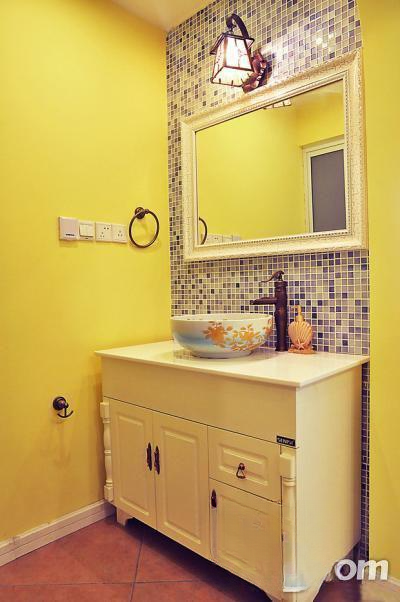
1. Cleaning the bathtub: Always use a mild detergent to clean the bathtub, as the cleaning chemicals in detergents can affect the shine and lifespan of the surface. Therefore, using a laundry detergent or vegetable cleaner is best, and the ideal tool is a soft sponge.
2. Toilet cleaning: Make a small pouch out of gauze or an old stocking, put the leftover soap inside, and place it in the toilet tank. The soap will slowly dissolve in the tank, creating simple soapy water. Using this soapy water to flush the toilet saves a lot of time and effort for future cleaning; it's simple and practical.
3. Mop disinfection: In addition to drying and disinfecting with disinfectant, there is another way to disinfect mops in one fell swoop: sprinkle low concentrations of potassium permanganate and bleach on the ground, and then mop the floor. This will kill bacteria on the ground and clean the mop.
4. Basins: Including washbasins, bath basins, etc., if they are used for a long time and not thoroughly cleaned, a layer of dirt will accumulate on the basin wall. You can sprinkle some water on the surface (just wet it), and then use a wet shoe brush with some dry laundry detergent to scrub the basin wall. This will easily remove the dirt.
5. Faucet: After a long period of use, the faucet will no longer be as shiny as before and may have some rust. At this time, you can rub the inside of a potato peel on the faucet, and it will be clean and shiny in a while.
6. Sewers: Sewers are very damp and will develop an unpleasant smell over time. You can break grapefruit peel into pieces, boil them, wait a few minutes, remove the peel pieces, and pour the hot water down the drain. You can do this once a week or once or twice a month to remove the odor.
7. Mirrors: Over time, bathroom mirrors may develop a layer of residue that is difficult to remove. You can use a damp towel with some dry laundry detergent to wipe the mirror, and then wipe it with a dry towel to clean it.
Looking at it this way, it seems like there's a lot to clean, but don't worry, with these cleaning tips, you can save a lot of trouble! Let's learn them!