Indepth article: Sharing experience in yearround pest control for peach and pear trees!
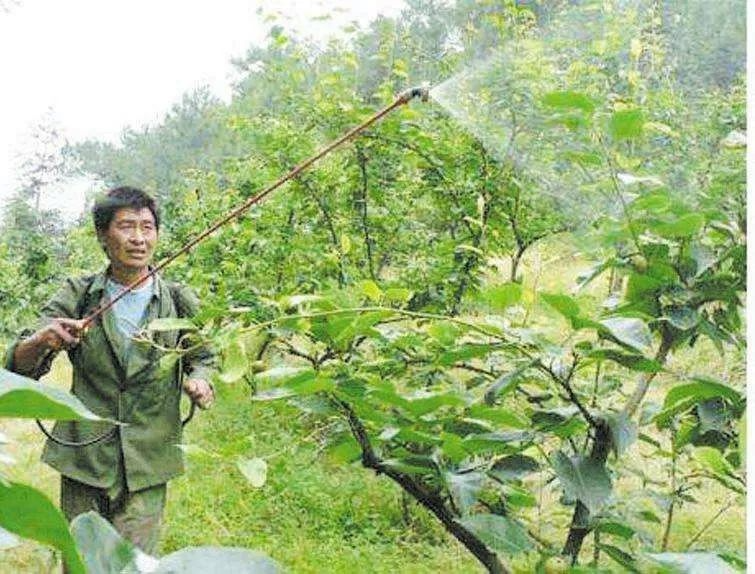
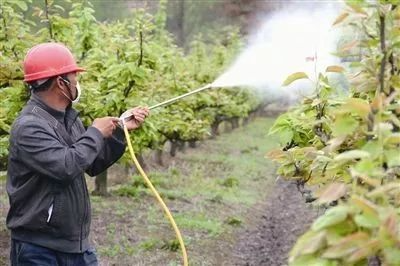
I will be giving an annual summary of the prevention and control of diseases and pests in pear and peach trees this year, hoping to help all the growers who are fighting on the front line of agriculture.
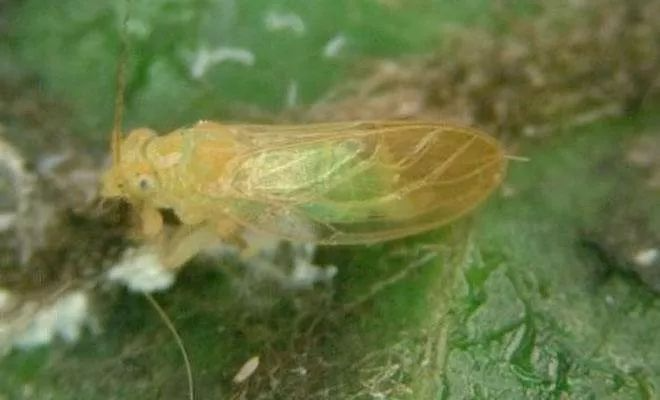
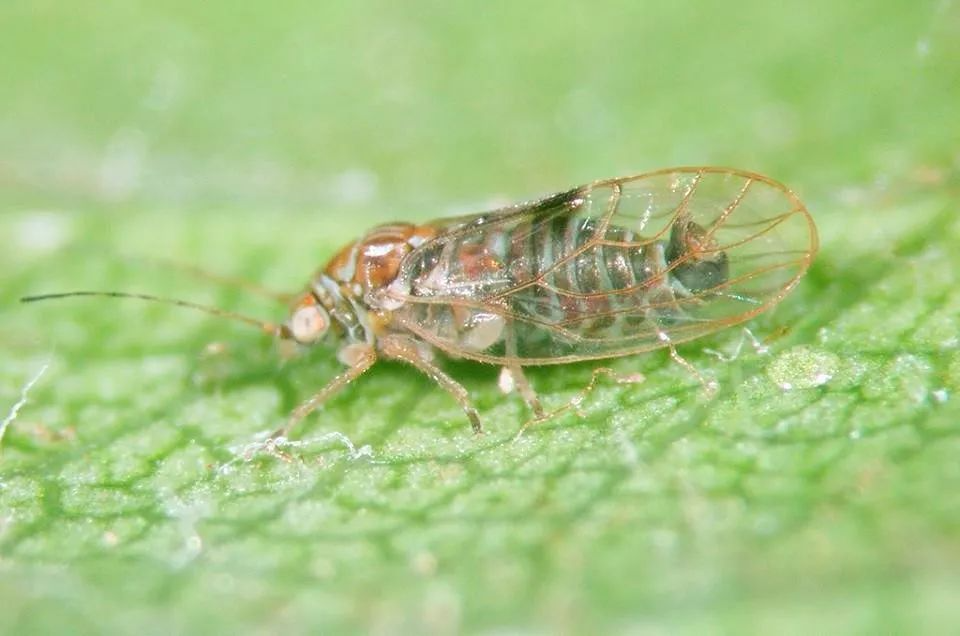
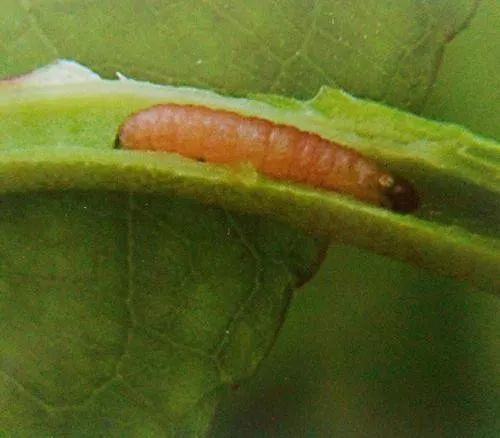
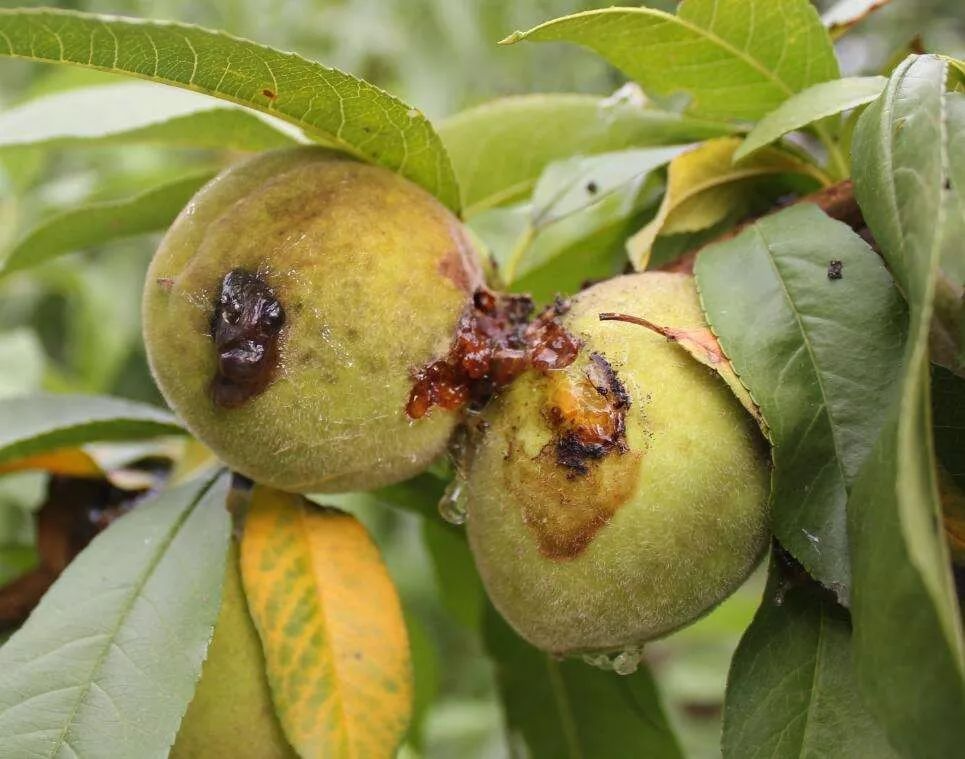
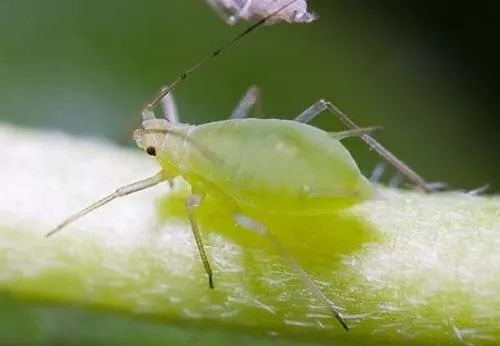
Because climate conditions vary from place to place, this article only applies to the Dangshan area. Please refer to the discussion of insect pests and diseases in the article at your own discretion. Any inaccuracies are welcome to be pointed out. I. Pear psyllidLet's start by discussing the primary pest of pear trees. This year, the pear psyllid in Dangshan County showed a trend of fewer infestations initially but more severe later in the season. This is due to the sustained low temperatures in Dangshan from April to mid-May. Because the pear psyllid infestation was not serious in the early stages, many farmers neglected prevention and control measures, leading to an outbreak as temperatures rose later. Regarding pear psyllid control products, we must first mention the pyriproxyfen product mentioned last year, which is now widely used in the Dangshan market. The most widely used product is the 30% pyriproxyfen thiamethoxam produced by Fujian Xin Nong Da Zheng. In addition, the 24% spirotetramat pyriproxyfen produced by Chengdu Kelilong Company, which I distribute, has also achieved good control efficacy. Therefore, I believe that pyriproxyfen will become a new trend in pear psyllid control.Secondly, we must mention matrine , a commonly used pesticide against pear psyllids . This year, overall sales of matrine in Dangshan area have been mediocre. This is partly due to safety concerns caused by abnormal weather, and partly due to the reduced efficacy of matrine itself. As a biological agent, matrine's efficacy stability is generally poor. To improve its rapid effect, most matrine products on the market add synergistic ingredients. While these hidden ingredients enhance efficacy, they also pose safety risks. Furthermore, due to the promulgation of the new national pesticide law, manufacturers are more cautious about adding hidden ingredients, or most have simply eliminated them altogether. This has led to the generally poor efficacy of matrine products this year. In the foreseeable future, products containing hidden ingredients, such as matrine and Bacillus thuringiensis, will gradually be phased out of the market. After matrine is gradually phased out of the market, I personally believe that the older drug thiamethoxam will partially replace matrine in the market. In fact, the main synergistic ingredient of some matrine products is thiamethoxam. The 24% abamectin thiamethoxam produced by Qingdao Kaiyuanxiang, which I promoted this year, has a good effect in the early stage of controlling pear psyllids and removing their slime. However, it should also be noted that, like matrine, thiamethoxam's effectiveness in the later stages of pear psyllid outbreaks generally only lasts for about 7 days.Therefore, my personal recommended control plan for pear psyllids is as follows: When applying pesticides during the flowering period (calyx drop), add 24% abamectin at a dilution of 2500 times. When 70% to 80% of the flowers have fallen, use a mixture of 24% spirotetramat and pyriproxyfen at a dilution of 3000 times + 24% abamectin at a dilution of 2500 times. After about 15 to 20 days, if no pear psyllid nymphs are seen and there is no sticky residue on the tree, you can apply the pesticide again using a mixture of 24% spirotetramat and pyriproxyfen at a dilution of 3000 times + 24% abamectin at a dilution of 2500 times. If pear psyllid nymphs are seen, you can choose to use 24% abamectin at a dilution of 1500 times or 30% pyriproxyfen at a dilution of 2500 times + 24% abamectin at a dilution of 2500 times for control. The third application of pesticides is usually done in early May. It is recommended to use 15% abamectin at 2500 times dilution + 30% etoxazole at 5000 times dilution + 30% thiamethoxam at 2500 times dilution. After that, 24% abamectin at 2500 times dilution + 30% thiamethoxam at 2500 times dilution can be used as a routine control method. If pear psyllids break out, plant essential oils can be added appropriately to enhance the ability to break the sticky sap.The core idea of the above scheme is that in the early stage, when the insect population is clearly divided into generations, ovicides such as spirotetramat and pyriproxyfen are used to suppress the initial insect population. In the later stage, when the insect population changes, thiamethoxam is used as the main agent, supplemented by thiamethoxam to improve the speed of killing, so as to achieve a better effect of quickly killing insects and breaking the sticky substance.Additionally, if cost permits, starting from the fourth application, you can add 5% lufenuron at 1250 times dilution + 2.5% cypermethrin at 800 times dilution to form a broad-spectrum insecticide formula. This year, my experiments verified that lufenuron also has a certain control effect on pear wood louse eggs, while the addition of cypermethrin can significantly improve the speed of killing various pests.II. Peach Fruit MothThis year, the peach fruit moth outbreak in Dangshan County has been a stark contrast. Initially, the pest was largely contained in peach and early-ripening pear varieties due to the sustained low temperatures, making control relatively easy. However, later in the season, some areas experienced outbreaks in crisp pears. There are two main reasons for this: firstly, the price of yellow peaches plummeted this year , leading peach farmers to largely abandon management, significantly increasing the difficulty of control in pear orchards adjacent to peach orchards; secondly, there's the issue I warned about last year: the effectiveness of pesticides containing Bacillus thuringiensis (Bt) as a latent ingredient. Unfortunately, my prediction has come true. This year, the effectiveness of these latent ingredient pesticides in Dangshan County has plummeted, causing significant losses for many retailers who relied heavily on them for pest control. This year, I reiterate that products containing latent ingredients will gradually be phased out of the market; please use them wisely. Regarding the control of codling moths, last year's post explained it quite clearly, so I won't go into detail again. The diamide product I recommended has continued to achieve very good results this year. Furthermore, with the expiration of the chlorantraniliprole patent, several domestically produced amide insecticides are about to be approved. Diamide insecticides with good systemic properties and long-lasting effects will become the mainstream products for codling moth control for a long time to come. Finally, let's discuss various pyrethroids. With the emergence of new products, many pyrethroid products have become obsolete. However, I believe that pyrethroid insecticides remain an excellent choice as compound agents. Using cypermethrin in the early stages when temperatures are low, and using cypermethrin in the later stages, are both more effective and cheaper than using abamectin alone. Regarding their effectiveness against adult moths, pyrethroids, with their high-speed killing effect, fumigation toxicity, and low price, are unparalleled among various products, and I highly recommend adding them appropriately.III. Peach AphidThe peach aphid infestation in Dangshan County this year is quite severe. The root cause is the widespread use of neonicotinoid insecticides like pymetrozine and acetamiprid in the area, while the sustained low temperatures have significantly inhibited their activity. However, the 24% spirotetramat-pyriproxyfen I tested this year showed remarkable effectiveness against peach aphids. I personally believe that in the coming years, with increasing resistance to various neonicotinoid products, the widespread application of spirotetramat and pyriproxyfen for peach aphid control will become the general trend. In addition, some customers have reported this year that Hailier's 15% acetamiprid has a good effect on quickly killing peach aphids. You can verify this for yourselves.My personal recommended pesticide regimen for peach aphids is as follows: From the time the flowers begin to blush until they open, apply a mixture of 25% imidacloprid (1000x dilution) and 30% thiamethoxam (2500x dilution). When 80% of the flowers have fallen, apply a mixture of 24% spirotetramat and pyriproxyfen (1000x dilution). For the third application, use a mixture of 50% pymetrozine (2500x dilution) and 30% thiamethoxam (2500x dilution). If aphids break out, add methomyl to increase its effectiveness. Afterward, if no aphids appear, use spirotetramat for prevention. If there are many aphids, continue to use pymetrozine and thiamethoxam as the main pesticides. When the temperature is above 25 degrees Celsius, acetamiprid can be used instead of pymetrozine.IV. AnthraxAnthracnose is slightly better in Dangshan this year than last year, mainly due to less rainfall. However, due to the large spore population, outbreaks still occurred in some fields. Regarding anthracnose, the author believes that methoxyacrylates such as pyraclostrobin and azoxystrobin have shown significant resistance. While they are effective for prevention, they can only be added to compound formulations for treatment; increasing the concentration of these products is not very meaningful. Triazole products, especially tebuconazole and its mixtures, have performed exceptionally well this year. The reason for this is that among the mainstream triazole products, difenoconazole and flutriafol are used at lower concentrations due to cost considerations. For example, difenoconazole is often used at 10% concentrations diluted 1500-2500 times, while tebuconazole at the same price point is typically 43%, a concentration four times higher. The bactericidal activity of difenoconazole is approximately 1.5 times that of tebuconazole. To achieve the same control effect as 43% tebuconazole, the dosage must be at least doubled. Of course, this> Several fungicides are beneficial to pears: propineb can supplement zinc, azoxystrobin can promote calcium absorption, and captan can purify the fruit surface. These three agents can be used more often when there are few diseases, the weather is sunny with little rain, or when the fruit is in the late stage of harvest.Triazoles generally have no effect on the fruit surface, but most of them, except for phenyl ether, affect color change, so they should be used with caution at the end of the harvest.Azoxystrobin has very high activity. In normal years, its use is beneficial to the fruit surface, but in years like last year and this year where the fruit was damaged by frost, it is best to use it sparingly in the early stages, as it may sometimes irritate the fruit surface.Products like methyl thiophanate-methyl have little impact on fruit quality, but sulfur-containing wettable powders can erode the waxy layer on the fruit surface, resulting in insufficient brightness and large pits. However, if suspension concentrates or dry suspension concentrates are used, they have virtually no impact on the fruit surface. Boron supplementation during the flowering and young fruit stages is beneficial for correcting fruit shape and reducing the occurrence of deformed fruit.Calcium supplementation throughout the entire fruit growth cycle can enhance the brightness of the fruit surface.Using high-phosphorus foliar fertilizers such as potassium dihydrogen phosphate in the mid-to-late stages can affect fruit color.The use of brassinolide throughout the entire fruit growth cycle is beneficial to the fruit surface. This is because brassinolide can regulate endogenous hormones, promote the absorption of trace elements such as calcium and boron, alleviate the irritation of pesticides on the fruit, and improve the stress resistance of fruit trees.Regulators such as amino acid esters can also improve fruit quality, but some manufacturers produce these products with excessive impurities. It is recommended to use products from large manufacturers to avoid phytotoxicity. Finally, I'd like to address a question that has troubled me for a long time . Some fruit growers say that the fruit from weak trees is actually of better quality than that from vigorous trees. My personal analysis suggests three reasons: First, vigorous trees tend to absorb too much nitrogen, which affects fruit quality. Second, leaves and fruit compete for nutrients; the leaves of weak trees cannot compete with the fruit, while the leaves of vigorous trees have a higher transpiration rate and greater nutrient demand, leading to insufficient nutrition in the fruit. Third, weak trees have fewer leaves, resulting in slightly better ventilation and light penetration than vigorous trees. However, in general, many so-called vigorous trees are merely experiencing superficial growth due to excessive leaf growth. Truly healthy trees will produce excellent fruit. I hope everyone will control nitrogen fertilizer application and use more organic and microbial fertilizers to control this superficial growth in fruit trees.As I write this, it is already late at night. Many deeper issues have not yet been elaborated upon, which I will leave for future discussions with my colleagues. I hope to get to know more fruit tree growers and explore technical issues related to fruit tree cultivation together. If there are any shortcomings in this article, please feel free to point them out. Thank you very much.