Illustrated instructions on how to prune flowers! It's so easy!
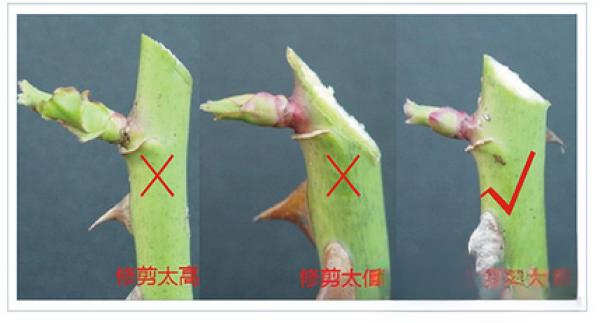
Every time I cut flowers, some friends sigh, "I can't bring myself to do it" or "Should I cut them while they're still blooming?"
Well, once the plant enters the seed-bearing process, it consumes a lot of nutrients, especially bulbous plants. According to my idol, her rain lilies can bloom 4-5 times a year if the spent flowers are not removed, but if the spent flowers are removed, they can bloom up to 13 times a year.
Therefore, pleasant and effective pruning is extremely important!
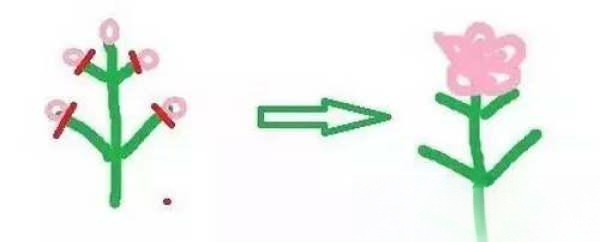
NO1 Pinching/Topping
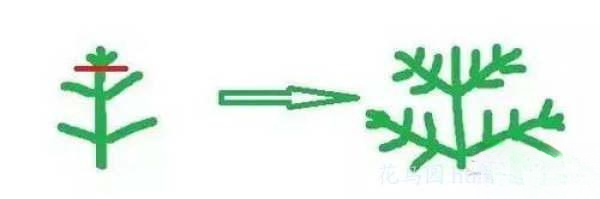
Transform into a flower ball [petunias, geraniums, baby's breath...]
NO2 Remove bottom buds
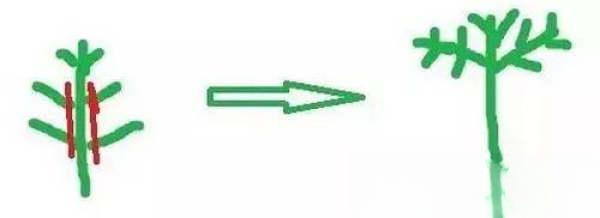
Transform into lollipop shapes [tree-shaped roses, crape myrtles, Chinese junipers...]
NO3 Pruning
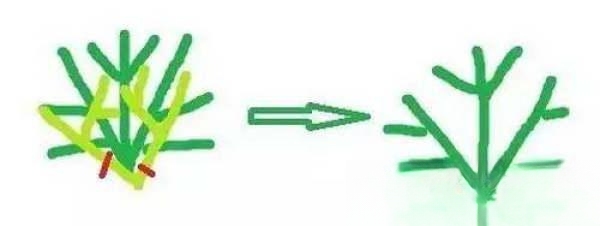
Promotes ventilation, concentrates nutrients, and results in a more attractive shape [from diseased or weak branches, overly vigorous branches, overly dense branches, and any branches you don't like].
NO4 Shulei
Remove side buds and weak buds to concentrate nutrients on producing large flowers [peony, chrysanthemum specimen...].
NO5 Cutting up leftover flowers
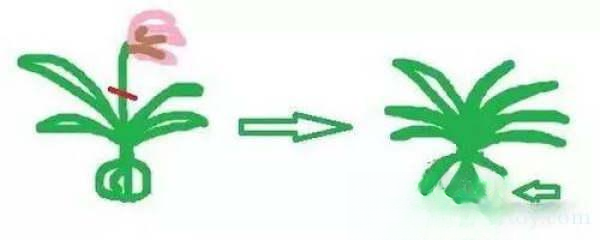
Faster reblooming, larger bulbs, and neater plant appearance [for all flowers where you don't need to save seeds].
NO6 layering
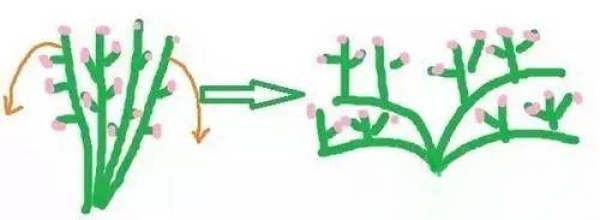
Lower the main stem to encourage lateral bud growth and more flowers [climbing roses, clematis...]
NO7 Root Pruning
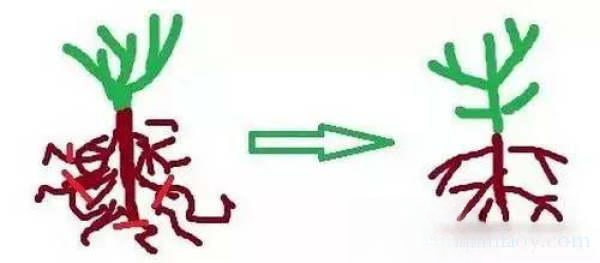
Trim it when repotting or transplanting.
NO8 Light Cut
Cut off 1-3 nodes for general post-flowering pruning.
NO9 Medium Cut
Cut off 1/3 to 1/2 of the length, shorten the plant shape after flowering, and perform general pruning during the autumn and winter dormancy period.
NO10 Recut
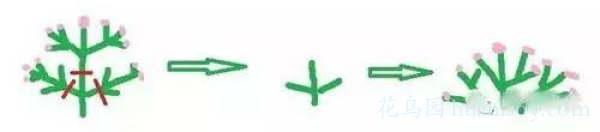
Cut off 2/3 to 3/4 of the plant, or even all of the above-ground portion, depending on the situation. This is used for rejuvenation, promoting the growth of new shoots, and shaping the plant. It is generally done during the autumn and winter dormancy period.