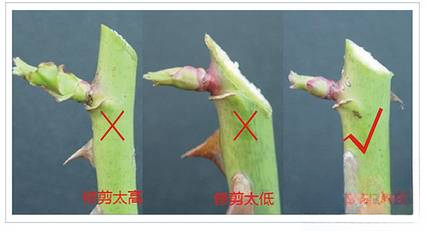
Illustrated instructions on flower pruning! Simple and clear!
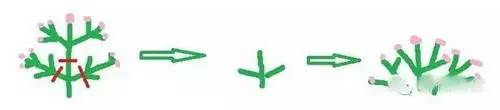
Transform into a flower ball [petunias, geraniums, baby's breath...]
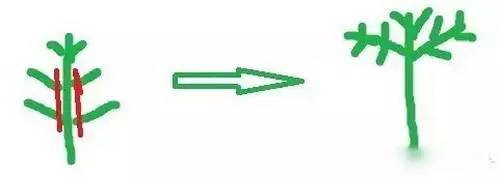
Transform into lollipop shapes [tree-shaped roses, crape myrtles, Chinese junipers...]
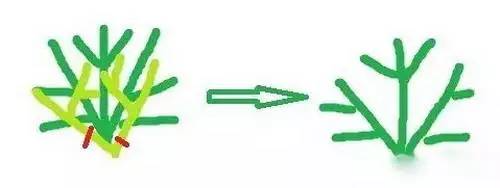
Promotes ventilation, concentrates nutrients, and results in a more attractive shape [from diseased or weak branches, overly vigorous branches, overly dense branches, and any branches you don't like].
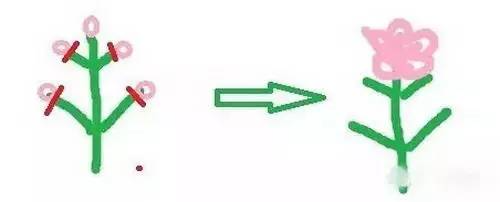
Remove side buds and weak buds to concentrate nutrients on producing large flowers [peony, chrysanthemum specimen...].
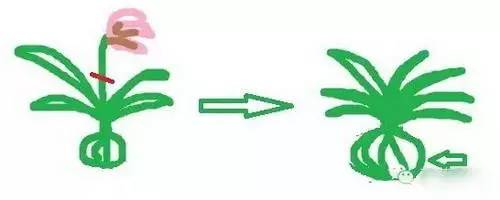
Faster reblooming, larger bulbs, and neater plant appearance [for all flowers where you don't need to save seeds].
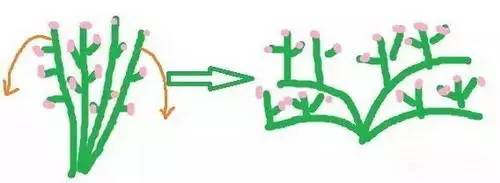
Lower the main stem to encourage lateral bud growth and more flowers [climbing roses, clematis...]
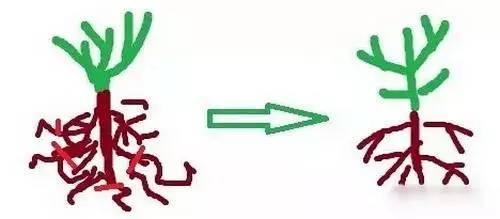
Trim it when repotting or transplanting.
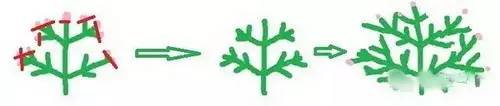
Cut off 1-3 nodes for general post-flowering pruning.
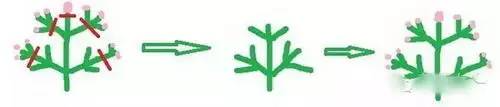
Cut off 1/3 to 1/2 of the length, shorten the plant shape after flowering, and perform general pruning during the autumn and winter dormancy period.