Illustrated guide to pruning Kalanchoe
The general pruning methods for kalanchoe include pinching off the top, removing the small young buds at the top of the kalanchoe to limit its growth; pruning away weak and old branches, leaving about four strong branches; and shaping pruning, which involves pruning the kalanchoe into the shape you are most satisfied with, making it look more natural.
1. Pinching off the growing tip
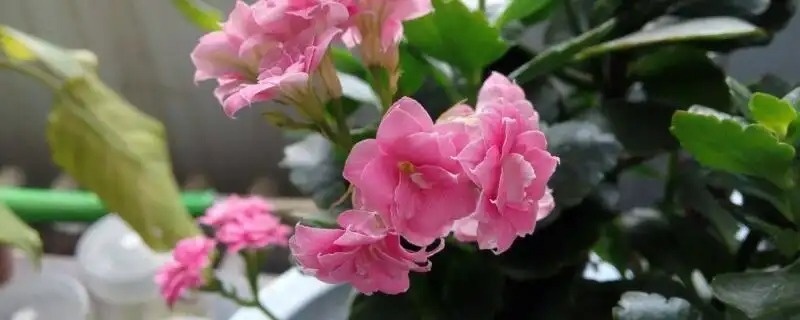
In the illustrated pruning method for Kalanchoe, pinching and topping are very important steps. Regularly pinching and topping Kalanchoe will encourage it to grow more branches, resulting in more flowers and enhancing its ornamental value. It can also perfectly limit the growth of Kalanchoe, achieving the desired effect.
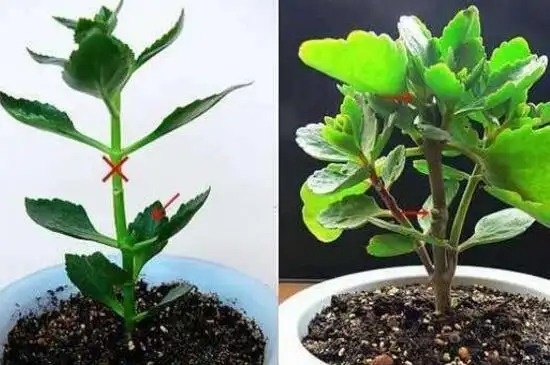
Pinching and topping involves cutting off the small, young shoots at the top of the kalanchoe to control its growth and force it to grow outwards, resulting in a more aesthetically pleasing overall shape. Pinching and topping are typically done in April of spring. When the seedlings reach 4 cm in height, the top tip should be removed. When the plant reaches 12 cm in height, the top should be cut off by 1 cm.
2. Pruning
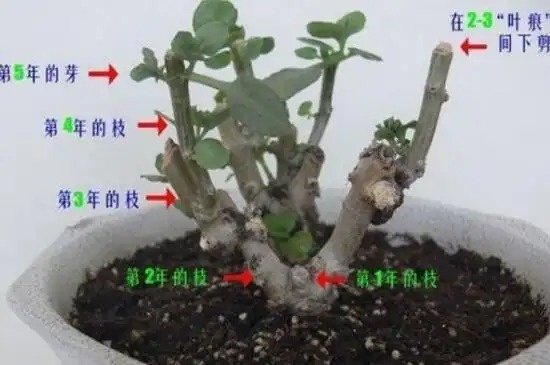
After pinching and topping, prune away some weak and old branches of the kalanchoe, and remove any diseased branches in time. Leave about four strong branches to increase the plant's light exposure, effectively ensuring the kalanchoe has enough nutrients to grow healthier and avoid being attacked by pests and diseases.
3. Shaping and pruning
Pruning is about controlling the overall shape of the kalanchoe, pruning it according to your own wishes to achieve the most satisfactory effect; usually, you need to sort out the overly dense branches to make the kalanchoe look more natural, or you can grind the ends into an arc and then slowly cut it to the bottom to make it look like a ball.