Illustrated guide to pruning chrysanthemums: 4 steps to create beautiful and aesthetically pleasing potted chrysanthemums.
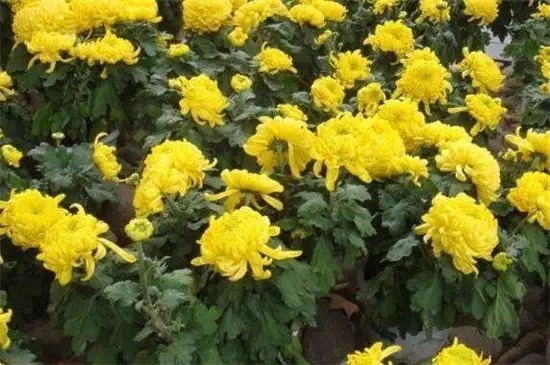
It's really nice to have a beautiful chrysanthemum at home. To grow a good potted chrysanthemum, you need to prune it regularly. The pruning method for chrysanthemums is very simple. In addition to pinching off the tips before the flowering period, you also need to cut off excess flower buds and pinch off axillary buds. After the flowering period, cut the flower branches off from the base so that it can safely overwinter.
I. Chrysanthemum Pruning Methods
1. Timely topping
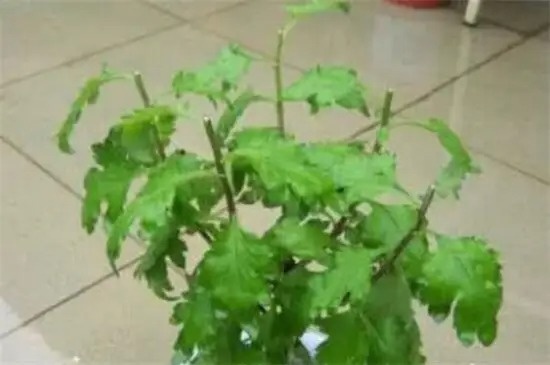
Chrysanthemums need timely pinching during their growing season. This can actually be done when the plant grows to over 10 centimeters tall. Use scissors to cut off any upward-growing shoots. Pinching prevents the plant from becoming too tall. Chrysanthemums are best grown in low pots; shorter plants look the best. When pruning, leave 4-5 leaves and remove the rest.
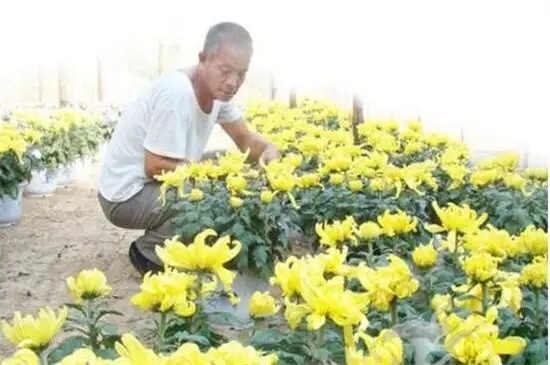
Besides pinching back the shoots after they grow to 10 cm or more to prevent them from growing upwards, you should also pinch back the shoots in August each year, removing the terminal buds of the side branches. This will encourage the growth of more side branches, making the chrysanthemum potted plant more lush. Additionally, you should pinch back the plant before the beginning of autumn each year to ensure the chrysanthemum plant receives sufficient nutrition for its flower buds.
2. Pinch off the axillary bud
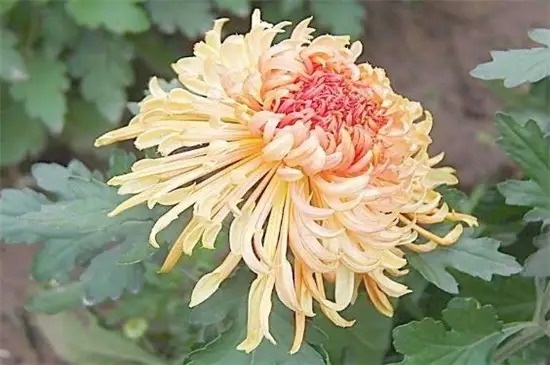
Many flower enthusiasts are unaware of the illustrated method for pruning chrysanthemums. Actually, pinching off the axillary buds is very important. During the vigorous seedling stage, chrysanthemums will grow many small axillary buds. These buds will produce many messy side branches, making the plant look very cluttered. It's essential to pinch them off promptly. However, it's important to note that these small axillary buds should be pinched off with your fingers, not with scissors.
3. Prune flower buds
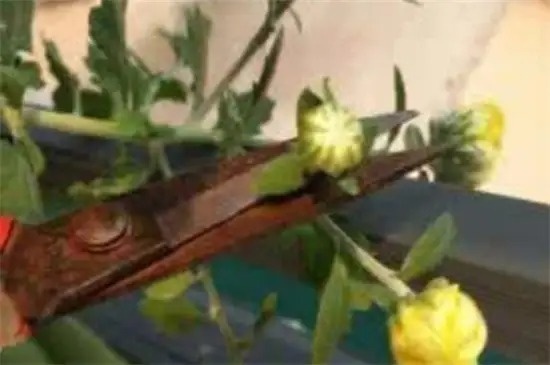
When chrysanthemums are in the budding stage, many lateral buds will always grow on the small branches below the terminal bud. We need to use scissors to remove the lateral buds on the small branches below the terminal bud in a timely manner, ensuring that only one terminal bud is left on each chrysanthemum branch. Alternatively, you can leave a spare bud, but once the terminal bud has begun to show color, you can cut off this spare bud directly.
4. Prune flower branches after flowering.
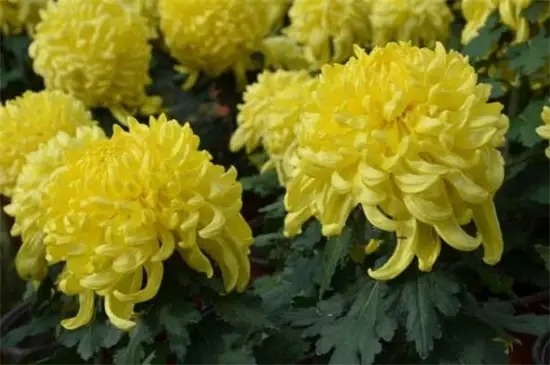
Chrysanthemums require a lot of pruning before flowering, but even after flowering, withered flower branches should be cut off from the base (or cut about 2 cm above the soil surface without affecting the plant). Leaving withered branches will result in a bare and unsightly appearance. Additionally, small seedlings growing at the base do not need to be pruned and can safely overwinter.
II. Precautions for pruning chrysanthemums
1. Pruning time
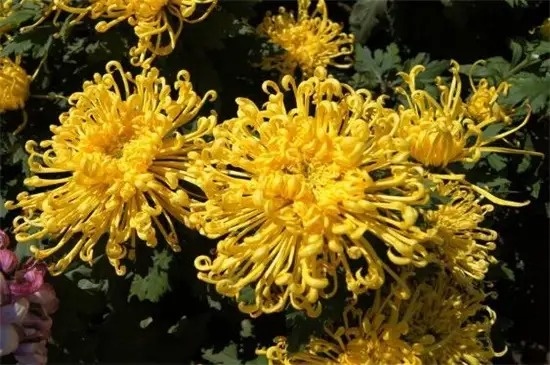
Chrysanthemums can be pruned at various times. Spring is the best time to prune side branches and pinch off the tips. Summer's heat can cause dehydration after pruning, so minimize pruning. In autumn, allow new shoots to dry in the sun to encourage bud formation and pinch off axillary buds; autumn is the optimal time to prune potted chrysanthemums. In winter, avoid pruning except for trimming withered branches to ensure safe overwintering.
2. Trimming tools
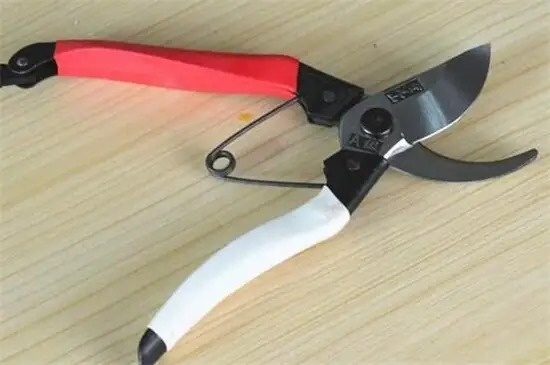
The best tool for pruning chrysanthemums is a professional plant pruning shear. Professional shears are sharper and will not cause additional wounds to the chrysanthemum plants, which will help the plants recover. However, you must disinfect the shears before pruning. Cut off any rusty shears and do not use them, so as to prevent the chrysanthemums from getting infected with germs or bacteria and becoming sick.
3. Pruning environment
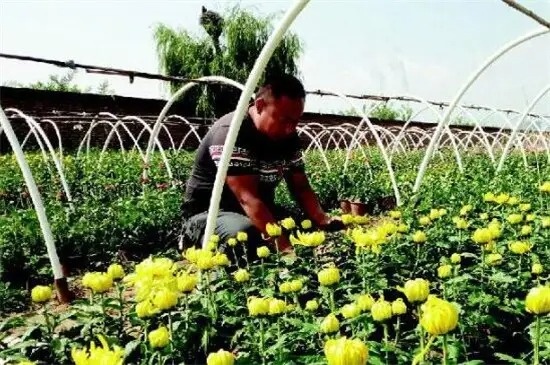
Chrysanthemums are easy to grow, but pruning will inevitably damage the plant to some extent. Therefore, it is essential to prune in a clean, dry, and well-ventilated environment to prevent infection or disease at the cut. Also, always choose a sunny day; avoid pruning during windy, rainy, or snowy weather.
4. Post-pruning maintenance
Chrysanthemums still need care after pruning. Most importantly, reduce watering. Watering immediately after pruning will cause the plant to sprout new buds, negating the pruning's effect. Also, those who like to fertilize should stop now; fertilizing at this time will not only fail to nourish the plant but will have the opposite effect.
In conclusion, through the above introduction, you should now understand how to prune chrysanthemums. Chrysanthemums are easy to grow, but only by pruning them according to the methods described above can you obtain a beautiful and aesthetically pleasing potted chrysanthemum.