If your exercise efforts are stalling, it might not be a plateau. Here are 3 methods to help you overcome it.
Introduction: My best friend used to be a typical chubby girl, 160cm tall and weighing over 130 pounds. Her boyfriend of six years recently proposed, and she accepted. Wanting to be a healthy and beautiful bride, she started her weight loss journey through exercise.
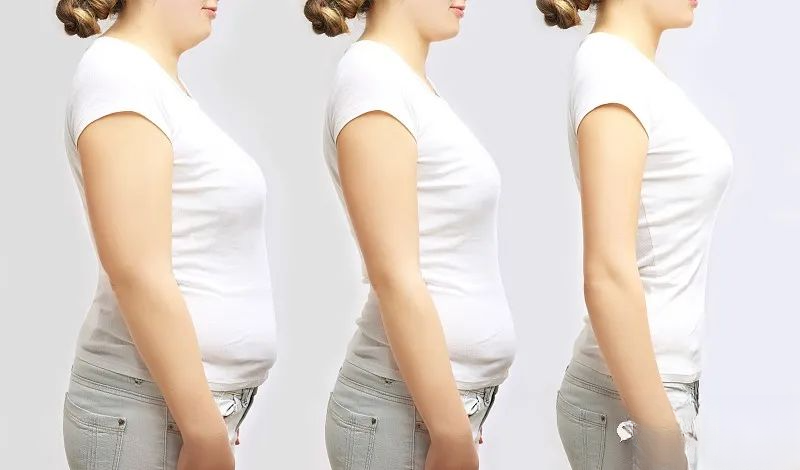
In just over two months, she went from over 130 pounds to 108 pounds – the power of love is truly undeniable. Just when everyone was envious and admiring her, her weight loss journey hit a plateau. No matter how little she ate or how much she exercised, her weight wouldn't go down, and her measurements didn't change. So, Da Liu panicked, worried that she might have hit a plateau in her fitness journey!
Anyone who has tried to lose weight through exercise knows that the initial results are immediate, but gradually, the effects become less noticeable in the later stages, with weight loss slowing down and the reduction in measurements being minimal.
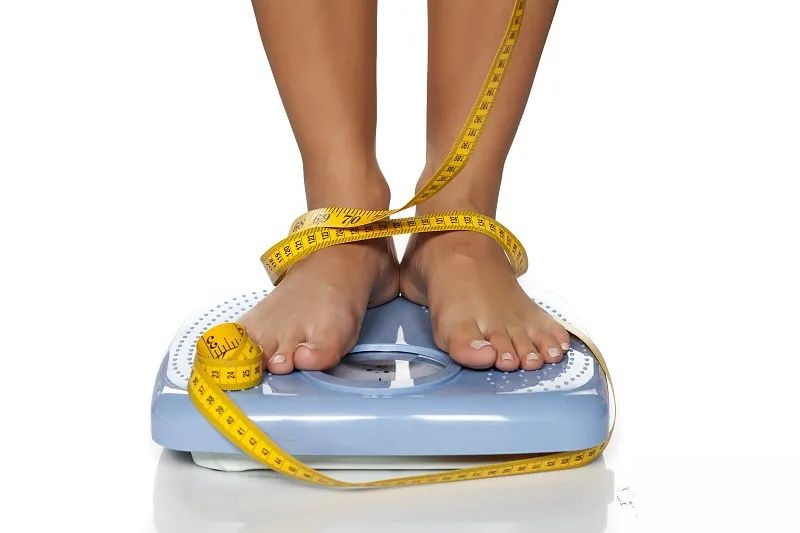
Sometimes I doubt myself. I thought I had won the battle against body fat in the beginning, but then a tug-of-war ensued, and I even hit a plateau. I believe many people, like Da Liu, think that this is a weight loss plateau.
Actually, it doesn't necessarily mean you've hit a plateau. Let's analyze the reasons for and solutions to encountering a stagnation during weight loss.
1. The exercise mode is too monotonous.
Da Liu's weight loss method involved controlling her diet and running, which was very effective in the early stages, resulting in a weight loss of over 20 pounds in just over two months. However, in the later stages, no matter how much she ate less or increased her exercise, there was still no effect.

The reason is this: using the same exercise routine for a long time will cause the body to gradually adapt. It's similar to the concept of drug resistance. Therefore, in the later stages of using only one type of exercise, fat burning will be slower and weight loss will be less significant.
In this situation, you can combine various aerobic exercises, not just running, but also skipping rope, swimming, hiking, etc. This can effectively promote continued fat burning, and you will gradually find that you burn more fat and lose weight effectively.
II. Reduced muscle mass
Everyone knows that aerobic exercise is effective at burning fat, so many people increase their aerobic exercise. However, everything has two sides. Excessive aerobic exercise not only reduces fat but also leads to muscle loss. This creates a chain reaction: muscle loss leads to a decrease in the body's basal metabolic rate.

Basal metabolism plays a significant role. If fat loss is a 100-point test, basal metabolism accounts for 60 to 70 points, while exercise only accounts for about 30 points. Therefore, once basal metabolism decreases, the body cannot effectively burn fat.
In this situation, it's essential to engage in appropriate aerobic exercise. Once your body fat percentage has decreased to a certain level, you should also incorporate strength training. This will not only increase muscle mass but also tone your muscles, achieving two goals at once.
It is generally recommended that aerobic exercise last about one hour and strength training about half an hour, with 3-5 workouts per week.
III. Sleep Quality Issues
Sleep deprivation lowers the level of laptin, a protein in the blood that suppresses appetite, affecting the brain's judgment of food cravings and leading to overeating, especially at night, resulting in the intake of excess calories that are converted into fat.

In addition, insufficient sleep slows down the body's metabolism, leading to fat accumulation. Therefore, to avoid gaining weight, it is essential to ensure adequate sleep.
Solution: Go to bed before 11 PM every day and ensure about 7 hours of sleep.

Conclusion: Exercise is currently recognized as the most scientific method for weight loss. Whether you experience a plateau or a true exercise plateau, maintain a positive attitude, use scientific exercise methods to identify the cause, find the right approach, and achieve your ideal weight loss goal!