Identification of common garden plant diseases and pests and their chemical control methods
Garden plants are susceptible to various natural disasters during their growth, with pests and diseases being particularly common and severe. Mild cases result in stunted growth and development, reducing ornamental value and impacting the garden landscape. Severe cases lead to varietal degeneration, plant death, and diminish the quality and function of green spaces. To effectively enhance the various values of plants, the basic principle of "prevention first, comprehensive control" should be implemented, ensuring "frequent observation, early detection, and early treatment" to prevent large-scale outbreaks .
1. Prevention First: This means taking effective measures to control pests and diseases before they occur, based on their occurrence patterns. Integrated pest management, which enhances plant resistance through rational fertilization, fully utilizes various factors that suppress pests and diseases, creates conditions unfavorable to their occurrence and damage, and organically adopts all necessary control measures.
2. Integrated pest management: Physical, biological, and chemical control measures implemented during the pest and disease outbreak period are collectively referred to as integrated pest management.
3. Chemical control: This is the main measure for controlling pests and diseases in integrated pest management, and the scientific use of pesticides is an important guarantee for improving the control effect.
- 1) Treat the symptoms: Treat the symptoms according to the target of prevention and control, the properties of the pesticide, and the method of application, and carry out effective prevention and control.
- 2) Apply pesticides at the appropriate time: Pay attention to the observation and understanding of the patterns of pests and diseases and apply pesticides at the appropriate time to achieve good control results.
- 3) Alternate pesticide use: Long-term use of a single pesticide can easily lead to pesticide resistance in pathogens and pests, thereby reducing the effectiveness of control. 4) Safe pesticide use: Strictly control the concentration of various pesticides and the amount used to prevent phytotoxicity.
Common Diseases: During their growth and development, garden plants may experience discoloration, deformity, rot, or even partial or complete death when subjected to external factors that exceed their adaptive capacity . Urban garden plant diseases can be broadly categorized into four types : fungal diseases, viral diseases, bacterial diseases, and nematode diseases .
1. Control of fungal diseases:
There are more than a dozen common fungal diseases in plants, all of which can have a significant impact on plant growth and, in severe cases, lead to plant death.
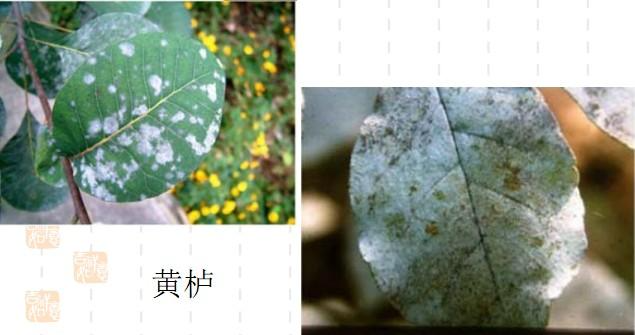
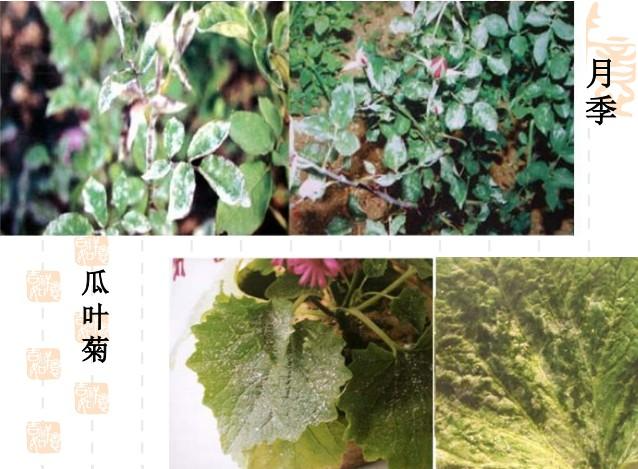
Powdery mildew: A white powdery mold layer appears on the surface of the leaves. In severe cases, the entire leaf and new shoots are covered with white powder, after which the leaves wither and fall off. It affects lawns, large-leaved boxwoods, smoke trees, roses, milan, and Murraya paniculata, among other plants.
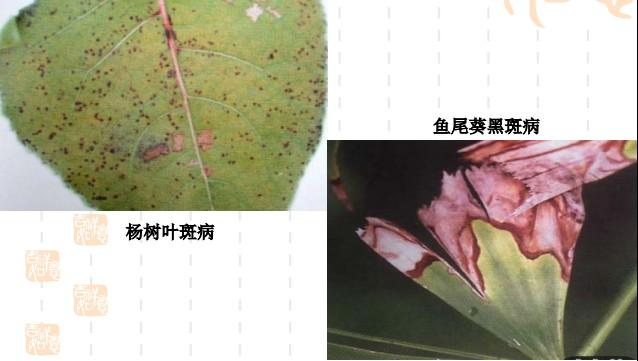
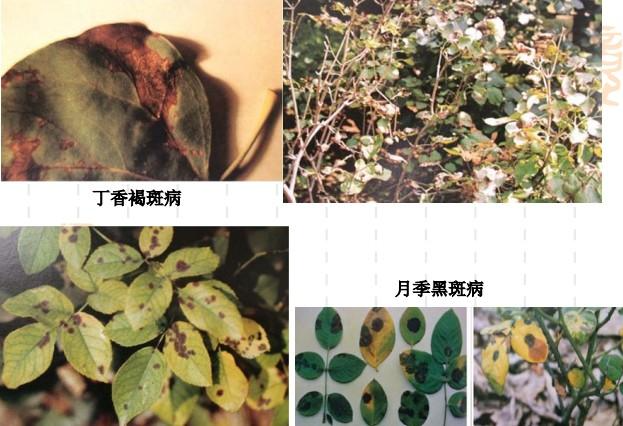
Leaf spot disease: Irregular, elongated light reddish-brown spots appear on the leaves, surrounded by a chlorotic ring. Later, the spots expand into large, irregular patches, and black dots appear on the spots.
Gray mold: mainly occurs on flowers, fruits, and young shoots. The affected parts turn brown and soft rot, and a gray mold layer appears when it is humid. Low temperatures and rain in spring easily lead to the occurrence of this disease.
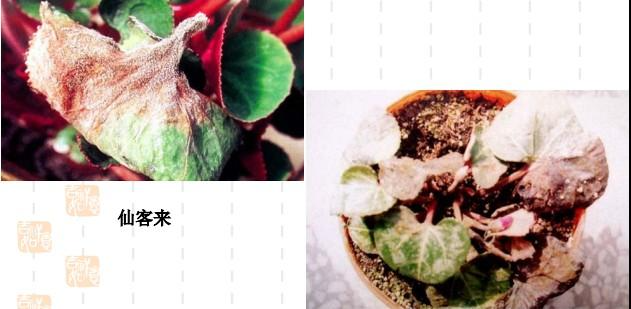
Control methods: For diseases such as powdery mildew, leaf spot, and gray mold, spray with 65% zineb at a dilution of 600 times before the onset of the disease for protection; at the initial stage of the disease, spray with 50% carbendazim, or 50% thiophanate-methyl at a dilution of 500-800 times, or 50% thiophanate-methyl at a dilution of 1000 times, or 75% chlorothalonil at a dilution of 600-800 times, once every 10 days or so, for 3-4 consecutive sprays; combine with pruning to remove diseased branches, buds and leaves to reduce the source of infection.
Rust disease: A rust-like mold layer first appears on the back of the leaves. After rubbing it with your hand, rust-colored powder will be left on your fingers. Later, the entire leaf will be covered with rust-like powder.
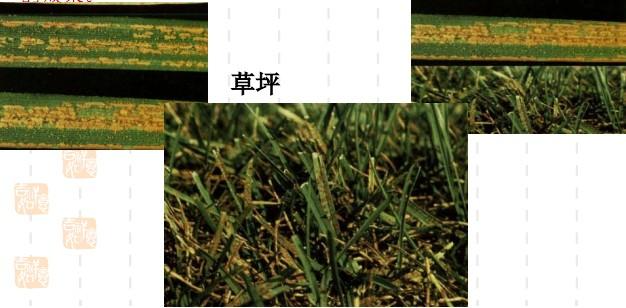
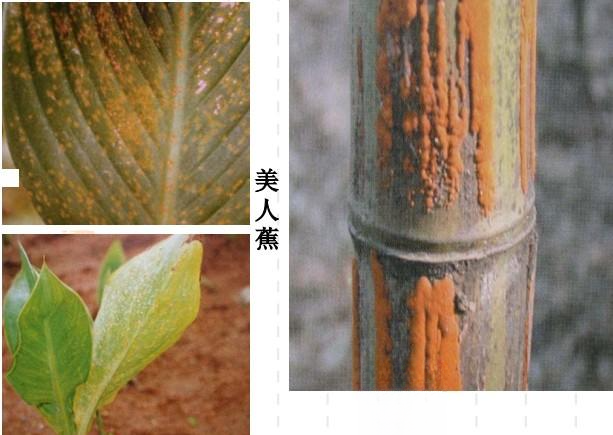
Control methods: Spraying 25% chlorpyrifos at a dilution of 1500 times, or spraying sodium chlorate at a dilution of 250-300 times, or lime sulfur mixture at a Baume degree of 0.2-0.3 degrees during the growing season will have good effects.
Damping-off and root rot: Damping-off and root rot often occur during the seedling stage, and newly planted seedlings should be carefully maintained.
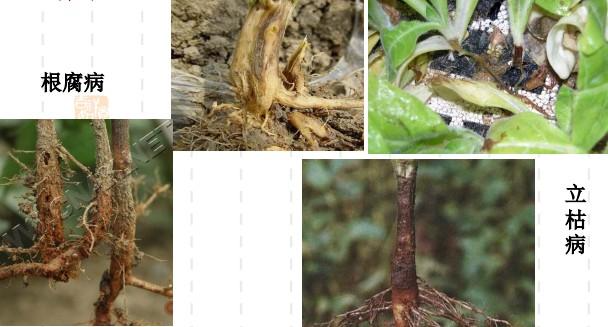
Prevention and control methods: Soil disinfection should be carried out by treating the soil with 1% formalin or steaming the potting soil in a pot for 1 hour; at the early stage of the disease, the soil should be treated with 50% formalin solution or 70% chloronitrobenzene; before planting, soak the soil in 500 times dilution of 70% methyl thiophanate for 10 minutes.
Sooty mold: The mycelium is tightly interwoven on the leaf surface in a spiderweb-like pattern, colorless or brown to dark brown, with small spines. The spines are cylindrical, unbranched, straight or slightly curved, with blunt, rounded tips, black and opaque, but nearly transparent at the top. The ascothecia are nearly clustered, flattened-globose, with inconspicuous pores. When dry, the top is concave, smooth, nearly leathery, and black.
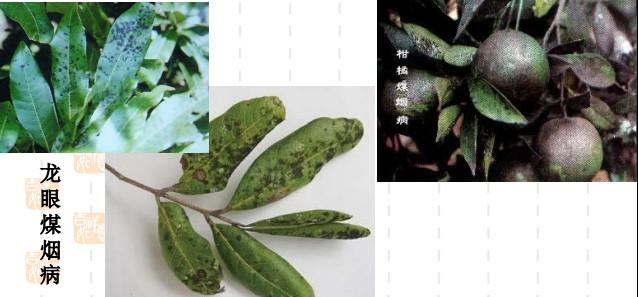
Prevention and control methods: After the disease occurs, wipe the affected branches and leaves with clean water and spray with 50% carbendazim solution diluted 500 to 800 times.
2. Viral diseases:
The symptoms are often complex due to multiple viral infections. They can be divided into the following four types: ① Mottled type ② Yellowing type ③ Necrosis type ④ Deformed type: Diseased fruits show mottled patterns of dark green and light green, or yellow-green mottled patterns; the fruits are deformed, and the surface is uneven. Diseased fruits easily fall off.
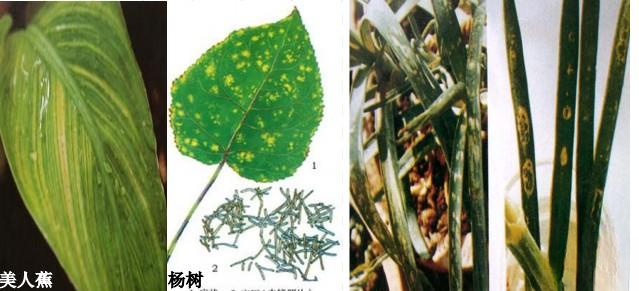
Control methods: Spray with 40% dimethoate EC at a dilution of 1000-1500 times in a timely manner to kill aphids, whiteflies, etc., and then use 32% nucleoside·bromo·morpholine guanidine. Remove and destroy diseased plants in time. Wash hands and tools that have come into contact with diseased plants with soap and water to prevent human-to-human transmission.
3. Control of bacterial diseases
Soft rot: Soft rot caused by bacteria often produces a foul odor due to the decomposition of protein glue by accompanying bacteria, which generates indole. As the rot spreads upwards from the roots, the head rots from the inside out, turning into a milky yellow, muddy substance with a foul smell, ultimately rendering it unmarketable. Because the tissues become brittle after the roots and stem base are affected, the head easily falls off and collapses at the slightest touch; in the late stages of the disease, the plant will even collapse on its own. During storage, the head is prone to detachment or rotting, and the veins of affected leaves turn dark brown.
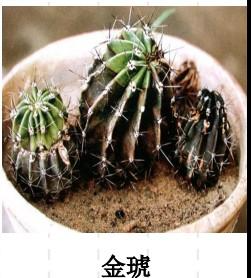
Prevention and control methods: Disinfect the storage site with 1% formalin solution and pay attention to ventilation and dryness; control pests in a timely manner, starting from early spring, use pesticides such as phoxim to control underground pests; after the onset of the disease, irrigate the soil around the roots of the diseased plants with 600 to 800 times diluted dichlorvos solution.
Crown gall: Crown gall, also known as root crown disease, mainly occurs at the root collar, but can also occur on the roots and above-ground parts. In the early stages, small, nearly circular nodules appear, which gradually enlarge and harden, becoming rough, cracked, and changing color from light brown to dark brown or blackish-brown. The interior of the nodules becomes woody. The nodules vary in size, some as large as a fist or larger, and the number can range from several to more than a dozen. Because the root system is damaged, the disease causes slow growth, and in severe cases, the entire plant dies. Besides cherry blossoms and roses, this disease can also affect more than 300 species of plants, including dahlias, lilacs, begonias, geraniums, roses, plum blossoms, as well as forest and fruit trees.
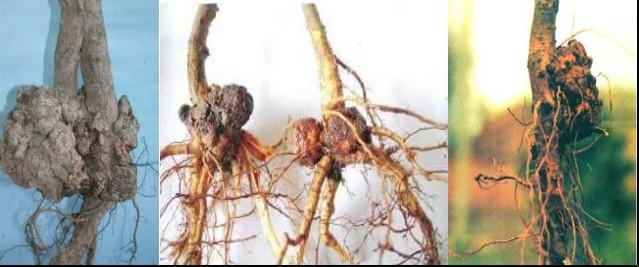
Control methods: Select disease-resistant varieties or practice crop rotation when planting, or treat the soil with pentachloronitrobenzene, mixing 6 to 8 grams of 70% powder with 0.5 kg of fine soil per square meter and turning it into the soil. After the onset of the disease, immediately remove the galls and disinfect with 0.1% mercury solution.
4. Nematode disease:
The specific symptoms vary depending on the species, the affected parts of the plant, and the host plant. Most plant nematodes damage the underground parts of plants, such as roots and tubers. For example, potato root rot is caused by potato stem nematodes feeding on the roots, creating wounds and resulting in yellowing leaves, stunted growth, and malnutrition in the above-ground parts. Root symptoms may include: ① gall formation. ② necrosis. ③ short, thick roots. ④ bushy growth.
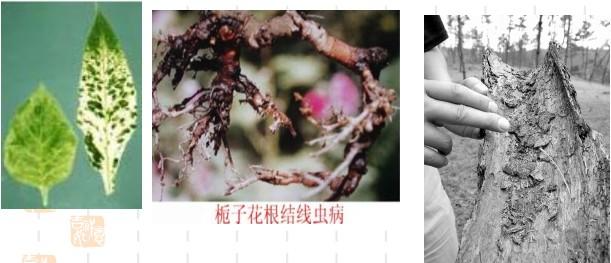
Prevention and control methods: (1) Soil disinfection: Heat the potting soil for 2 hours to disinfect it. (2) Hot water treatment: Soak the diseased parts used for reproduction in hot water (50-55℃, soak for 5-10 minutes) to kill nematodes without harming the host. (3) Chemical control: Apply 25 grams of 3% Furadan granules per square meter evenly into the soil, cover with about 10cm of soil, and water thoroughly. The effective period is up to 45 days, and it can also control aphids, spider mites, scale insects, and other underground pests.
Common garden plant pests:
There are many types of pests, they cause serious damage and are difficult to control, especially the five small pests in the garden industry, namely scale insects, aphids, mites, thrips and whiteflies . They are small in size, reproduce rapidly, and have special ways of causing damage, making them particularly difficult to control.
Scale insects :
- 1. Common Species: Common species of scale insects include woolly scale, cottony cushion scale, brown round scale, grass scale, Comstock mealybug, mulberry white scale, and water-wood scale.
- 2. Biological characteristics: Scale insects are piercing-sucking pests. They are small and often covered with waxy secretions. After the larvae hatch, the waxy layer gradually forms, so the best time for control is during the hatching period.
- 3. Symptoms of damage: It mainly harms the leaves, branches, and other tissues of flowers and trees, sucking their sap and causing yellowing and deformities of branches and leaves, as well as poor growth. Its secretions and excretions can also easily lead to diseases such as sooty mold, which can cause the death of plants in severe cases.
- 4. Occurrence pattern: 4 to 5 generations per year, occurring in mid-March, early to mid-May, late July to early August, mid to late September, and mid-October.
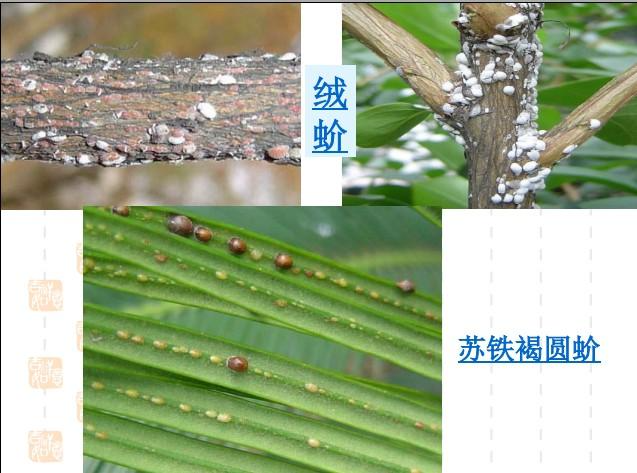
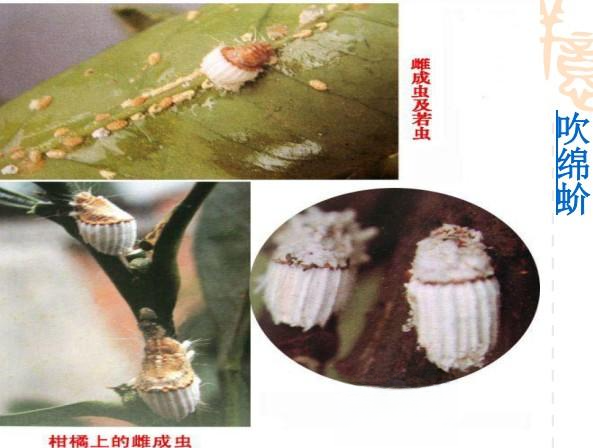
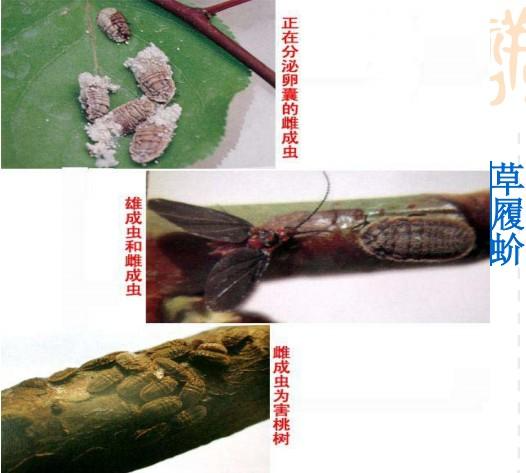
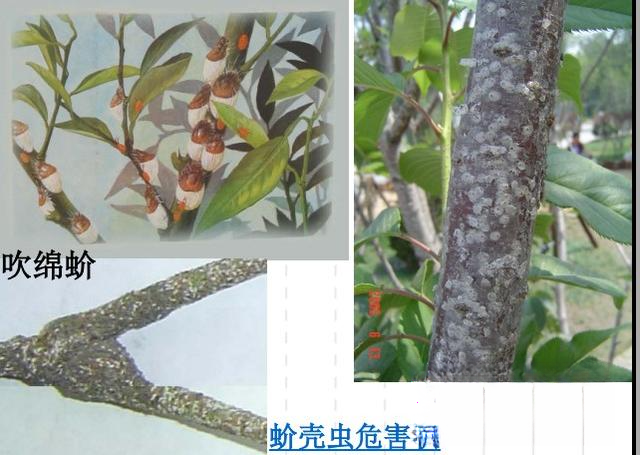
Prevention and control methods:
Horticultural control: (1) Whitewash the tree trunks in winter, generally to a height of 1.1 to 1.2 meters, which can achieve a good control effect. (2) Prune the affected plants in time, remove the egg sacs, and brush them off with a brush dipped in clean water or 30# machine oil emulsion, laundry detergent water, etc., and ventilate frequently. (3) Scrape off the overwintering scale insects on the branches in winter. From mid-March to early April, use a stiff brush or wire brush to brush off the overwintering larvae on the dead branches.
Chemical control: (1) Spray with 40% EC of Supusha, Sujiesha, or 750-1000 times dilution of Jiebizhi; (2) For scale insects on large trees, use direct-insertion tree insecticides or deliver Jiebizhi to various parts of the tree via intravenous infusion.
Aphids :
- 1. Common species: Common and important species include cotton aphid, peach aphid, peach powder aphid, locust aphid, cypress aphid, etc.
- 2. Biological Characteristics: Aphids are common pests of flowers and trees, possessing piercing-sucking mouthparts. They often live in groups of dozens or even hundreds, feeding on leaves, tender stems, new buds, and young leaves. They can be divided into winged and wingless aphids, with winged aphids causing more severe damage. Most male and female aphids are wingless, with a small number of winged males, and the majority of females are winged. Due to their rapid reproduction, quick maturation, and unique lifestyle, they are difficult to control.
- 3. Symptoms of Damage: Aphids primarily damage the tender parts of plants. Damage caused by aphids often results in deformed branches and leaves, spots, leaf curling, wrinkling, and slow growth. In severe cases, it can lead to leaf drop and even death. Furthermore, the honeydew secreted by aphids can easily induce sooty mold. Additionally, aphids can transmit other plant viruses, causing viral diseases.
- 4. Occurrence Pattern: Aphids occur year-round, but generally reproduce fastest at around 29℃. Infestations are more severe under high temperature and dry conditions, with peak occurrences around May (around the time of wheat harvest) and from June to August.
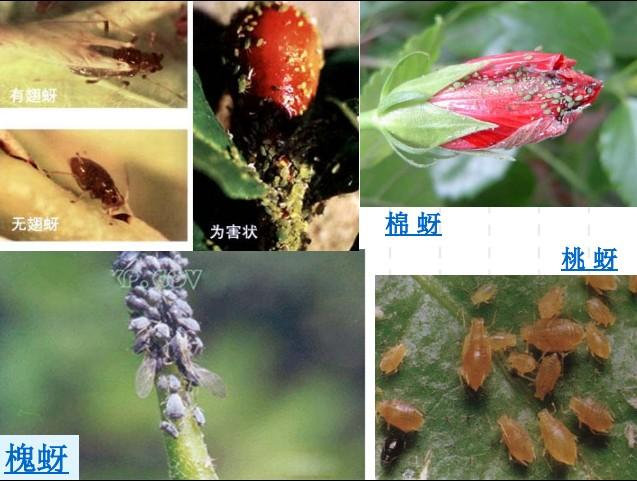
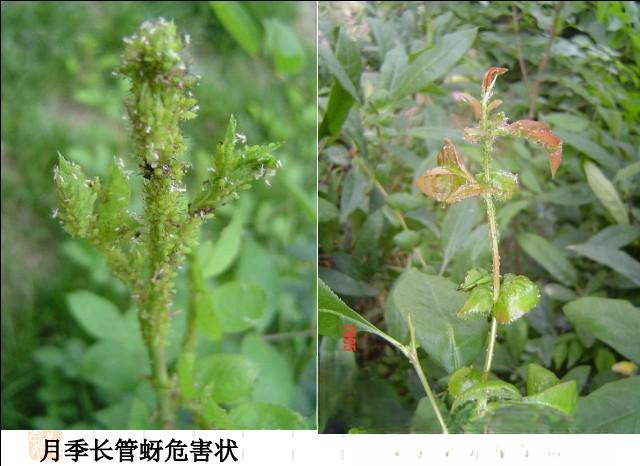
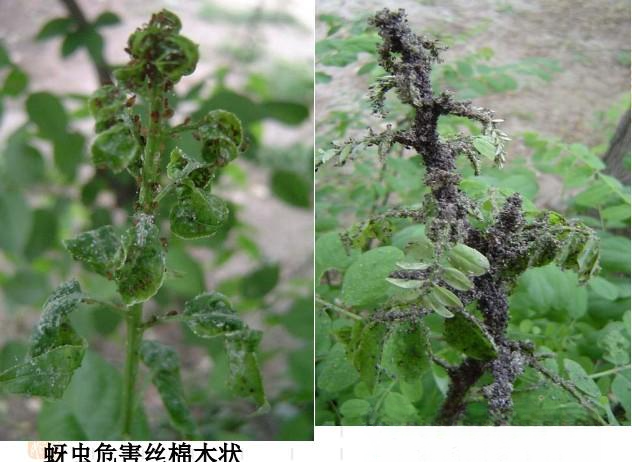
Prevention and control methods:
Horticultural control: (1) From winter until the overwintering eggs hatch, manually brush away the insect eggs from cracks and scars below 2 meters in the tree trunk, then collect and burn or bury them deeply to eliminate a large number of overwintering insect sources. (2) When the number of insects is small, they can be rinsed with clean water. (3) Yellow sticky traps: Winged aphids are strongly attracted to yellow and orange-yellow colors. Apply No. 10 machine oil or petroleum jelly to the surface of yellow sticky traps and place them near the flowering plants to attract aphids.
Prevention of natural enemies.
Chemical control: Spray with a 1000-fold dilution of dichlorvos, high-efficiency cypermethrin, or chlorpyrifos.
Mites :
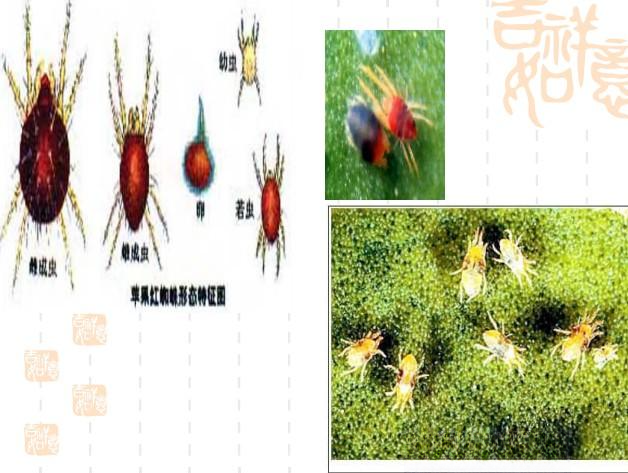
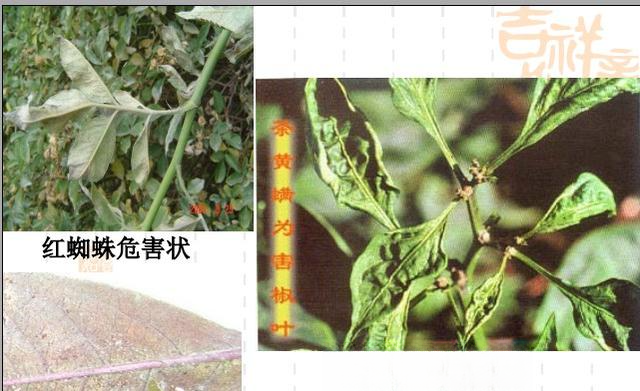
- 1. Common species: Common species include red spider mites and yellow spider mites.
- 2. Biological characteristics: Piercing-sucking pests, including summer mites and winter mites. Summer mites are mainly distributed on both sides of the main vein and are covered with spider webs; winter mites mainly overwinter on branches and trunks. They mainly damage the tender leaves of 2-3 year old branches of plants, often feeding on the underside of leaves.
- 3. Symptoms of damage: Nymphs and adults pierce and suck sap from the undersides of leaves. Affected leaves lose their green color, appearing as pale white spots and patches, which gradually turn yellowish-brown. In severe cases, the leaves turn rusty brown, resembling a burnt appearance. Furthermore, they can transmit various pathogens, causing viral diseases.
- 4. Occurrence Pattern: Common mites typically have about 10 generations per year, overwintering as adult females (or eggs) in soil crevices, weeds, bark cracks, and fallen leaves. Outbreaks are common during hot, dry seasons. Red spider mites: They begin to become active (or hatch their eggs) in early April of the following spring after temperatures rise. A large number of winter eggs hatch at 12℃, with 25-32℃ being the optimal temperature. Reproduction is inhibited at 38℃. Yellow spider mites: They begin to hatch and reproduce in large numbers when temperatures are above 3℃. Damage increases with rising temperatures, and reproduction is inhibited at 36℃.
Prevention and control methods:
Horticultural control: (1) Strengthen cultivation management and enhance tree vigor. (2) From the beginning of winter until the winter eggs hatch, use a coarse brush to brush the cracks in the old bark and whiten the trunk with lime water. Then, deeply turn over the soil to bury the overwintering adults and eggs in the cracks in the bark, soil clods, and fallen leaves, thereby reducing overwintering pests. (3) Observe carefully and discover them at any time. When the number of mites is small, use clean water to spray the back of the plant leaves with high pressure.
Chemical control: Spray with 5% abamectin, 5% emamectin benzoate, abamectin, or trichlorfon diluted 1000-2000 times.
Thrips :
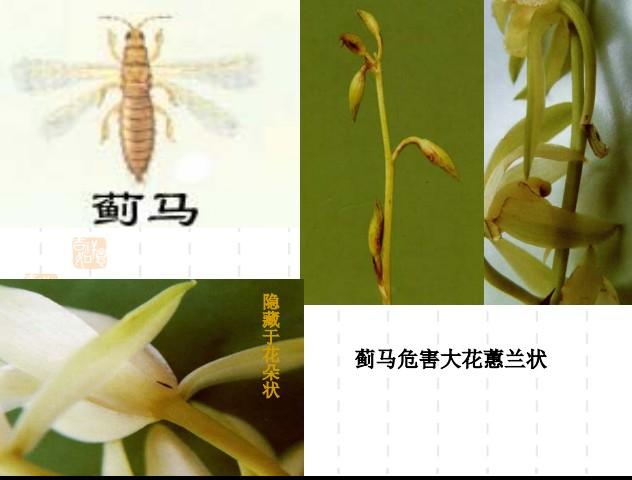
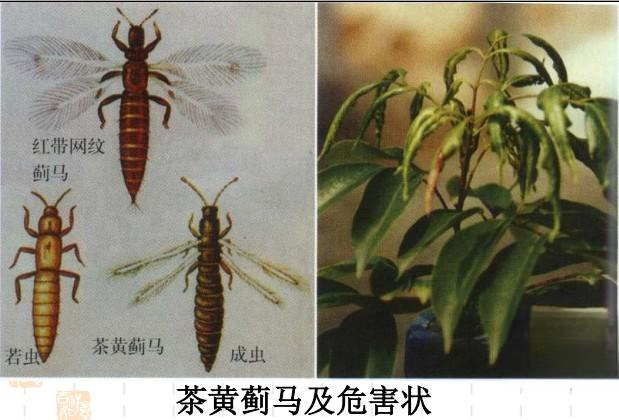
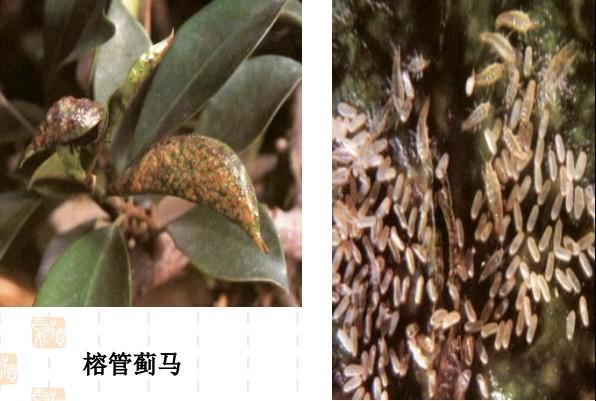
1. Common Species and Damage Symptoms: Thrips belong to the order Thysanoptera. Common species include rice thrips, tea thrips, and fig thrips. Adults and nymphs mainly feed on flowers and leaves. Affected areas appear grayish-white or silvery-gray. Severely infested leaves curl longitudinally upwards like dumplings, becoming brittle but not falling off. Damaged flowers rot in a sieve-like pattern.
2. Occurrence Pattern: Thrips generally thrive at temperatures between 20-30℃. Adults overwinter as nymphs, hiding in soil clods, crevices, and among dead branches and fallen leaves. A few overwinter as nymphs. They emerge to the ground the following year when temperatures rise to 12℃, and there are 6-10 generations per year. The most severe damage occurs in spring and summer.
Prevention and control methods:
Horticultural control: In early spring, remove weeds and dead branches and leaves, and burn or bury them deeply to kill overwintering adults and nymphs. Strengthen fertilizer and water management to promote vigorous plant growth and reduce damage.
Chemical control: Spray with acetamiprid, chlorpyrifos, chlorpyrifos, or chlorpyrifos at a dilution of 800-1000 times.
Whiteflies :
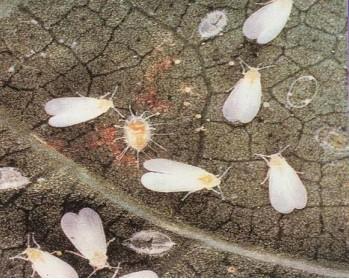
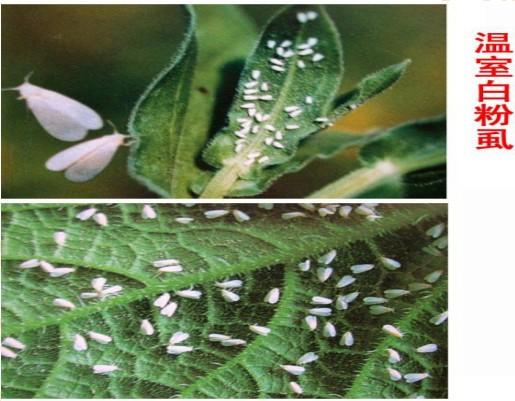
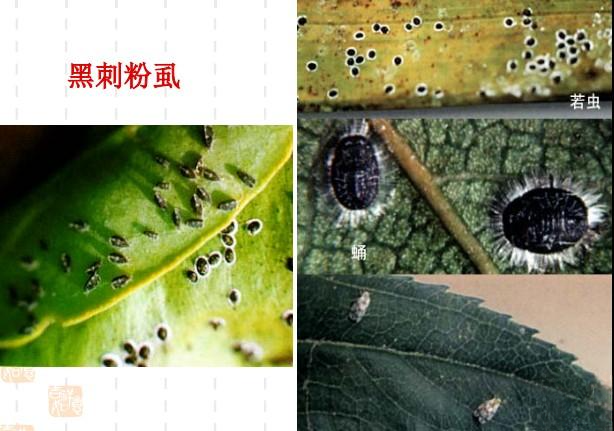
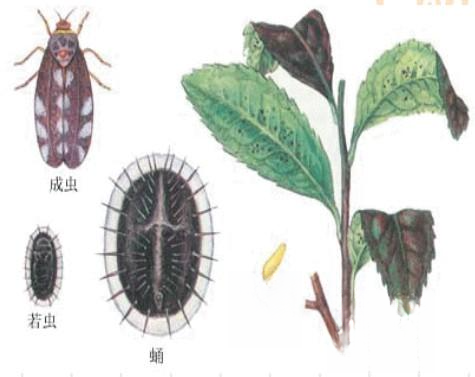
1. Common Species and Damage: Whiteflies belong to the order Hemiptera, family Amyliidae. Common species include the greenhouse whitefly (white spot whitefly) and the black spiny whitefly. Adults and larvae congregate on tender branches or the undersides of plant leaves, sucking sap, causing leaves to turn yellow and wither, branches to dry out, and even death. In addition, large amounts of excrement or secretions can easily lead to sooty mold.
2. Occurrence Pattern: Whiteflies are a year-round pest in both southern and northern greenhouses. They have 9-10 generations per year, with overlapping generations. Adults are generally not very active. However, in warm, sunny conditions, they can fly randomly among plants and may swarm if disturbed. They often congregate on the undersides of leaves and are attracted to yellow. Black spiny whiteflies have four generations per year, overwintering as older larvae or pupae on the undersides of infested leaves. The four nymphal emergence periods are late April to early June, mid-June to late July, early August to mid-September, and late September to March of the following year, respectively.
Prevention and control methods:
Horticultural control: (1) Yellow sticky traps: For greenhouse whiteflies, their attraction to yellow can be used to trap and kill them by hanging yellow paper soaked in poison or coated with oil in different directions inside the greenhouse. (2) Remove weeds frequently inside and outside the greenhouse and ventilate regularly to allow light to pass through.
Chemical control: Use 1000 times dilution of 80% dichlorvos EC, 40% dimethoate EC, 50% phosmet EC, 50% malathion EC, 25% fenvalerate EC, or 50% fenitrothion EC; or 3000-4000 times dilution of 20% imidacloprid concentrate.