How to prune osmanthus trees to encourage more blooms: A complete guide to pruning osmanthus trees.
The fragrance of osmanthus blossoms fills the air in August, a time for Mid-Autumn Festival. Enjoying mooncakes and admiring osmanthus flowers is one of life's greatest pleasures. There are several varieties of osmanthus, and osmanthus flowers can be used to make tea, desserts, and more. How can we increase the yield of osmanthus? How should we prune osmanthus trees to encourage more blooms? Many people don't know that osmanthus trees also need pruning. In fact, pruning osmanthus trees is quite an art. It involves pruning dense branches, overlapping tender branches, horizontal branches, inner branches, and parallel branches, including the top.
I. Pruning methods for osmanthus trees with abundant blooms
1. Prune dense branches
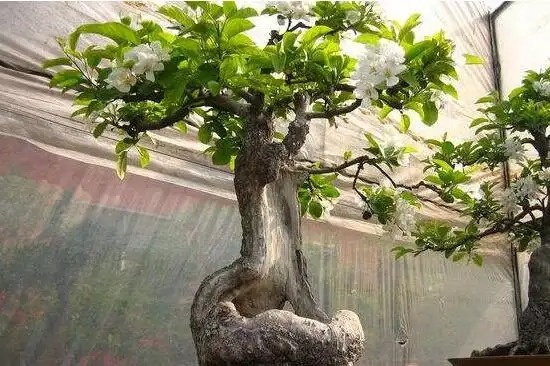
Osmanthus trees branch out relatively quickly, usually with large branches covering smaller branches, resulting in dense growth. When pruning, dense branches on strong branches should be removed. Some branches are very fleshy and small, serving no other purpose than absorbing nutrients. They should be removed without hesitation during pruning to reduce nutrient loss and prevent the branches from becoming too dense, thus promoting ventilation and light penetration.
2. Prune overlapping tender branches
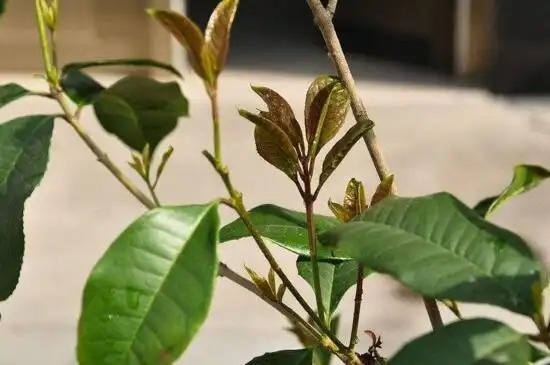
When pruning osmanthus trees, the first step is to prune the main branches. A main trunk will produce new shoots at different times, but these shoots should not be developed into lateral branches for shaping; instead, they will negatively impact the plant's shape and compete with the lateral branches for nutrients. Therefore, any new shoots on the main trunk, especially those growing overlapping, should be removed promptly.
3. Prune inward-growing branches.
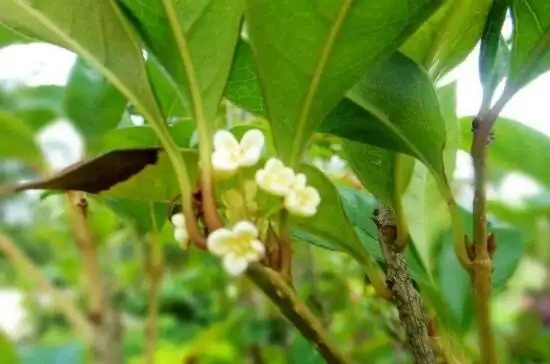
Osmanthus trees have many horizontal branches. These branches not only absorb nutrients, but their dense growth also affects the plant's light penetration and ventilation. They should be pruned appropriately according to the desired shape. In addition, it is recommended to remove all inward-growing horizontal branches. These inward-growing horizontal branches, which grow inside the plant, intertwine and greatly affect the plant's growth and later flowering. Therefore, it is best to remove them all.
4. Prune the inner branches
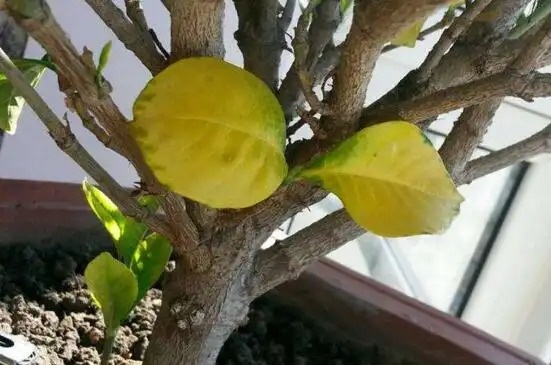
Inner branches also grow inside the plant. They are similar to horizontal branches, but not exactly the same. Some inner branches have a certain pathway, which can increase the roundness of the plant. Therefore, inner branches should be pruned appropriately. They should not be completely removed. Some healthy ones should be left so that they can be shaped.
5. Prune parallel branches
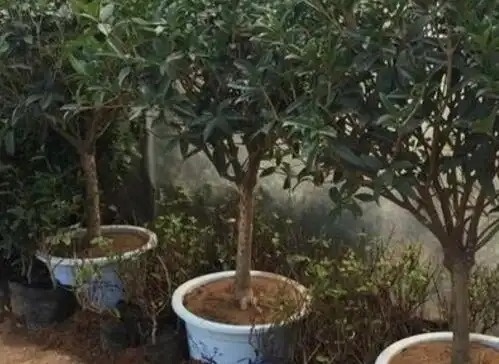
The parallel branches of osmanthus do not refer to balancing the tree. They are two parallel branches growing at close intervals on a single branch. For branches with the same shape, only one needs to be retained; the other branch or lateral branch can be pruned. This will make the entire plant appear more balanced in density, with the branches neatly arranged, and the saved nutrients can be used to support the better growth of other branches.
6. Trim the top
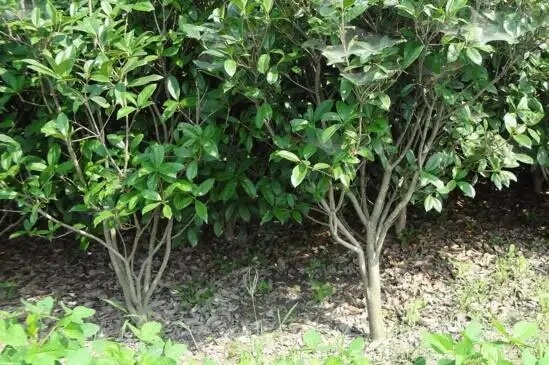
Pruning the top of an osmanthus tree primarily controls its height. Additionally, it removes closely spaced branches sprouting from the top. These closely spaced branches, once grown, can form a large umbrella that shades the entire plant, affecting sunlight exposure and hindering flowering. Controlling the plant's height enhances its ornamental value and prevents excessive growth.
II. Cultivation Methods for Osmanthus Potted Plants
1. Soil
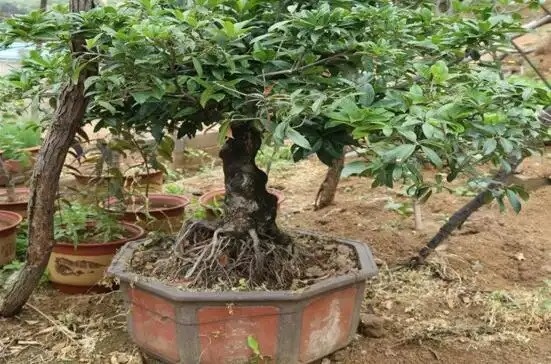
Osmanthus prefers slightly acidic soil, which must be fertile and well-aerated. Good drainage is also essential. A mixture of mountain soil, humus, and garden soil is suitable, as is a mixture of garden soil, manure, and river sand in equal proportions. Soil requirements are crucial; without proper soil preparation, the methods described above for pruning osmanthus to encourage abundant flowering will be impossible to implement.
2. Temperature
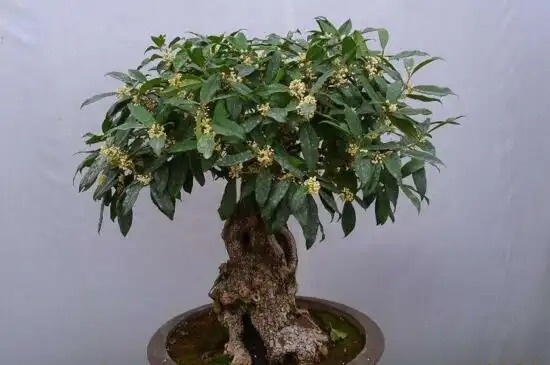
The optimal temperature for osmanthus growth is 25℃~28℃. Summer temperatures exceeding 30℃ are unsuitable for its growth, and it will gradually enter a dormant period. Winter temperatures should not fall below -6℃, otherwise the plant will be damaged by frost. Spring and autumn are more suitable for osmanthus growth.
3. Fertilizing
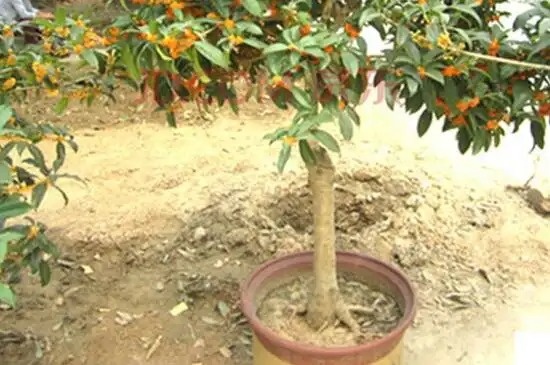
Osmanthus is a plant that thrives on fertilizer, so a large amount of base fertilizer should be added during planting, and it also needs to be fertilized frequently during cultivation. During the vigorous growth periods in spring and autumn, fertilize every 7 to 10 days, mainly with diluted, well-rotted liquid fertilizer. In addition, phosphorus and potassium fertilizer should be added to promote the growth of branches and leaves. Apply dry fertilizer once before flowering and once after flowering.
4. Repotting
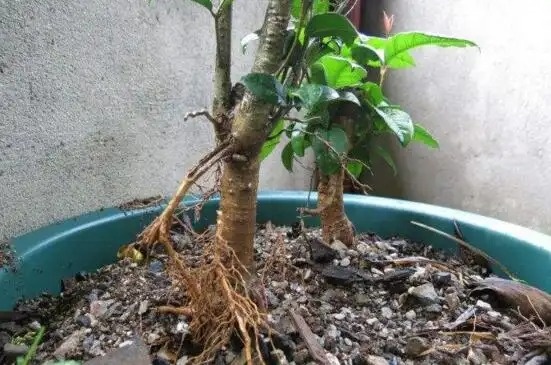
Potted osmanthus needs to be repotted once a year, usually around the Spring Festival. When repotting, the soil should be replaced. The new soil is loose, well-draining, and provides better nutrients. While repotting, check the roots of the osmanthus and prune them appropriately, removing overly dense roots and old roots.
III. Precautions for Cultivating Osmanthus
1. Soil pH
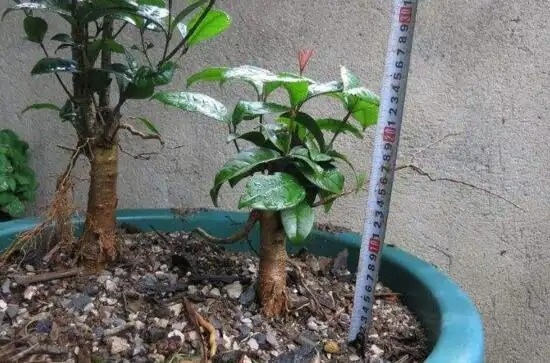
Do not use alkaline soil to cultivate osmanthus trees. If the soil is too alkaline, the leaves of the osmanthus will turn yellow and wither, and in severe cases, the entire osmanthus tree will die. The soil pH should be maintained between 5.5 and 6.5 when cultivating osmanthus trees.
2. Watering
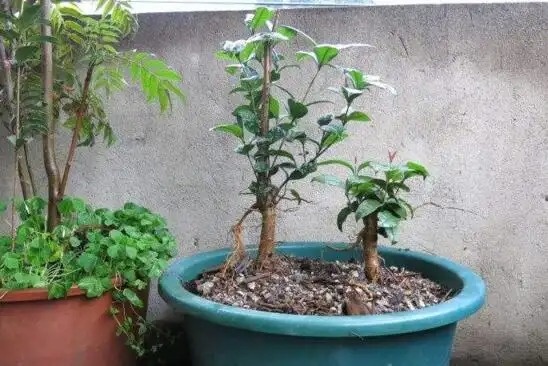
When watering an osmanthus tree, water it thoroughly each time. Do not leave it half-wet while the bottom half remains dry. If the roots don't absorb enough water, it will hinder the plant's growth, with the most obvious symptom being leaf edges withering and falling off. Water thoroughly each time, ensuring water drains from the bottom of the pot. Regularly check the drainage of the osmanthus tree; waterlogging can easily lead to root rot.
3. Temperature control
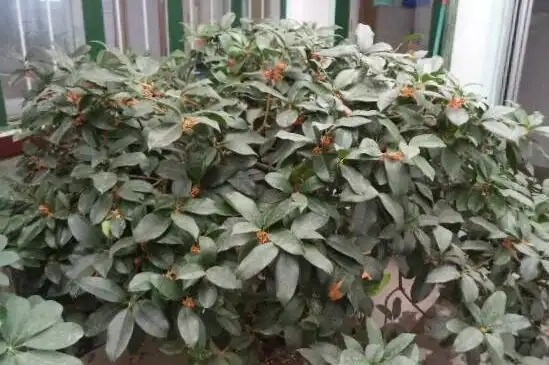
Osmanthus trees are drought-tolerant. When growing them indoors, the indoor temperature should not be too high in winter, generally between 2℃ and 4℃ is sufficient. This is because winter is the dormant period for osmanthus trees. If the room temperature is high, they will sprout new buds, prematurely consuming nutrients, and the plant will not grow. Therefore, it is important to control the temperature in winter.
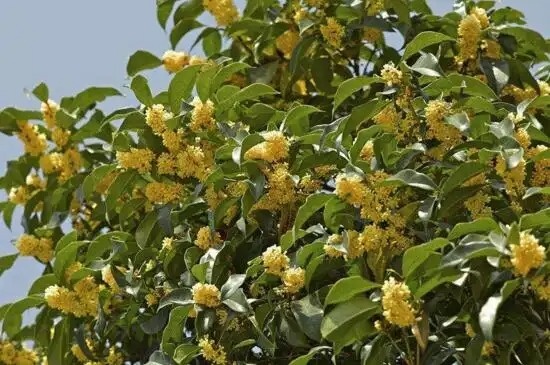
In conclusion, many factors influence the flowering of osmanthus trees. Even if the growing conditions are met, pruning is still important. The quality of pruning directly affects the amount of flowering. Therefore, flower enthusiasts who don't know how to prune should read this article.