How to prune orchid flower stalks after flowering? Here are two methods to encourage vigorous growth and abundant blooms every year.
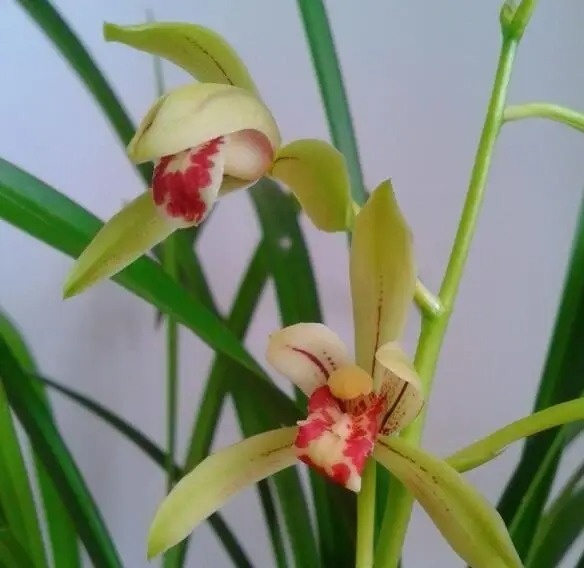
Since ancient times, Chinese people have regarded orchids as a symbol of "nobility and elegance." If we truly want to cultivate orchids well, we need to master and understand some techniques. After an orchid blooms, how should we prune its flower stalks? Here are two methods; if pruned correctly, it will grow wildly within a year, blooming profusely year after year—it will be no problem at all.
First: Pruning the flower stalk. After the orchid blooms, we need to prune the flower stalk promptly. For example, after cutting off the flower stalk, we should cut the base of the stalk away from the flower stalk. This pruning helps to concentrate nutrients to the orchid plant. At the same time, we can also remove any overgrown branches, diseased branches, dead branches, and diseased or withered leaves. After pruning, we need to disinfect the pruning wounds to prevent infection by other bacteria. The pruning method is also very important. When pruning leaves, we need to cut at a 45-degree angle, not horizontally.
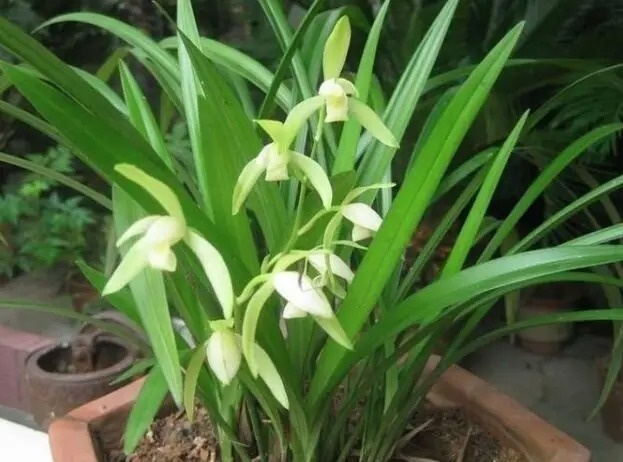
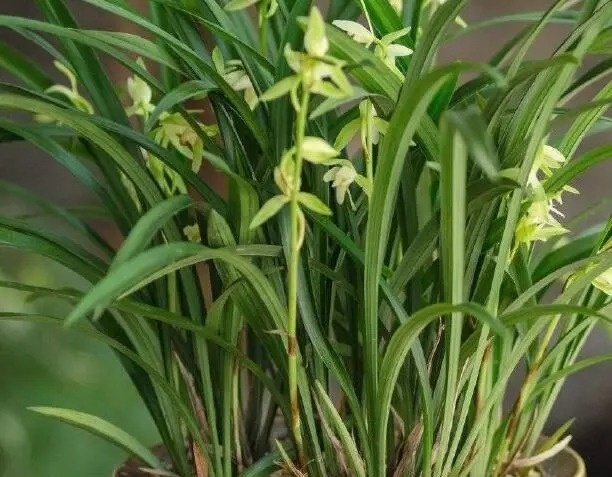
Post-flowering care. After pruning the flower stalks, we need to understand that orchids are plants that thrive on fertilizer. Therefore, after the flowering period, we can add fertilizer promptly. It is recommended to add a diluted, well-rotted organic fertilizer solution (about 15%) every two weeks. Simultaneously, we can spray a 0.2% potassium dihydrogen phosphate foliar fertilizer, which not only promotes the growth of orchid branches and leaves but also significantly increases the speed and quantity of flowering the following year.
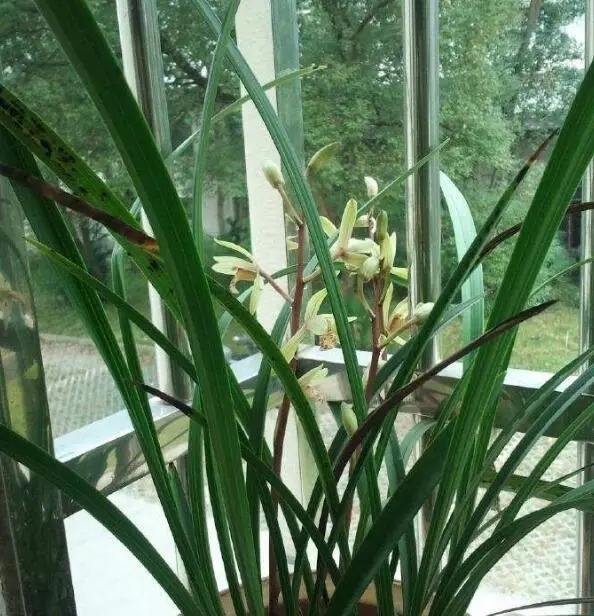
Finally, we also need to water the orchids properly to ensure that the plant absorbs water and promotes growth. At the same time, the potting soil should not be waterlogged, and sufficient light should be maintained, while avoiding strong sunlight exposure. The temperature should be controlled between 18 and 28 degrees Celsius. If these conditions are met, it will be difficult for the orchids not to grow vigorously.
Pruning methods for yellow leaves on orchids: When orchids exhibit the following types of yellow leaves, they also need to be pruned. The first type is withered leaves. This means that the entire leaf of the orchid has lost its green color, and the leaf is devoid of life from tip to root, so it should be removed. The second type is old yellow leaves of the orchid. When pruning these, we need to be gentle and not cut them all off; only cut off the yellow sections to preserve the remaining vitality of the yellow leaves.