How to prune gardenias: before and after flowering
Gardenias have always been a favorite plant among flower enthusiasts. With their evergreen leaves and elegant, refreshing flowers, they are an excellent potted ornamental plant. Today, Flower Valley will discuss gardenia pruning techniques. Pruning can help gardenias grow more vigorously, produce more flowers, and have a stronger fragrance!
Gardenia pruning can be divided into three stages: the growing season, before flowering, and after flowering. Pruning during the growing season encourages more branching, resulting in a more vigorous plant with more flowering branches. Pruning before flowering promotes better flower quality. Pruning after flowering conserves more nutrients, allowing the plant to build up energy for subsequent growth and flowering!
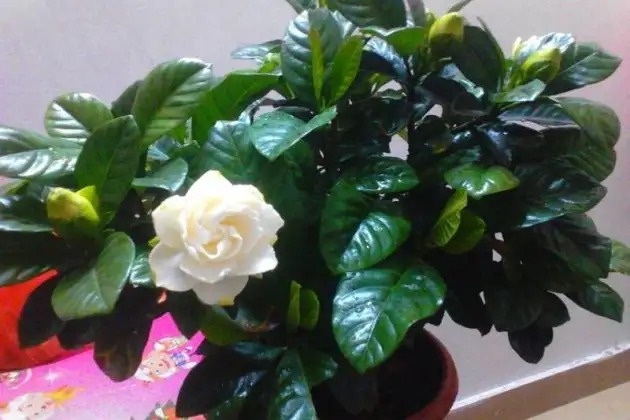
Growing season pruning
During spring and summer, gardenias grow relatively quickly. At this time, timely pruning is necessary. Fast-growing branches should be pruned to prevent them from consuming too many nutrients and causing an unsightly plant shape. At the same time, overly dense areas and weak branches should be pruned to improve ventilation and light penetration, promoting a more aesthetically pleasing plant and better growth. Dead branches and leaves should also be removed promptly to prevent unnecessary nutrient loss and bacterial infection. The pot should be free of dead branches and leaves to prevent pests and diseases.
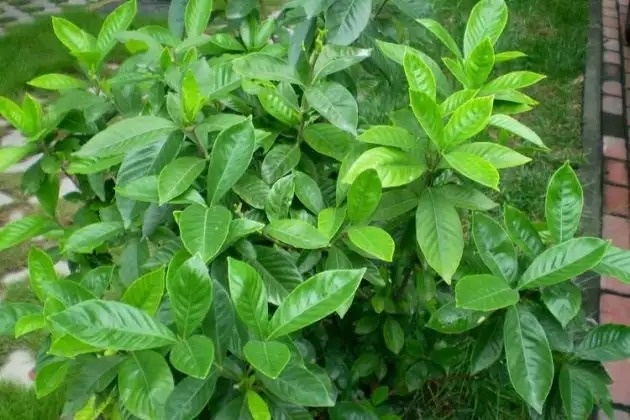
Pruning before flowering
Before the gardenia blooms, we need to prune and care for it, removing any poorly growing or overly dense buds, and promptly clearing away any dead branches and diseased leaves to allow more nutrients to be allocated to flower growth. Pruning promotes the differentiation of more flower buds, resulting in a continuous flow of more flowers later on.
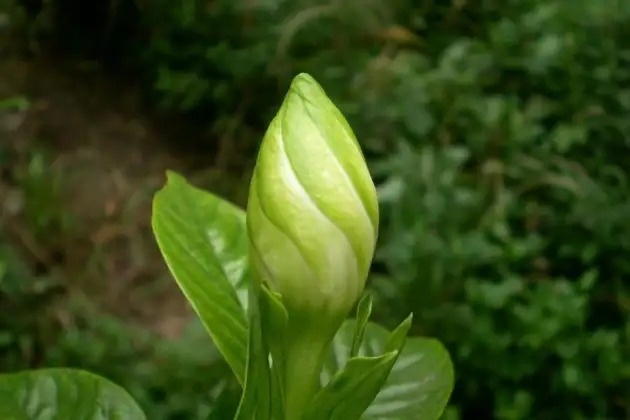
Pruning after flowering
We don't need to wait until all the flowers have faded before pruning. We should prune away any withered flowers as soon as we see them. This is to prevent the withered flowers from continuing to absorb nutrients, prevent bacterial infection of the plant caused by the decay of the withered flowers, and reduce the negative impact of the withered flowers on the plant's aesthetics.
Therefore, we should prune away any withered flowers so that other buds on the same branch can bloom better, and nutrients can be better supplied to meet the plant's own growth needs, resulting in more beautiful subsequent flowers.
As temperatures rise, gardenias will gradually enter a semi-dormant period. If the temperature has reached above 35℃ and the gardenia still has unopened buds, we can remove them and prevent them from continuing to grow on the branches. Even if they do grow, they will not be able to bloom due to the high temperature and will only continue to consume the plant's nutrients, causing the plant to grow worse and worse. For the sake of the next flowering and better plant growth, we should prune them to at least maintain a good plant growth condition.
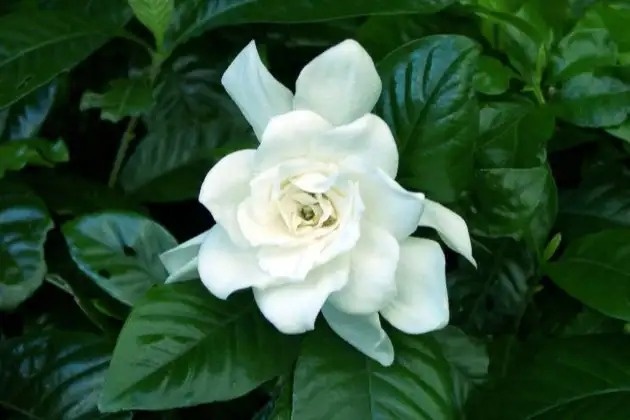
Precautions
In addition, during the summer when temperatures are high, it's best to provide gardenias with partial shade. Otherwise, it will lead to a significant loss of nutrients, and strong sunlight will cause the leaves to turn yellow or wilt, which is detrimental to the plant's growth. Proper shading is essential for the gardenia to safely and aesthetically transition into autumn.
In addition, during the flowering period, we need to be careful not to overwater. Generally, water only when the soil is dry to the touch, or keep the soil slightly moist. Waterlogging can easily lead to flower and bud drop. Fertilization is also important. In the high temperatures of summer, fertilization is crucial, especially during flowering. We should avoid fertilizing during this time. Before flowering, we can use some phosphorus and potassium fertilizer to promote flowering and strengthen the plant. Stop fertilizing during flowering, and after flowering, we can use some compound fertilizer. Fertilization in summer should be as minimal as possible, and it is best to fertilize in the evening.
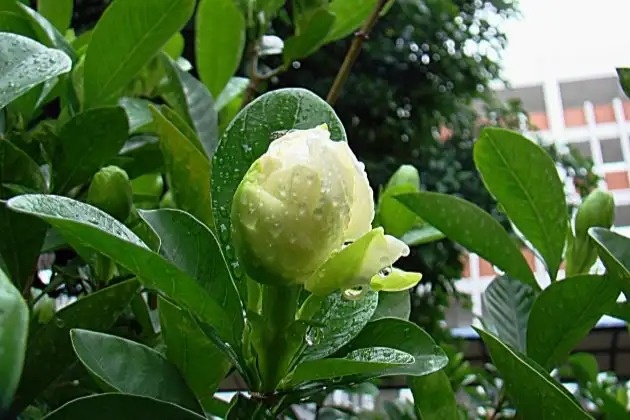
The above are the pruning methods for gardenias introduced by Flower Valley. Proper and necessary pruning is crucial for the healthy growth of gardenias. Letting them grow unchecked will lead to an unattractive plant shape, and may even result in pests, diseases, and a messy, weak growth. Have you all learned the pruning techniques? Let's get started!