How to prune and top flowers
Pruning and topping are important management techniques in flower cultivation, helping plants maintain health, promote growth, and form beautiful shapes. Below is a detailed introduction to how to prune and topse flowers: 1. Pruning Principles: - Pruning Time: Spring and autumn are generally the best times for pruning. In spring, prune away branches that have died in winter, and in autumn, prune overly long or dense branches. - Pruning Tools: Use sharp pruning shears. Keep tools clean and disinfect them regularly to prevent the spread of disease.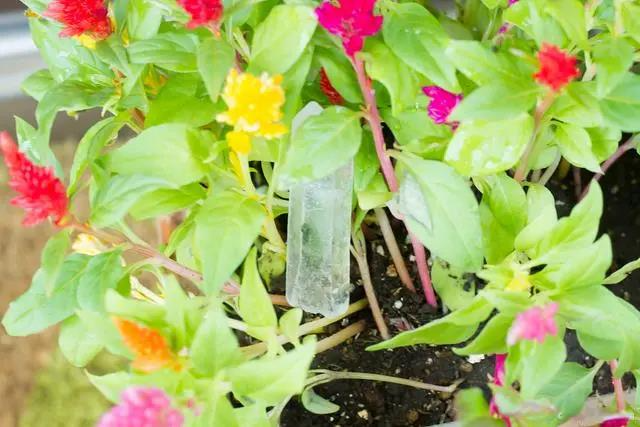
- Pruning Method: First, remove diseased, withered, and damaged parts. Then, trim overly dense or long branches to keep the plants neat and orderly. 2. Pruning Method: - Determine the Goal: Before pruning, consider the environment, growth condition, and tree structure of the plants to determine the pruning goals and priorities. - Remove Miscellaneous Branches: First, remove inward-growing and crossing branches to maintain air circulation and prevent disease penetration. - Prune the Main Trunk: Pruning the main trunk encourages the plants to produce more new buds, create a more compact crown, and control the plant's growth direction. - Shape the Tree: Prune the crown of the plants as needed to create a beautiful and symmetrical shape, highlighting the characteristics of the plants.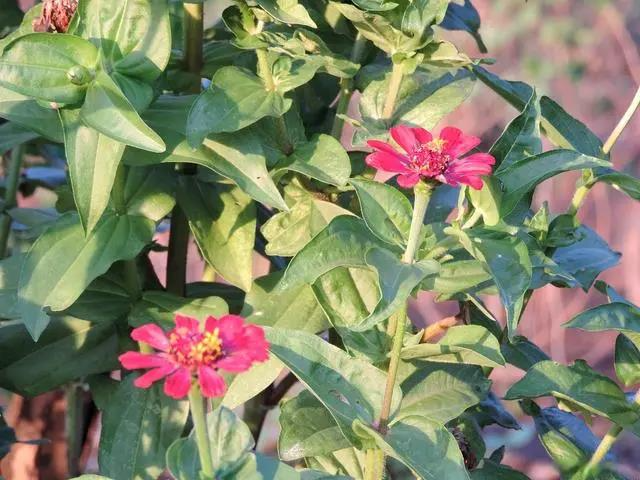
3. Topping Principles: - Topping Time: Topping is generally done in spring and summer when growth is vigorous to help control the plant's growth rate and shape. - Topping Height: Choose an appropriate height for topping based on the plant's growth stage and species characteristics, generally at the end of the main stem. - Topping Method: Use pruning shears to cut off the top of the main stem, leaving a certain length of the main stem to encourage vigorous growth of lateral branches. 4. Topping Techniques: - Observe the Growth Point: Before topping, carefully observe the plant's growth point and branch direction to choose a suitable location for topping.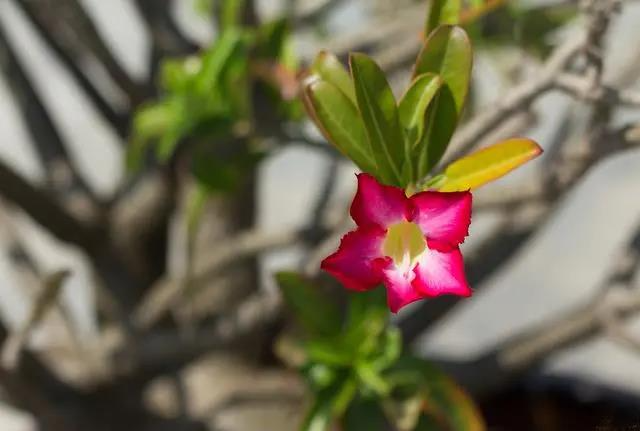
- Control the force: When topping, control the force of the pruning shears, cutting off the main stem while avoiding damage to other parts, ensuring accuracy. - Promote lateral branch growth: Topping stimulates the growth of lateral branches, increasing the number of branches and creating a lush plant. Scientific pruning and topping can help plants maintain healthy growth, shape an attractive form, improve disease and pest resistance, and enhance their ornamental value. When pruning and topping, pay attention to tool hygiene, technique, and post-pruning care to ensure the health and beauty of the plants.
Gardening
Flower Gardening
- Pruning Method: First, remove diseased, withered, and damaged parts. Then, trim overly dense or long branches to keep the plants neat and orderly. 2. Pruning Method: - Determine the Goal: Before pruning, consider the environment, growth condition, and tree structure of the plants to determine the pruning goals and priorities. - Remove Miscellaneous Branches: First, remove inward-growing and crossing branches to maintain air circulation and prevent disease penetration. - Prune the Main Trunk: Pruning the main trunk encourages the plants to produce more new buds, create a more compact crown, and control the plant's growth direction. - Shape the Tree: Prune the crown of the plants as needed to create a beautiful and symmetrical shape, highlighting the characteristics of the plants.
3. Topping Principles: - Topping Time: Topping is generally done in spring and summer when growth is vigorous to help control the plant's growth rate and shape. - Topping Height: Choose an appropriate height for topping based on the plant's growth stage and species characteristics, generally at the end of the main stem. - Topping Method: Use pruning shears to cut off the top of the main stem, leaving a certain length of the main stem to encourage vigorous growth of lateral branches. 4. Topping Techniques: - Observe the Growth Point: Before topping, carefully observe the plant's growth point and branch direction to choose a suitable location for topping.
- Control the force: When topping, control the force of the pruning shears, cutting off the main stem while avoiding damage to other parts, ensuring accuracy. - Promote lateral branch growth: Topping stimulates the growth of lateral branches, increasing the number of branches and creating a lush plant. Scientific pruning and topping can help plants maintain healthy growth, shape an attractive form, improve disease and pest resistance, and enhance their ornamental value. When pruning and topping, pay attention to tool hygiene, technique, and post-pruning care to ensure the health and beauty of the plants.