How to prune a winter jasmine bonsai: 4 methods to make your winter jasmine bonsai look elegant.
Forsythia is one of the earliest blooming flowers of the year. It blooms as spring approaches, hence its name. Although small, its bright golden flowers are very eye-catching. Many flower enthusiasts keep it at home to add a touch of spring. But how should a bonsai forsythia be pruned? It's best to prune it after the flowers have bloomed. Pinch off the tips, remove weak branches, and then shorten the branches. This will create a neat and well-proportioned forsythia.
I. Pruning Methods for Forsythia
1. Pruning time
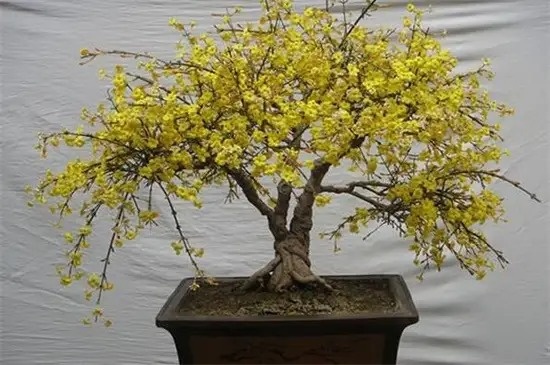
Forsythia blooms in early spring, and many people believe that it needs to be pruned in winter before flowering. However, in fact, pruning should not be done in autumn or winter. The flower buds of forsythia actually form on the branches of the previous year, so the best time to prune is during and after the forsythia's flowering period.
2. Leave buds
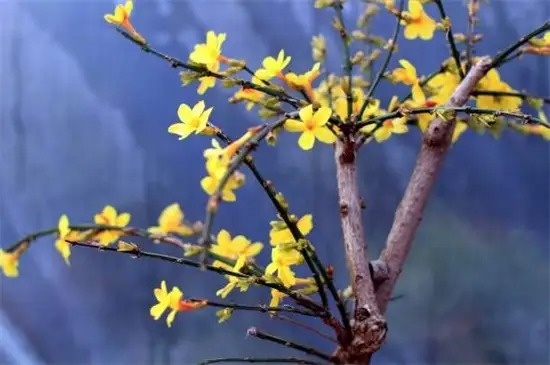
When pruning forsythia, remember to leave buds to ensure a sufficient number of new shoots and flowers next year. Prune within 10 days after the flowers have faded, leaving 2-3 buds on each branch and removing the rest.
3. Timely topping
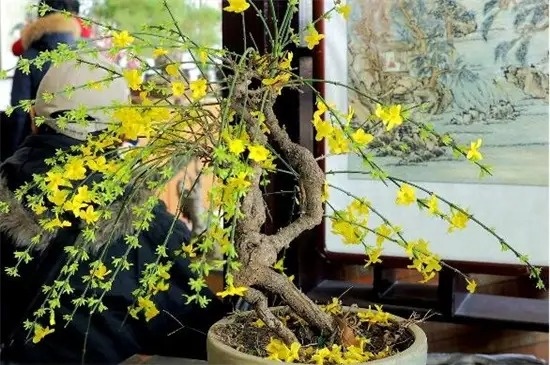
Many flower enthusiasts don't know how to prune forsythia bonsai. The most important thing is timely pinching. After the flowering period from May to July, pinch the tips 2-3 times. Forsythia vines grow very quickly; if you don't pinch them in time, the branches will grow excessively long and fail to produce new buds. This not only affects the bonsai's appearance but also the number of flowers it produces the following year.
4. Shaping and trimming
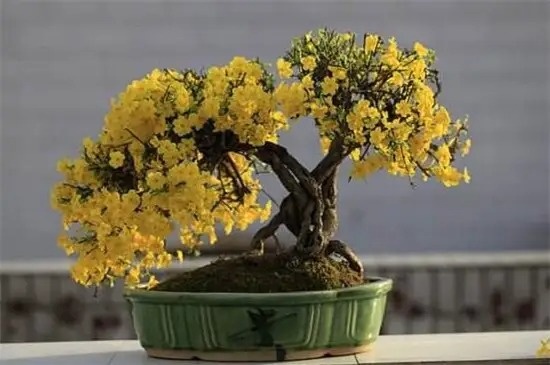
Pruning a forsythia bonsai serves two purposes: to increase the number of flowers next year and to enhance its aesthetic appeal. Therefore, shaping and pruning are essential. This includes removing diseased and weak branches, as well as pruning overly dense branches. Removing diseased and weak branches ensures the plant receives sufficient nutrients, and thinning out dense branches helps create a more balanced appearance for the bonsai.
II. Precautions for Pruning Forsythia
1. Pruning environment
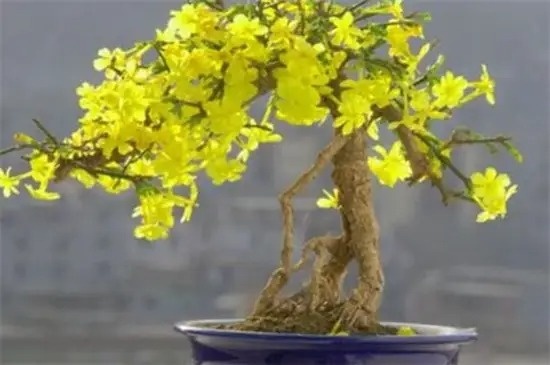
Forsythia should only be pruned after it has finished blooming, and usually after the flowering period. Therefore, we must pay attention to the environment when pruning. Pruning should be done on a warm, sunny day. It should definitely not be done during the long rainy season. The temperature should ideally be above 25℃, as this will help the plant recover.
2. Fertilize after pruning
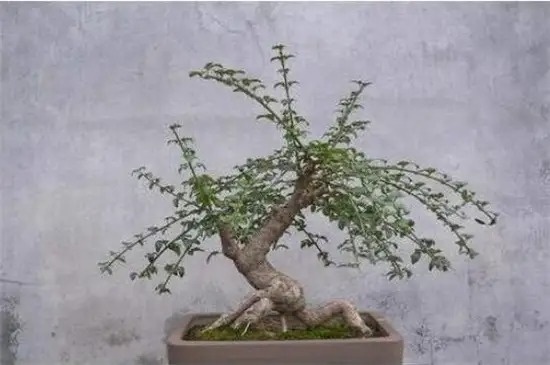
After pruning the forsythia, leaving buds, it's crucial to fertilize promptly. Apply nitrogen fertilizer at least once every 10 days, for two consecutive applications. This will encourage the buds to sprout new branches. Then, when the new branches reach 15 cm in length, apply phosphorus fertilizer every 7 days, repeating this process three times to provide the necessary nutrients for flower bud formation and flowering.
3. Pruning time limit
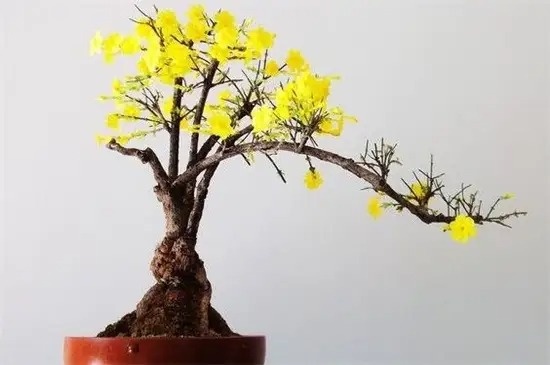
Regardless of how you prune forsythia, it's crucial to complete the pruning before mid-July. Do not leave it until August. Pruning after mid-July will definitely negatively impact the plant's growth and inhibit the development of new shoots. Without new shoots, the number of forsythia plants the following year will be significantly reduced.
4. Post-pruning maintenance
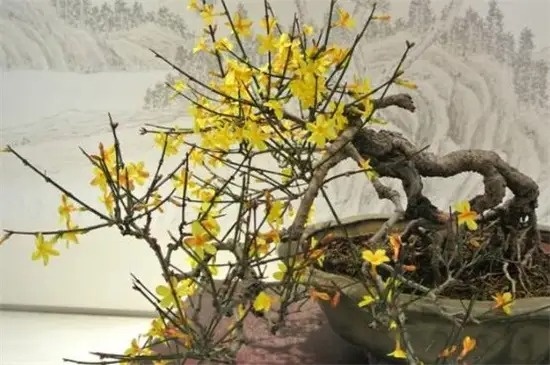
After pruning forsythia, it needs some care. Since pruning usually takes place in summer, try to place it in a slightly shady environment and reduce watering. After a week, you can care for it normally. However, because the branches of forsythia droop naturally, you should also spray water with a misting device to supplement moisture.
In conclusion, through the above introduction, you should now understand how to prune a winter jasmine bonsai. By paying attention to the pruning steps and precautions outlined above, you too can prune your winter jasmine to achieve a graceful and well-proportioned appearance.